Loading
by BlastRoom
Connect two named elements of Hawthorne's tale and judge what a change would break.
#organic_unity#matatag_english_9
20 questions
One question set, multiple game modes. Tap any game to see it in action. Not sure which to pick?
Hawthorne writes: "And Faith, as the wife was aptly named, thrust her own pretty head into the street, letting the wind play with the pink ribbons of her cap while she called to Goodman Brown." What does the wife's name contribute?
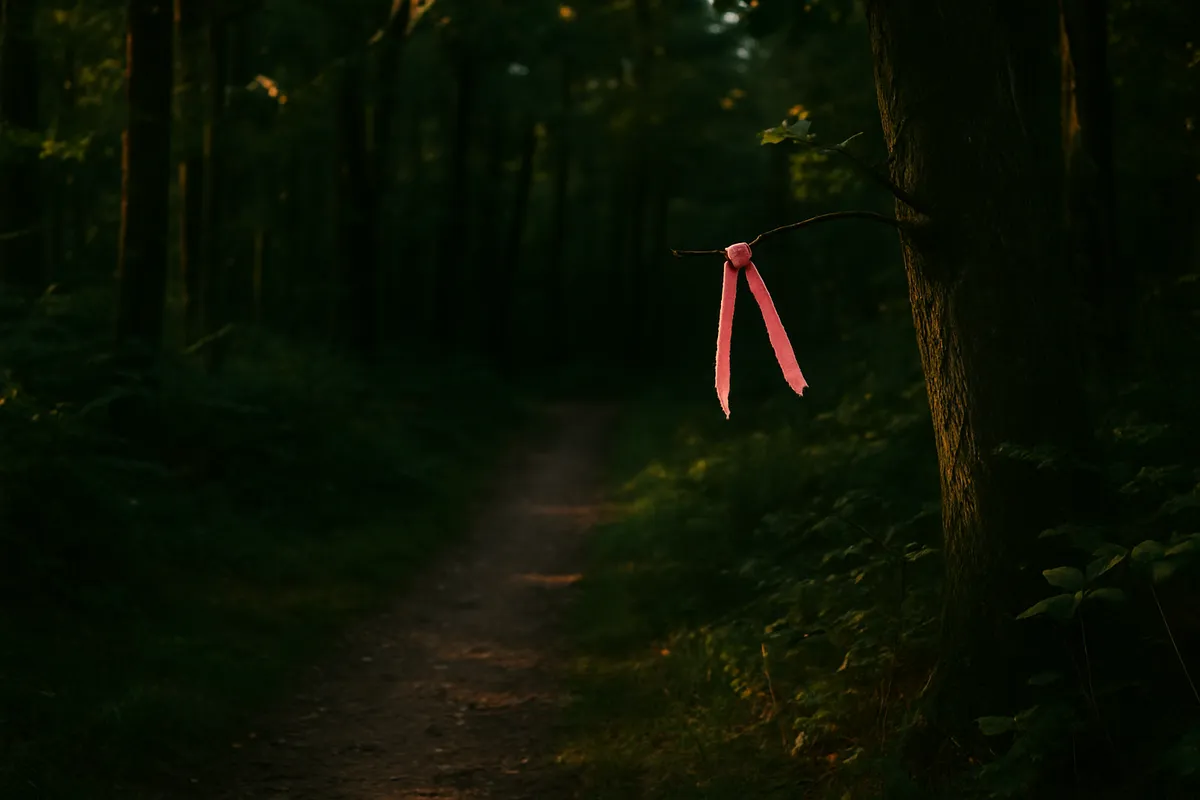
Faith wears "pink ribbons" when Brown leaves. Later in the forest: "The young man seized it, and beheld a pink ribbon." What does the repeated detail do for the whole tale?
Suppose Hawthorne cut the companion's claim that he helped Brown's grandfather lash a Quaker woman and his father burn an Indian village. Which connection would that cut break?
Of Brown's companion Hawthorne writes: "his staff, which bore the likeness of a great black snake, so curiously wrought that it might almost be seen to twist and wriggle itself like a living serpent." What does the staff contribute?
Just after the staff seems to writhe, Hawthorne adds: "This, of course, must have been an ocular deception, assisted by the uncertain light." How does this sentence prepare the ending?
Near the close Hawthorne asks: "Had Goodman Brown fallen asleep in the forest and only dreamed a wild dream of a witch-meeting?" Suppose he cut that question. Which connection would break?
Suppose the tale ended with Brown greeting Faith warmly the next morning and living happily. Which connection would that new ending break?
Goody Cloyse taught Brown his catechism, yet in the forest she greets his companion as "your worship" and asks for his arm to the meeting. What does her double role contribute?
Which detail of the tale could be removed without breaking a connection the story builds?
Hawthorne describes Brown's road as "darkened by all the gloomiest trees of the forest, which barely stood aside to let the narrow path creep through, and closed immediately behind." What does this contribute?
Early in the forest Hawthorne writes that a lone walker "may yet be passing through an unseen multitude." How does this line serve the later meeting at the rock?
Of Brown and his companion Hawthorne writes: "Still they might have been taken for father and son." Suppose the companion looked nothing like Brown. Which connection would that break?
Of Brown rushing through the woods Hawthorne writes: "But he was himself the chief horror of the scene, and shrank not from its other horrors." What does this line do for the tale?
At the meeting Hawthorne writes: "It was strange to see that the good shrank not from the wicked, nor were the sinners abashed by the saints." What does this contribute to the whole?
The meeting has a rock like "an altar or a pulpit," pines "like candles at an evening meeting", and a hymn Brown knows from the village choir. Suppose these church details were cut. Which connection would break?
The forest scene ends: "Whether Faith obeyed he knew not." How does this short sentence serve the tale's ending?
Brown asks Faith whether she doubts him when they are "but three months married". A reader calls this a passing fact. What does it actually contribute?
A reader says the maple branch that the companion strips into a walking stick is only scenery. Which reply names the work that detail does?
How does the title "Young Goodman Brown" earn its meaning from the tale's last paragraph?
Suppose Brown told Salem village everything he saw in the forest. Which connection would that break?
Crack the passcode before the zombies get in.

Pick a tile, answer, hit bonuses and steals.
Pride and Prejudice: Sociocultural Context
20 questions