Loading
by BlastRoom
Follows the Texas Grade 5 program for the causes, events, and effects of the War of 1812.
#us_grade_5_social_studies
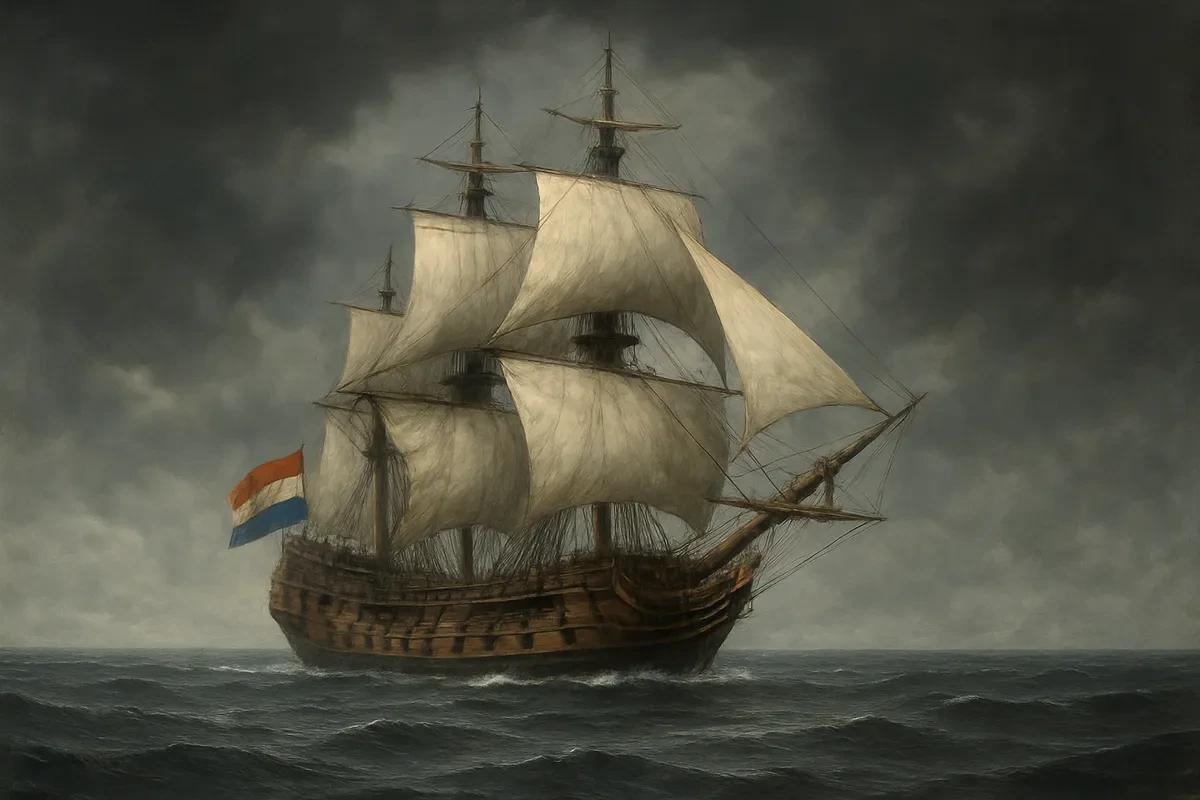
40 questions
One question set, multiple game modes. Tap any game to see it in action. Not sure which to pick?
Answer to place stones and capture territory.
Outrun the snow together.
Earn blasts, then hunt the other team.
Answer to earn energy, then climb.

The class blasts through walls together.
Bid on mystery lots. Most money wins.
Sell tours. Nice, standard, or a total scam.

Answer, restock, and serve the rush.
More correct answers pulls the rope your way.
Answer, then shoot down the alien wave.
Answer, then tap to leap the frozen ridge.
British warships stopped American merchant ships and forced some sailors into the British navy. What was this practice called?
Many Americans were angry when British officers removed sailors from U.S. ships. Why did this push the United States toward war?
Henry Clay of Kentucky led a group of lawmakers in Congress who pushed for war with Britain in 1812. What were these lawmakers called?
In 1807, President Thomas Jefferson's Embargo Act stopped American ships from trading with other countries. What was the main result?
U.S. merchants wanted to sell grain and cotton in Europe, but British warships stopped American ships at sea and took their cargo. Which cause of the War of 1812 does this describe?
Britain and France were at war. The United States took neither side, but Britain blocked American ships from sailing to French ports. What right did Americans say Britain was violating?
U.S. leaders heard reports that British agents in Canada gave guns to Tecumseh's warriors, who were fighting American settlers in Indiana and Ohio. Which cause of the war did they connect to those reports?
Tecumseh, a Shawnee leader, fought alongside the British during the war. What happened to him at the Battle of the Thames in 1813?
War Hawks in Congress argued that invading Canada might weaken British power near the frontier. What goal did this show?
In June 1812, the United States officially declared war on Britain. Which part of the government voted to declare war?
In June 1812, President James Madison sent Congress a message listing British actions at sea and trouble on the western frontier. What was the message asking Congress to do?
The slogan “Free Trade and Sailors' Rights” joined two complaints before the war. What two causes did the slogan point to?
After defeating U.S. militia at Bladensburg in 1814, British troops entered the U.S. capital. What happened next?
Dolley Madison ordered a portrait of George Washington saved before leaving the White House in 1814. What event was happening?
British ships bombarded Fort McHenry through the night in 1814, but the fort held. What city did this defense help protect?
Francis Scott Key watched the British bombard Fort McHenry through the night in 1814. What did he write about what he saw?
During the war, the USS Constitution earned the nickname “Old Ironsides.” How did it get that name?
In January 1815, Andrew Jackson led U.S. forces against a British attack near the Mississippi River. What battle was this?
The Treaty of Ghent was signed in December 1814, but the Battle of New Orleans was fought in January 1815. Why was the battle still fought?
Oliver Hazard Perry defeated a British fleet on Lake Erie in 1813. How did that victory help U.S. forces in the West?
In 1812 the USS Constitution defeated the British warship HMS Guerriere. What kind of fighting does this example show?
A report says Perry's fleet won an important naval victory in 1813 on one of the Great Lakes. Where did Perry's victory occur?
In August 1814, British troops burned public buildings in Washington, D.C. Which two famous buildings did they set on fire?
In January 1815, British troops attacked Andrew Jackson's defenses below New Orleans. What was the result of the battle?
During the war, imported British goods became harder to get. What effect did this have on the young United States?
A New England textile mill opened while the War of 1812 disrupted overseas trade. What larger wartime change does this example show?
After Fort McHenry and New Orleans, many Americans celebrated that the republic had survived another war with Britain. What effect did this show?
“The Star-Spangled Banner” became a patriotic symbol after the defense of Fort McHenry. What postwar effect does that best connect to?
The Treaty of Ghent ended the War of 1812. What land did the United States gain in the treaty?
A claim says the U.S. victory at New Orleans forced Britain to agree to end the War of 1812. What evidence answers that claim?
After the war, Britain no longer supported Indigenous resistance in the Northwest as it had before. What consequence followed for many Indigenous nations there?
The Treaty of Ghent did not directly settle impressment or neutral trade rights. Why did those issues become less urgent after the war?
After the war, cheap British goods flooded U.S. stores. In 1816 Congress placed a tax on imported goods to protect new American factories. What is this kind of tax called?
Some Americans called the war a “Second War of Independence” because the country had stood up to Britain again. What effect does that phrase show?
A timeline reads: Declaration of Independence, Constitution, Louisiana Purchase, Erie Canal. Where does the War of 1812 belong?
Which of these events happened closest in time to the start of the War of 1812?
A teacher asks for an event that happened before the War of 1812. What event fits that place on the timeline?
A timeline asks for an event after the War of 1812. What event belongs after it?
The War of 1812 lasted from 1812 to 1815. What later change came after it in the nineteenth century?
Put these eras in order: transcontinental railroad, Revolution, War of 1812, Constitution. Which era comes immediately before the War of 1812?
The Course and Consequences of the American Revolution
40 questions
From the Articles of Confederation to the Constitution of 1787
40 questions
Ratification and the Bill of Rights
40 questions
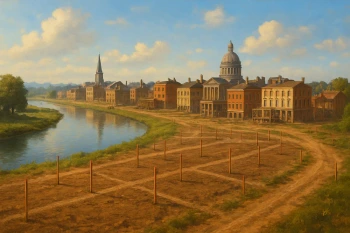
Settlement Patterns and State Capitals, 1789 to the Mid-1800s
40 questions
American History Figures: Quick Facts
40 questions
Crack the passcode before the zombies get in.
Answer, then swat bugs for bonus points.
Race through questions at your own speed.
Same question on every screen. Fastest wins.

Pick a tile, answer, hit bonuses and steals.