Loading
by BlastRoom
Explore the Moon’s features, changing appearance, and classroom models of its motion.
#moon_phases#matatag_science_5

20 questions
One question set, multiple game modes. Tap any game to see it in action. Not sure which to pick?
How is the Moon classified as an object that travels around Earth?
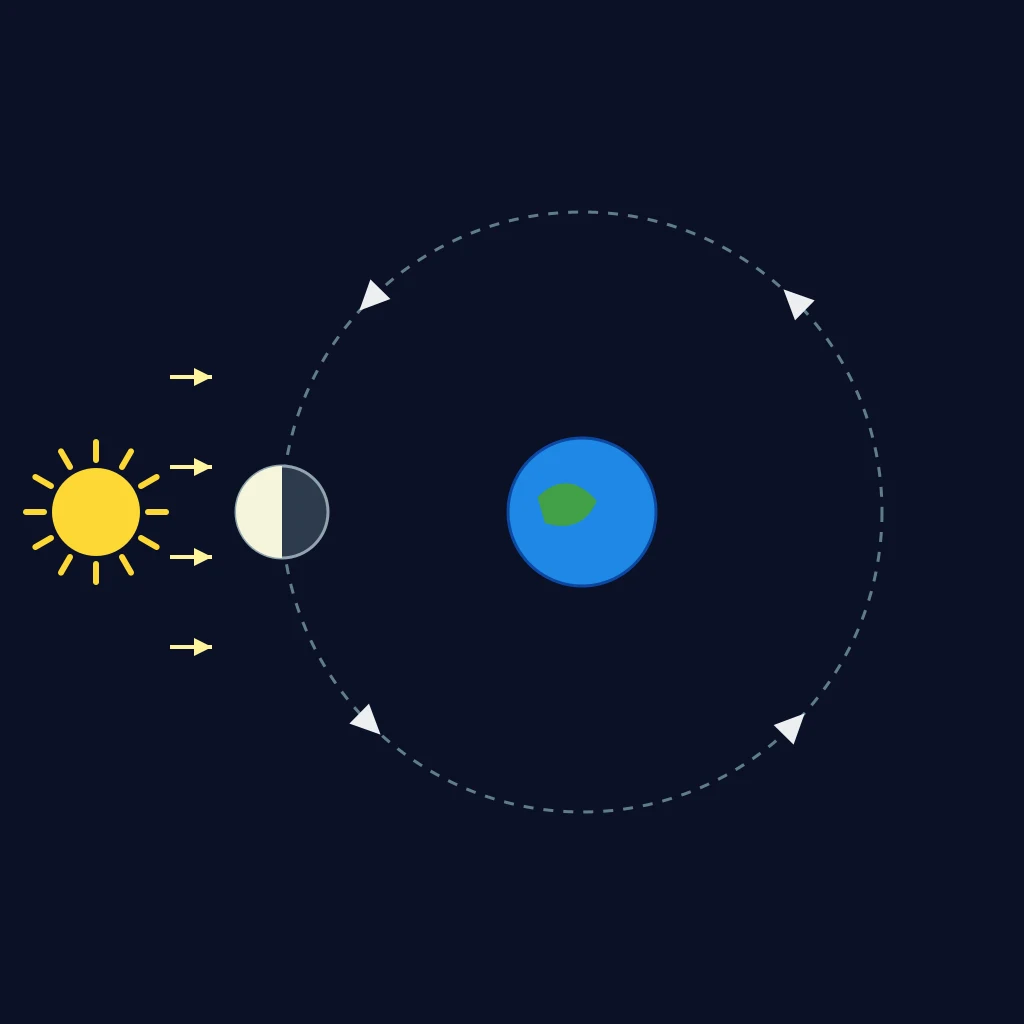
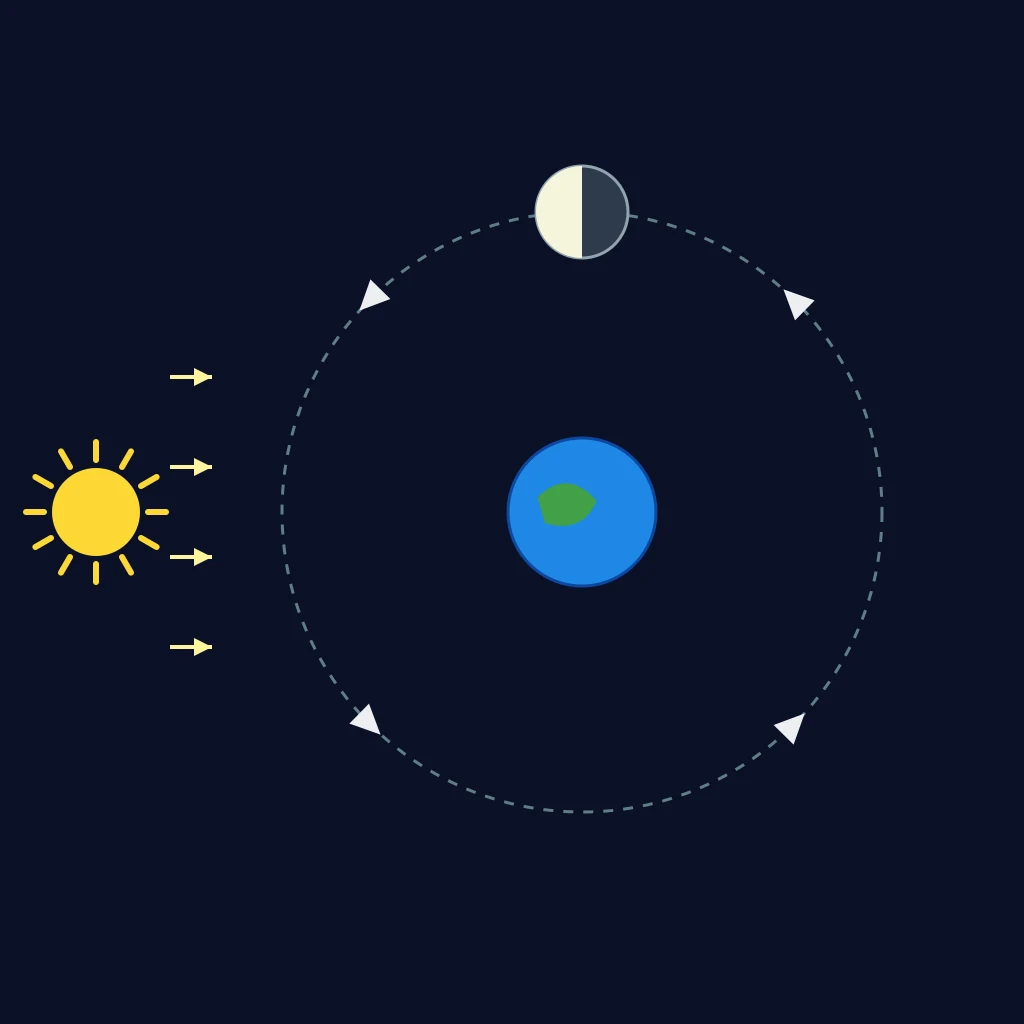
What phase corresponds to the Moon's position in this overhead model?
How does the Moon's diameter compare with Earth's diameter?
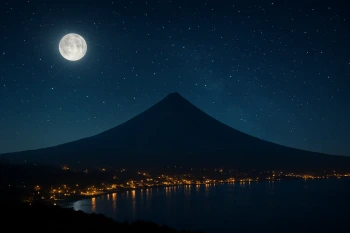
Name the phase pictured in this view from Earth, with north at the top.

What produces most of the light we see coming from the Moon?
What label belongs under this Moon picture, shown with north at the top?

How did most of the Moon's craters form?
What term describes the change when the Moon's visible bright portion grows over several nights?
Identify this phase as seen from Earth, with north at the top.

Why does the Moon's bright outline change during a month?
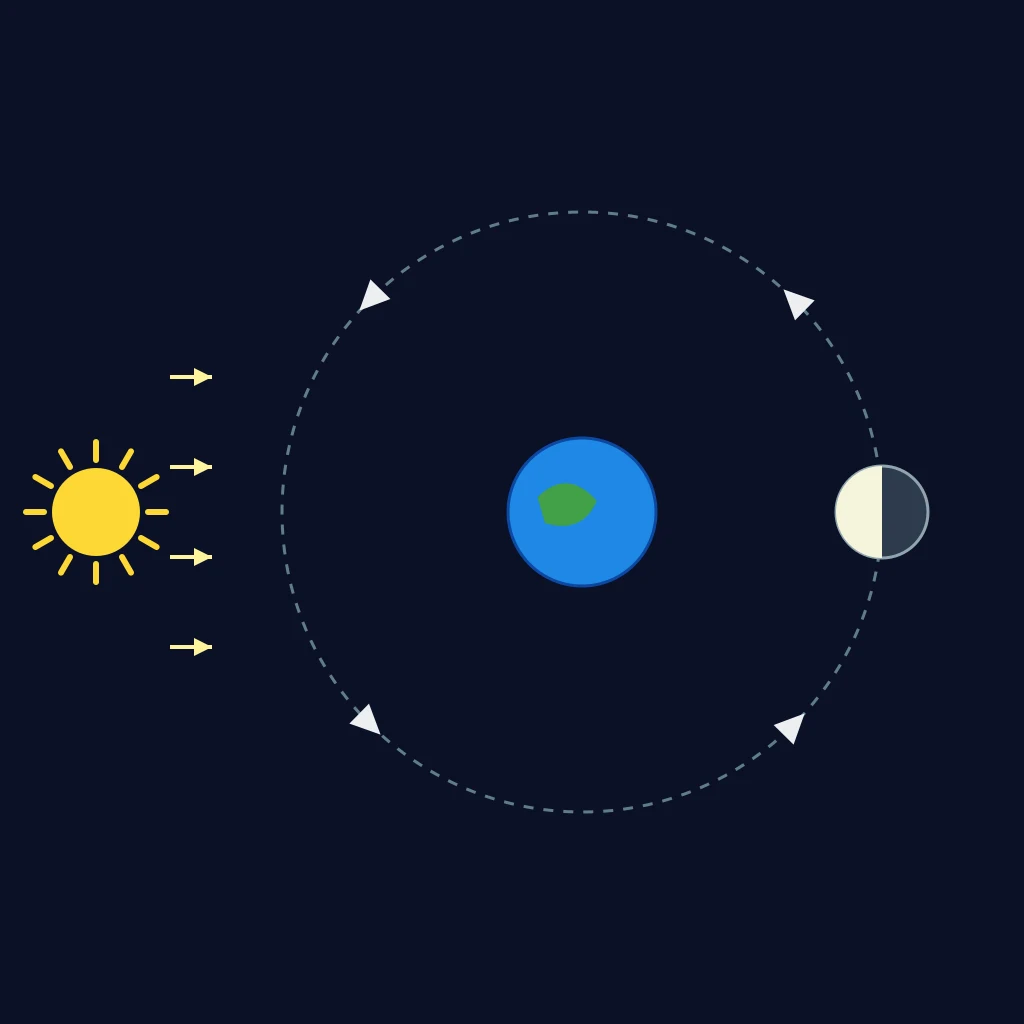
Ignoring eclipses, what phase does this Sun-Earth-Moon arrangement represent?
Outside an eclipse, how much of the entire Moon is illuminated by the Sun at one time?
What phase name matches this north-up view of the Moon?

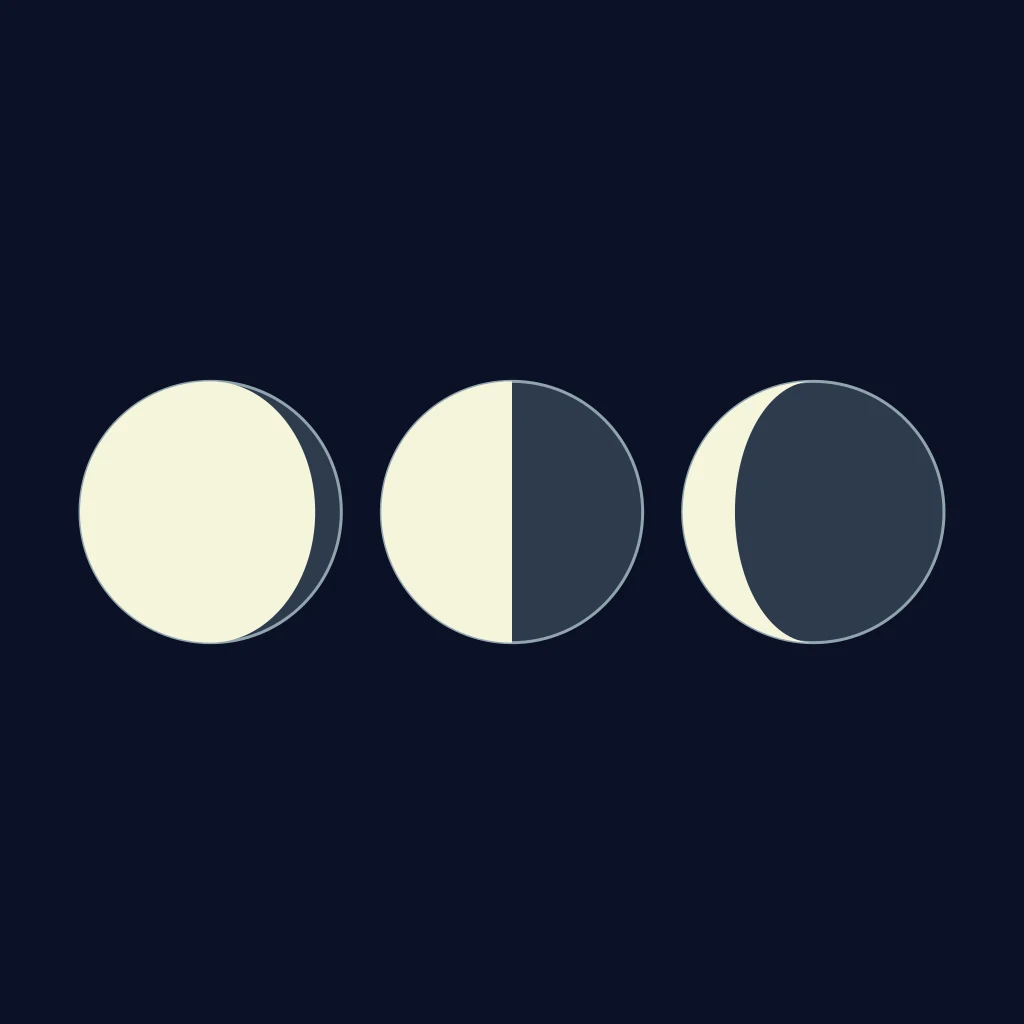
The panels show observations several days apart, read left to right. What term describes the change in the Moon's bright portion?
Use the orbit arrows in this overhead model. What phase would be seen from Earth at the Moon's shown position?
Can observers in the Philippines ever see the Moon during daylight?
A learner records this north-up view before the next cycle begins. What phase should label the observation?

Which question can a simple flashlight-and-ball Moon model help answer?
Which model would best help explain Moon phases on a notebook page?
Ana keeps the flashlight fixed but moves the observer around a stationary ball. What change would better represent the Moon's motion?
Crack the passcode before the zombies get in.

Pick a tile, answer, hit bonuses and steals.

Term 3 Summative Review 1
40 questions