Loading
by BlastRoom
Analyzes the double sacrifice and ending in The Gift of the Magi by O. Henry (1905).
#irony#us_grade_7_english
20 questions
One question set, multiple game modes. Tap any game to see it in action. Not sure which to pick?
Answer to place stones and capture territory.
Outrun the snow together.
Earn blasts, then hunt the other team.
Answer to earn energy, then climb.

The class blasts through walls together.
Bid on mystery lots. Most money wins.
Sell tours. Nice, standard, or a total scam.

Answer, restock, and serve the rush.
More correct answers pulls the rope your way.
Answer, then shoot down the alien wave.
Answer, then tap to leap the frozen ridge.
Della sells her hair to buy a chain for Jim's watch, and Jim sells his watch to buy combs for Della's hair. What makes this outcome ironic?
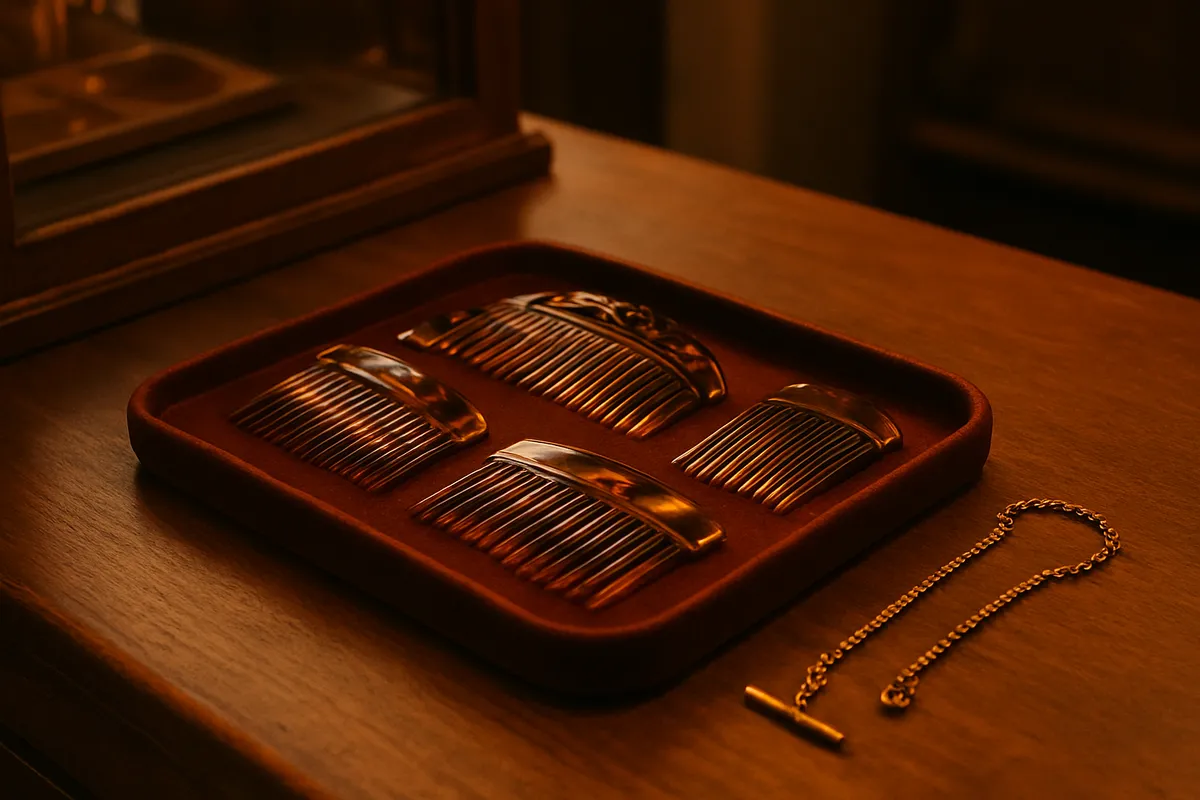
Della has long wanted the jeweled combs Jim gives her, but she has just sold her hair. What makes this present ironic?
Della chooses a platinum chain because it is worthy of Jim's treasured watch. Jim has sold that watch. What makes the chain's arrival ironic?
After both gifts are revealed, Jim says the presents are “too nice to use just at present.” What makes this line ironic?
Della waits eagerly with the chain, expecting Jim's watch to matter as soon as he arrives. What makes that expectation ironic?
The couple seems foolish because the gifts cannot be used, yet the ending treats them as wise givers. What makes that outcome ironic?
Della says her hair is gone for Jim and that “nobody could ever count my love for you.” What does her sacrifice reveal?
Jim sells the gold watch passed down from his father and grandfather so he can buy Della combs. What does that sacrifice reveal?
Della begins with $1.87, sells her hair for $20, then spends $21 on Jim's chain. What does this choice reveal about her?
When Jim first sees Della's cut hair, he reassures her that no haircut could make him like his girl less. What does his response reveal?
Both Della and Jim give up the possession that made them proud so they can buy a gift for the other. What shared trait does this reveal?
The narrator compares Della and Jim to the Magi who brought gifts. What claim does that comparison make?
Della and Jim are so poor that Della has only $1.87 for a gift. Why does their poverty matter to the irony of the ending?
Della and Jim each buy a gift that the other's sacrifice has made useless. What kind of irony is this outcome?
The closing lines mention valuable ancient gifts, while Della's and Jim's gifts cannot be used now. What claim does the ending make?
Early on, the narrator says the couple had two possessions in which they took “a mighty pride”: Jim's gold watch and Della's hair. How does this detail set up the irony?
Select the neutral summary that keeps the whole story.
Which sentence best summarizes the story's opening, before Della leaves to sell her hair?
Which sentence would NOT belong in an objective summary of the story?
Which summary best connects the irony to the theme?
Crack the passcode before the zombies get in.
Answer, then swat bugs for bonus points.
Race through questions at your own speed.
Same question on every screen. Fastest wins.

Pick a tile, answer, hit bonuses and steals.

A Christmas Carol, Stave One: Mood and Characterization
20 questions