Loading
by BlastRoom
Read short historical sources and decide what they actually say, what they most support, and what comes from outside knowledge.
#historical_texts#us_grade_8_english
20 questions
One question set, multiple game modes. Tap any game to see it in action. Not sure which to pick?
Hannah Reed, a homesteader in Nebraska, wrote in 1878: "We broke sod all week. Water sits a mile off, and I haul two buckets each morning and night. My brother's fever has passed." What central idea does the entry convey?
Nurse Ellen Fry wrote in 1863: "We work by candlelight. The surgeons are kind. Our bandages ran out Tuesday. Rain has fallen for three days." Which line best supports the conclusion that the hospital lacked supplies?
Studying the Oklahoma land rush of April 22, 1889, a student finds a settler's 1889 letter, a 1998 textbook chapter, an encyclopedia article, and a 1910 newspaper story by a reporter who arrived years later. Which source is a primary source?
A 1913 factory inspector's report states: "The stairwell door on the ninth floor was locked during working hours, and the single fire escape ended eight feet above the alley." Which conclusion rests on the report itself?
A historian writes: "Blight ruined the Irish potato crop after 1845. Hunger followed, and within five years more than a million people had emigrated." How is the passage organized?
An 1856 editor wrote: "The society met again on Tuesday. Its speakers shouted their demands, and this reckless crowd blocked Market Street until dusk." Which phrase most reveals the editor's negative view of the group?
In a 1775 letter, a British customs officer in Boston calls colonists who refuse duties "lawless men who cheat the King's revenue." What does that description reveal about the writer's point of view?
A delegate at an 1848 women's rights convention argued: "We ask no favor. We ask only the ballot our brothers hold, and the schooling that would fit us to use it." What is the speaker's main point?
An 1885 shipboard log records: "Berths are stacked three high. The hatch is opened at noon. Meals are served twice daily. The voyage will take eleven days." Which detail best supports the conclusion that steerage was crowded?
A 1936 county report notes: "Wind removed topsoil from 40 percent of surveyed fields. Yields fell by half." Which statement is a fact stated in the report rather than a judgment or a guess?
A historian writes: "Canal towns boomed. Millers shipped flour east in days rather than weeks, and villages along the route doubled in size within a decade." What idea holds this paragraph together?
An 1863 recruiting notice reads: "Able-bodied men of the colored regiments receive $10 per month, from which $3 is deducted for clothing." Which detail does the notice NOT provide?
A soldier's 1864 letter says his unit's march began before dawn. The quartermaster's log for his unit that day records rations issued at 3 a.m. Together, what do the two sources establish?
An 1891 petition from tenant farmers states: "We do not ask for charity. We ask that the scales at the gin be inspected, and that our accounts be read aloud to us." What do the petitioners chiefly want?
An 1849 guidebook for travelers to California advises: "Carry flour, not gold dust; the merchant at the diggings sets his own price." What does the sentence warn readers about?
A farmer wrote in 1794: "The excise falls hardest on us. Our votes count for little. Grain travels to market only as spirits. The collector lodges in town." Which line best supports the claim that distance to market shaped the anger?
In a recorded 1975 interview, a retired shipyard welder recalls: "In 1943 the yard hired women by the hundreds. When the war ended, our names came off the boards first." What central idea does the recollection express?
Two accounts describe an 1877 railroad strike: a company manager's telegram sent that day, and a union member's memoir written in 1920. What most limits the memoir as evidence about that day?
A 1908 school board minute reads: "The board voted 5-2 to extend the term by one month. Two members objected that families need children for the harvest." How would a neutral summary of the minute read?
A 1919 hospital ward log lists, for each day, the number of influenza patients admitted and the number discharged. What can that log alone establish?
Crack the passcode before the zombies get in.

Pick a tile, answer, hit bonuses and steals.
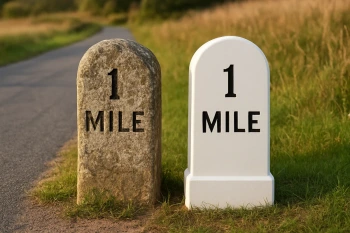
Comparing Primary and Secondary Historical Sources
20 questions