Loading
by BlastRoom
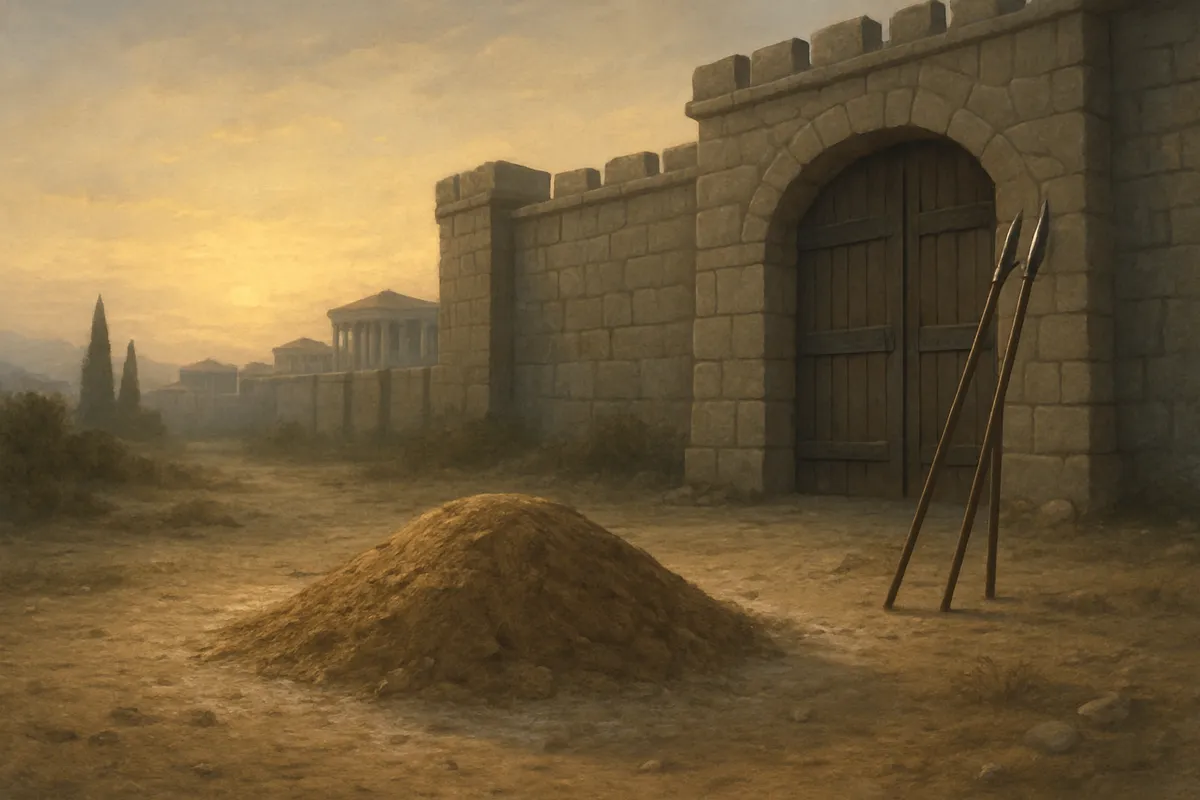
A burial the king forbids and a sister who performs it anyway: divine law against the law of the state.
#literature
20 questions
One question set, multiple game modes. Tap any game to see it in action. Not sure which to pick?
Answer to place stones and capture territory.
Outrun the snow together.
Earn blasts, then hunt the other team.
Answer to earn energy, then climb.

The class blasts through walls together.
Bid on mystery lots. Most money wins.
Sell tours. Nice, standard, or a total scam.

Answer, restock, and serve the rush.
More correct answers pulls the rope your way.
Answer, then shoot down the alien wave.
Answer, then tap to leap the frozen ridge.
In F. Storr's translation, arguing over the body of Polyneices, one speaker insists, "Not even death can make a foe a friend." Who says it?
In F. Storr's translation, a character standing accused of the forbidden burial answers, "My nature is for mutual love, not hate." Who speaks the line?
In F. Storr's translation the ode that begins "Many wonders there be, but naught more wondrous than man" is sung between two episodes of the action. Who sings it?
In F. Storr's translation, a character tells Creon to his face, "A State for one man is no State at all." Who says it?
Antigone strews dust on Polyneices and pours libations over him, knowing the edict forbids it on pain of death. On what ground does she defend what she has done?
In the opening scene Ismene refuses to help lift her brother's body. What reason does she give her sister?
Creon explains his edict to the assembled elders of Thebes. What ground does he give for treating the two dead brothers differently?
Haemon comes to his father and asks him to relent. What is the main argument he makes?
Teiresias comes to the palace with his boy guide and tells Creon the sacrifices will not take. What does he say has gone wrong?
Order these events of the play. (1) Teiresias warns Creon that the altars are fouled. (2) The Guard reports that dust has been strewn on the body. (3) Haemon kills himself in the tomb. (4) Eurydice takes her own life.
Order these events of the play. (1) The Guard brings Antigone before Creon. (2) Creon proclaims his edict to the elders. (3) Antigone asks Ismene to help her lift the body. (4) Creon sentences Antigone to a rock-hewn tomb.
Order these events from the close of the play. (1) Creon has Polyneices' body buried. (2) Creon's party finds Antigone hanged in the tomb. (3) Eurydice stabs herself at the altar. (4) Haemon falls on his own sword.
Order these events of the play. (1) Haemon leaves his father in anger. (2) Ismene asks to share the blame for the burial. (3) Creon calls for axes and hurries to the tomb. (4) The Chorus urges Creon to free Antigone himself.
Antigone's death and Haemon's are never shown. They reach the audience as a long report delivered to Eurydice and the elders by a man who was there. What feature of Greek tragedy is this?
Creon rages that the guards were bribed to bury the corpse and threatens to hang them alive unless they find who did it. The audience has already watched Antigone declare in the opening scene that she will do it. What is this?
The blind seer of Thebes warns Creon that the city's shrines are polluted, and Creon answers by calling prophets a money-getting tribe and refusing to yield. What is Creon showing here?
Before the elders of Thebes ever enter, the play opens with Antigone telling Ismene about their two dead brothers and the proclamation just made. What is this opening scene doing?
Which statement about Antigone is NOT true?
Which statement about Antigone is NOT true?
Which statement about the deaths at the end of Antigone is NOT true?
Crack the passcode before the zombies get in.
Answer, then swat bugs for bonus points.
Race through questions at your own speed.
Same question on every screen. Fastest wins.

Pick a tile, answer, hit bonuses and steals.
Macbeth: Act 1
25 questions