Loading
by BlastRoom
Explore scarcity, wants, needs, and the trade-offs people make when resources are limited.
#economics#us_grade_3_social_studies
40 questions
One question set, multiple game modes. Tap any game to see it in action. Not sure which to pick?
Answer to place stones and capture territory.
Outrun the snow together.
Earn blasts, then hunt the other team.
Answer to earn energy, then climb.

The class blasts through walls together.
Bid on mystery lots. Most money wins.
Sell tours. Nice, standard, or a total scam.

Answer, restock, and serve the rush.
More correct answers pulls the rope your way.
Answer, then shoot down the alien wave.
Answer, then tap to leap the frozen ridge.
Scarcity happens when there are more wants than there are resources to meet them.
Lia has five dollars at the school fair. She can buy a book or a kite, but she cannot buy both. She buys the book. What is Lia's opportunity cost?

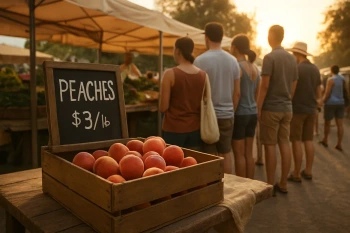
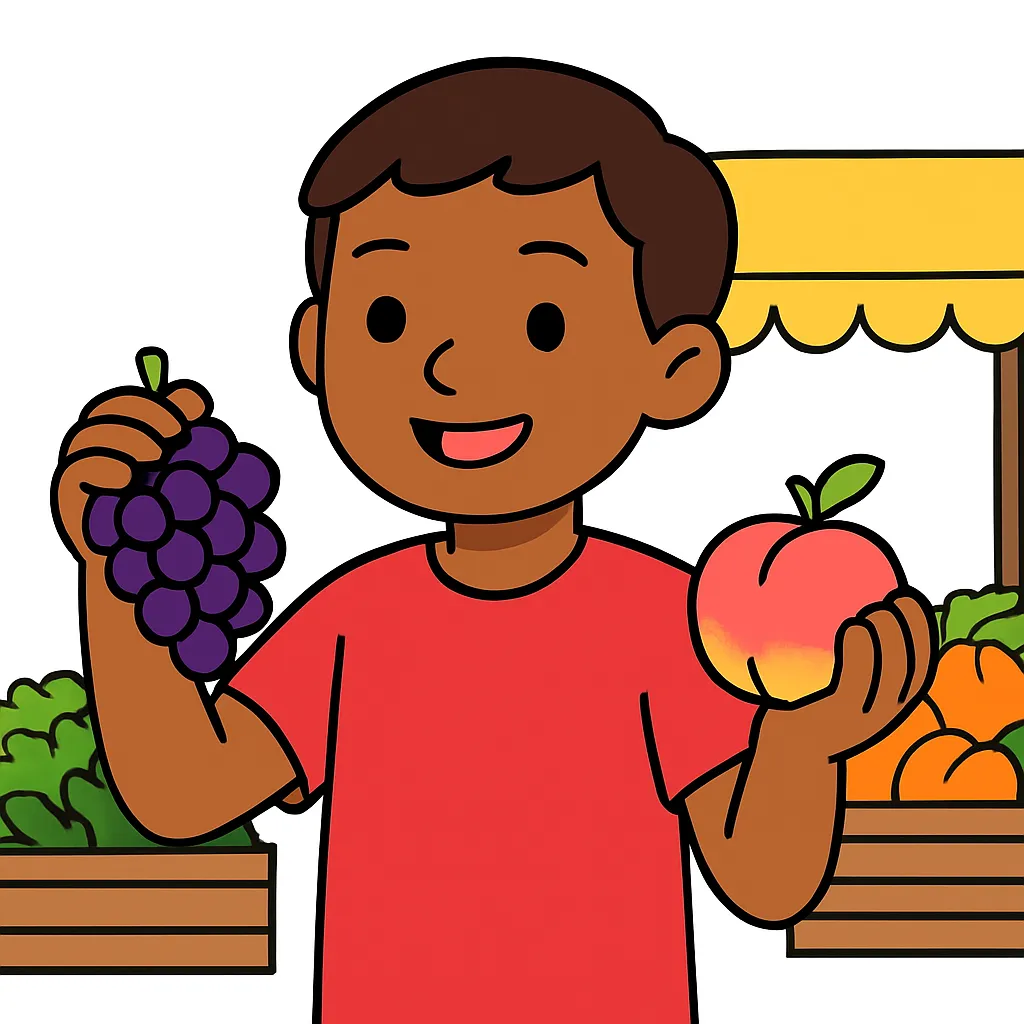
Sam has three dollars at the farmers market. He can buy a peach or a bunch of grapes, but not both. He picks the peach. What did Sam give up?
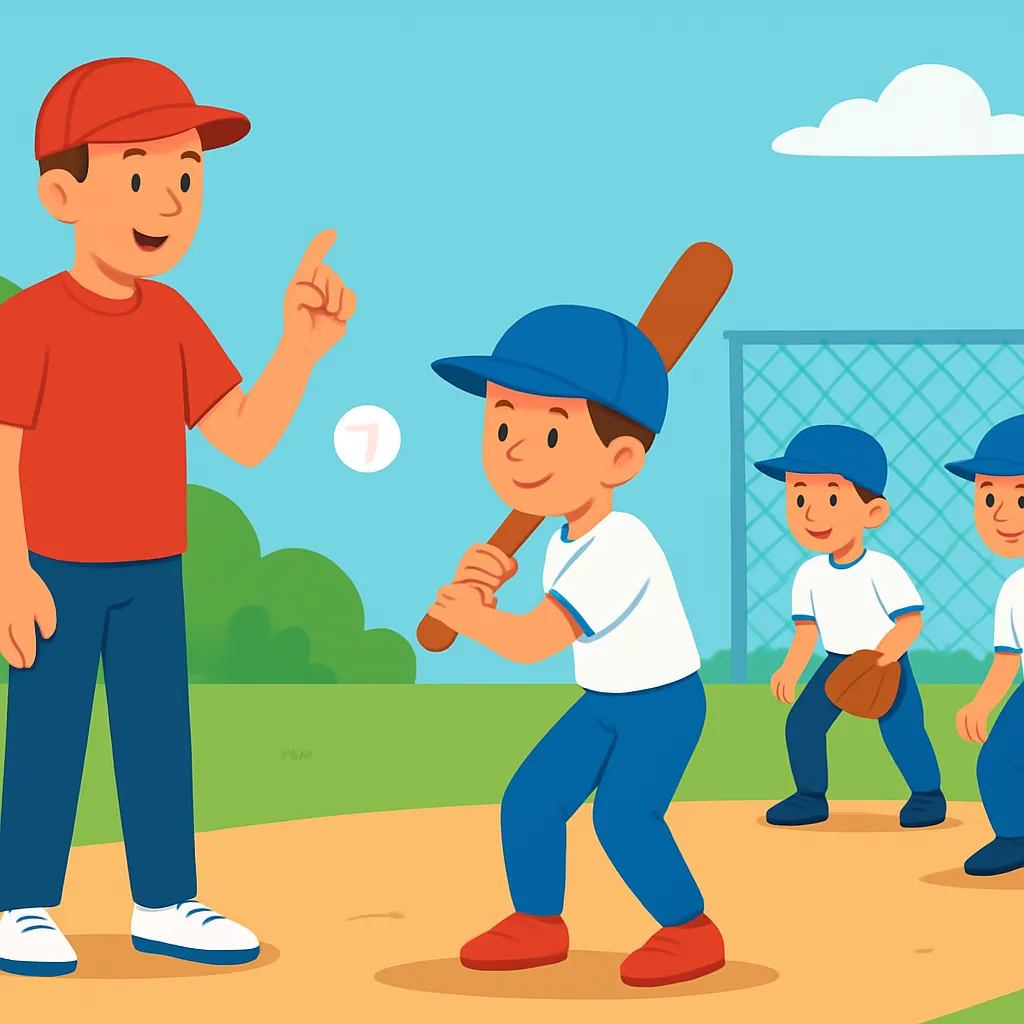
Coach Diaz has time for one practice drill before the game. The team can practice batting or practice fielding, but not both. They practice batting. What is the team's opportunity cost?
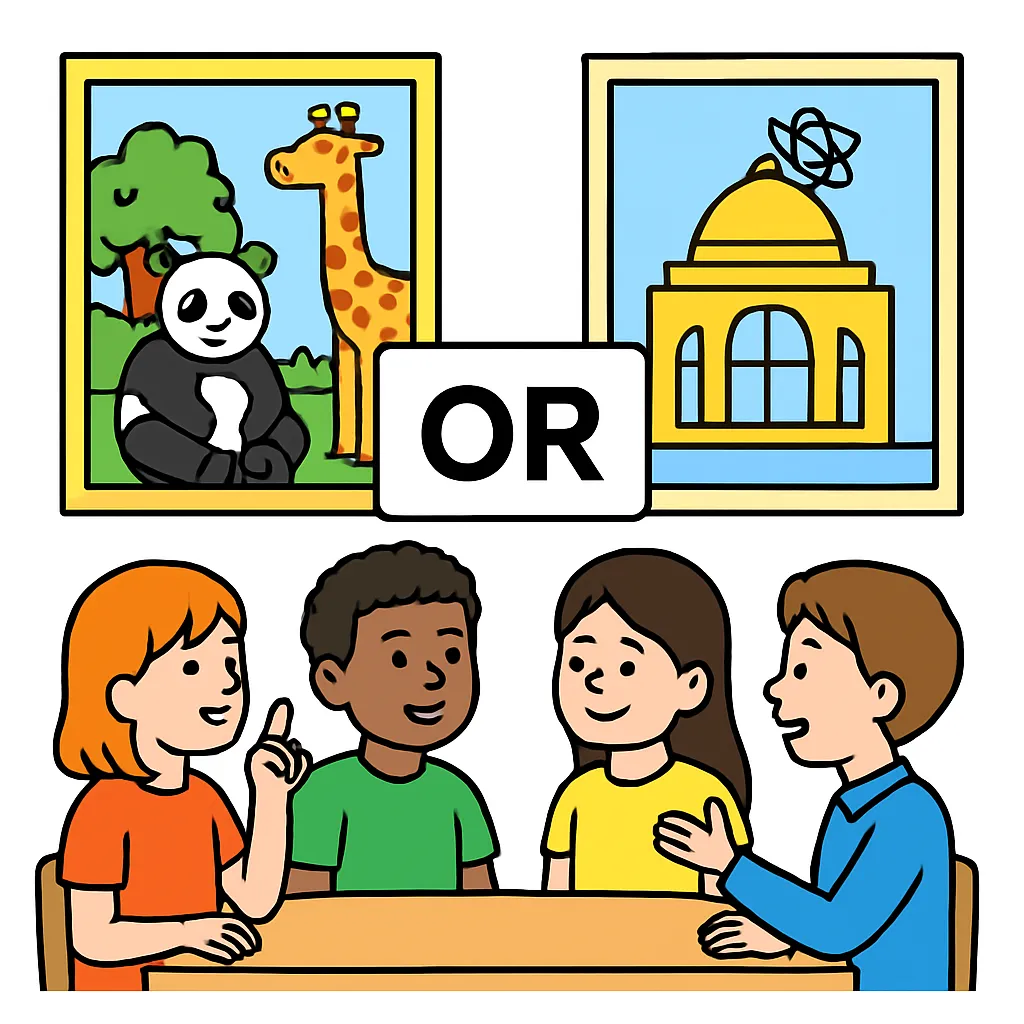
Ben's class has one free afternoon. They want to visit the zoo and they want to visit the science museum, but they cannot do both. Why must the class pick just one?
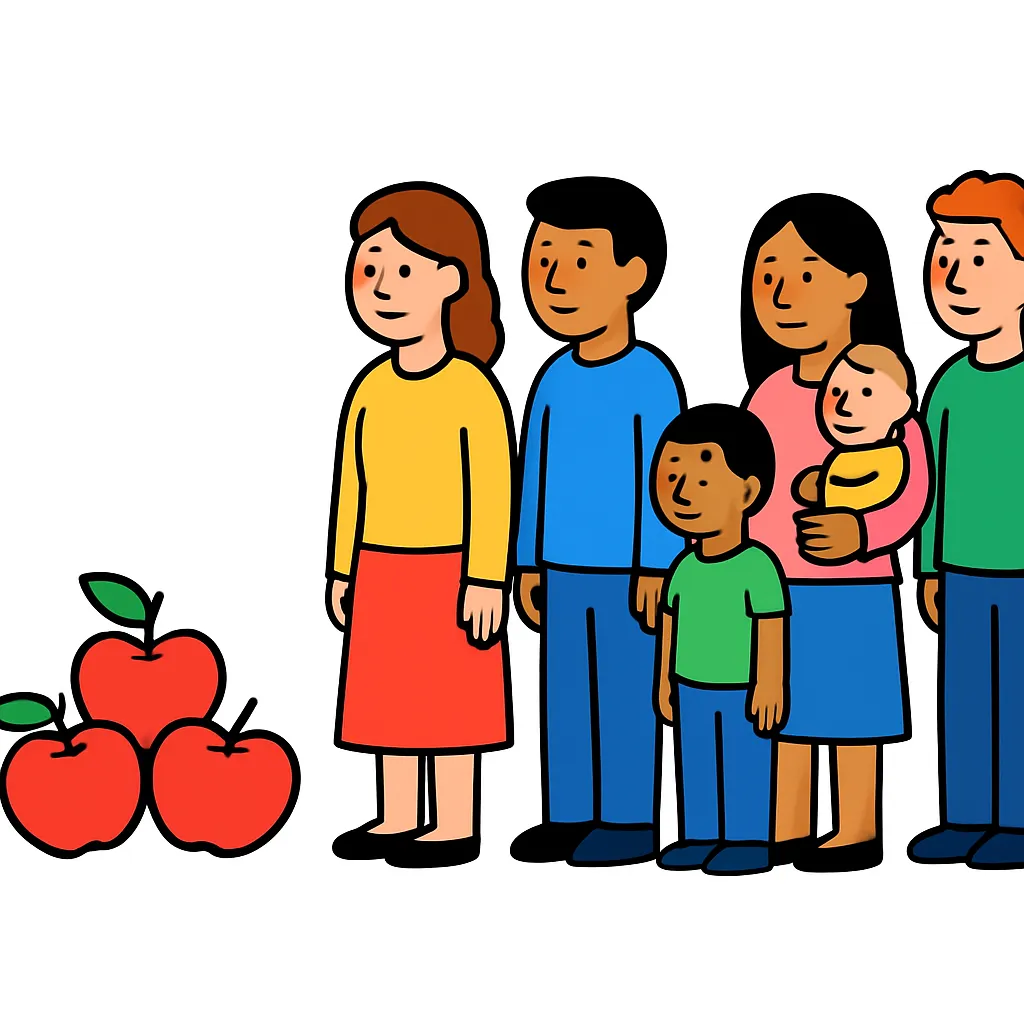
A town has only enough apples to fill ten baskets, but families want twenty baskets. This is an example of ______.
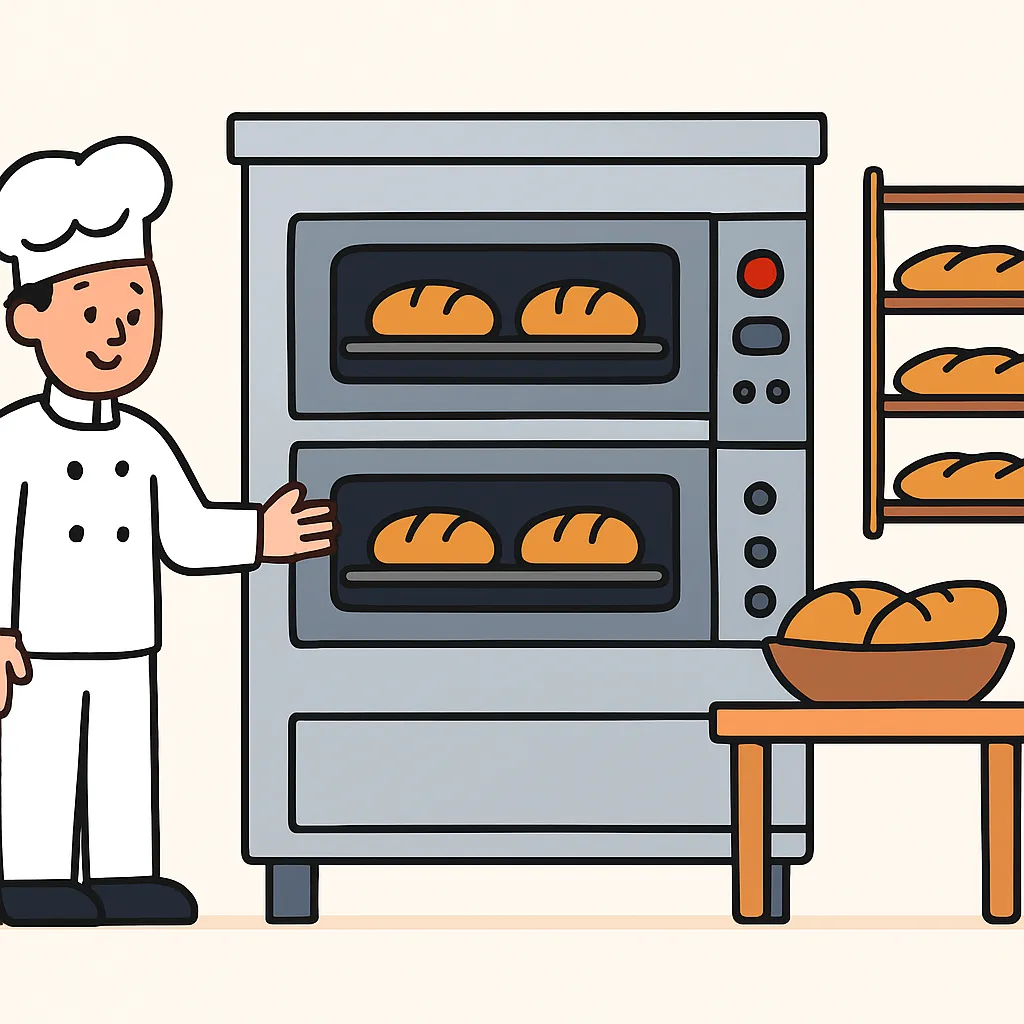
Mr. Ruiz has one hour before the bakery opens. He can bake bread or he can bake muffins, but he cannot bake both. He bakes the bread. What did Mr. Ruiz give up?
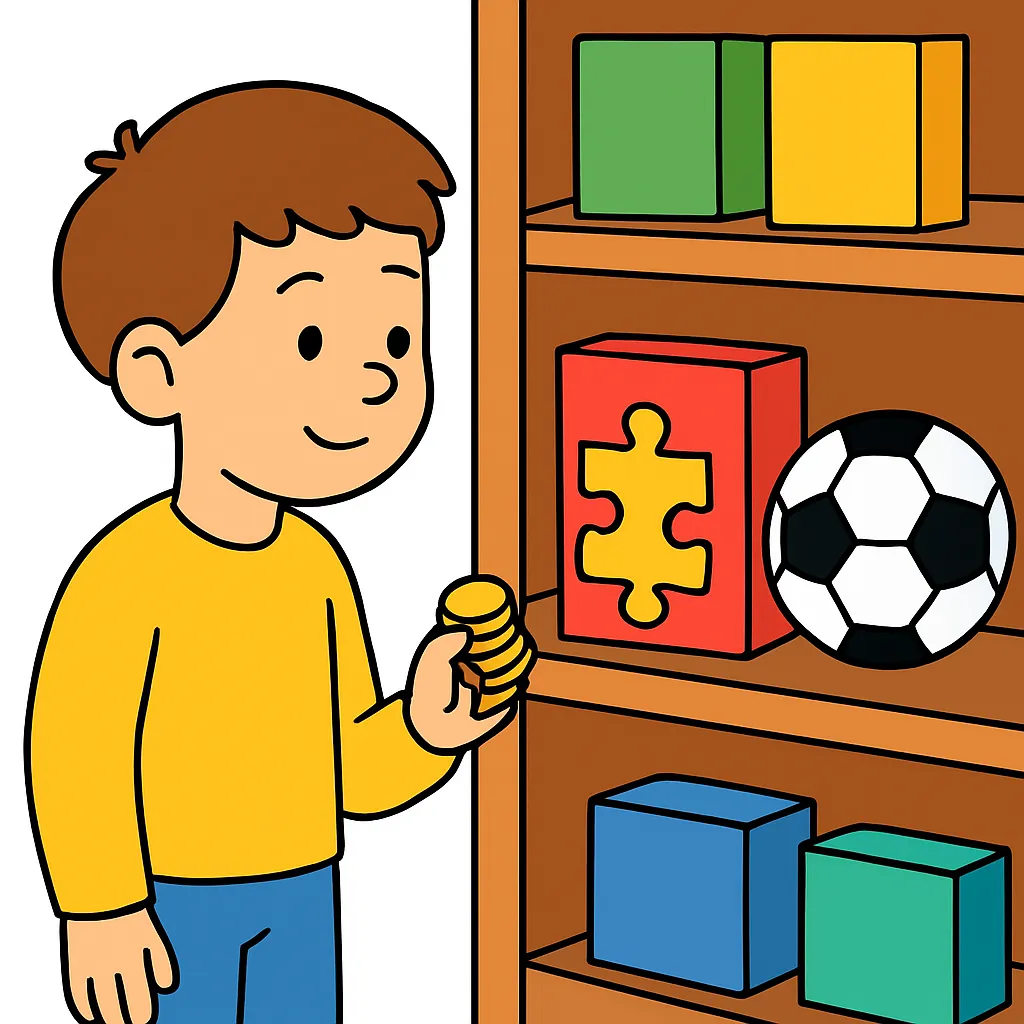
Leo had ten dollars. He could buy a puzzle or a soccer ball, but not both. His opportunity cost was the puzzle. Which one did Leo buy?
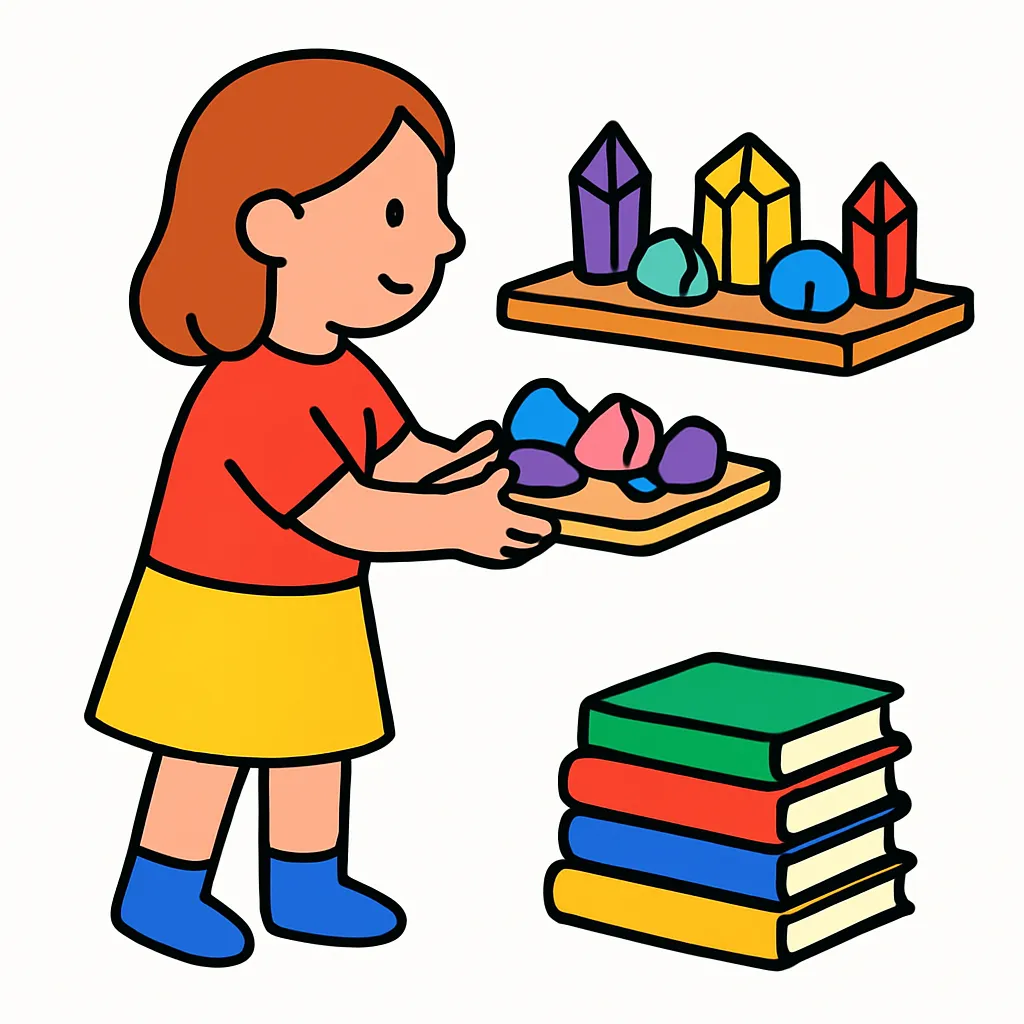
Maya has one empty shelf in her room. She can put her books on it or her rock collection on it, but not both. She puts up the rock collection. What is Maya's opportunity cost?
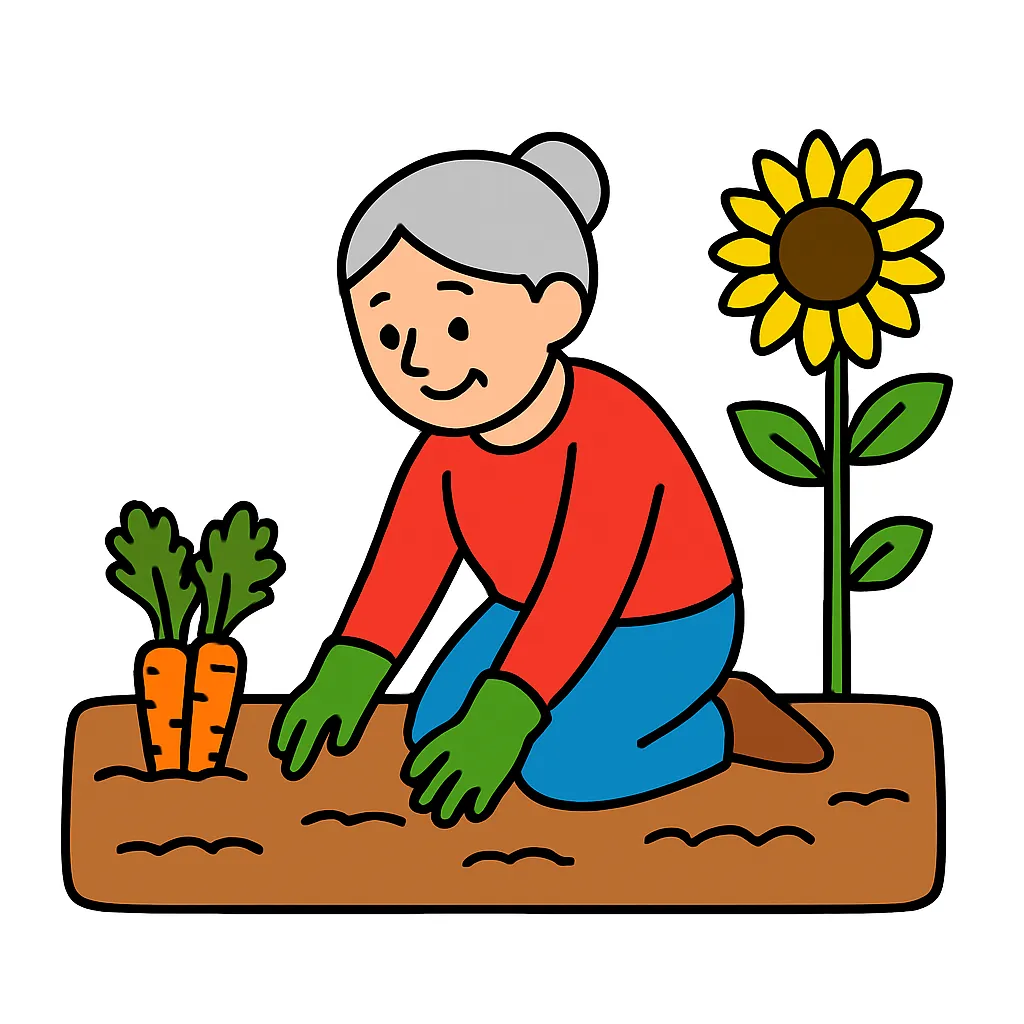
Grandma has one empty row in her garden. She can plant carrots or she can plant sunflowers, but not both. She plants the carrots. What did Grandma give up?
Everyone faces scarcity, even people who have a lot of money.
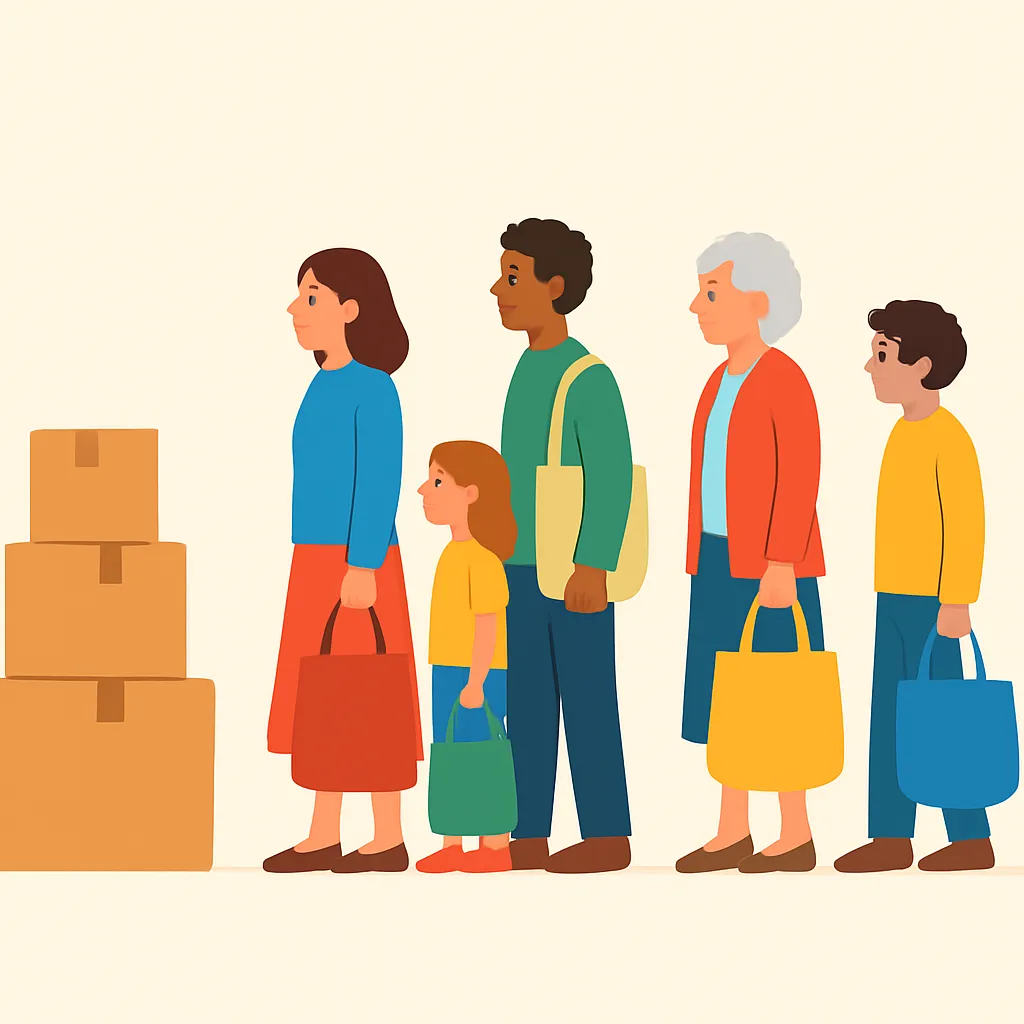
What does it mean when a good is scarce?
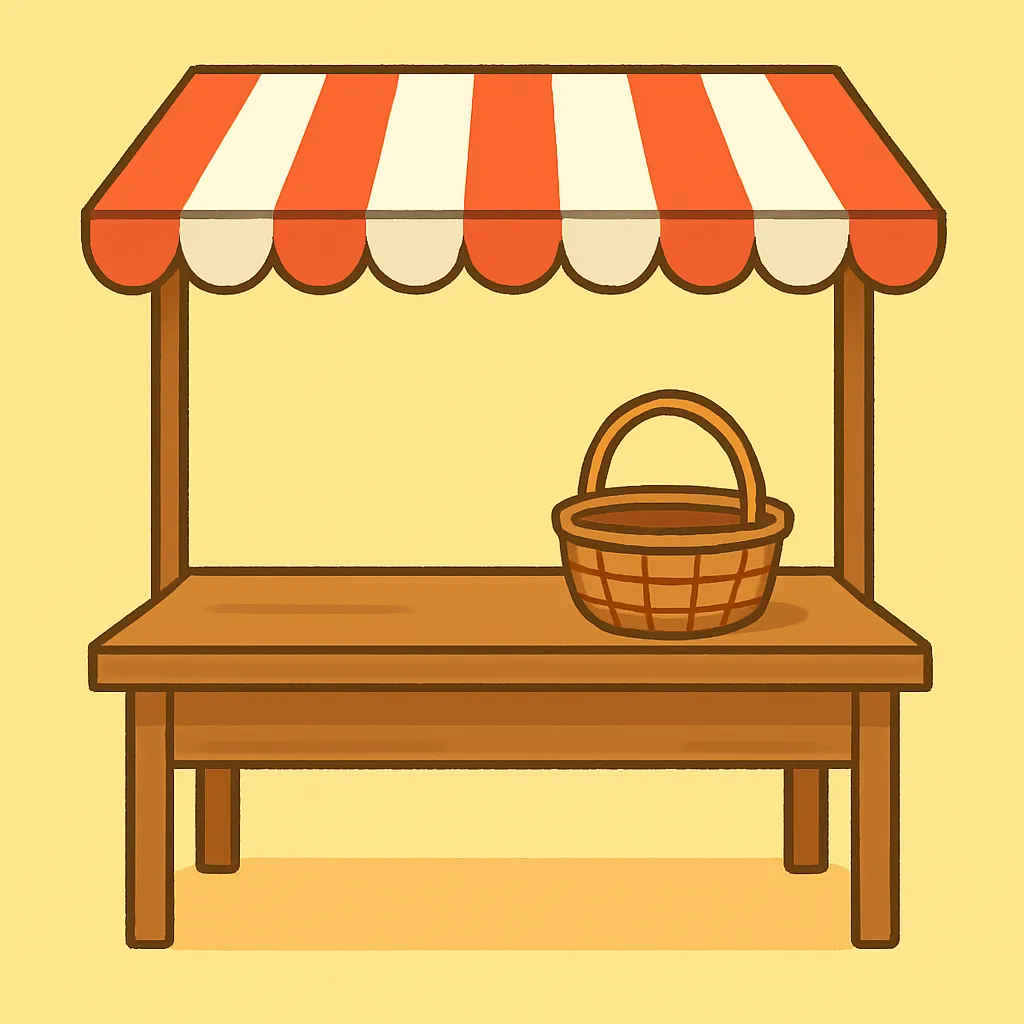
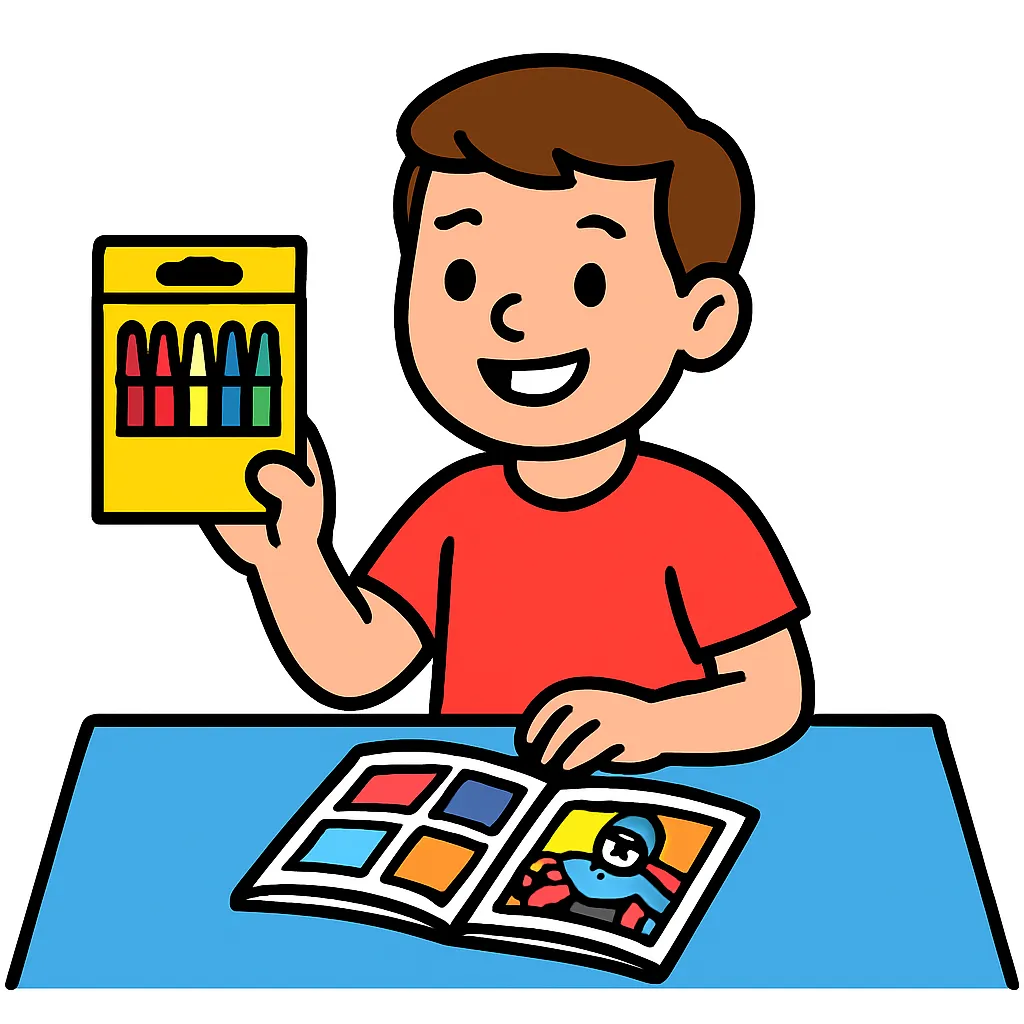
Noah has eight dollars at the book fair. He can buy a comic book or a box of crayons, but not both. He buys the crayons. What did Noah give up?
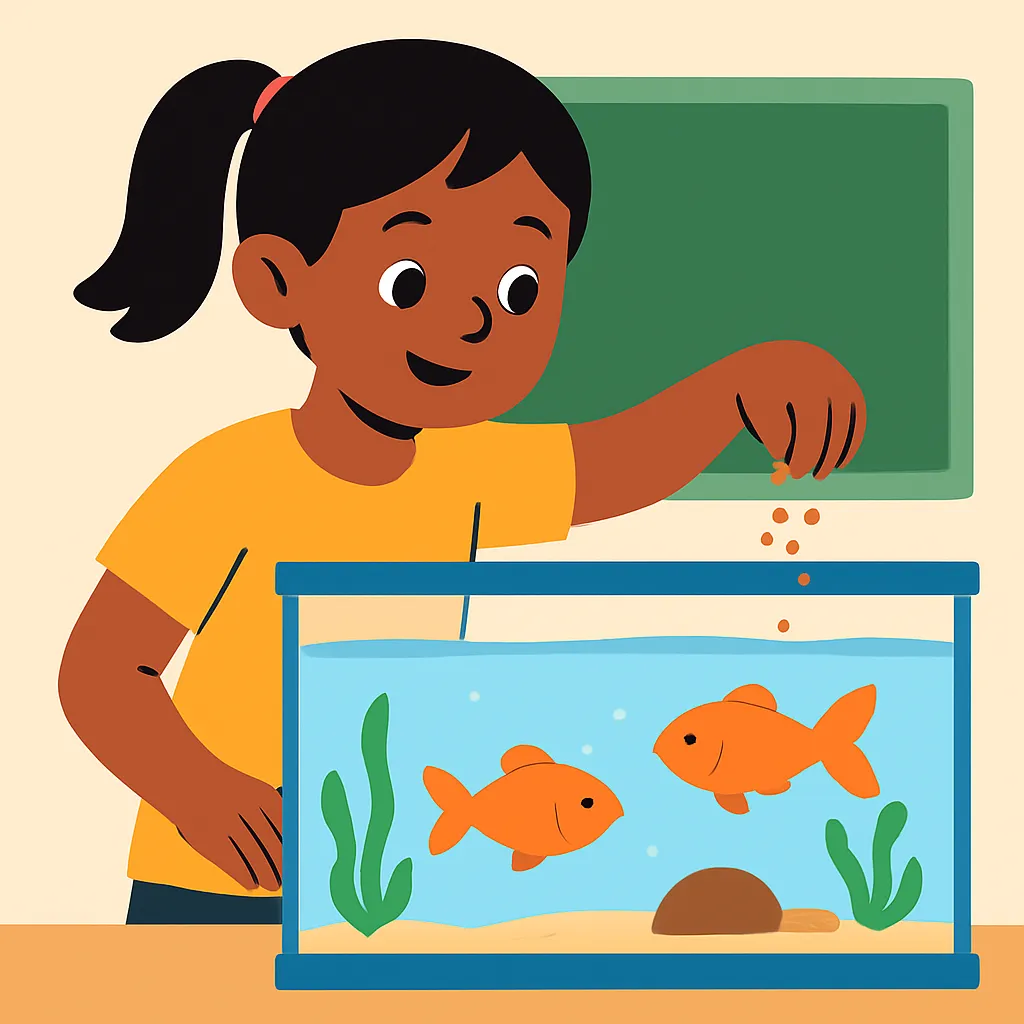
Jade has twenty minutes before the bus comes, enough for only one job. She can read her library book or feed the class fish, and she feeds the fish. What is Jade's opportunity cost?
What do we call the thing a person gives up when making a choice?
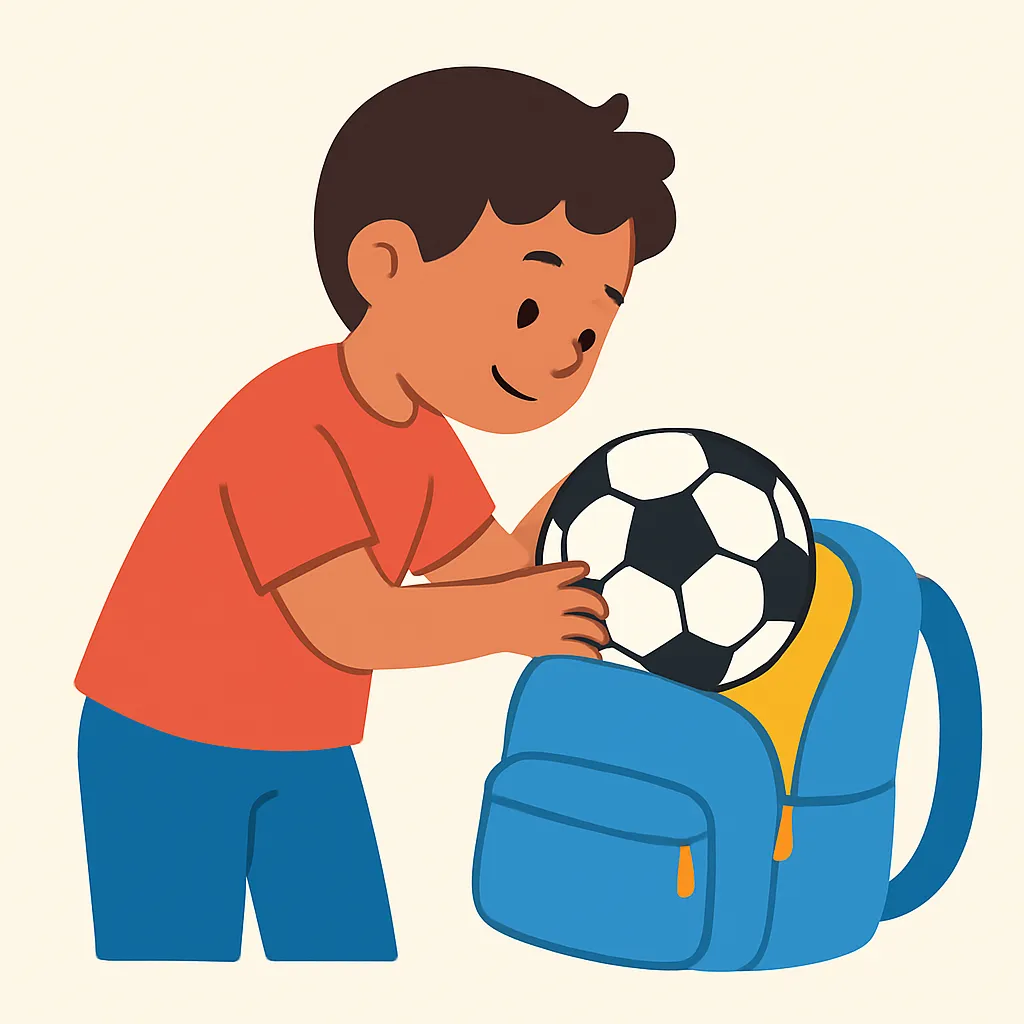
Owen has one empty spot left in his backpack. He can pack his soccer ball or his art box, but not both. He packs the soccer ball. What did Owen give up?
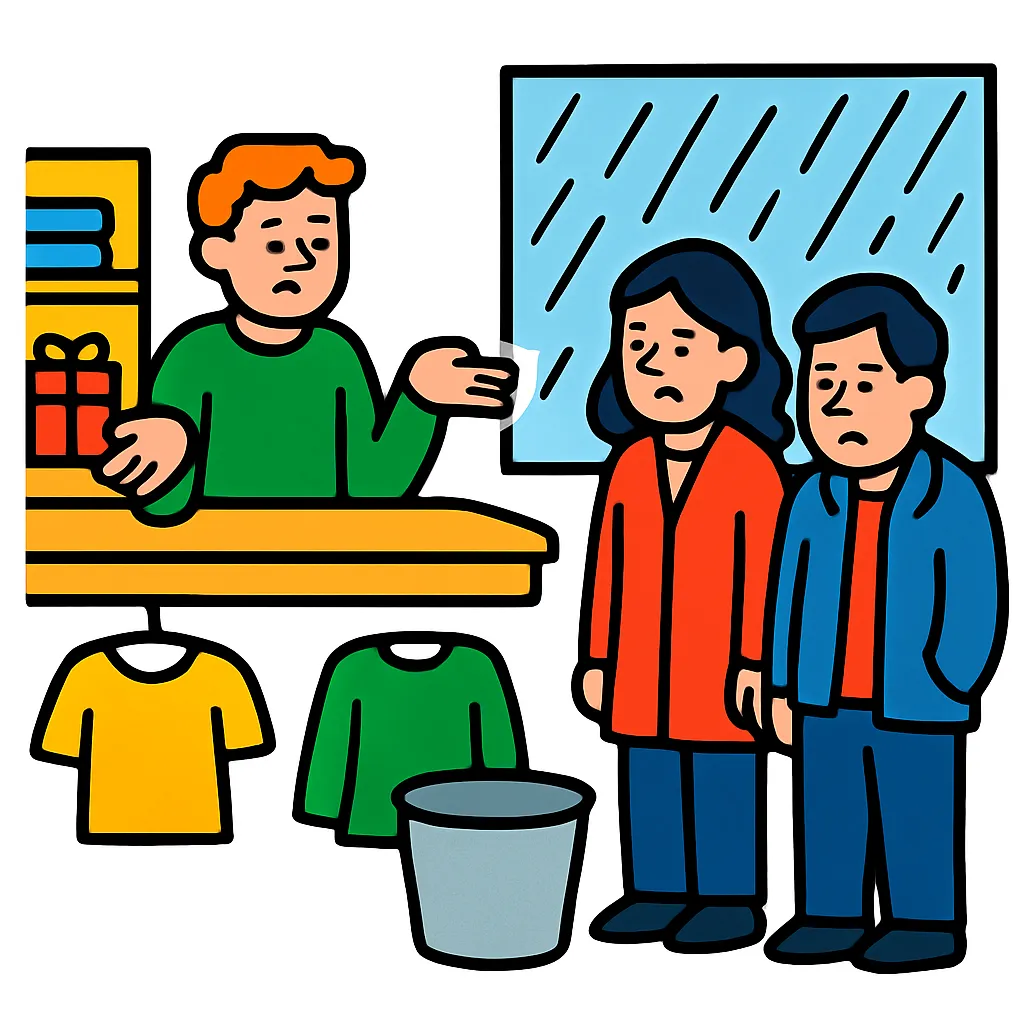
A store sells out of umbrellas on a rainy day. This is an example of scarcity.
Riley has one sheet of poster board. She can make a book cover or a math poster with it, but not both. She makes the math poster. What is Riley's opportunity cost?
A toy store has more yo-yos than shoppers want to buy. The yo-yos are scarce.
The class van has one empty seat left. Mr. Diaz can take Ella or Sam to the museum, and he takes Ella. What did Mr. Diaz give up?
Leo has four dollars at the school store. He can buy a water bottle or a notebook, but not both. He buys the notebook. What is Leo's opportunity cost?

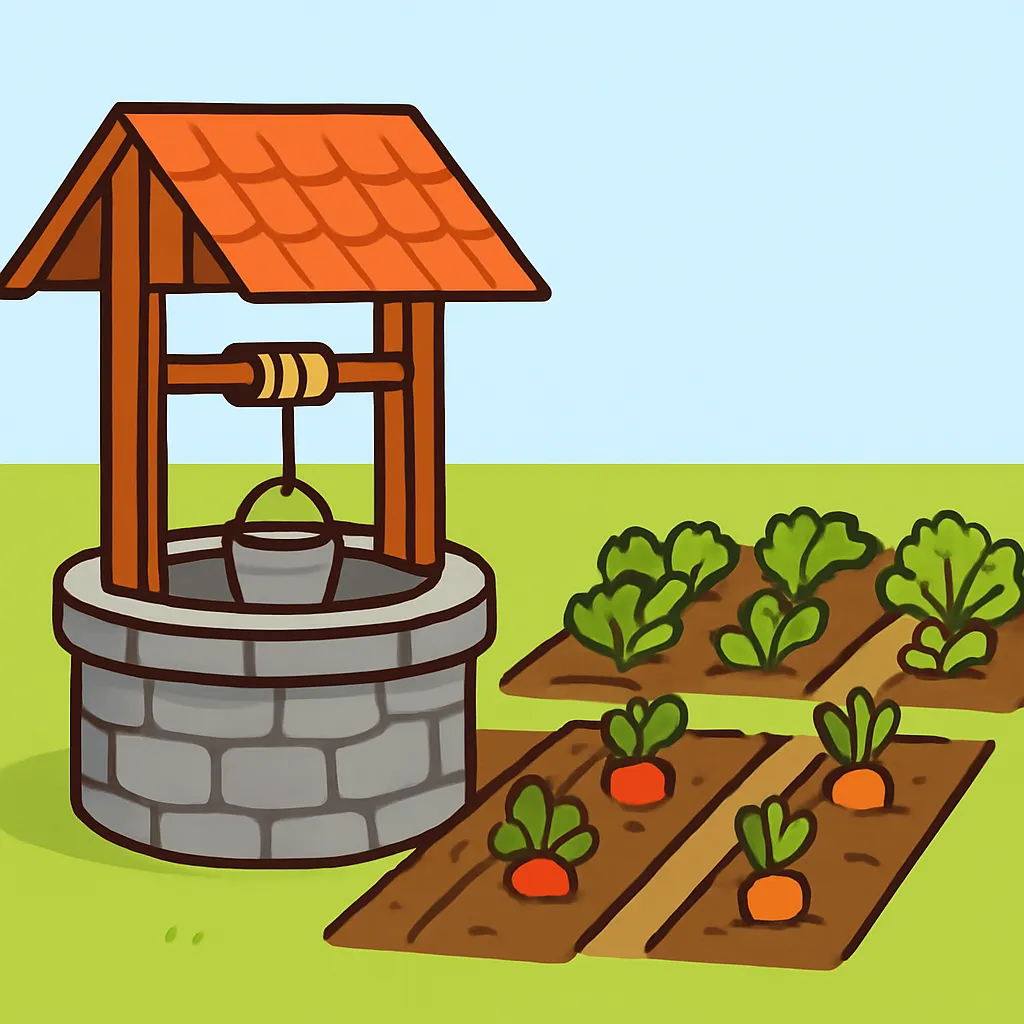
A town's well can water only half the gardens people want to plant. What does this show?
Priya has one recess period. She can play tag or finish her drawing, but she cannot do both. She plays tag. What did Priya give up?

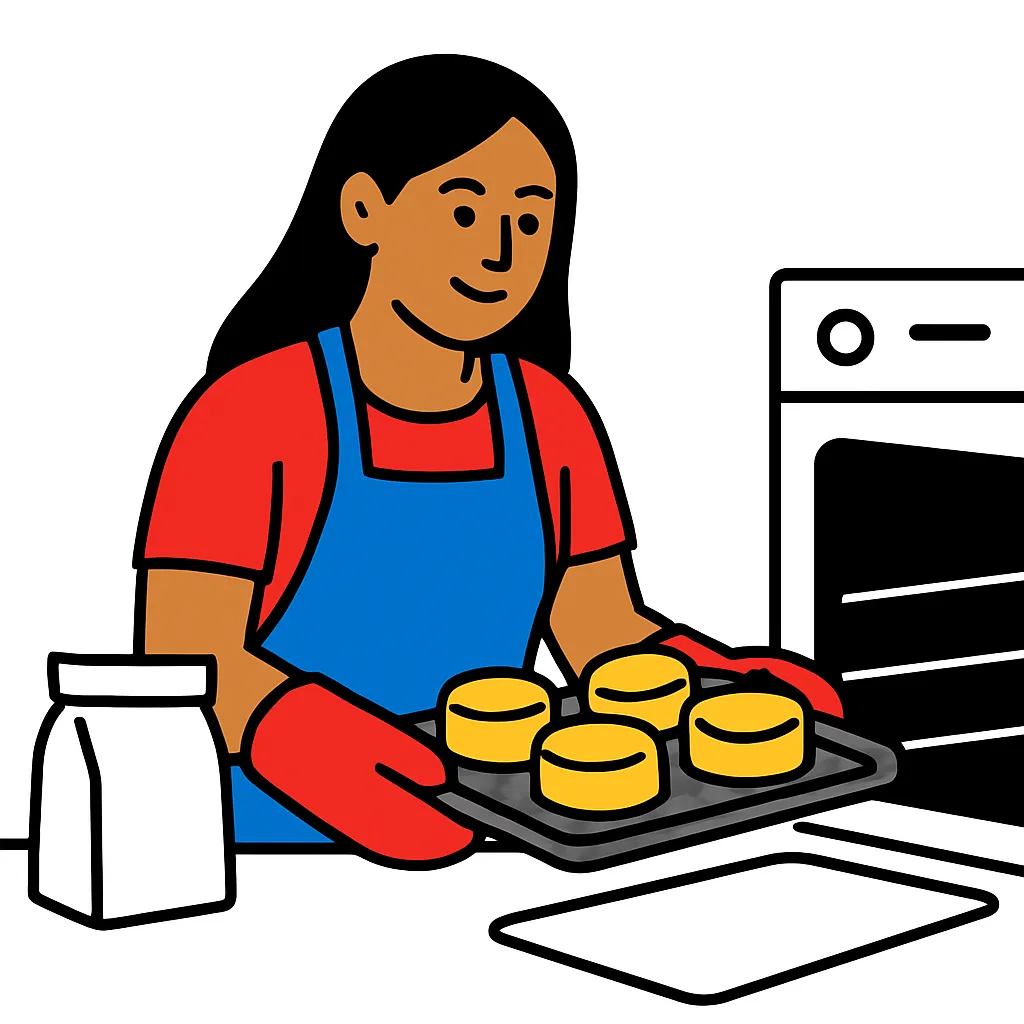
Mrs. Kim has one cup of flour left. She can make pancakes or biscuits with it, but not both. She makes the biscuits. What is Mrs. Kim's opportunity cost?
Opportunity cost is the money a person still has after buying something.
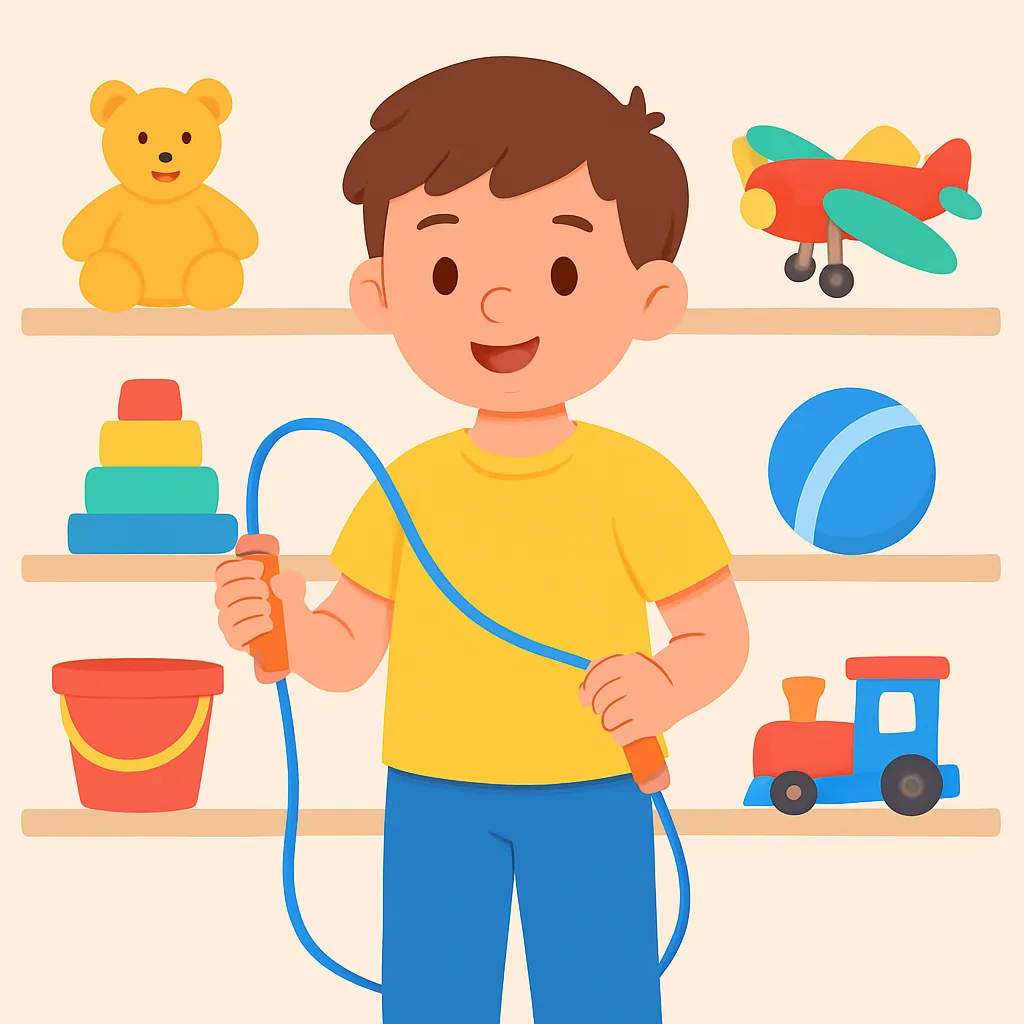
Amir has twelve dollars for a gift. He can buy a puzzle or a jump rope, but not both. He buys the jump rope. What did Amir give up?
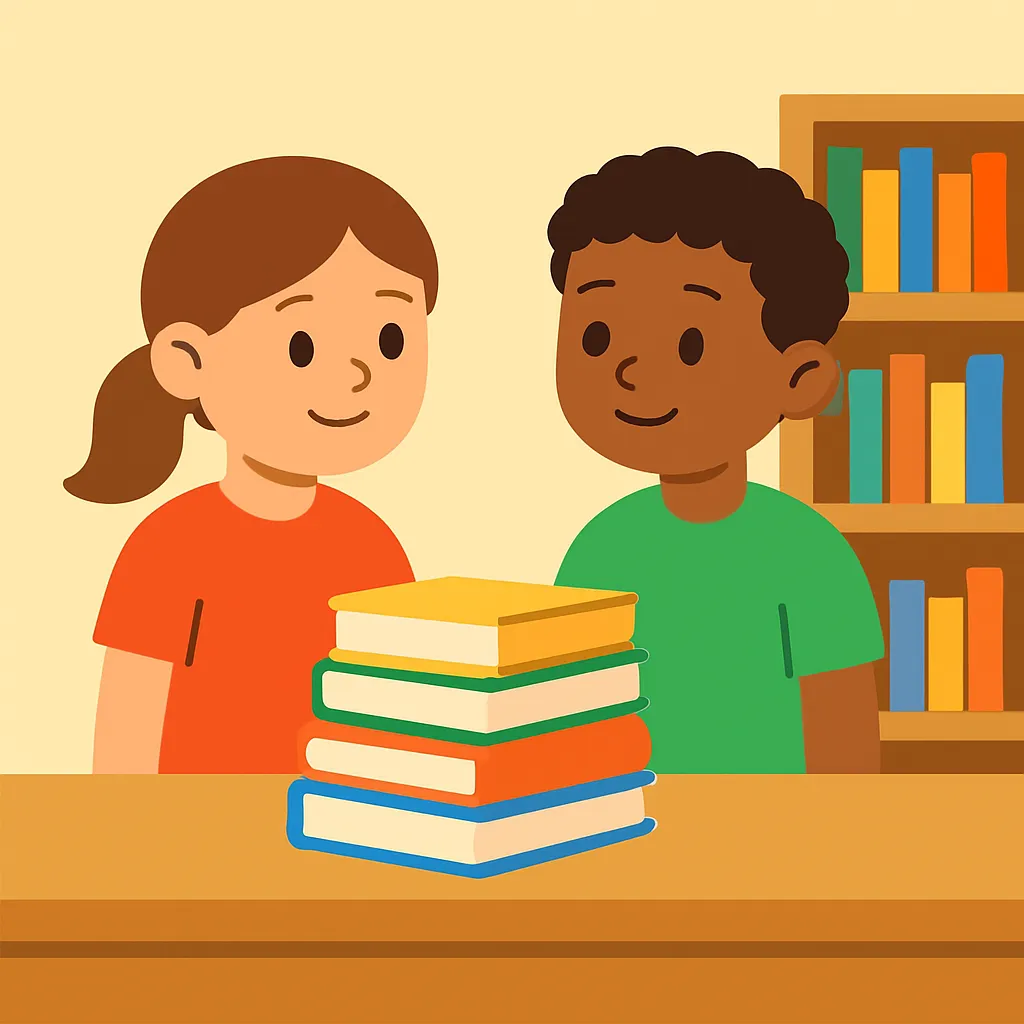
The school library has five copies of a new book, and twenty-five students want it. Why can only some students read it this week?
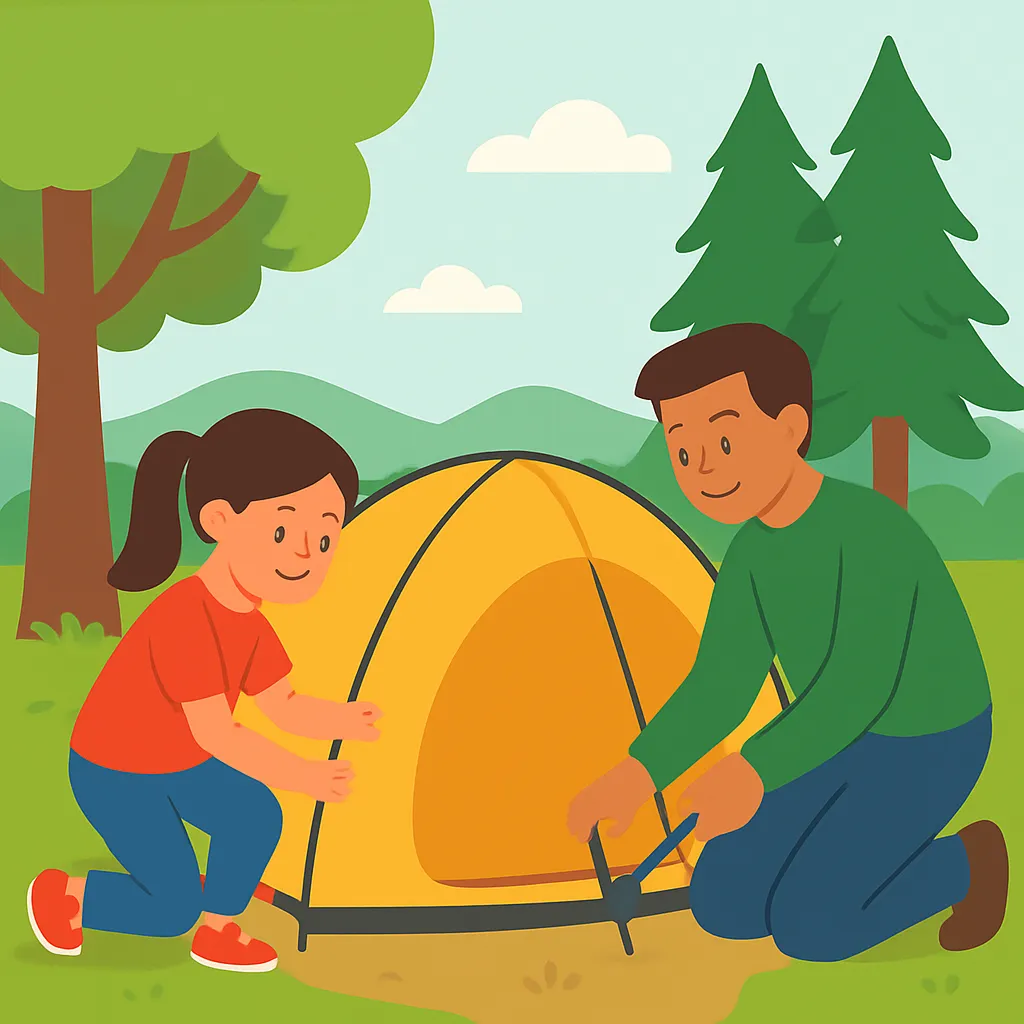
Nina has one free Saturday. She can help at the animal shelter or go camping with her uncle, but she cannot do both. She goes camping. What is Nina's opportunity cost?
Time can be scarce, because a day holds only so many hours.
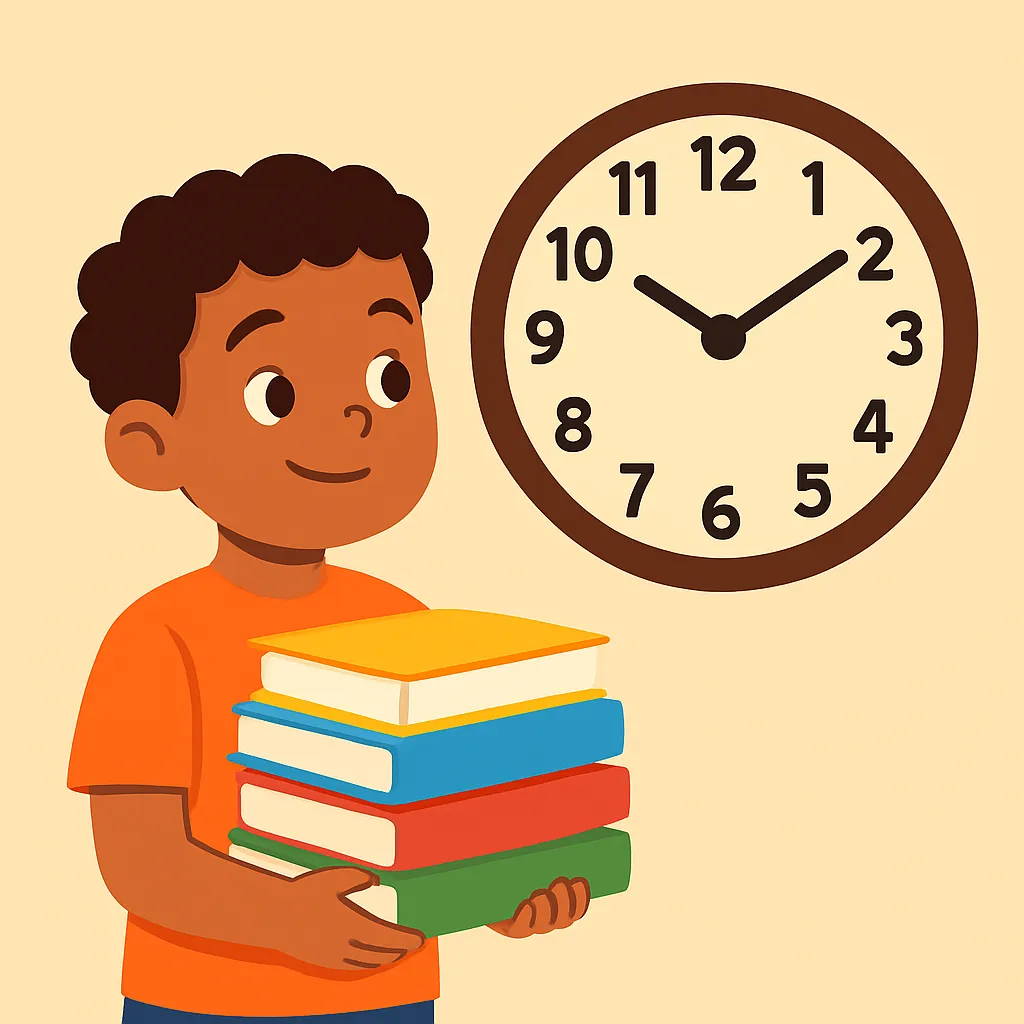
The toy shelf has one battery left. Dev can use it in his flashlight or in his race car, but not both. He uses it in the flashlight. What did Dev give up?
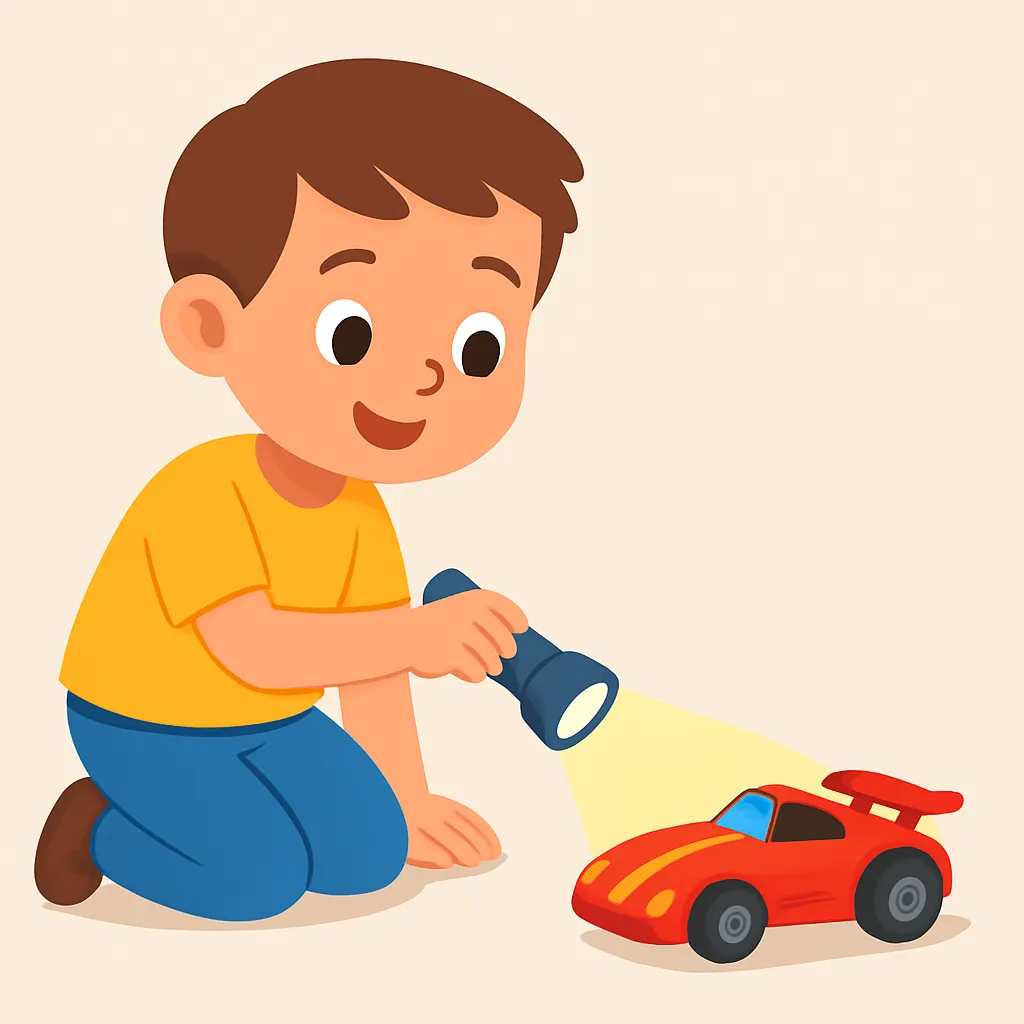
Ms. Ortiz has one ball of yarn. She can knit a hat or a scarf with it, but not both. She knits the hat. What is Ms. Ortiz's opportunity cost?
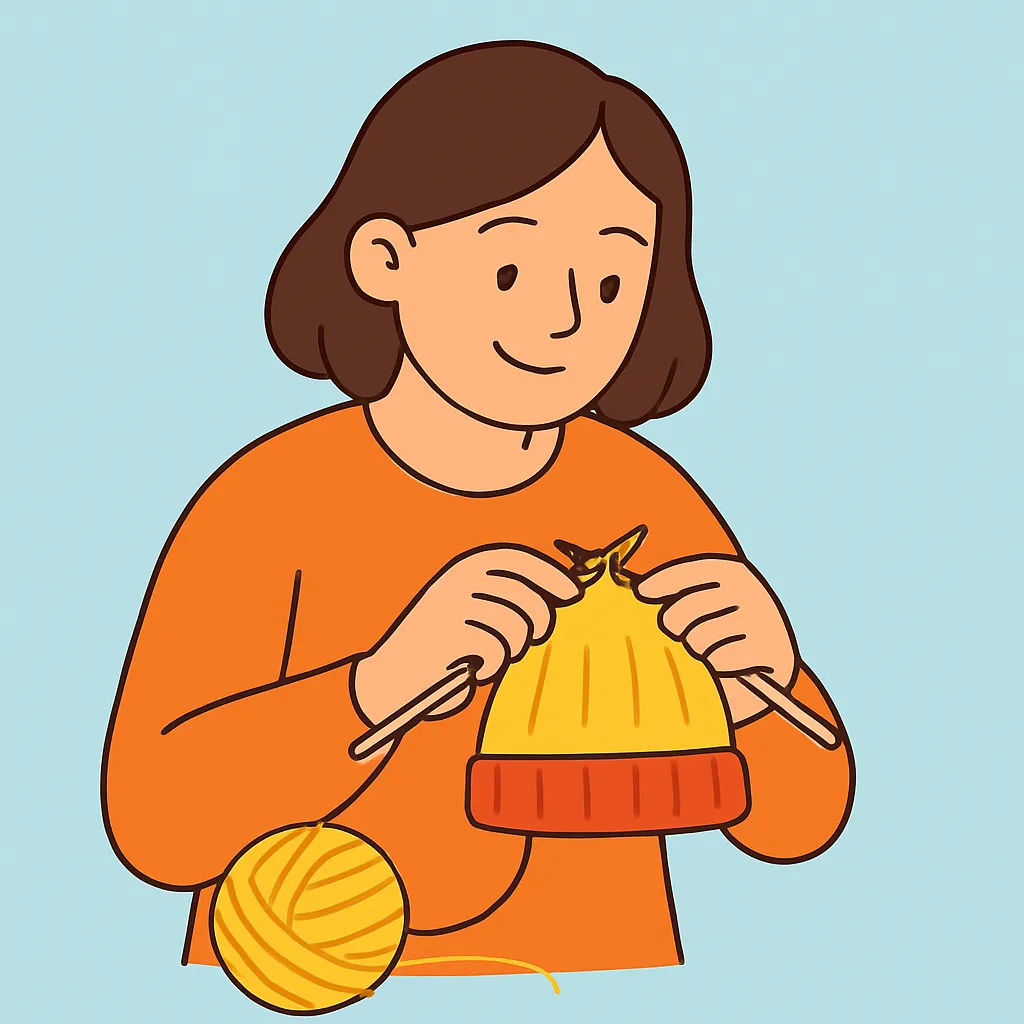
Ms. Patel's class has only one basketball for recess, and many children want to play. What does the class have?

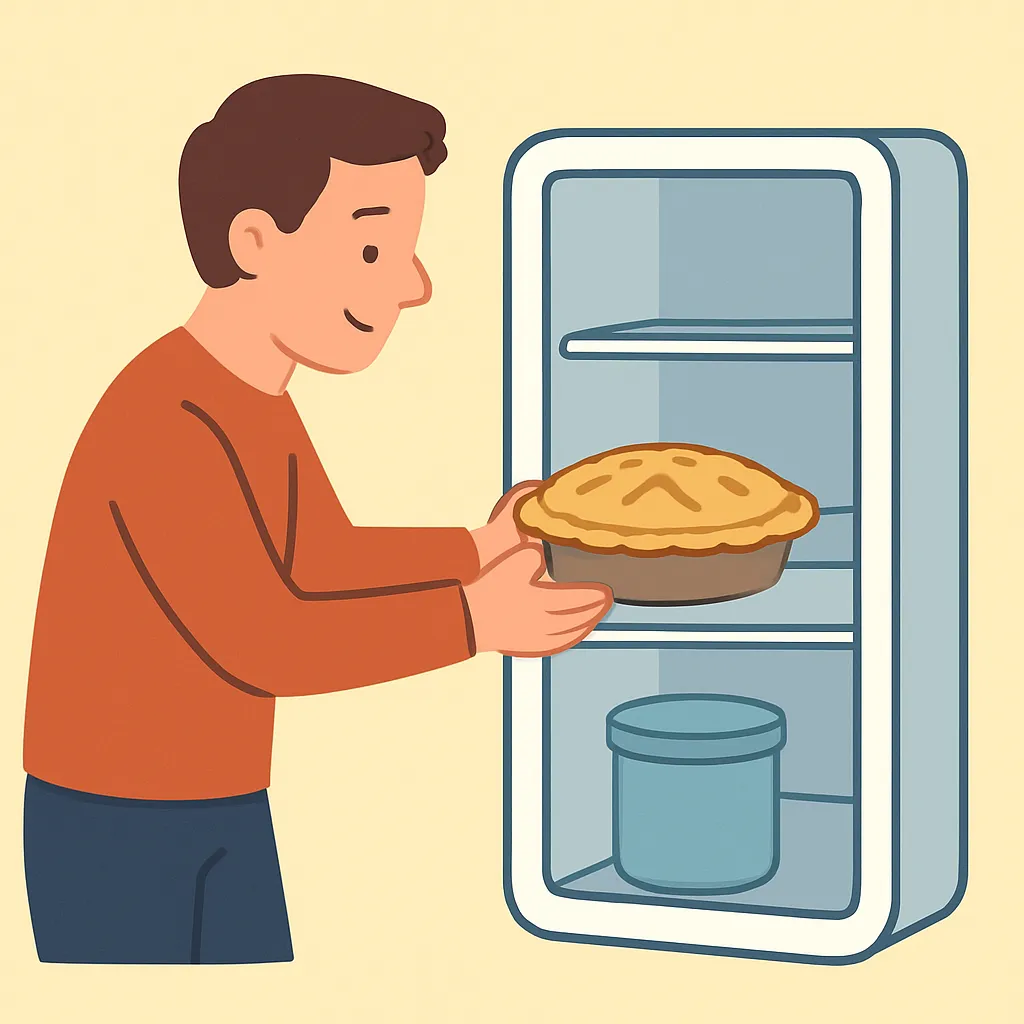
There is room for one dish on the top shelf of the fridge. Dad can put the pie or the salad there, but not both. He puts the pie. What did Dad give up?
Only one ticket is left for the puppet show. Grandpa can take Maya or Theo, and he takes Theo. What is Grandpa's opportunity cost?
Hana has six dollars at the movie theater. She can buy popcorn or a fruit cup, but not both. She buys the popcorn. What did Hana give up?

Which statement about making choices is true?
Marcus is allowed one hour of screen time. He can watch a nature show or play a video game, but not both. He watches the nature show. What is Marcus's opportunity cost?

The class terrarium has room for one animal. They can keep a turtle or a frog, but not both. They keep the frog. What did the class give up?
Sofia has ten dollars. A kite and a board game each cost ten dollars, and she buys the kite. What is Sofia's opportunity cost?

A farmer's field can grow only one crop this season. What must the farmer do?
Crack the passcode before the zombies get in.
Answer, then swat bugs for bonus points.
Race through questions at your own speed.
Same question on every screen. Fastest wins.

Pick a tile, answer, hit bonuses and steals.
Goods and Services
40 questions