Loading
Questions on when changing magnetic fields induce current and what sets direction and size.
#physics
30 questions
One question set, multiple game modes. Tap any game to see it in action. Not sure which to pick?
Answer to place stones and capture territory.
Outrun the snow together.
Earn blasts, then hunt the other team.
Answer to earn energy, then climb.

The class blasts through walls together.
Bid on mystery lots. Most money wins.
Sell tours. Nice, standard, or a total scam.

Answer, restock, and serve the rush.
More correct answers pulls the rope your way.
Answer, then shoot down the alien wave.
Answer, then tap to leap the frozen ridge.
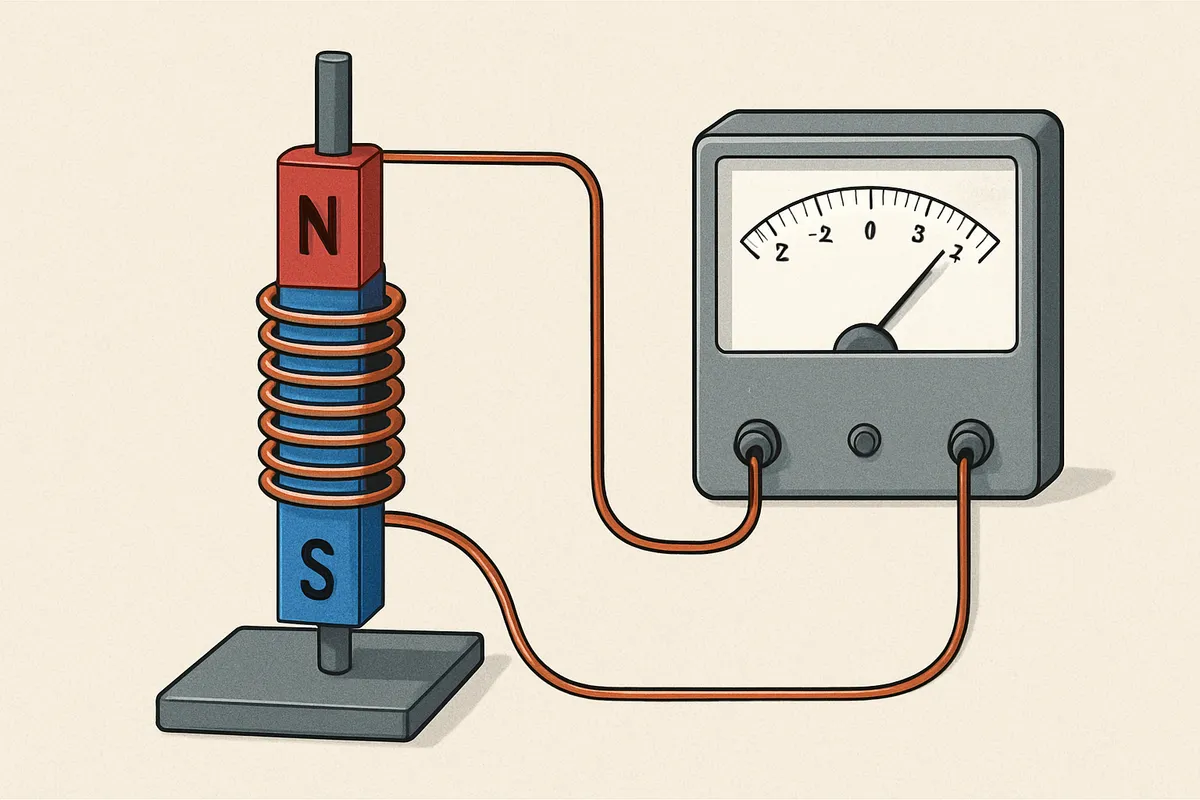
Use the figure: a north pole moves toward the coil's left end. The meter is wired so a north pole induced at the facing end deflects right and a south pole deflects left. What happens while it moves?
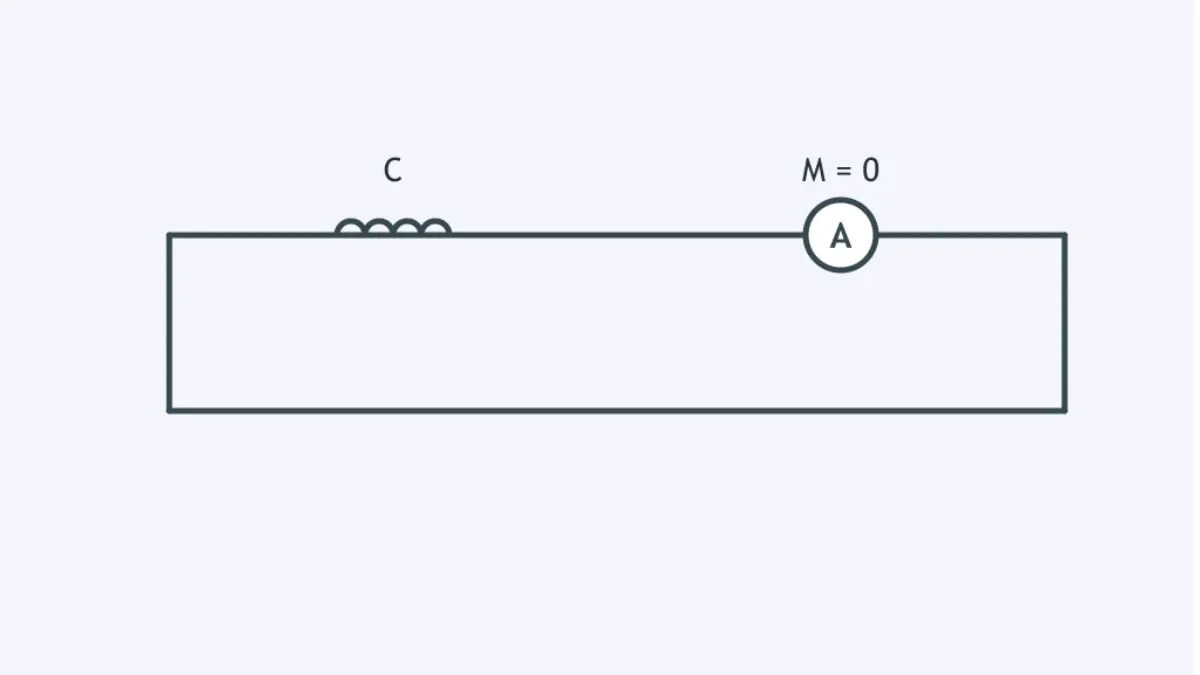
Use the figure: a north pole is pulled away from the coil's left end. The meter deflects right for an induced north pole at the facing end and left for an induced south pole. What does the induced current do while the magnet is moving away?
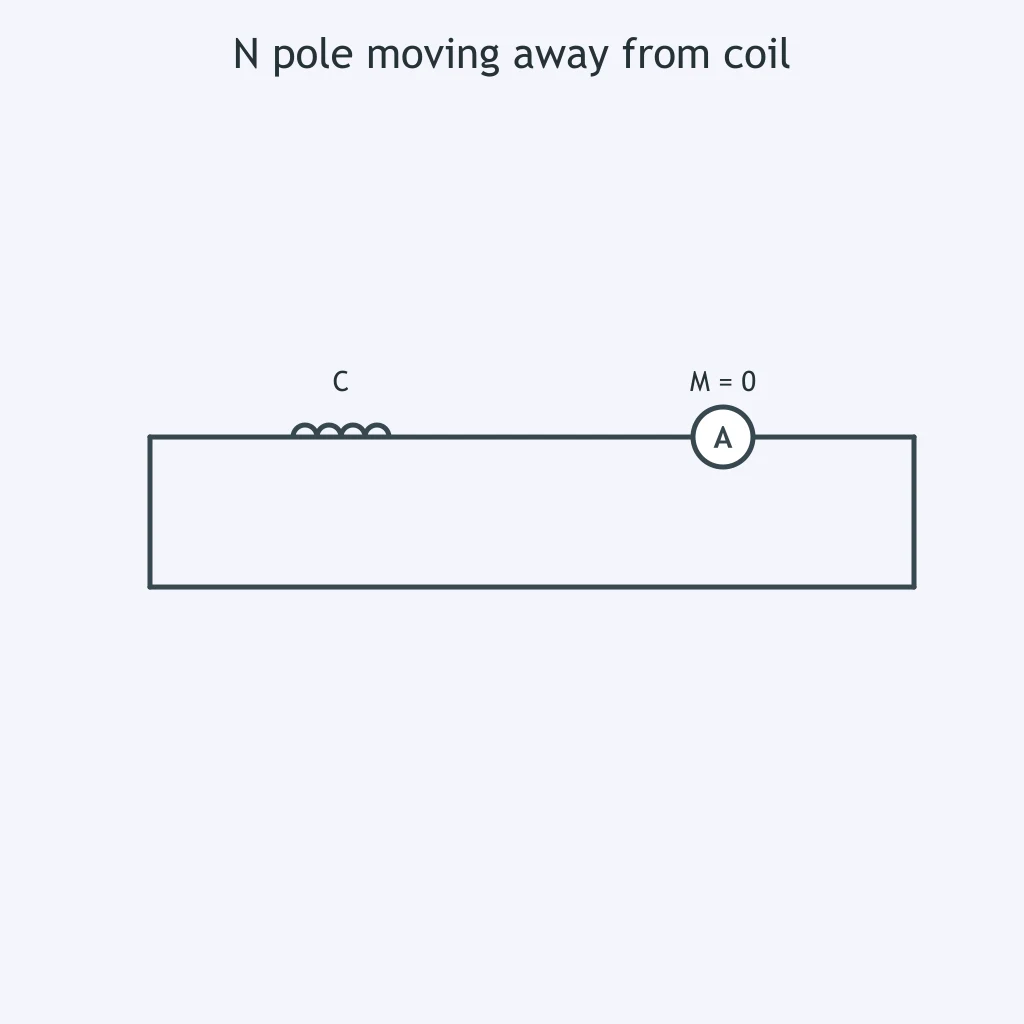
Use the figure: a south pole moves toward the coil's left end. The meter deflects right for an induced north pole at the facing end and left for an induced south pole. What happens?
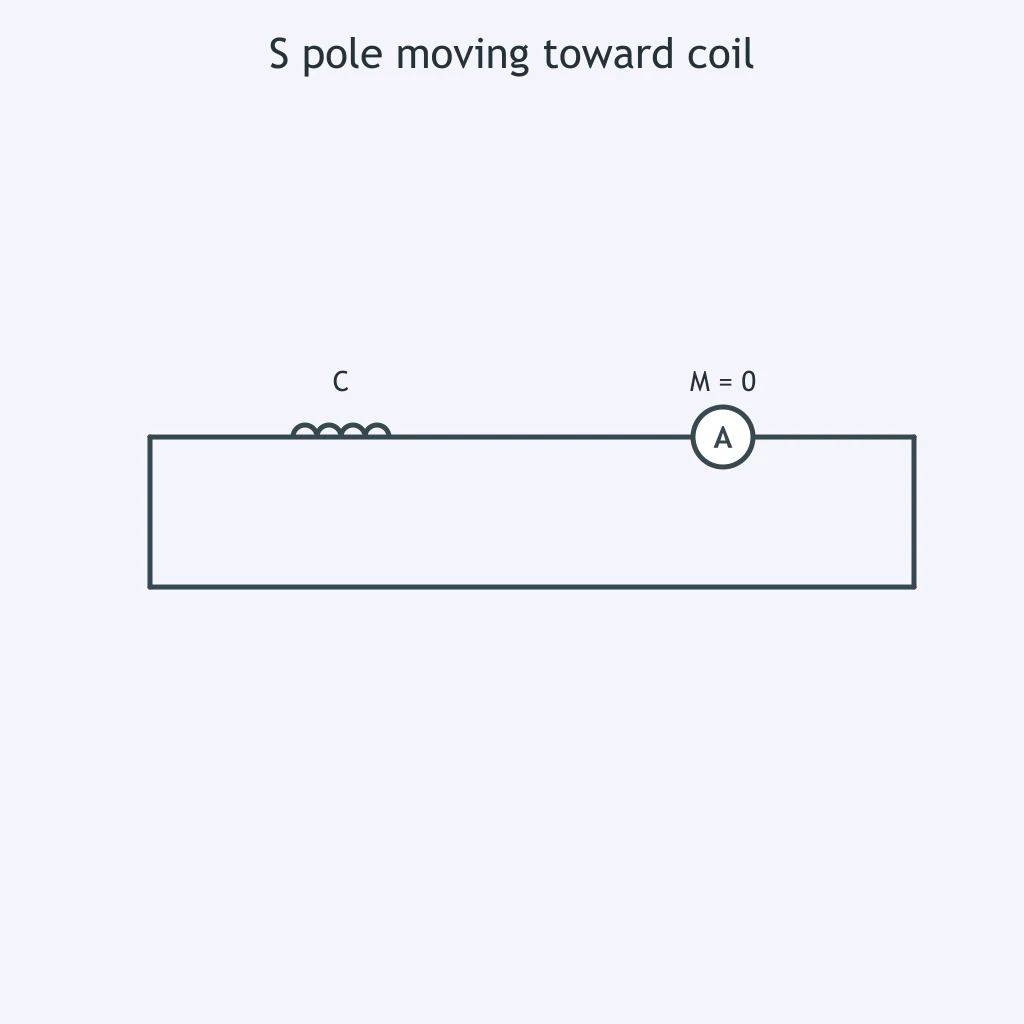
Use the figure: a south pole is on the right side of the coil and is pulled farther right, away from the coil's right end. The meter deflects right for an induced north pole at the facing end and left for an induced south pole. What happens?
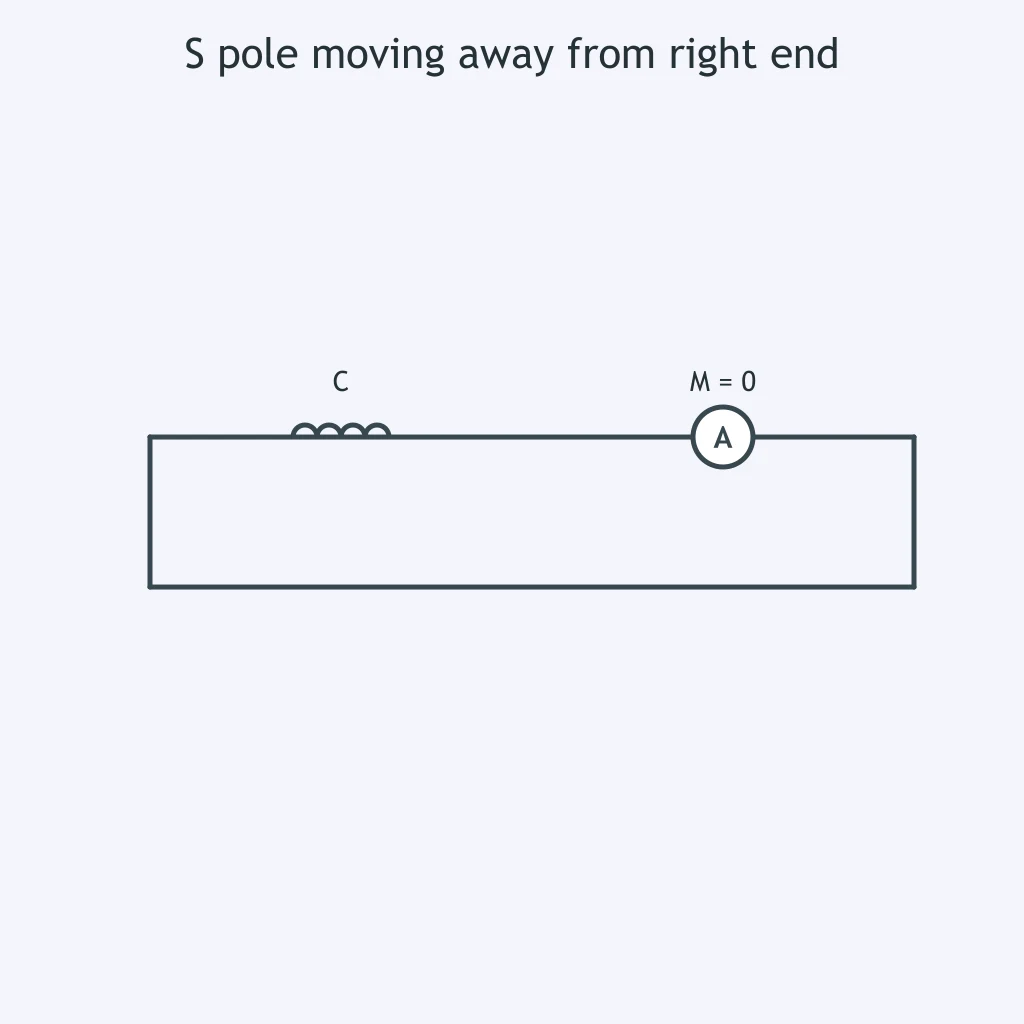
Use the figure: a north pole is held still inside the coil, and the coil is connected to a center-zero meter. What does the meter read after the magnet has stopped?
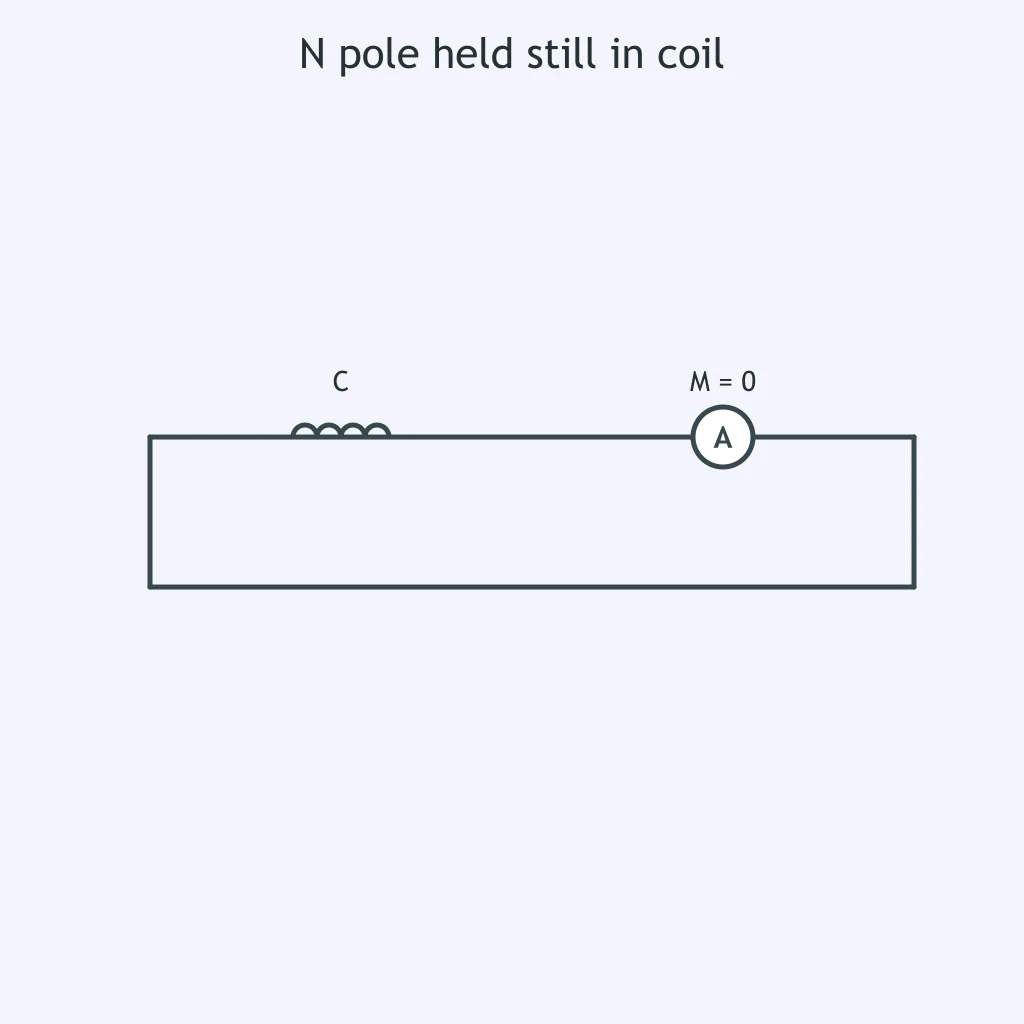
Use the figure: the coil is pulled left toward a stationary north pole facing the coil's left end. The meter deflects right for an induced north pole at the facing end. What happens?
Use the figure: a magnet and coil move right together at 0.30 m/s, keeping the same separation. What does the center-zero meter read?
Use the figure: a north pole is on the right side of the coil and is pulled farther right, away from the coil's right end. The meter deflects right for an induced north pole at the facing end and left for an induced south pole. What happens?
Use the figure: a south pole is pulled out of the coil's left end and moves left. The meter deflects right for an induced north pole at the facing end. What happens?
Use the figure: a south pole moves toward the coil's right end. The meter deflects right for an induced north pole at the facing end and left for an induced south pole. What happens?
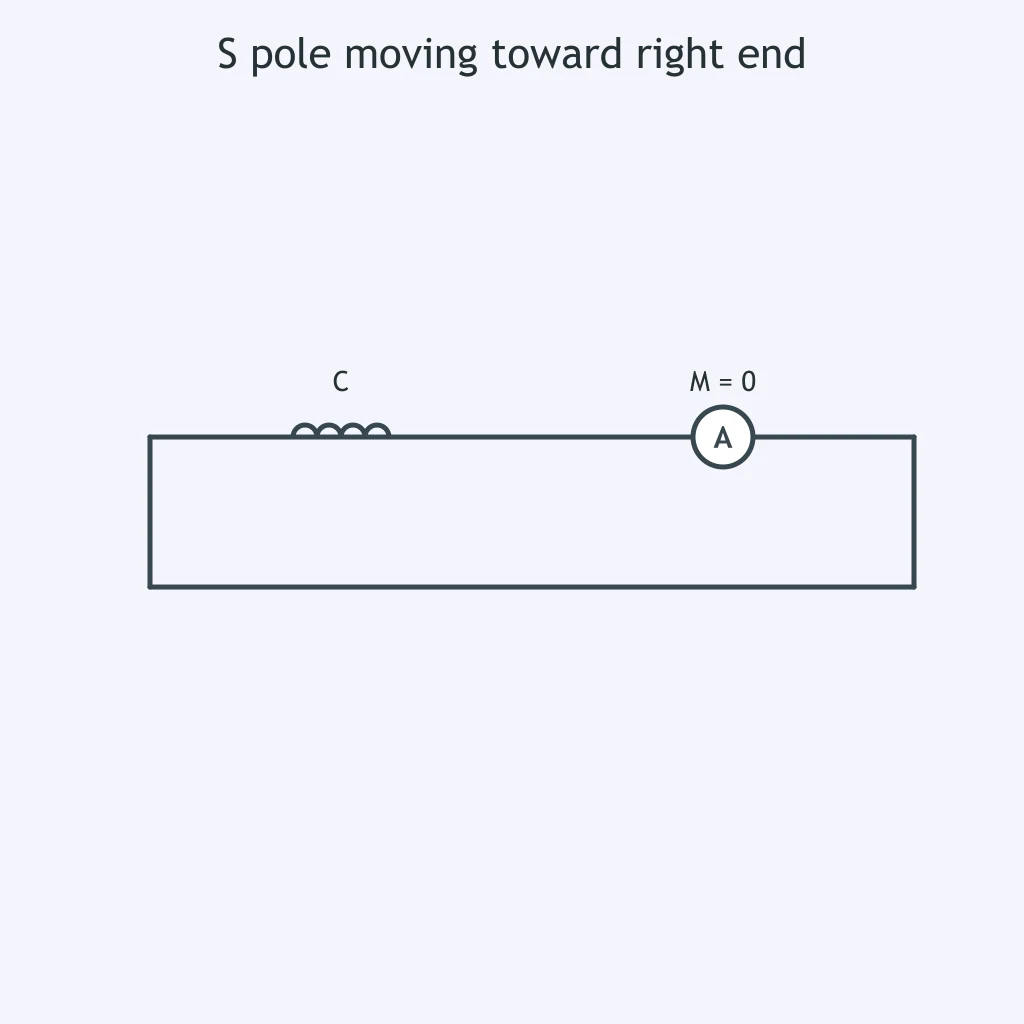
Use the figure comparing two setups: both use the same magnet moving toward identical coils at 0.20 m/s, but Setup 1 has 20 turns and Setup 2 has 80 turns. Which gives the larger deflection?
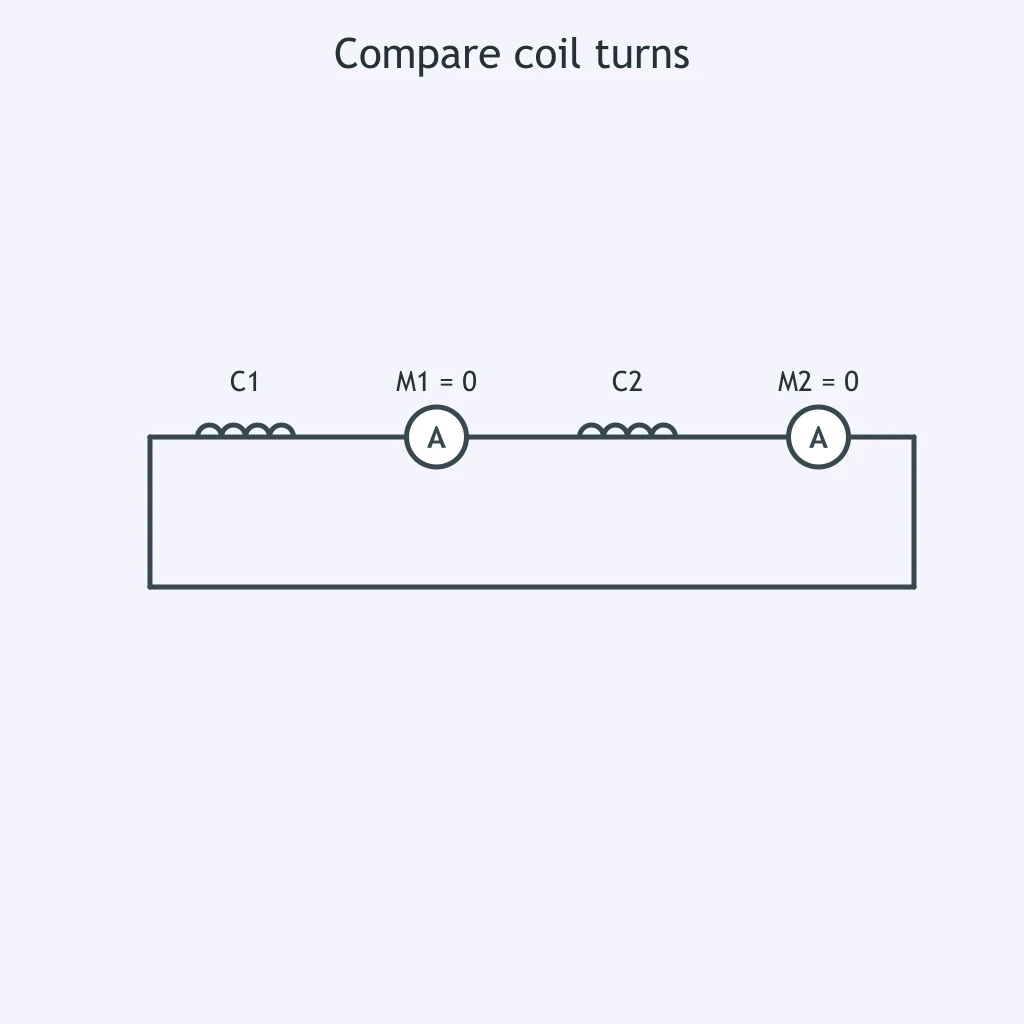
Use the figure comparing two identical coils and magnets: Setup 1 moves the magnet toward the coil at 0.10 m/s, and Setup 2 uses 0.50 m/s. Which gives the larger deflection?
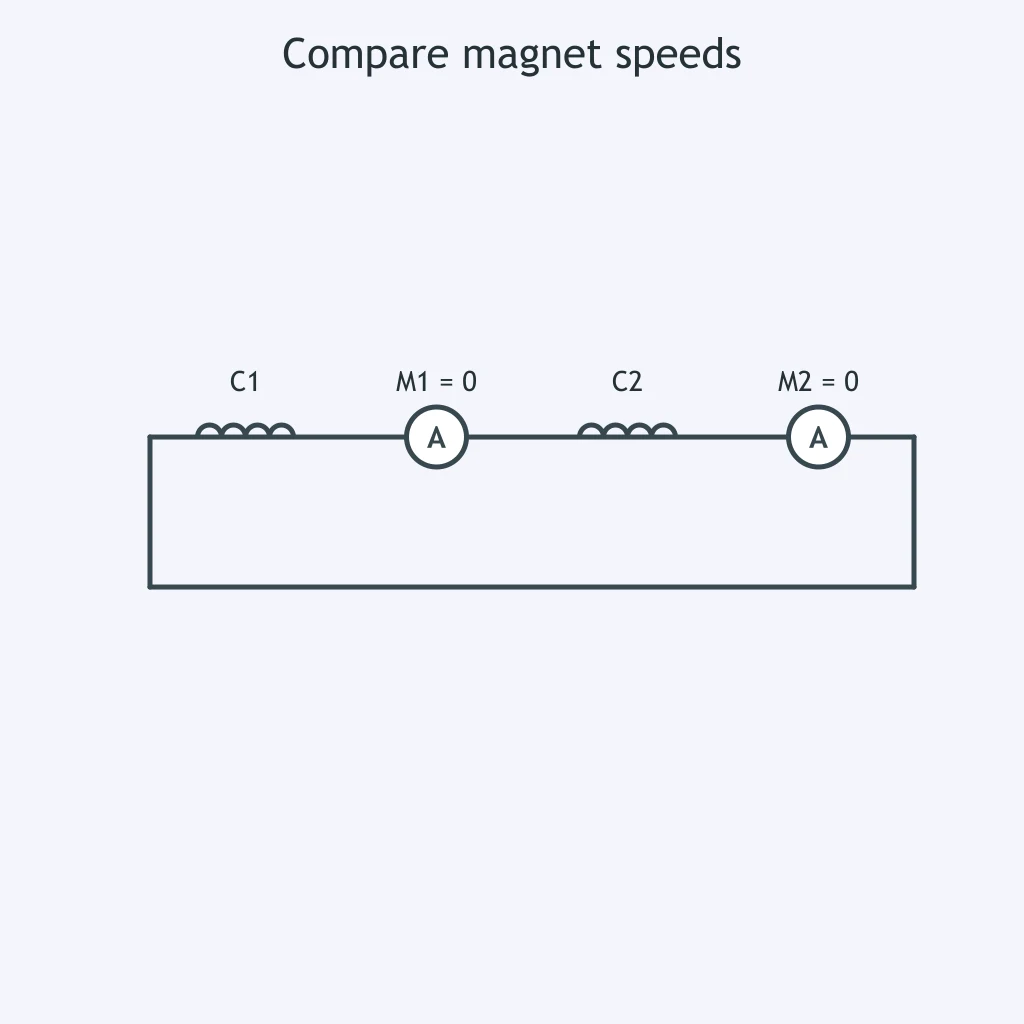
Use the figure comparing two setups with identical coils and speeds: Setup 1 uses a weak bar magnet, and Setup 2 uses a stronger bar magnet with the same pole facing the coil. Which deflects more?
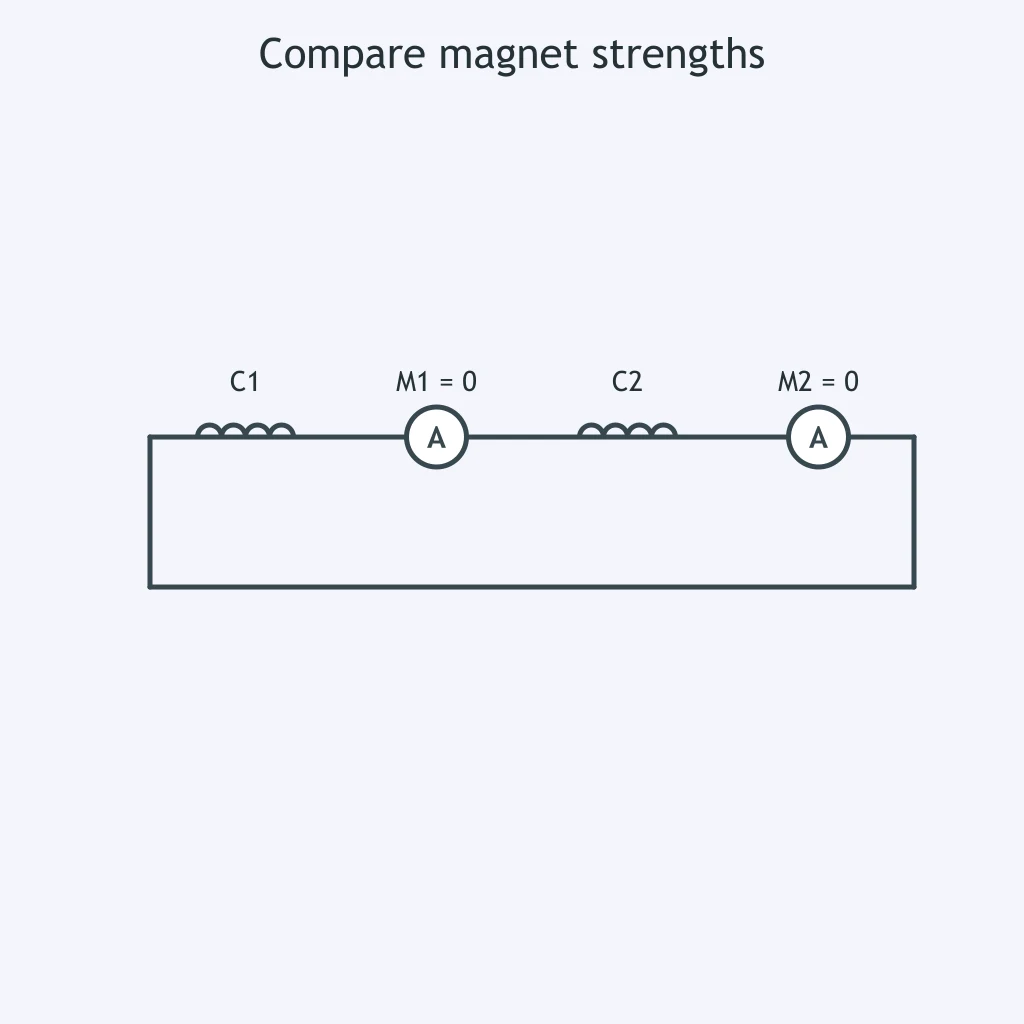
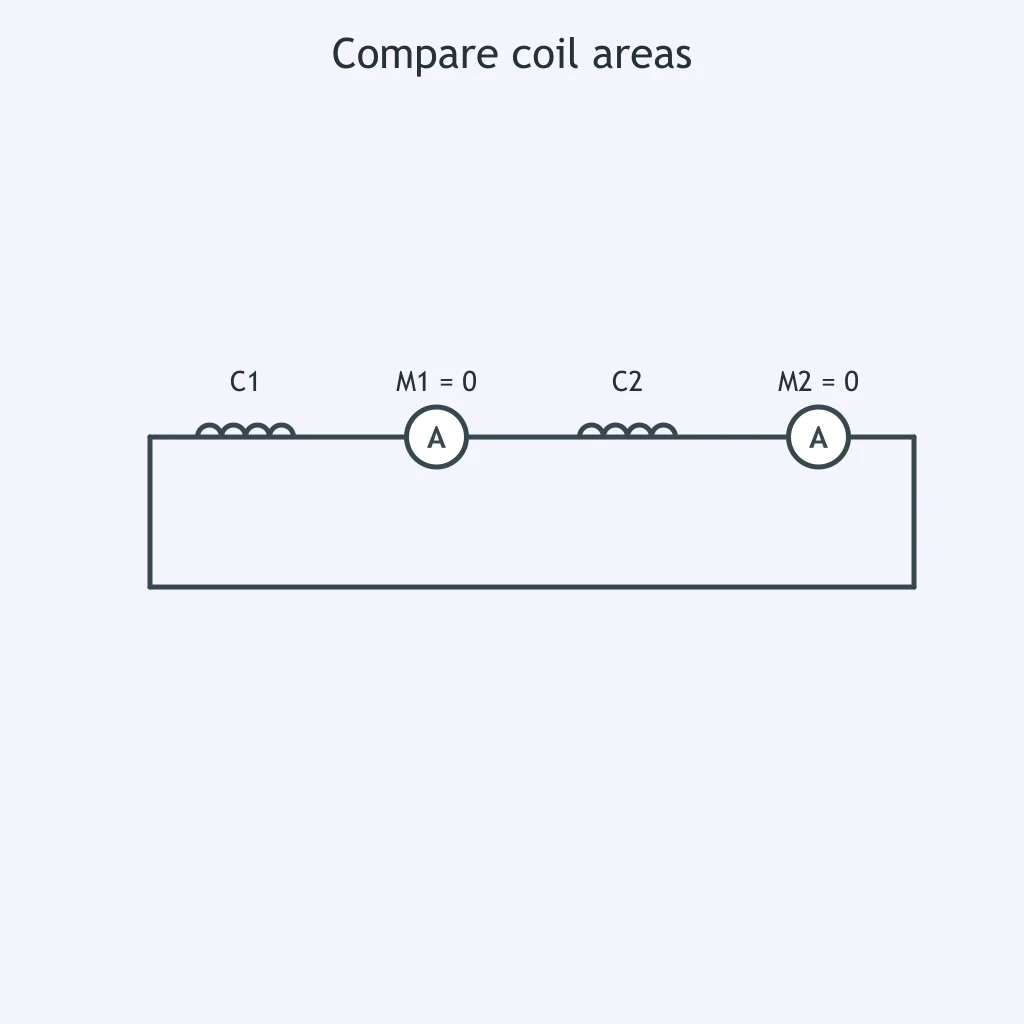
Use the figure comparing two coils with the same number of turns and the same magnet speed: Setup 1 has a small coil area, and Setup 2 has a larger coil area. Which deflects more?
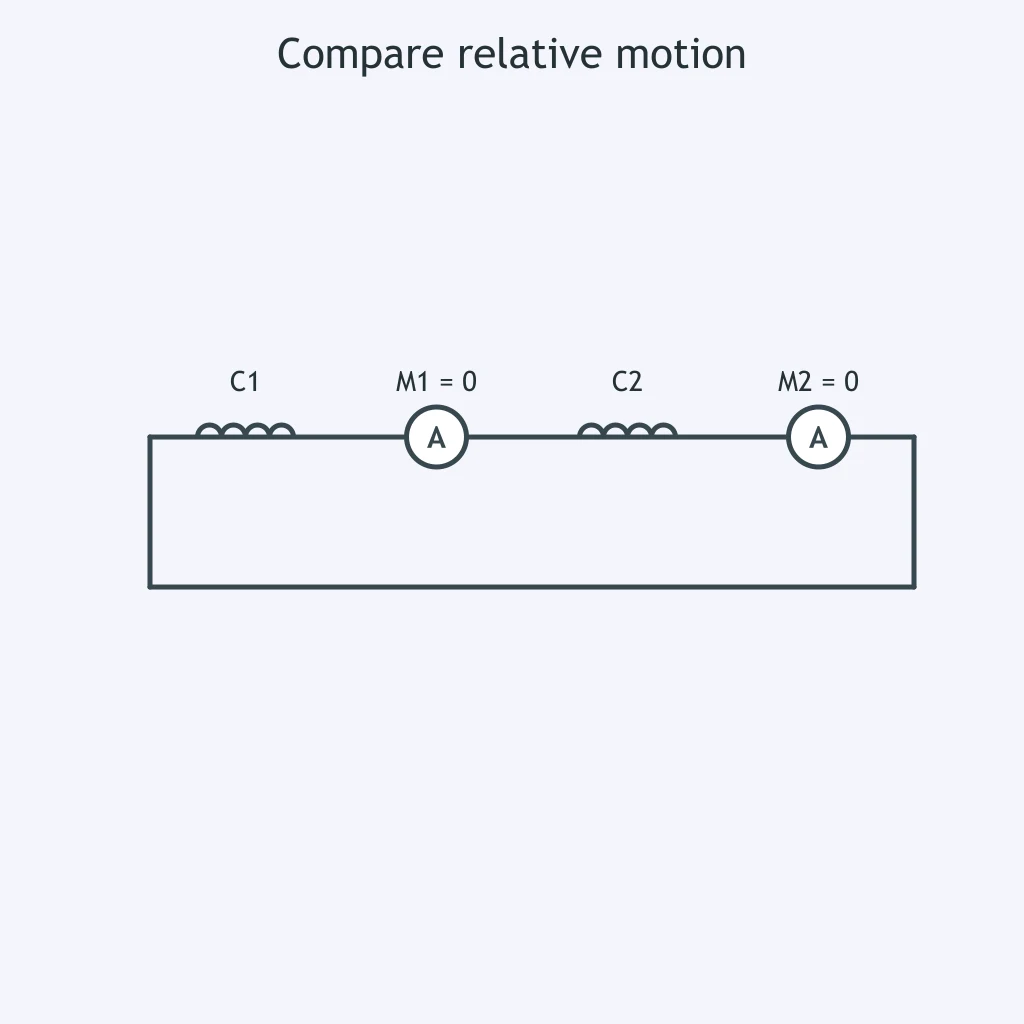
Use the figure comparing two setups: in Setup 1 the magnet moves toward the coil at 0.30 m/s; in Setup 2 the coil moves toward the same magnet at 0.30 m/s. Which deflection is larger?
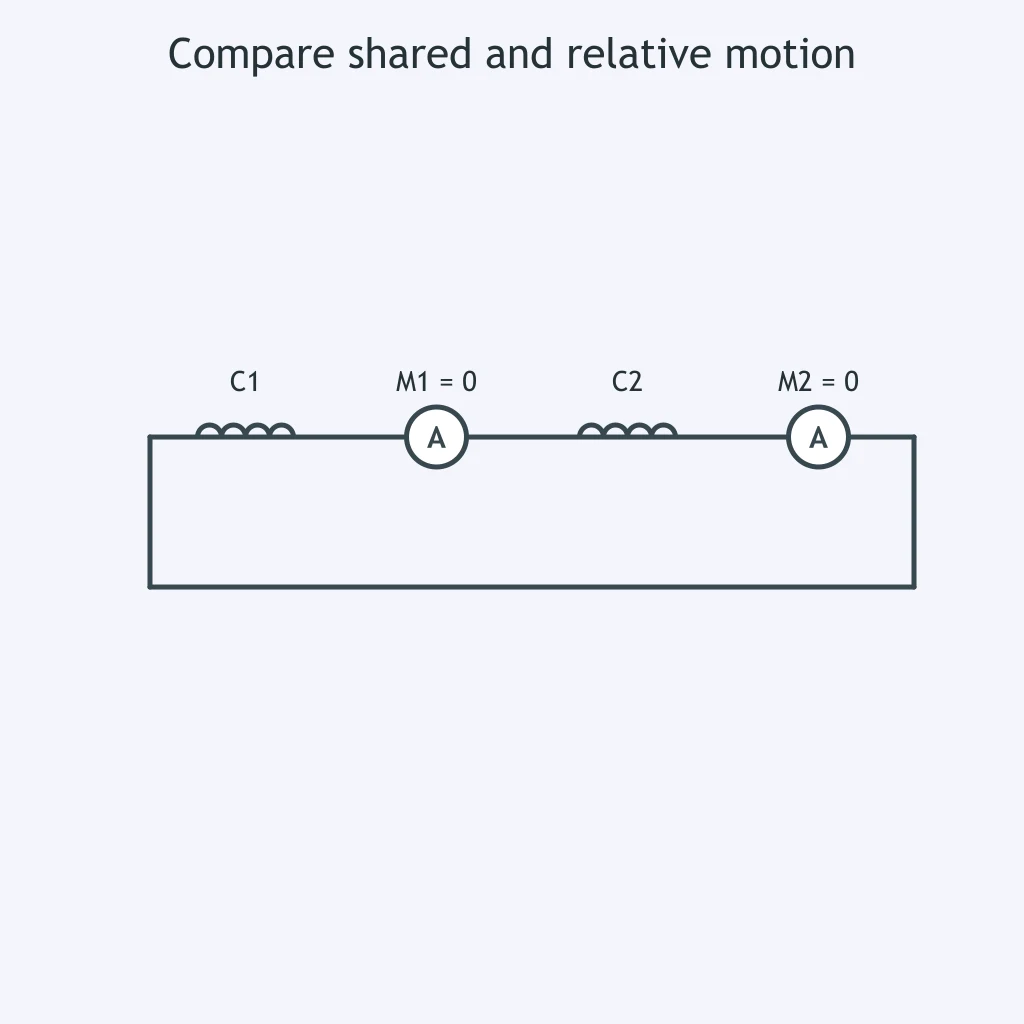
Use the figure comparing two setups: in Setup 1 the magnet and coil move together at the same velocity; in Setup 2 the magnet moves toward a stationary coil. Which gives the larger deflection?
What condition is required for electromagnetic induction in a coil connected to a closed circuit?
Which statement correctly describes Michael Faraday's 1831 result?
Heinrich Lenz's 1834 rule is used to decide what about an induced current?
Two identical coils experience the same changing magnetic field, inducing the same potential difference in each. Coil A's circuit has a higher total resistance than Coil B's circuit. Which coil carries the larger induced current?
A north pole moving into a coil makes the meter deflect right. With the same wiring, what happens if the north pole is pulled out instead at the same speed?
A closed coil is connected only to a meter, with no battery. A magnet is quickly pushed into the coil. What can happen?
A teacher wants a larger induced potential difference while keeping the same magnet and motion. Which change helps?
Which attribution is correct in the history of electromagnetism?
A bar magnet is pushed into a coil, and the meter deflects. The magnet is then left resting inside the coil for 10 s. What does the meter read during those 10 s?
A coil on a cart and a bar magnet on another cart roll east side by side at 0.40 m/s with a fixed separation. What happens in the coil?
A magnet is pushed slowly into a coil and then pulled out quickly. Compared with the slow push-in, what happens during the quick pull-out?
Two coils have the same resistance and turns. The same magnet is moved through each at the same speed, but Coil B has a larger area facing the magnet. Which coil gives the larger meter deflection?
A north pole moving into a coil gives a right meter deflection. If a south pole of the same strength moves into the coil the same way and speed, what changes?
A coil is near an electromagnet. The electromagnet's current rises from 0 A to 2 A and then stays at 2 A. When is current induced in the nearby coil?
Crack the passcode before the zombies get in.
Answer, then swat bugs for bonus points.
Race through questions at your own speed.
Same question on every screen. Fastest wins.

Pick a tile, answer, hit bonuses and steals.
33 questions