Loading
by BlastRoom
Chambers, valves, great vessels and the layers of the heart wall.
#us_hs_anatomy_physiology
40 questions
One question set, multiple game modes. Tap any game to see it in action. Not sure which to pick?
Answer to place stones and capture territory.
Outrun the snow together.
Earn blasts, then hunt the other team.
Answer to earn energy, then climb.

The class blasts through walls together.
Bid on mystery lots. Most money wins.
Sell tours. Nice, standard, or a total scam.

Answer, restock, and serve the rush.
More correct answers pulls the rope your way.
Answer, then shoot down the alien wave.
Answer, then tap to leap the frozen ridge.
Which chamber has the thickest wall because it drives blood out to the whole body?
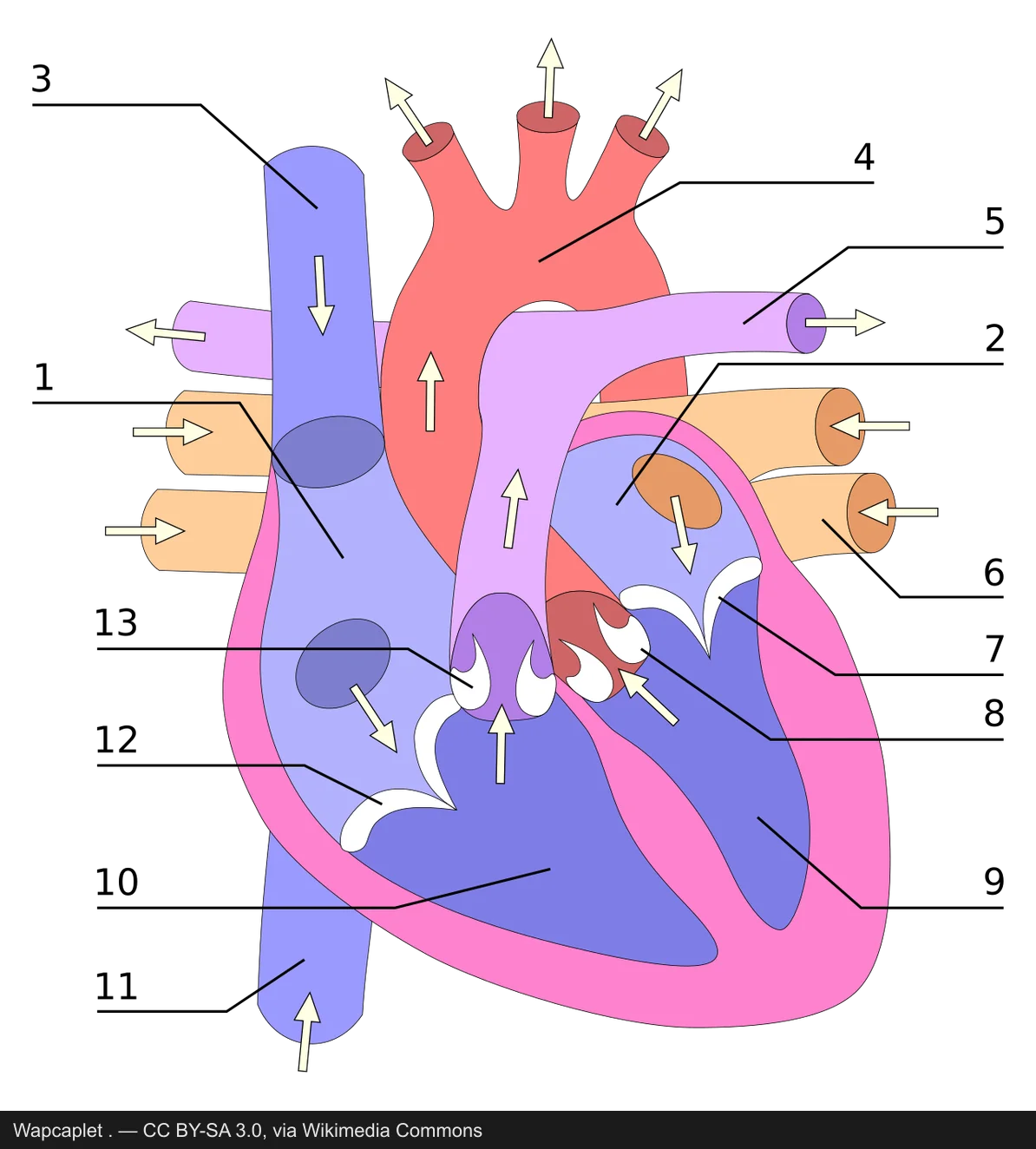
Which chamber receives blood returning through the superior and inferior venae cavae?
Which chamber sends blood into the trunk that divides toward both lungs?
Which chamber receives blood returning from the lungs through four veins?
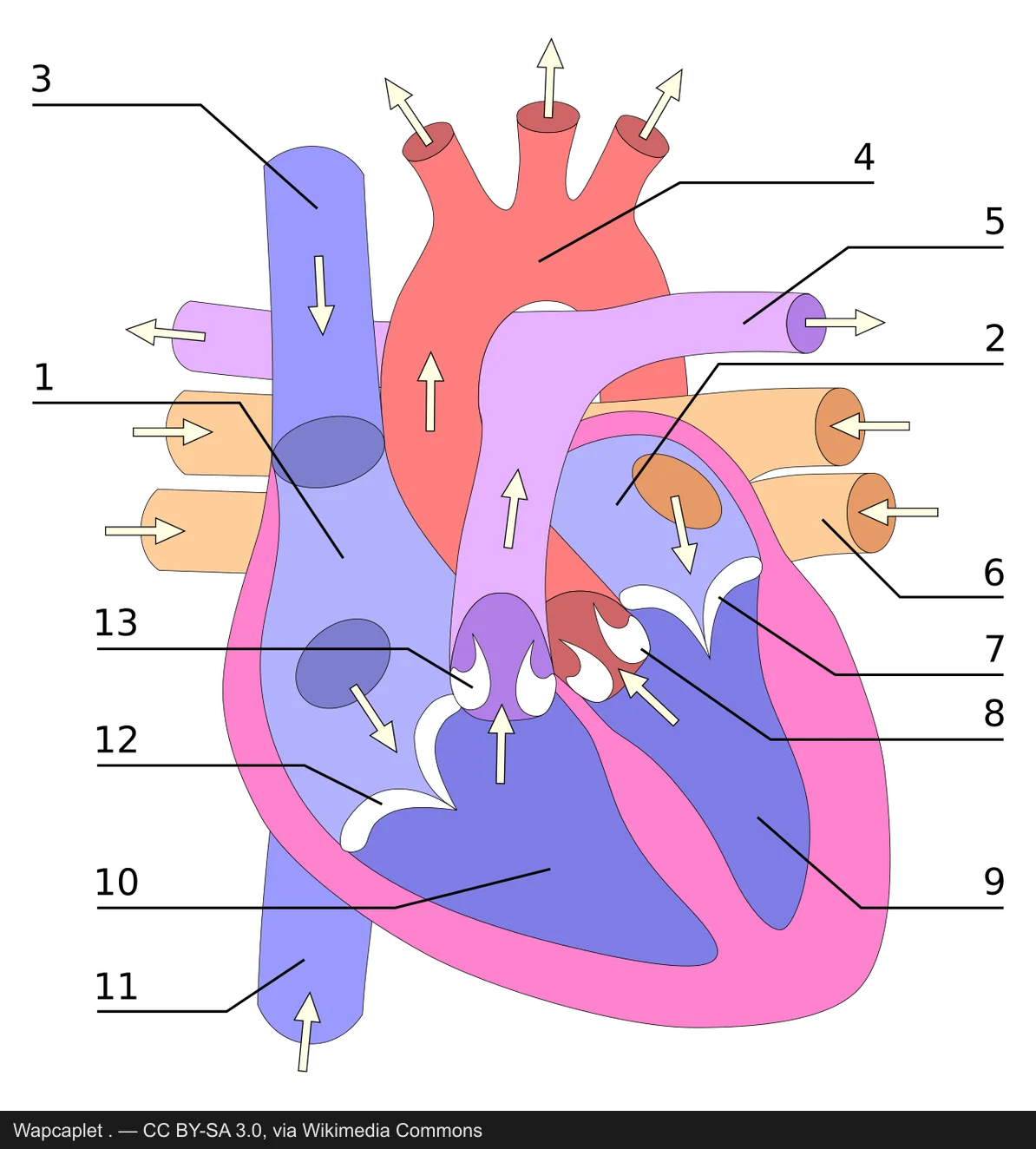
In the path from the lungs to the systemic circuit, which chamber comes immediately before the bicuspid valve?
After blood passes through the tricuspid valve, which chamber does it enter?
Which chamber contracts to push blood through the semilunar valve leading to the largest systemic artery?
Which chamber pumps blood only through the low-pressure pulmonary circuit, so its wall is thinner than the left ventricle's?
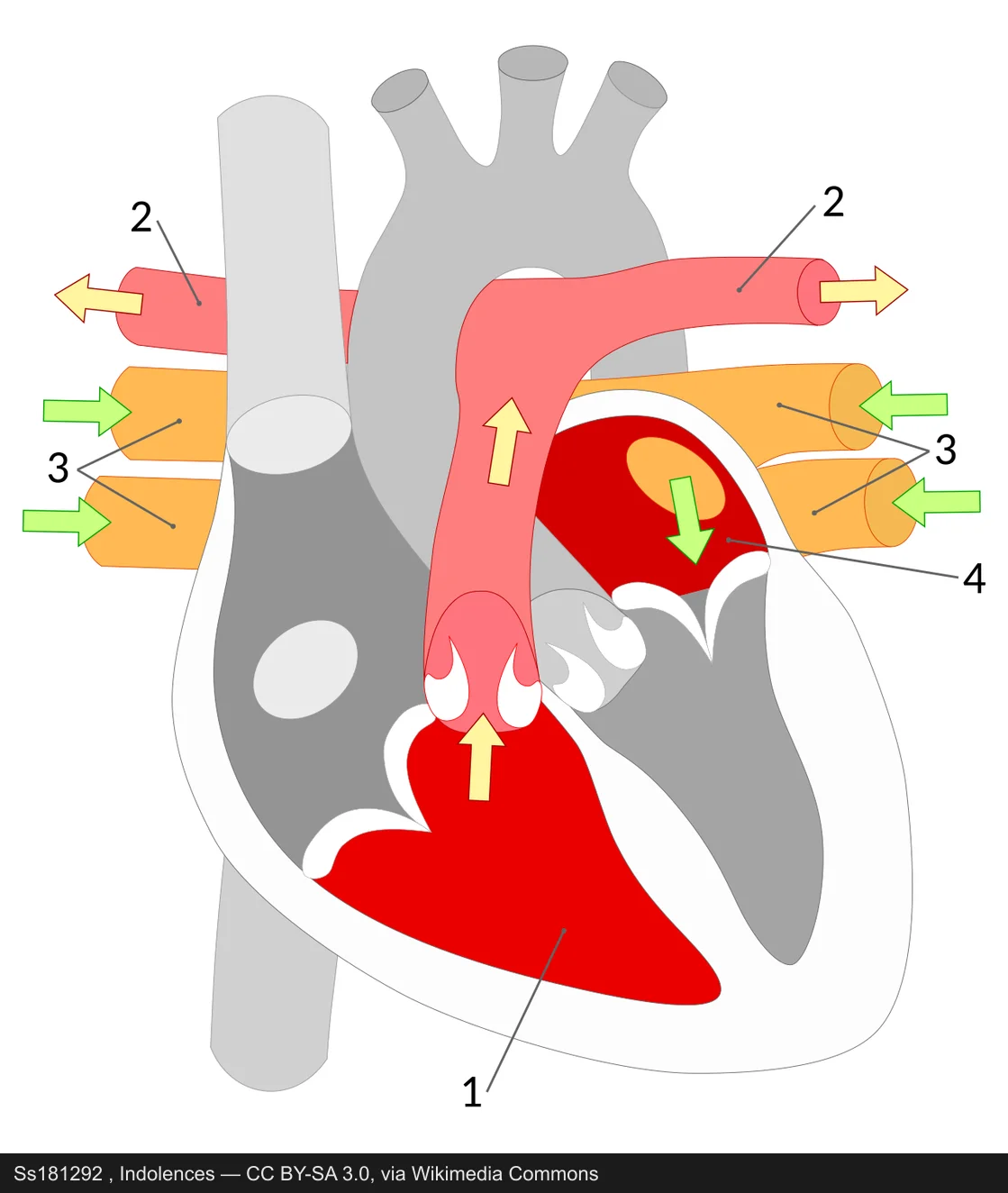
Which chamber sits superior to the right ventricle and delivers blood through the tricuspid valve?
Which chamber forms most of the heart's back (posterior) surface and lies just in front of the esophagus?
Which valve sits between the right atrium and the right ventricle?
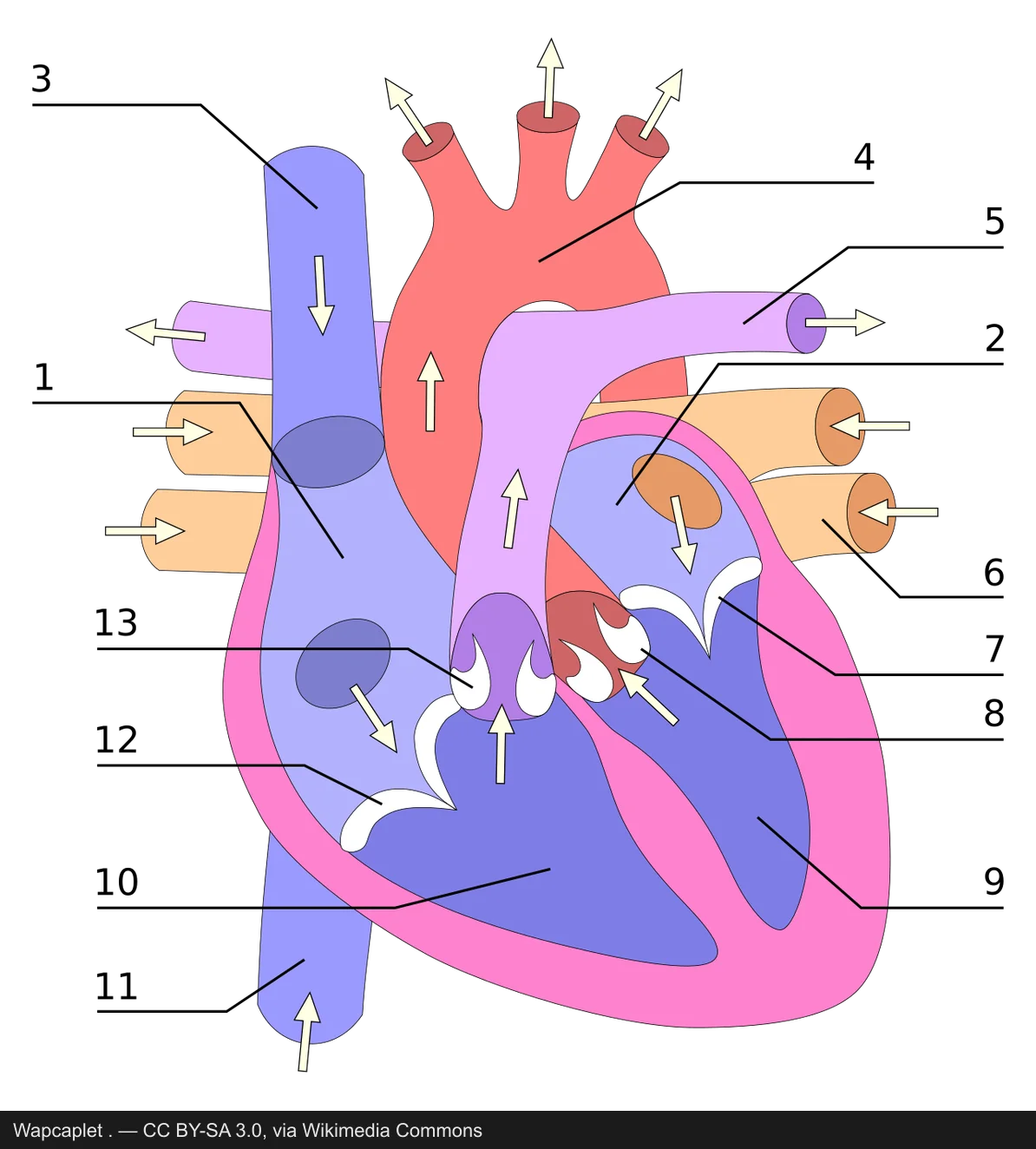
Which valve sits between the left atrium and the left ventricle?
Which valve guards the opening between the right ventricle and the vessel that carries blood toward the lungs?
Which valve guards the opening between the left ventricle and the largest artery leaving the heart?
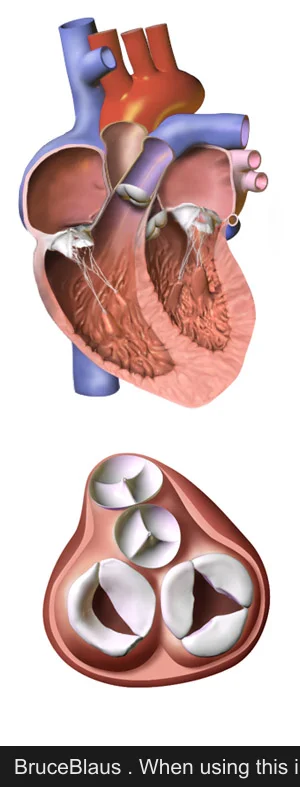
During ventricular systole, which valve prevents backflow from the right ventricle into the right atrium?
During ventricular systole, which valve prevents backflow from the left ventricle into the left atrium?
During diastole, which valve prevents blood in the largest systemic artery from returning to the left ventricle?
During diastole, which valve prevents blood in the vessel to the lungs from returning to the right ventricle?
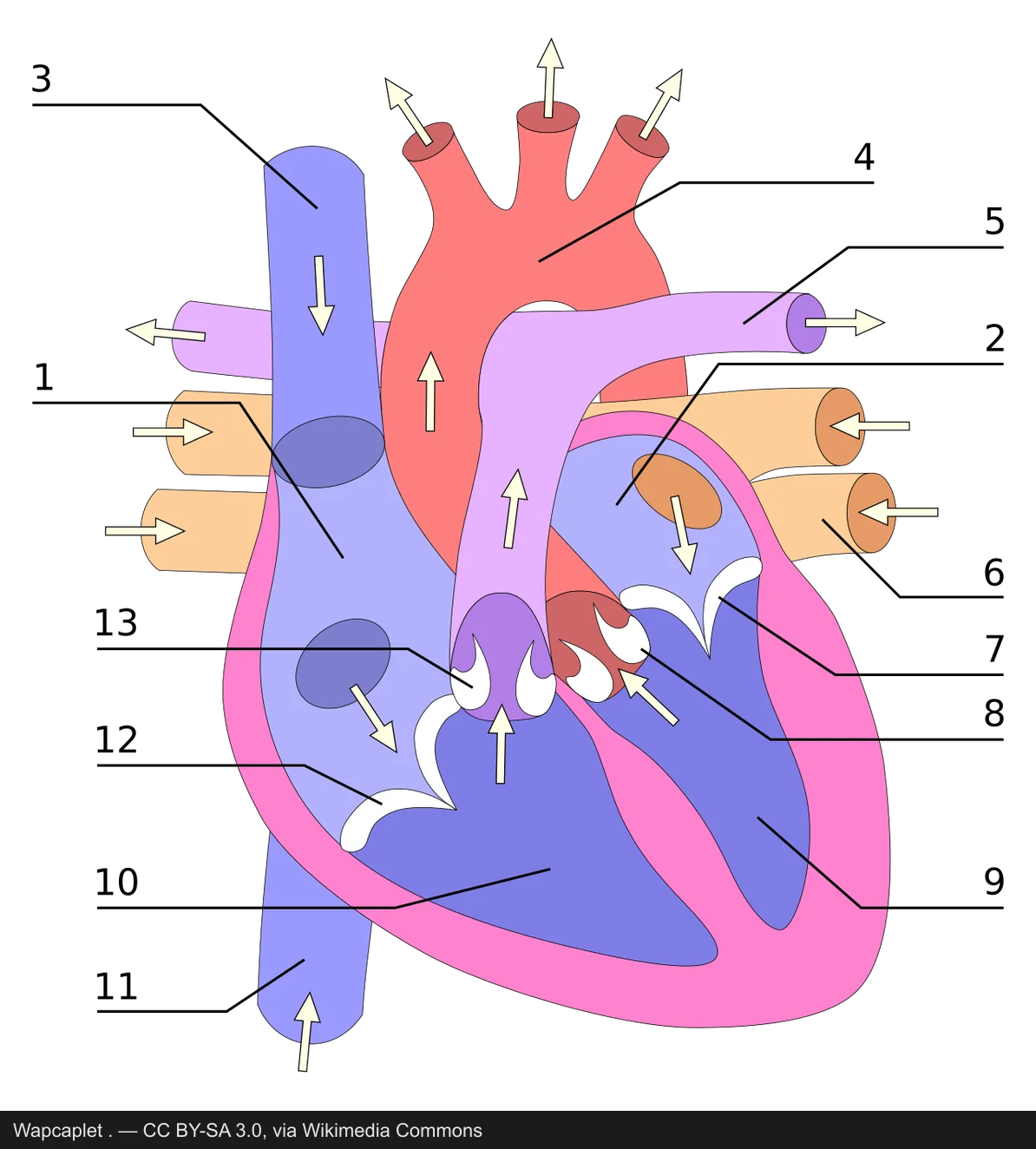
Which cords connect the flaps of the atrioventricular valves to papillary muscles so the flaps do not flip back into the atria?
The near-simultaneous closing of the tricuspid and bicuspid valves at the start of ventricular systole produces which heart sound?
Which vessel carries oxygenated blood from the left ventricle to the systemic circuit?
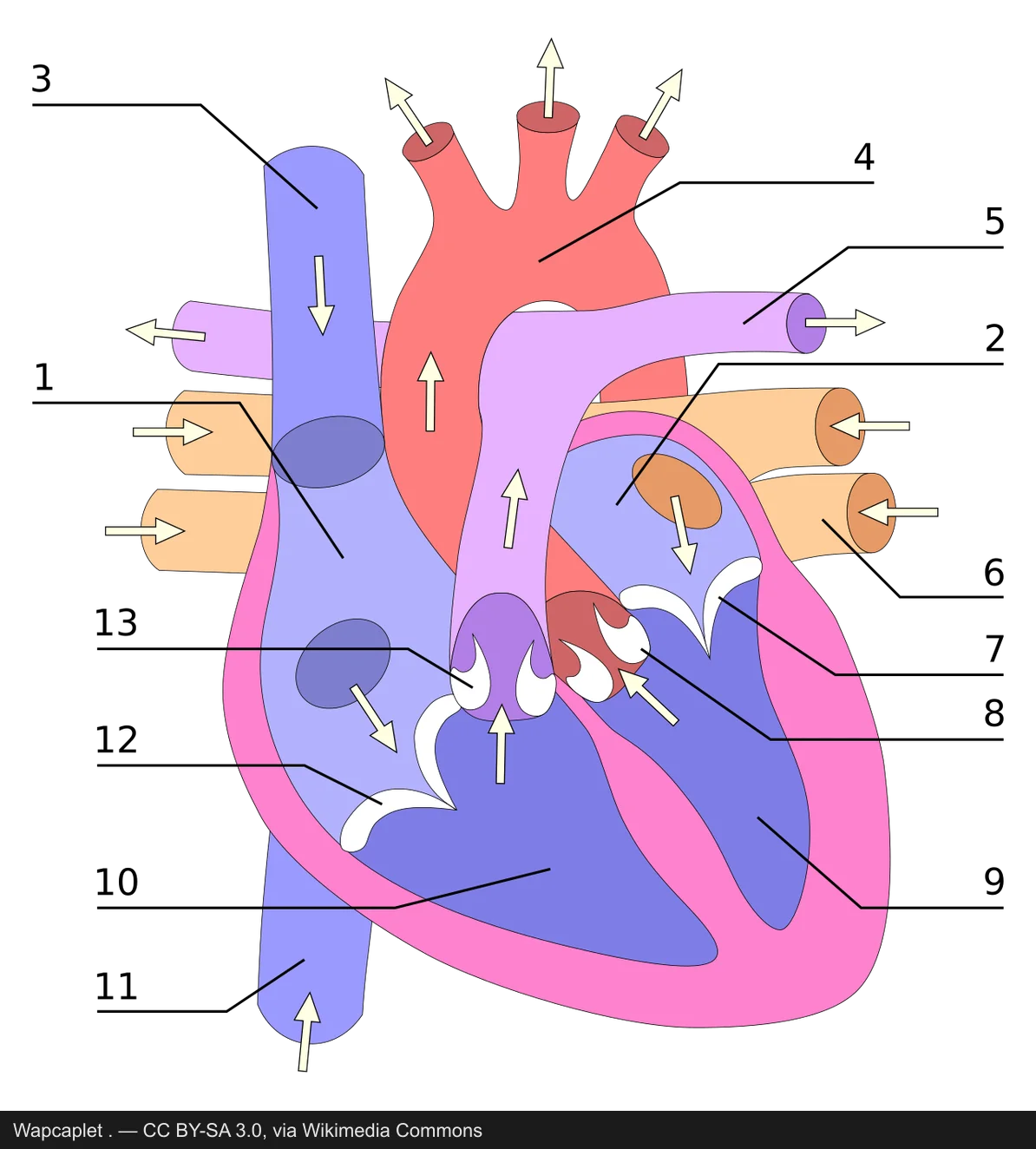
Which vessel carries deoxygenated blood from the right ventricle before it branches toward both lungs?
Which vessel group carries oxygenated blood from the lungs into the left atrium?
Which vessel returns blood from the head, neck, and upper limbs to the right atrium?
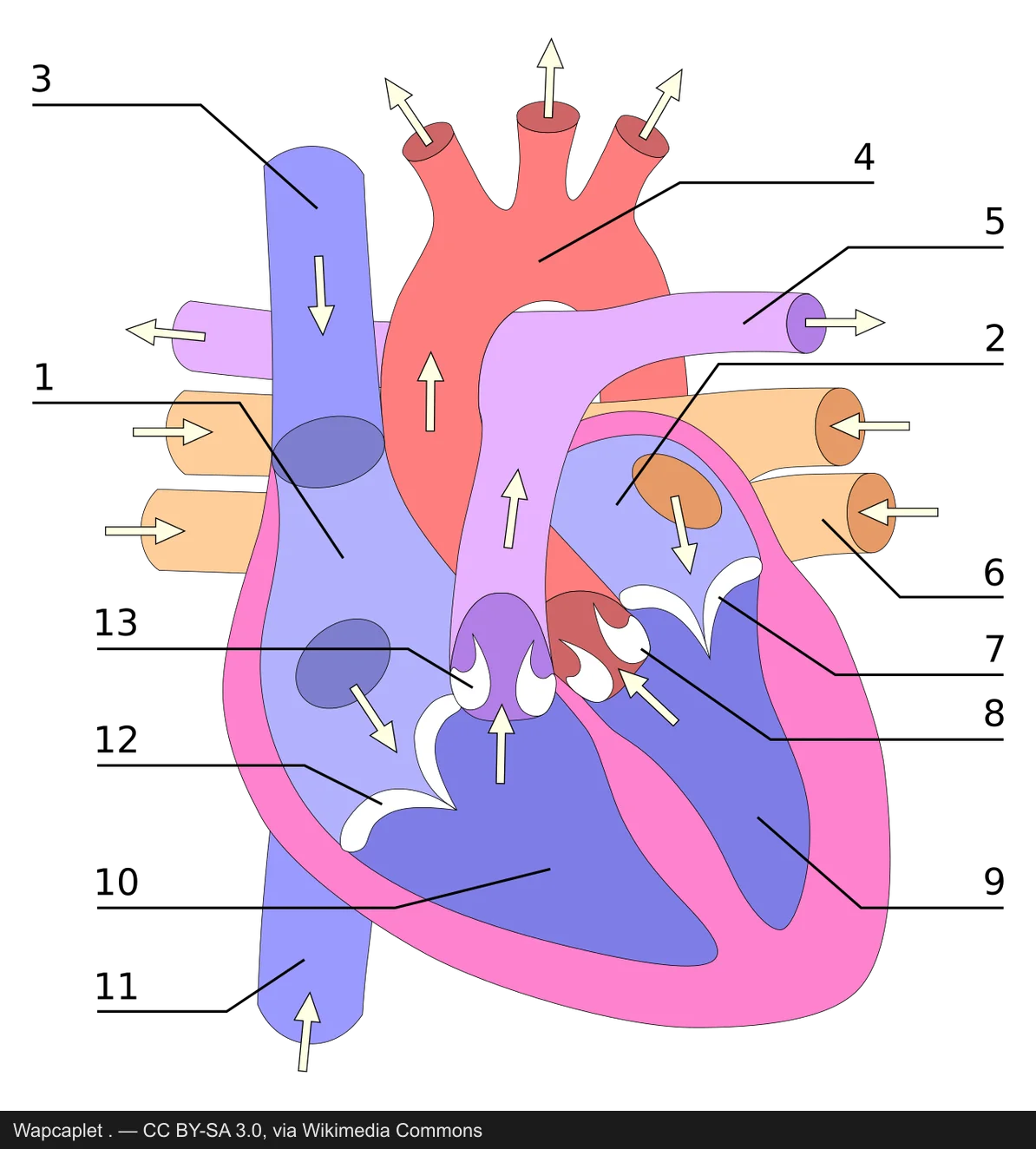
Which vessel returns blood from the abdomen, pelvis, and lower limbs to the right atrium?
Which vessels carry deoxygenated blood from the trunk leaving the right ventricle toward the lungs?
Which vessels branch from the base of the aorta to supply oxygenated blood to the heart muscle?
Which structural feature of the aorta's wall lets it stretch as blood is ejected during systole and then recoil to keep blood moving during diastole?
Which large veins empty directly into the right atrium from above and below the body?
Which vessel collects most of the deoxygenated blood draining from the heart's own muscle and empties it directly into the right atrium?
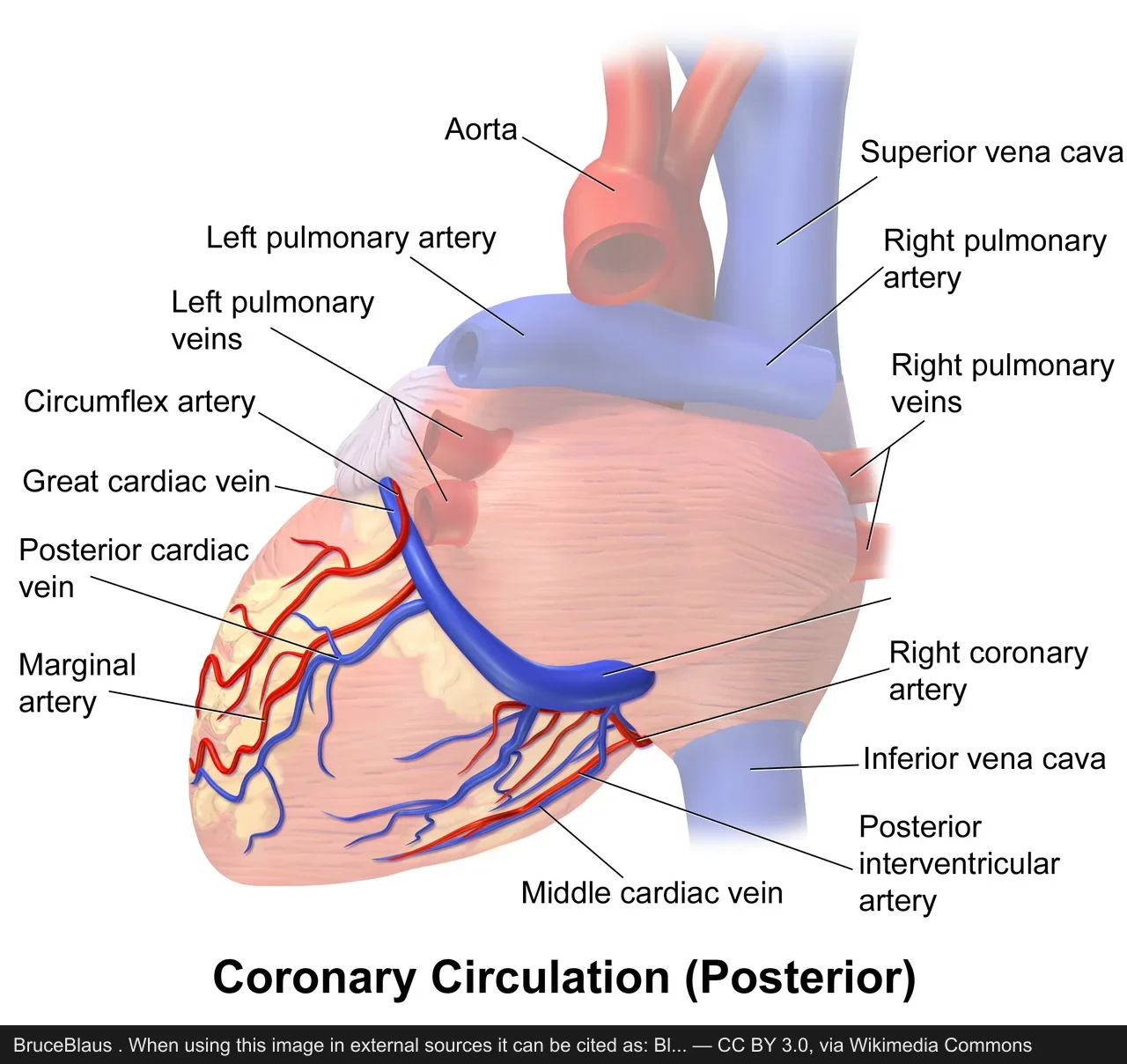
Which layer lines the inner chambers and covers the valve surfaces?
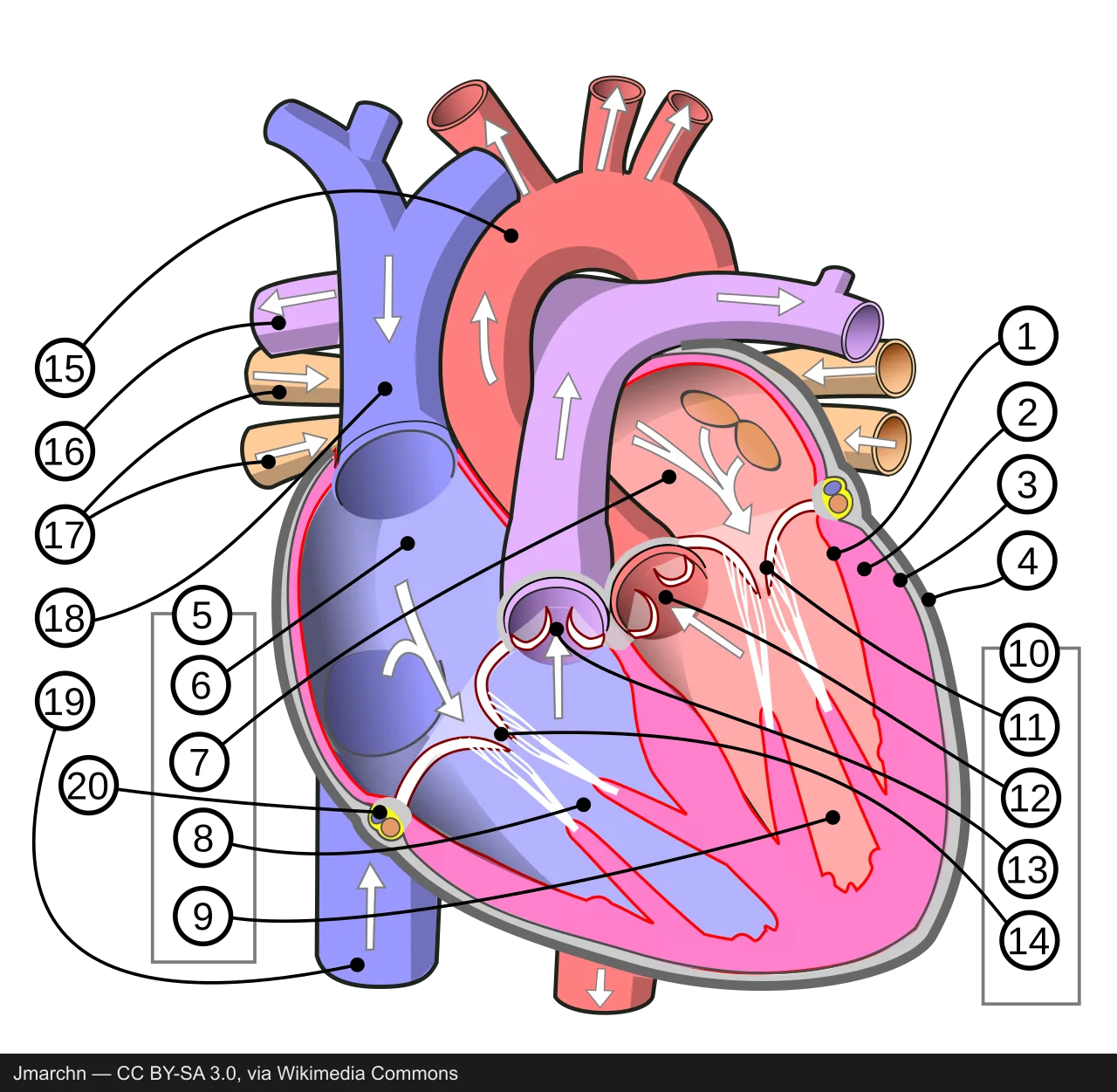
Which thick layer of the heart wall produces the pumping force?
Which thin outer layer of the heart wall lies on the outside of the muscle layer?
Which part of the sac around the heart is the tough outer connective tissue layer?
Which serous layer lines the inner surface of the tough outer sac instead of lying directly on the heart surface?
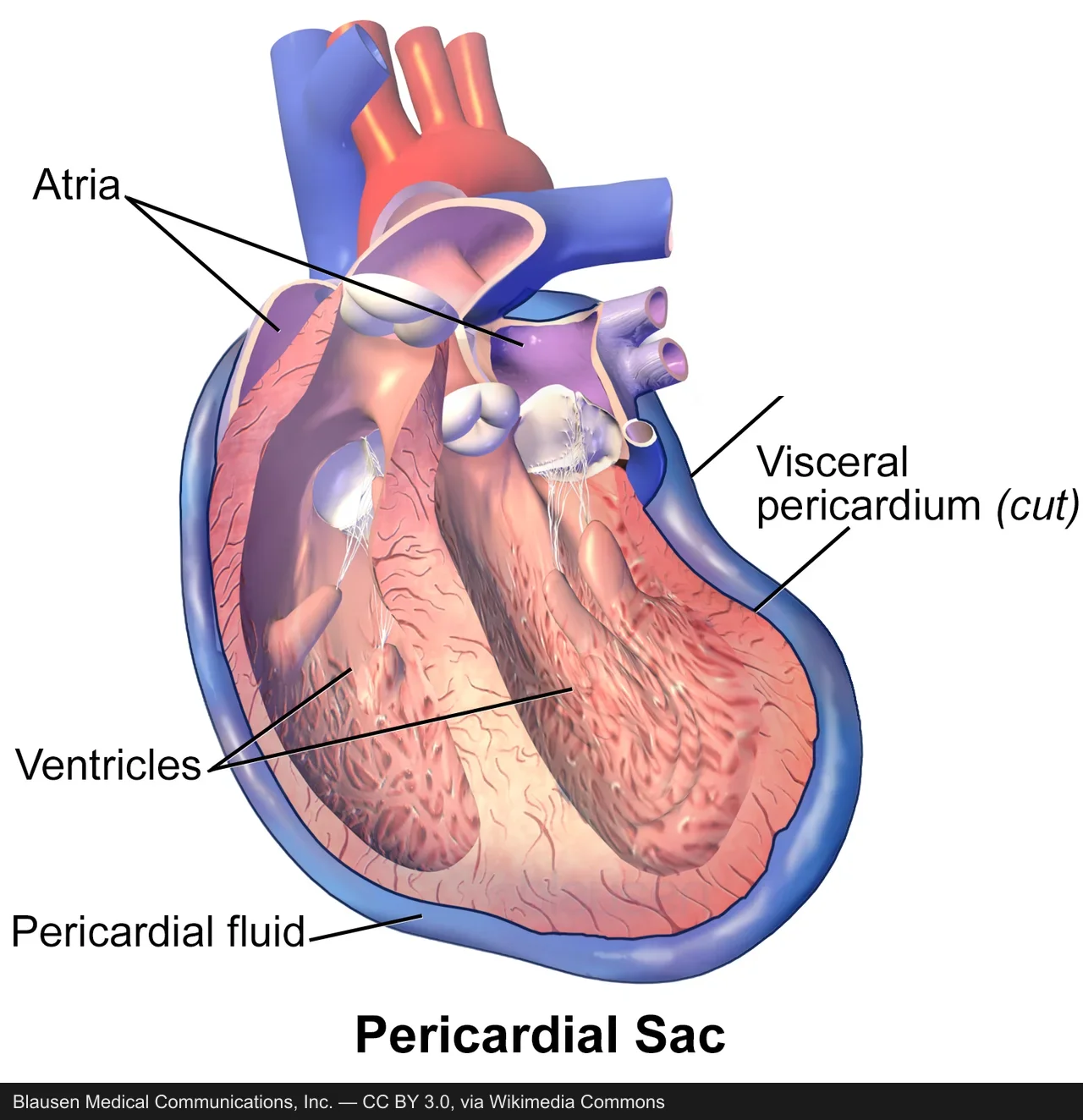
The sac around the heart has a serous layer pressed directly onto the heart surface. What is that layer called?
What space contains serous fluid that lets the two serous layers slide during beating?
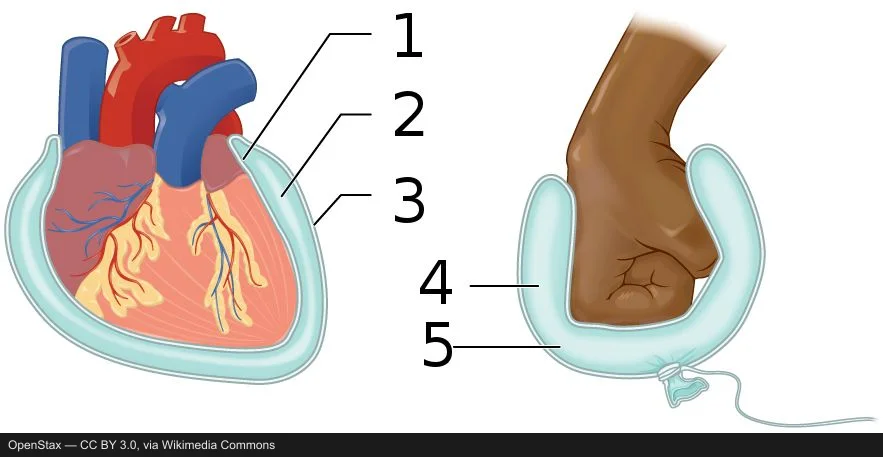
Which layer would thicken with long-term increased workload because its cardiac muscle cells enlarge?
The endocardium's innermost surface is made of which tissue type, the same type that lines the inside of blood vessels?
Which sac layer helps hold the heart in the mediastinum rather than forming the slippery serous lining?
Crack the passcode before the zombies get in.
Answer, then swat bugs for bonus points.
Race through questions at your own speed.
Same question on every screen. Fastest wins.

Pick a tile, answer, hit bonuses and steals.
The Cardiac Cycle, Conduction System and ECG
25 questions