Loading
by BlastRoom
Practice ion formation, electron transfer, and the formulas and names of ionic compounds.
#ionic_bonds#matatag_science_9
20 questions
One question set, multiple game modes. Tap any game to see it in action. Not sure which to pick?
Which description defines an ion?
Which particle-count relationship describes a cation?
A particle has 17 protons and 18 electrons. How is it classified?
A neutral sodium atom has 11 electrons. How many remain after it forms its usual ion?
After a potassium atom forms its usual ion, its electron arrangement matches which noble gas?
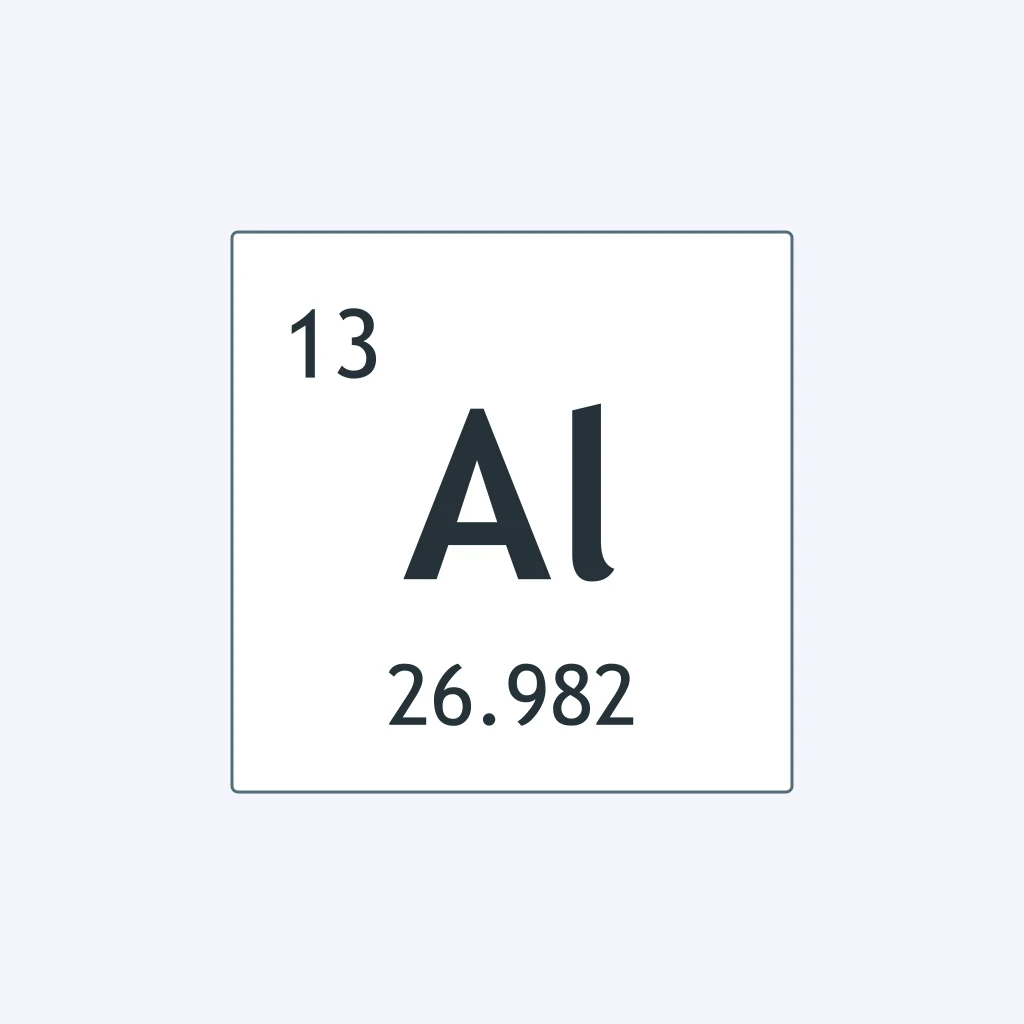
Use the periodic table square. Aluminum-27 forms Al³⁺. Which particle counts describe this ion?
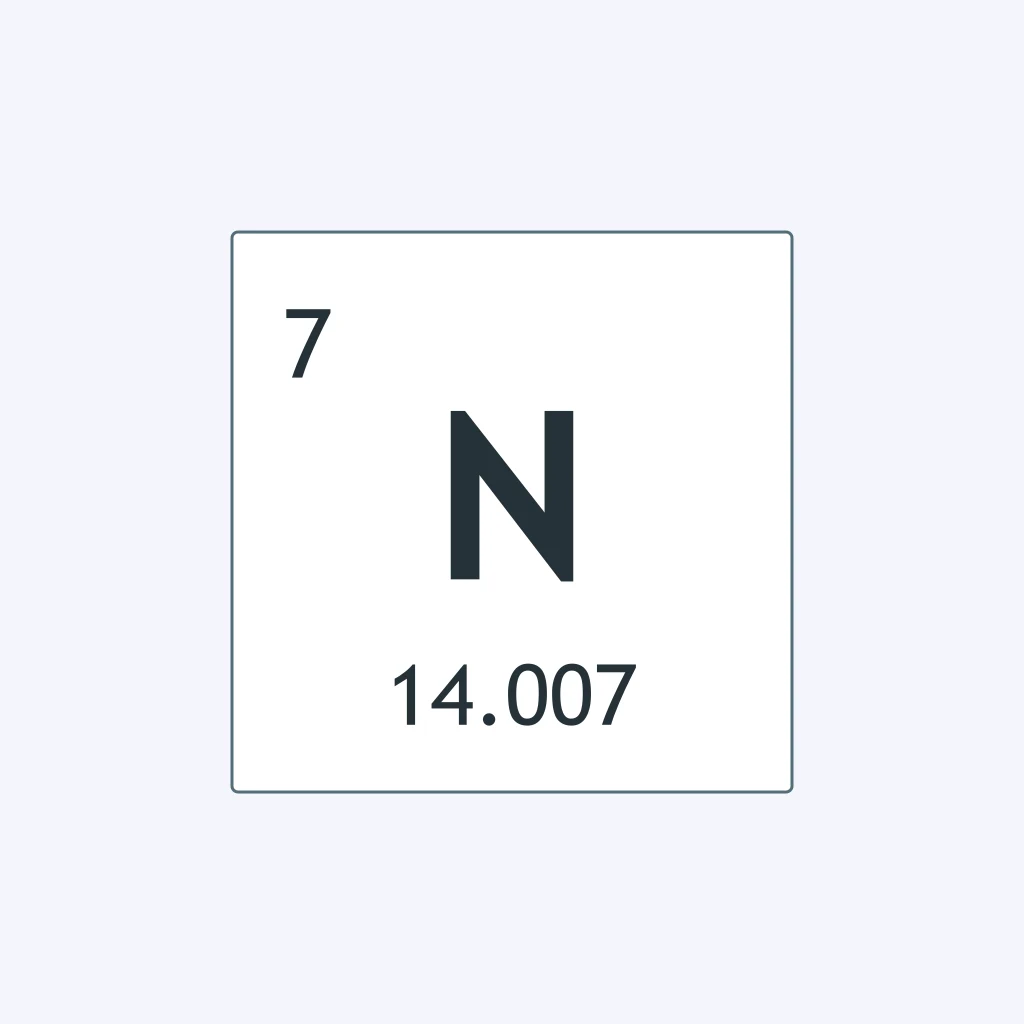
Use nitrogen's atomic number in the square. What electron change forms its usual monatomic ion?
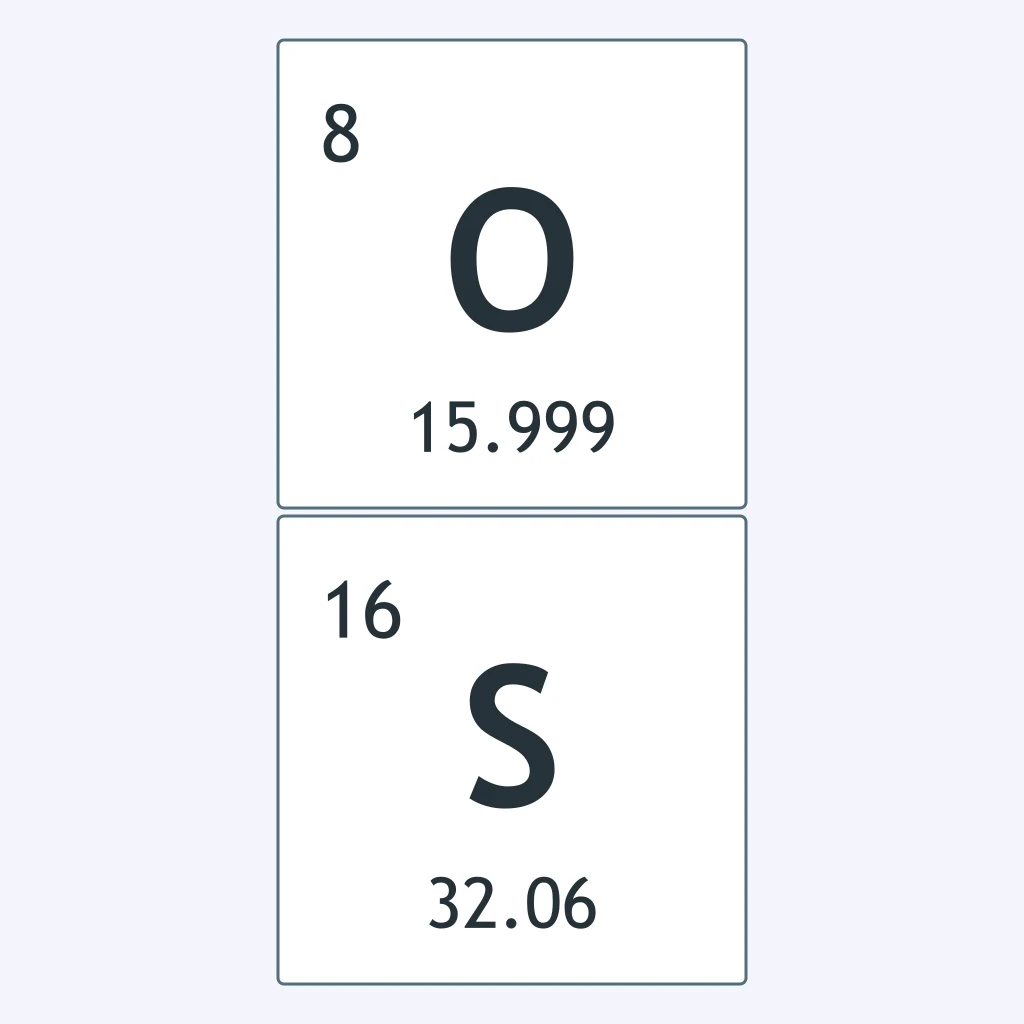
Use oxygen's atomic number in the square. What charge does its usual monatomic ion carry?
After the transfer shown, what holds the resulting particles together?
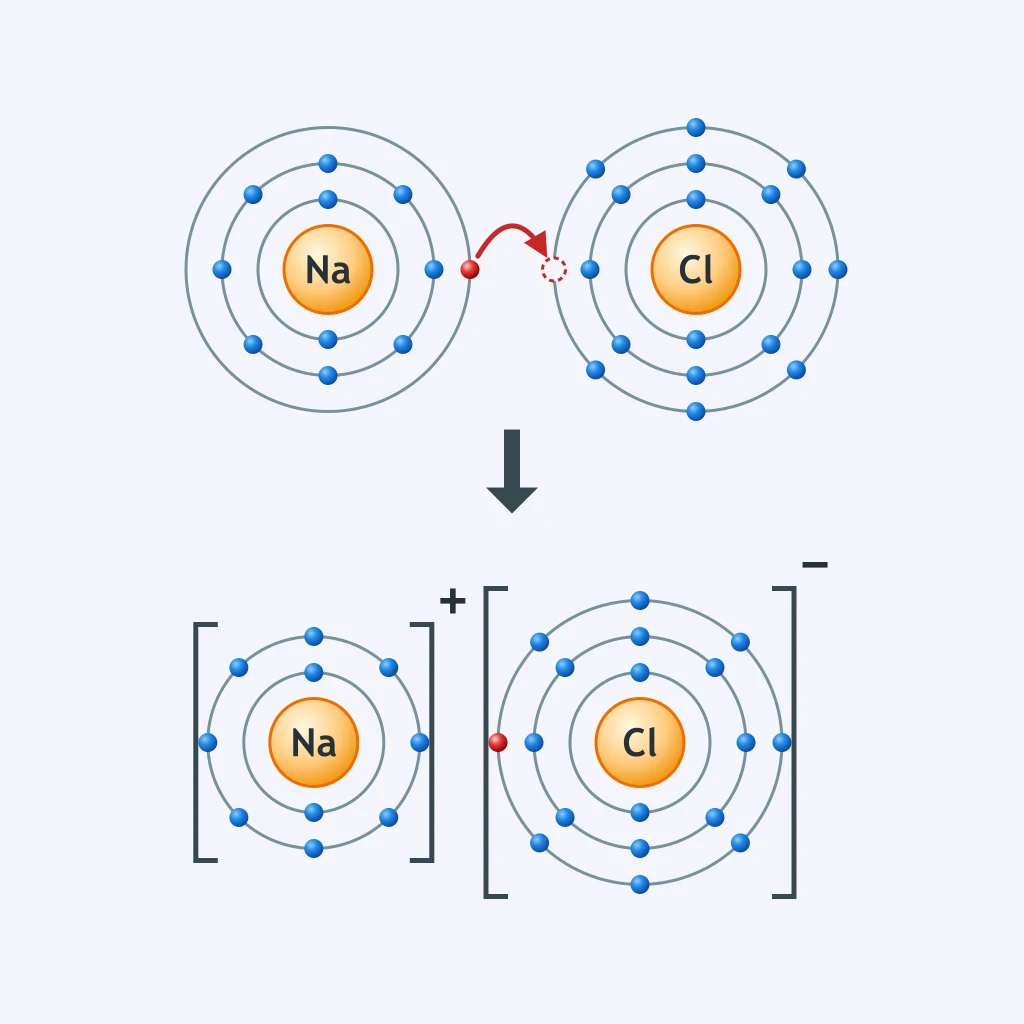
In the diagram, what ion does the metal become after completing the transfer?
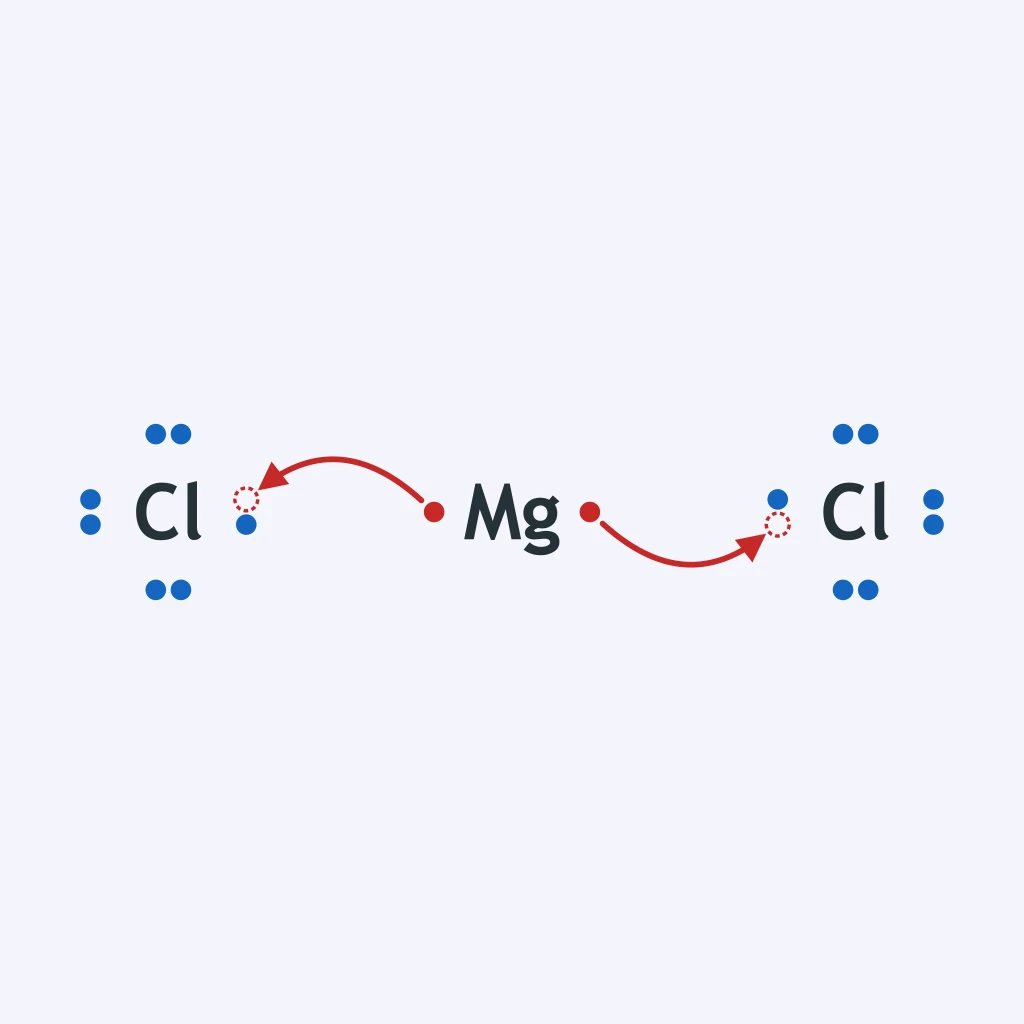
How many electrons does one magnesium atom transfer to oxygen when magnesium oxide forms?
During electron transfer between atoms forming an ionic compound, what happens to the total number of electrons in those atoms?
What does a formula unit represent?
What must be true of the total electrical charge of an ionic compound?
What is the chemical name of NaCl?
Which name follows the rules for MgCl₂?
Choose the formula for potassium chloride.
Mika writes NaN₃ for sodium nitride. Which formula should replace it?
Complete the formula entry for aluminum oxide: ___.
In calcium nitride, what is the simplest ratio of calcium ions to nitrogen ions?
Crack the passcode before the zombies get in.

Pick a tile, answer, hit bonuses and steals.
Metallic Bonding
20 questions