Loading
by BlastRoom
Identify common ensemble symbols and the playing directions they give.
#us_hs_music_fundamentals
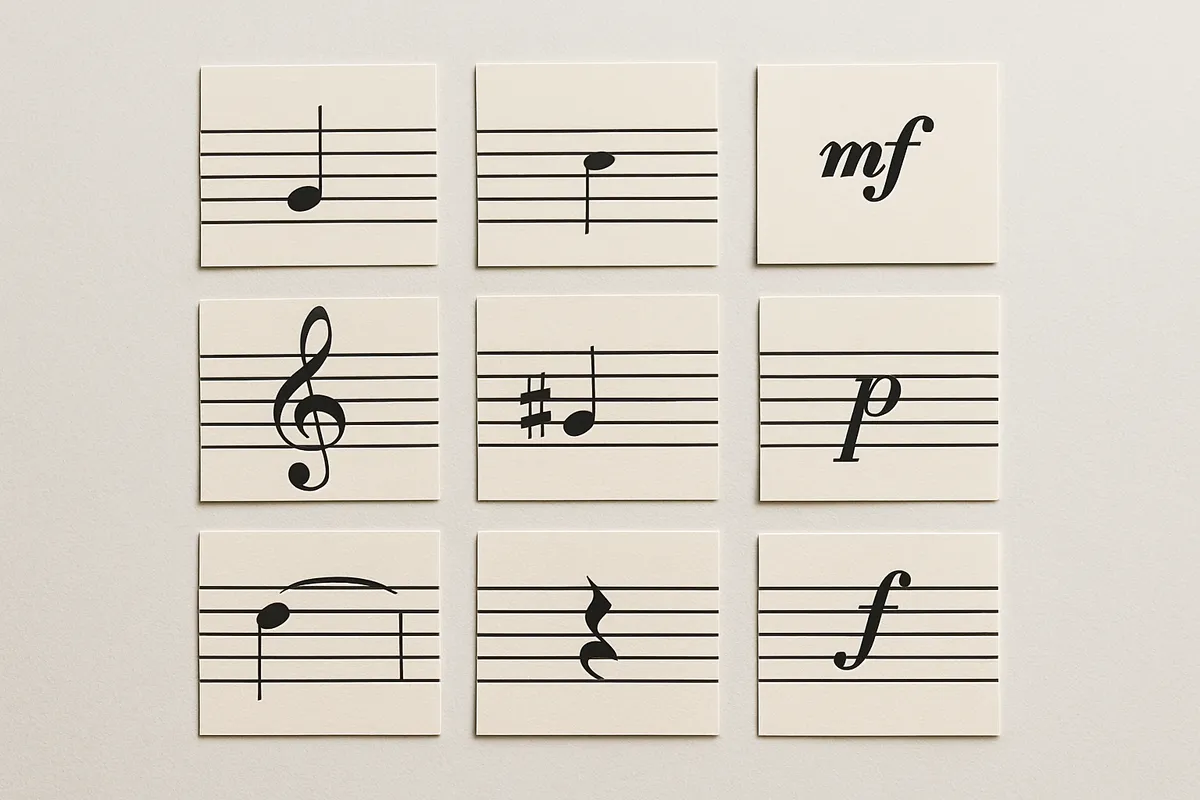
40 questions
One question set, multiple game modes. Tap any game to see it in action. Not sure which to pick?
Answer to place stones and capture territory.
Outrun the snow together.
Earn blasts, then hunt the other team.
Answer to earn energy, then climb.

The class blasts through walls together.
Bid on mystery lots. Most money wins.
Sell tours. Nice, standard, or a total scam.

Answer, restock, and serve the rush.
More correct answers pulls the rope your way.
Answer, then shoot down the alien wave.
Answer, then tap to leap the frozen ridge.
What is the name of the symbol shown?
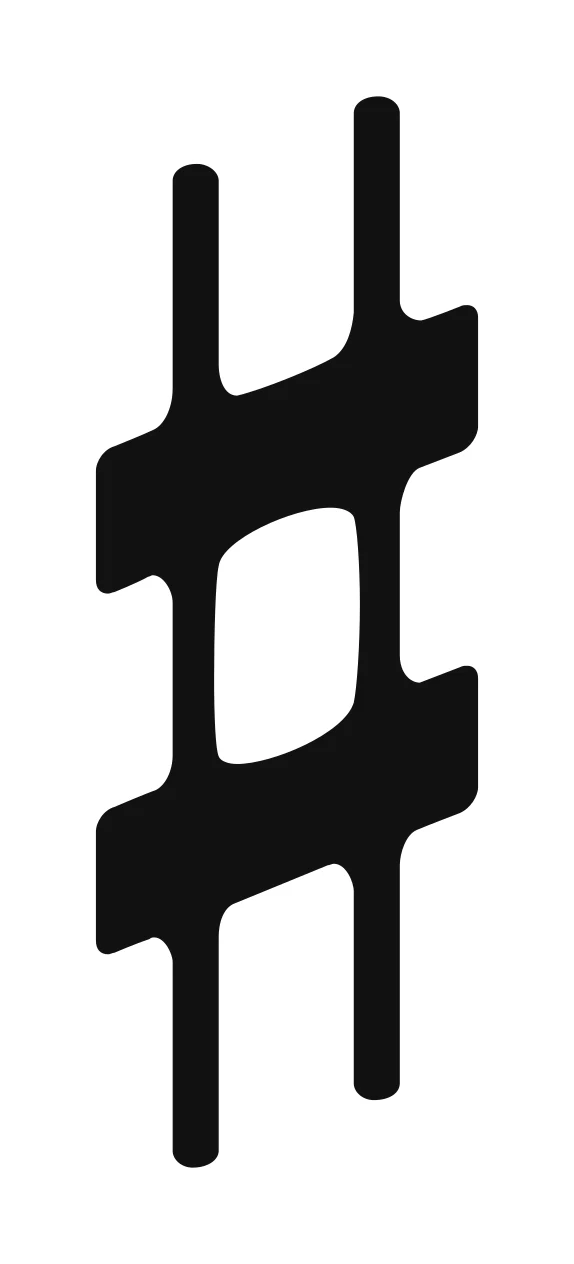
Name the accidental in the figure.
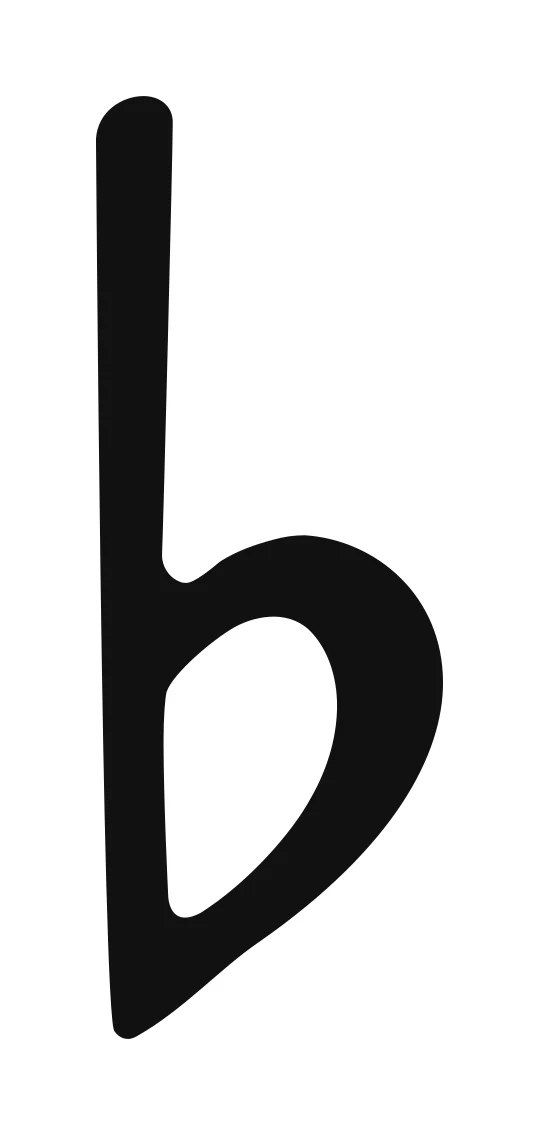
Which accidental is printed in the figure?
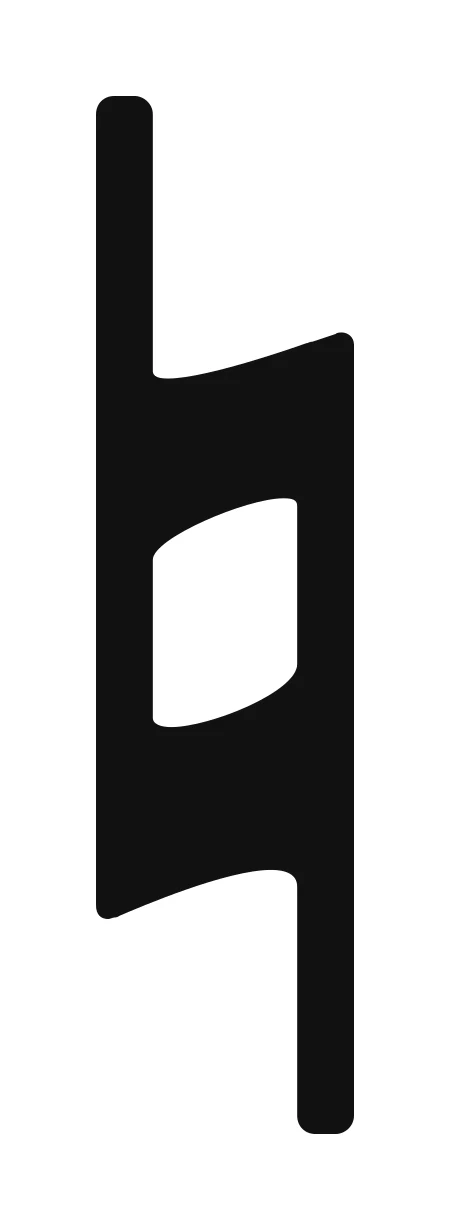
What is this accidental called?

Identify the symbol shown.
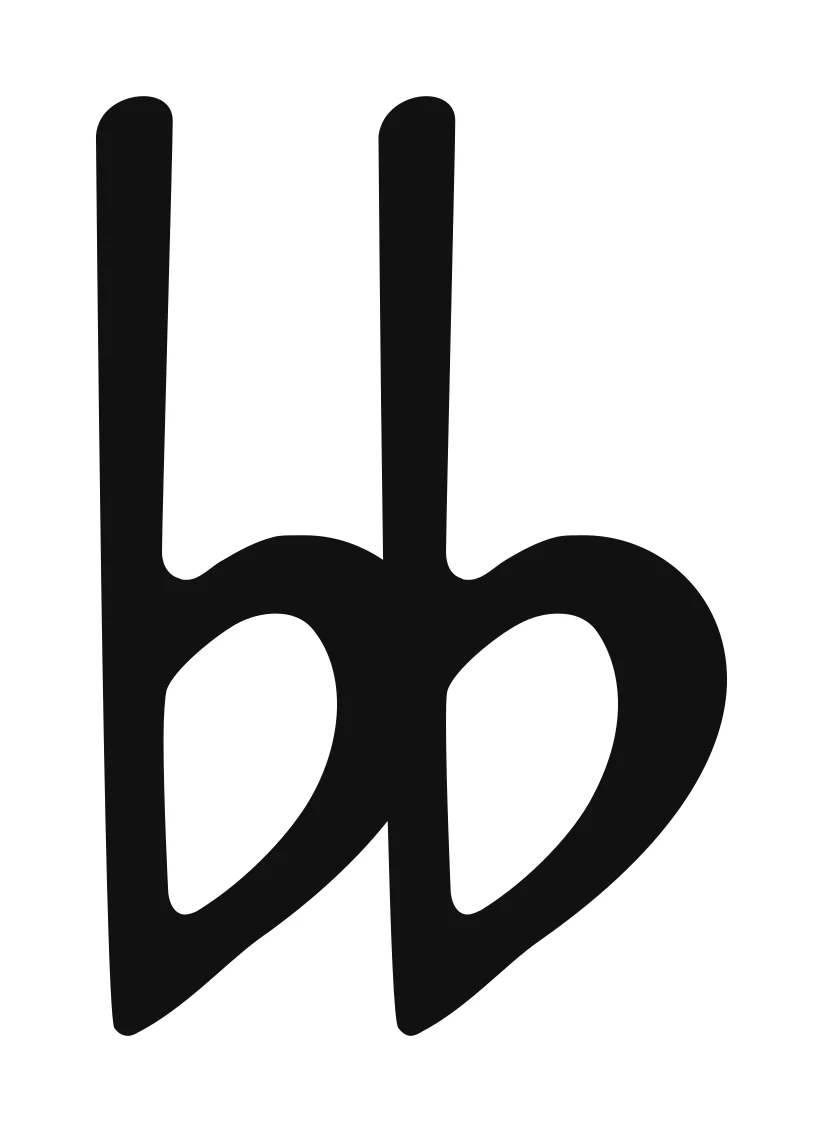
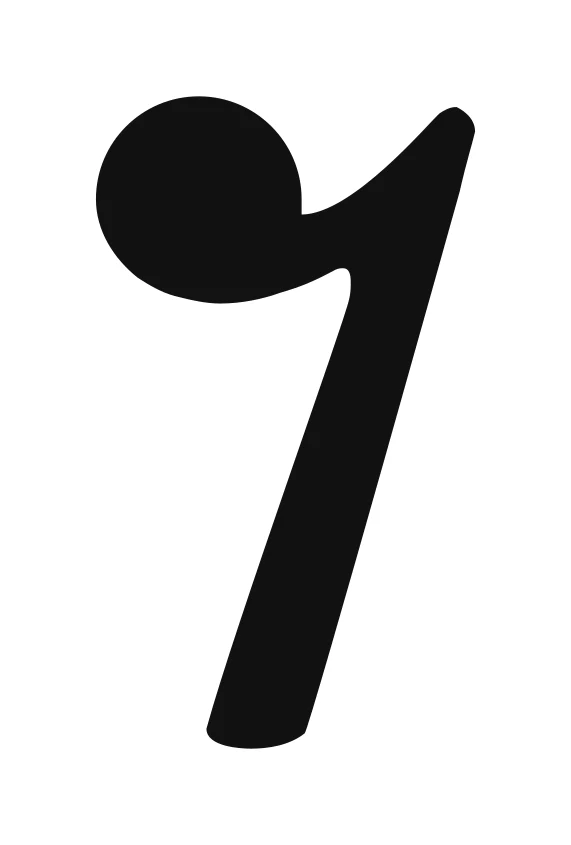
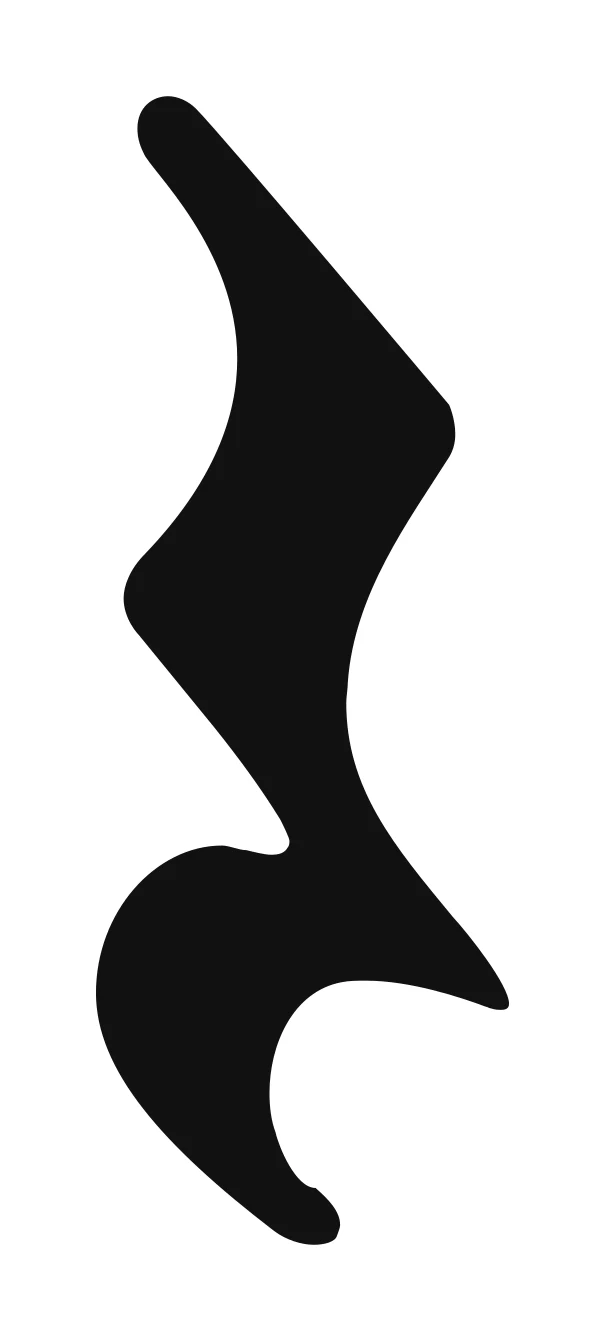
Which rest is shown in the figure?
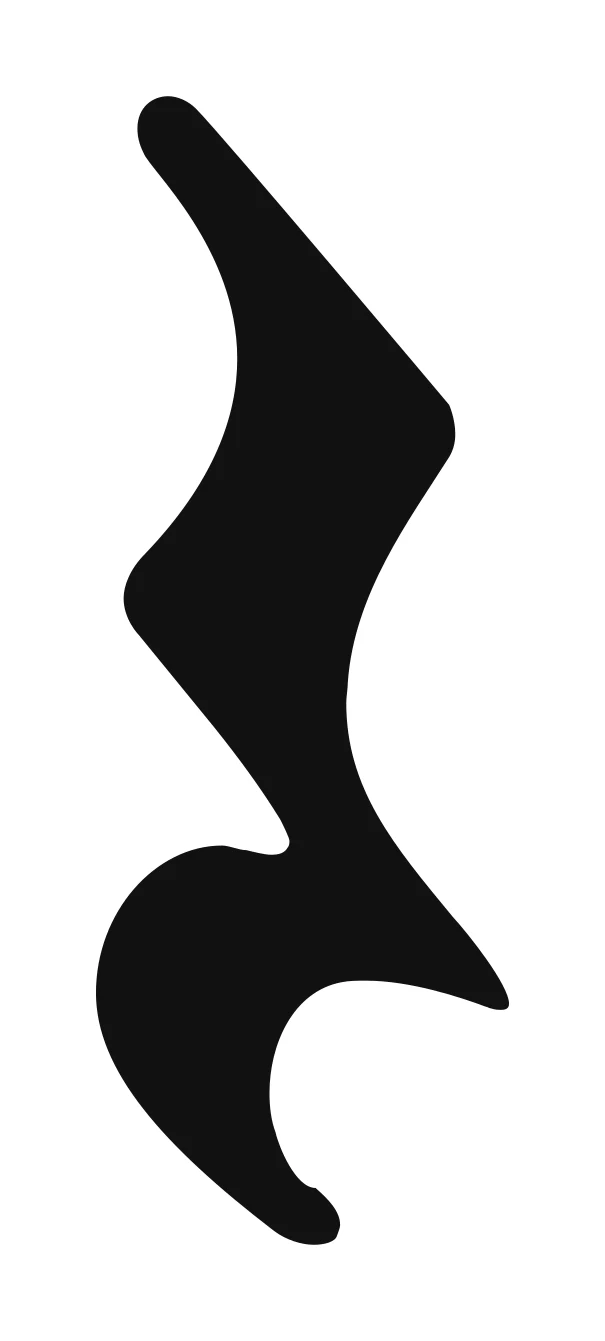
How should this rest symbol be named?
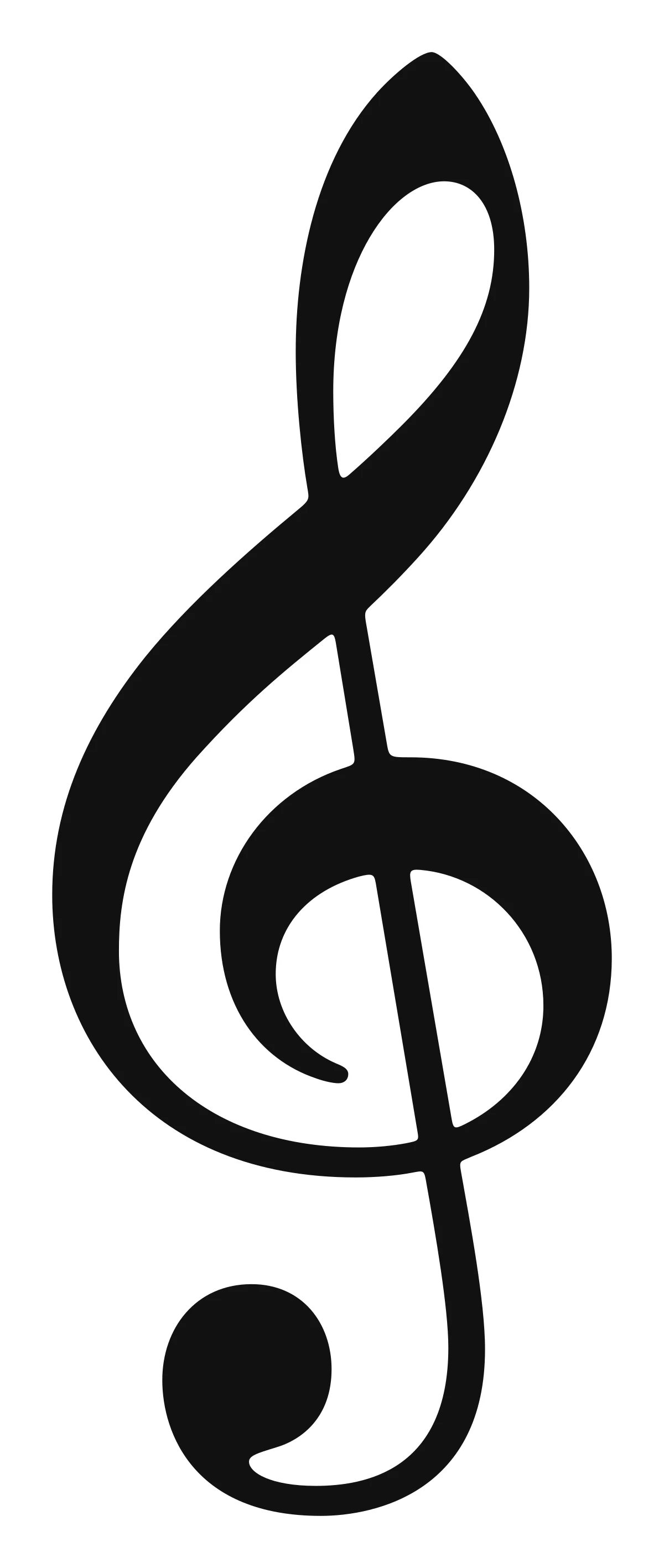
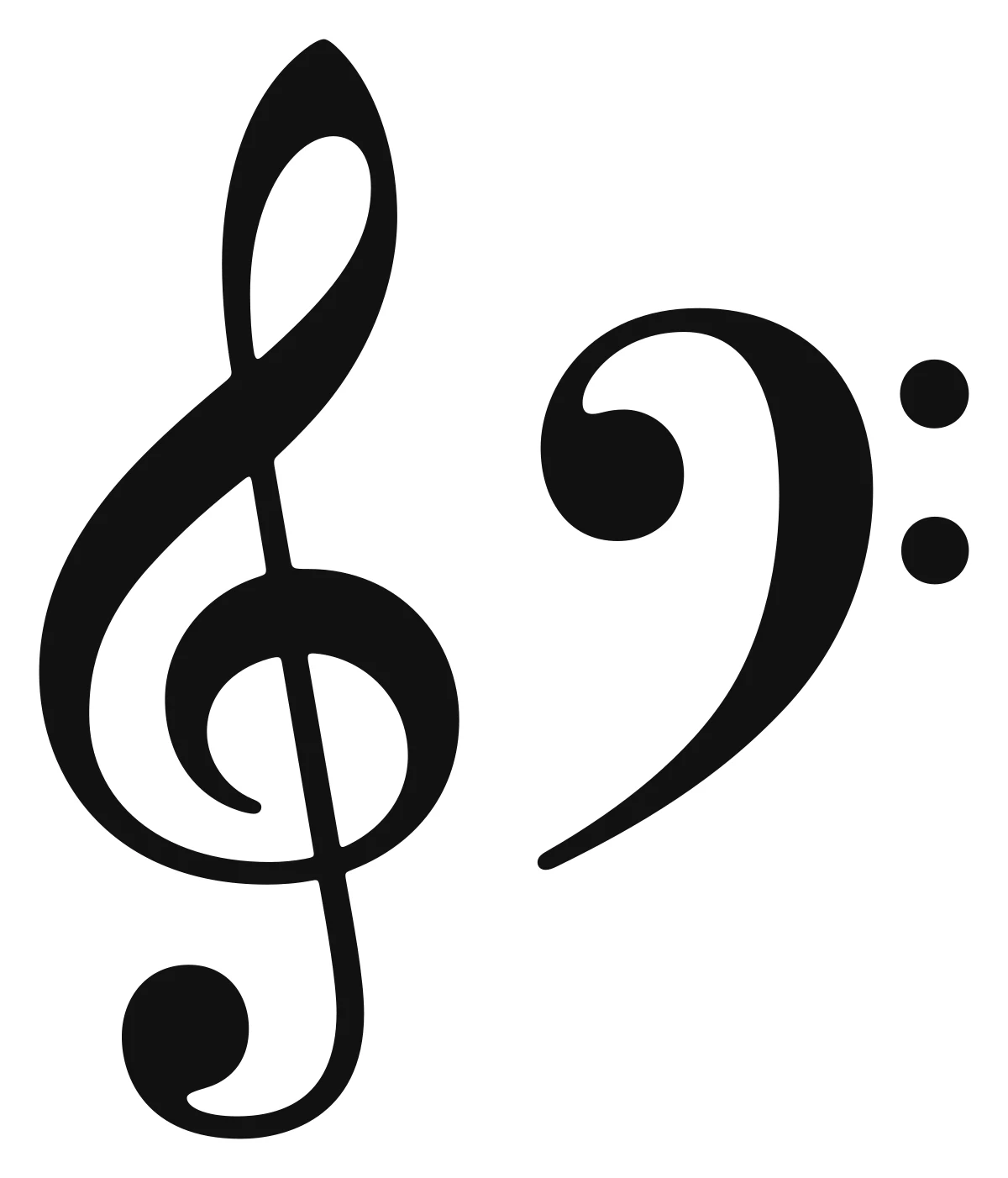
What clef appears in the figure?
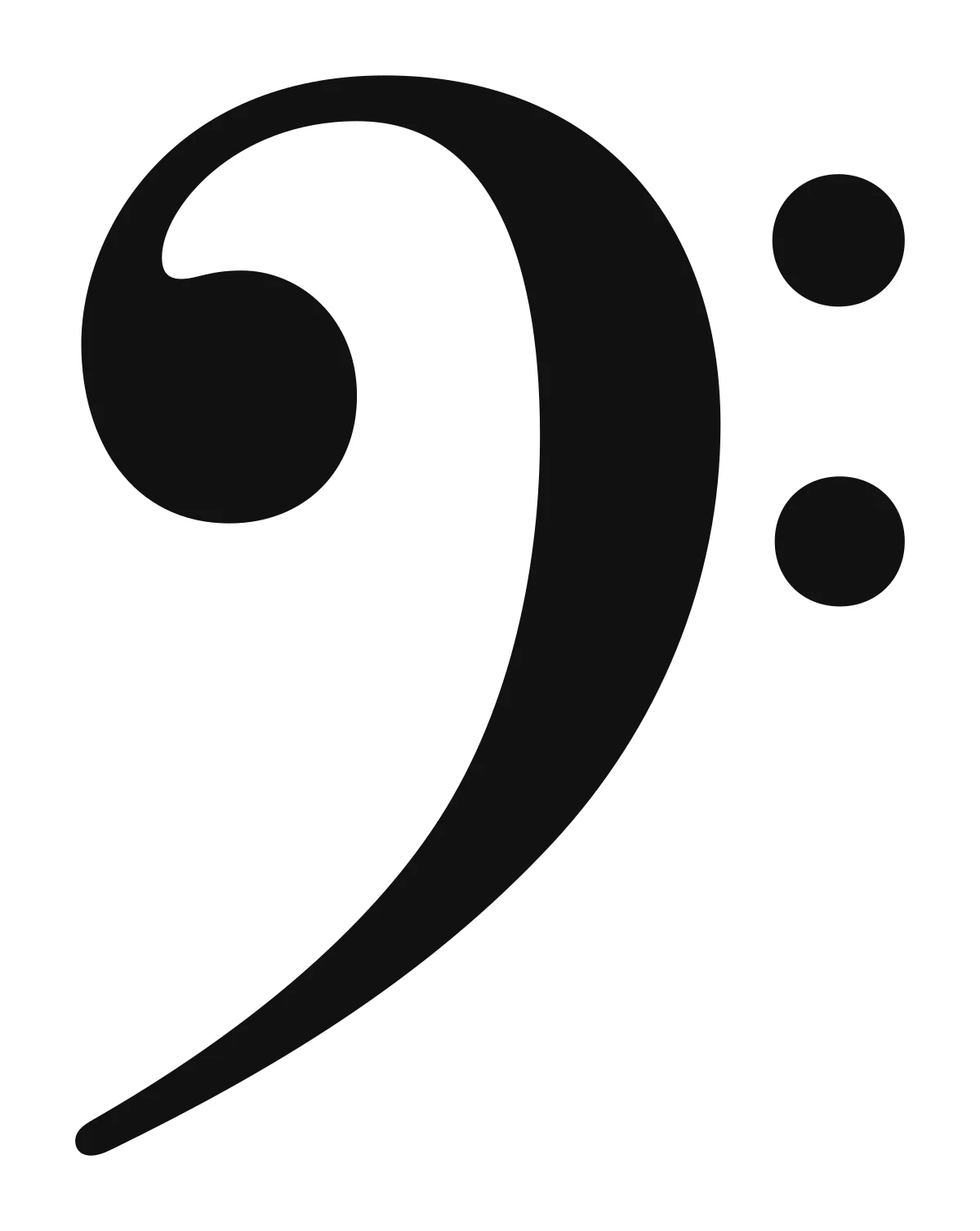
The displayed clef is called which clef?
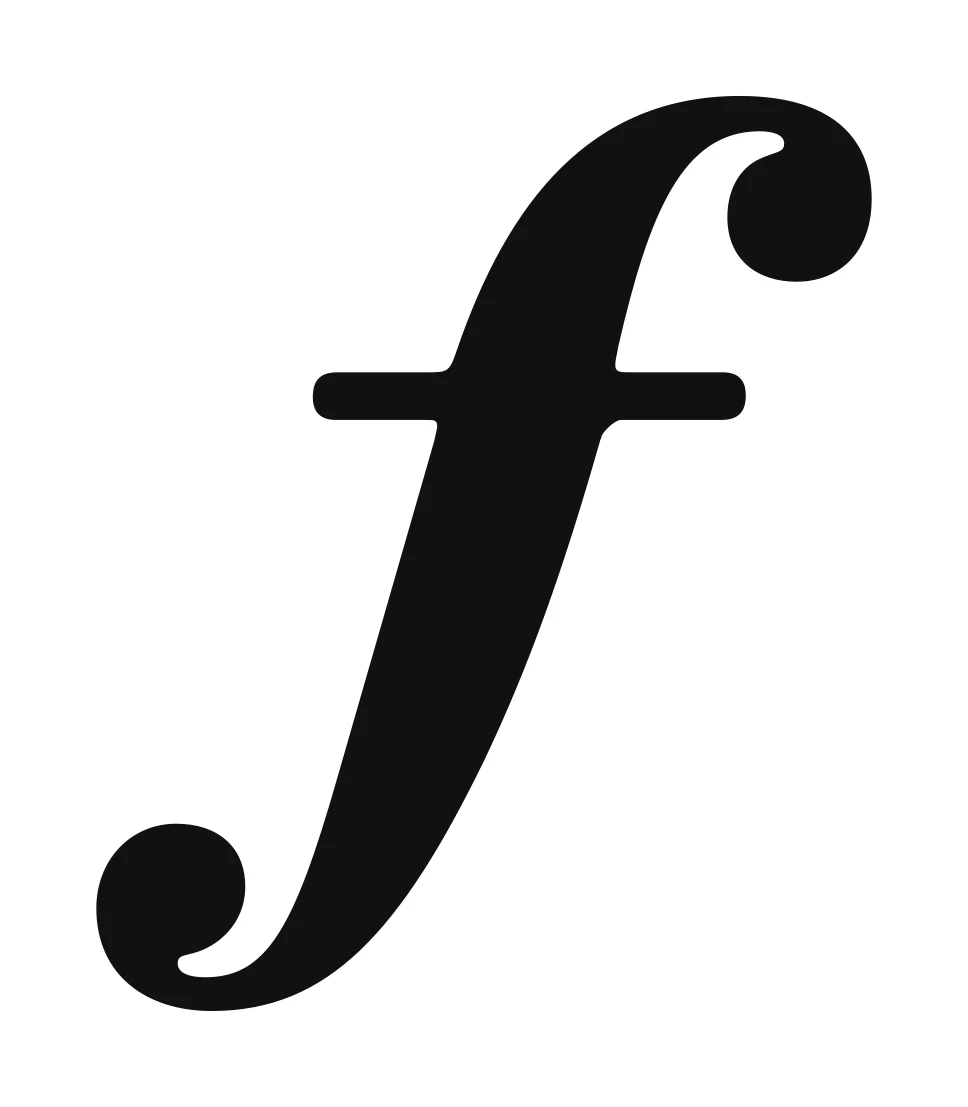
Which dynamic marking is printed here?

What dynamic marking does the figure show?
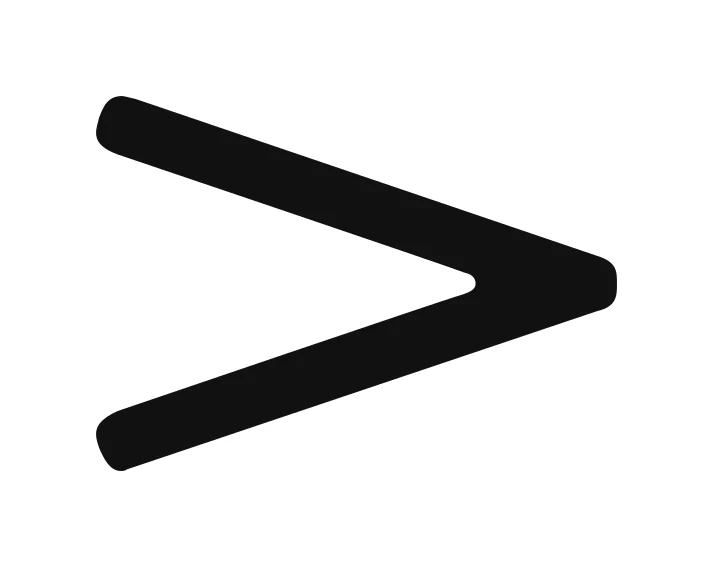
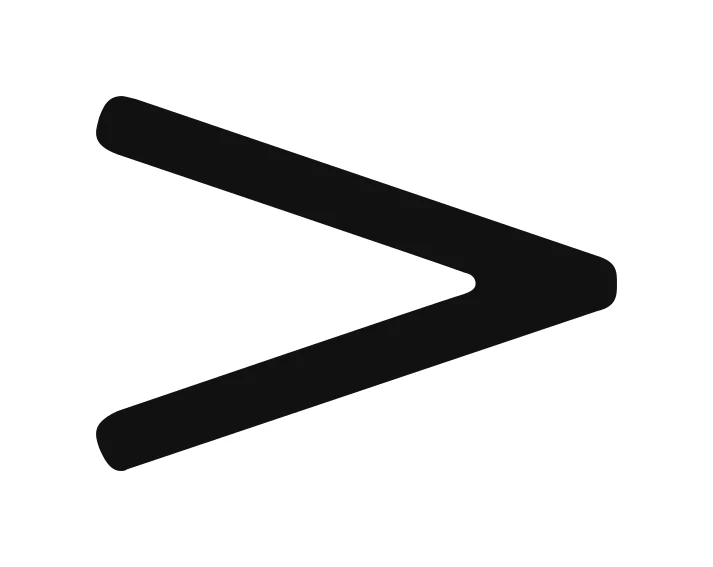
Name the articulation mark shown.

Which articulation is represented by this mark?
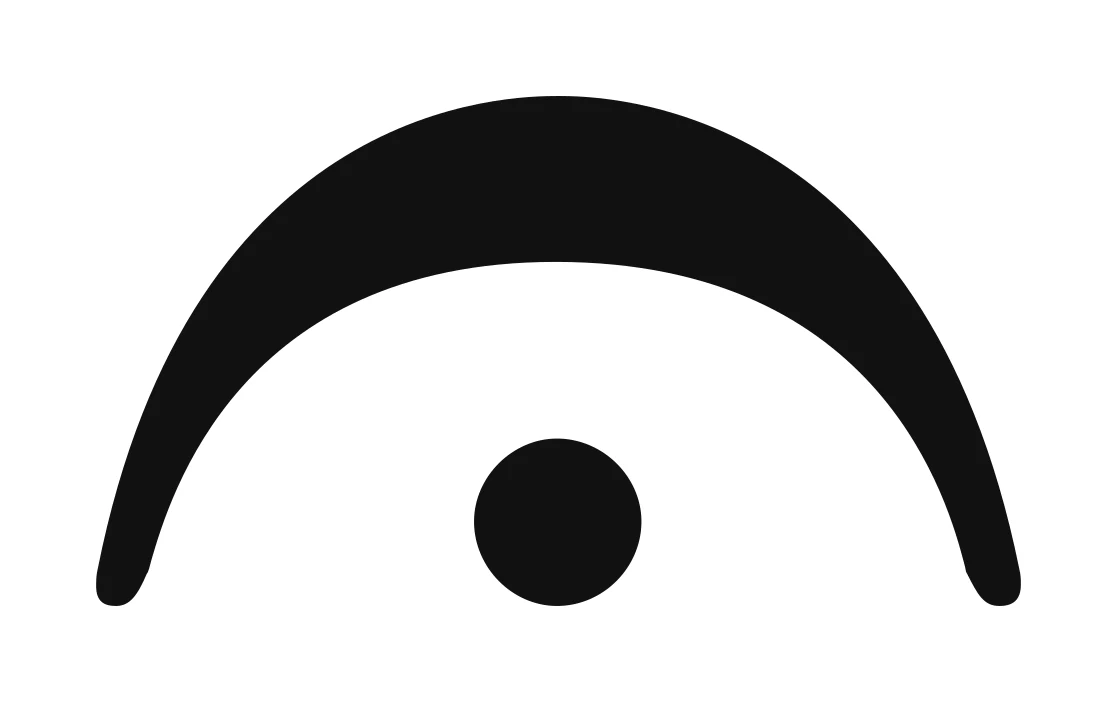
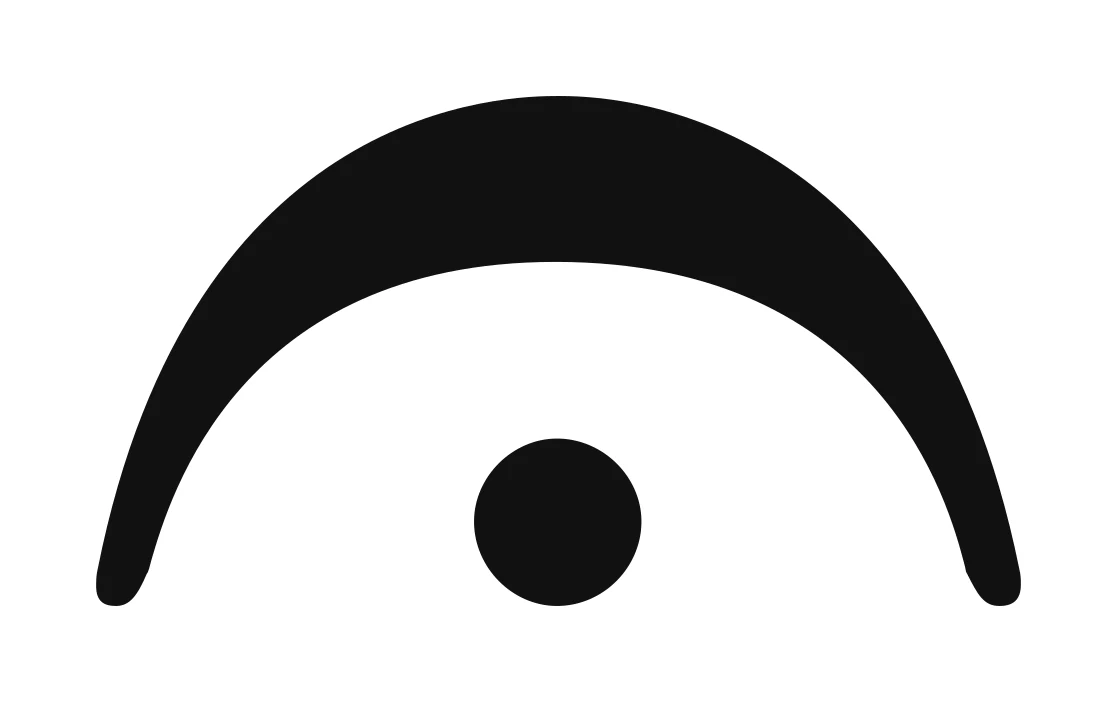
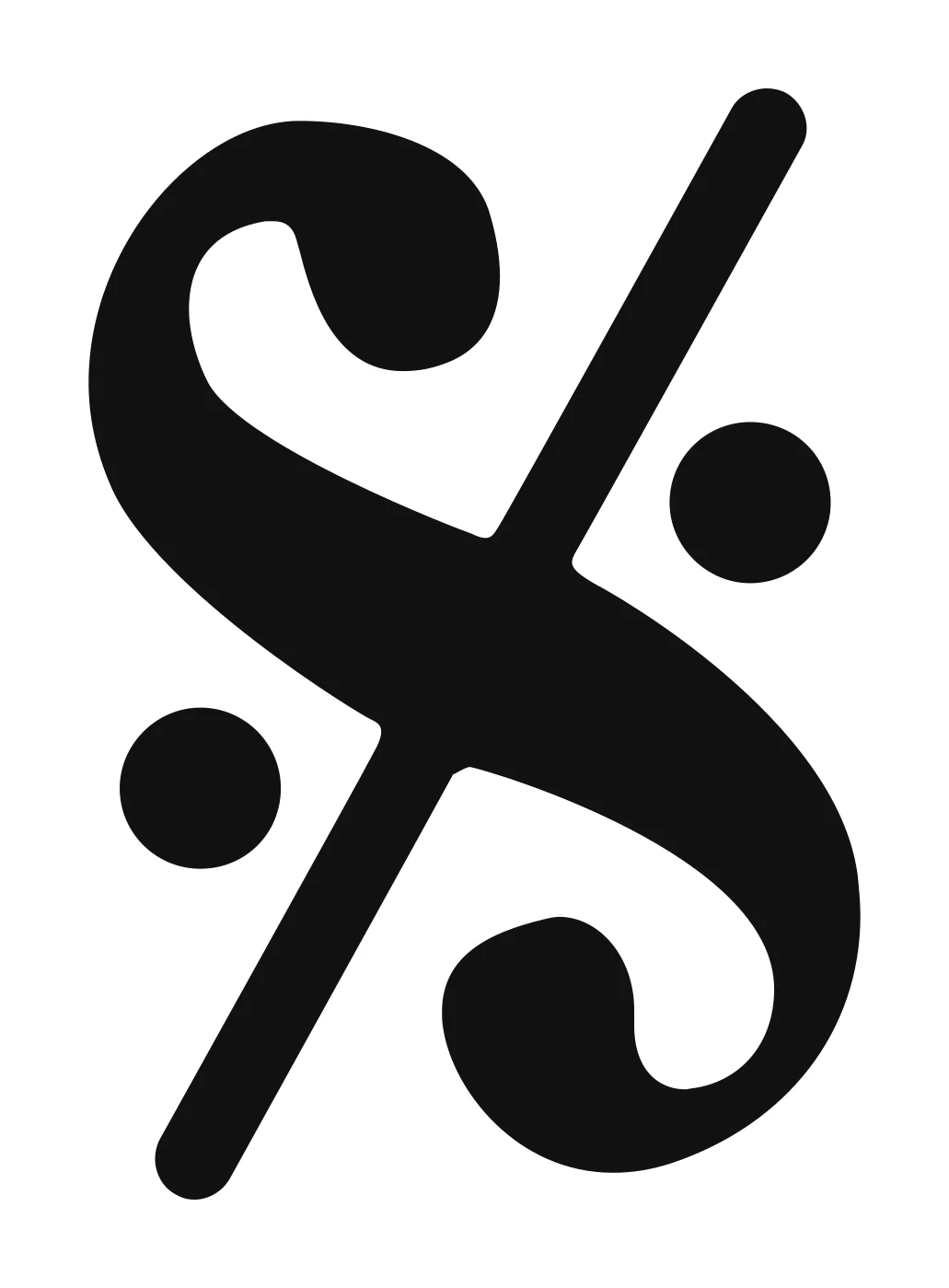
What is the curved symbol with a dot called?
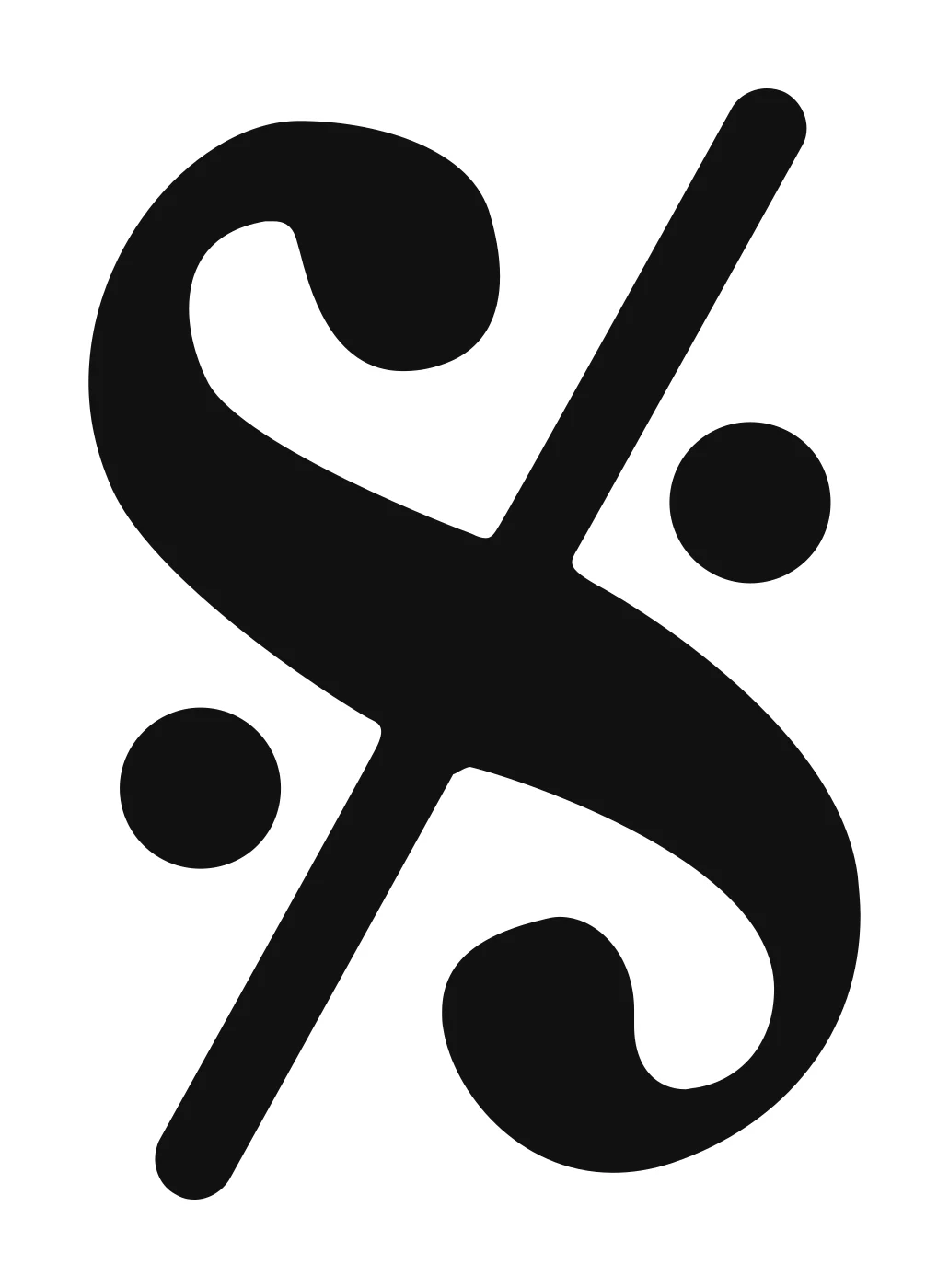
Which navigation symbol is shown?
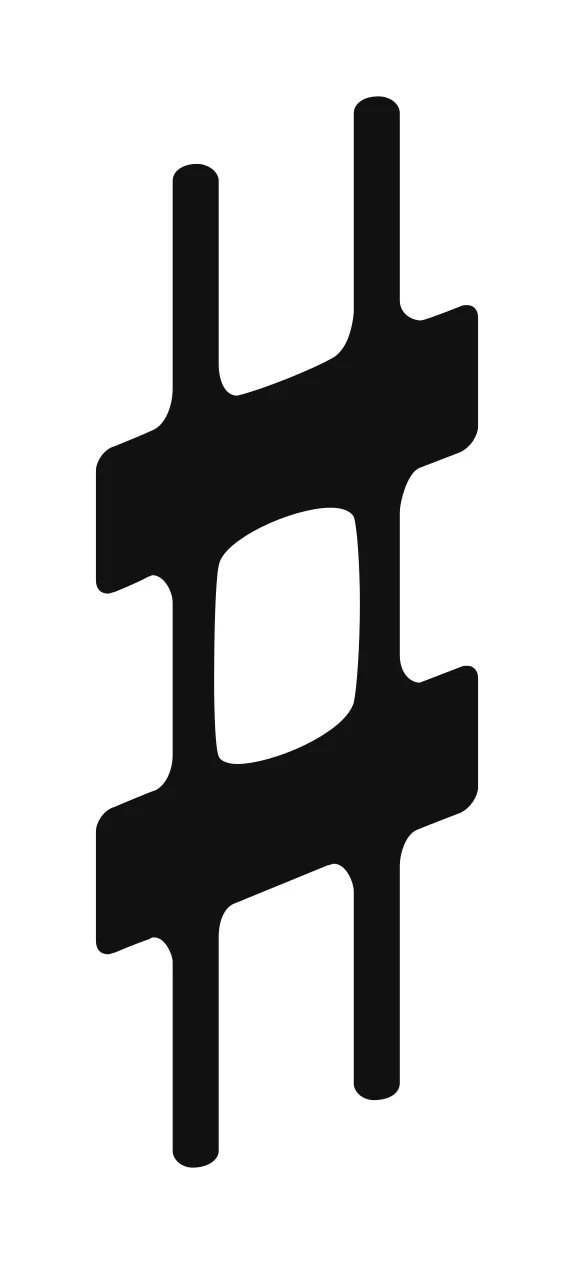
A sharp sign affects a note in what way?
When a player sees this flat sign, what should happen to the pitch?
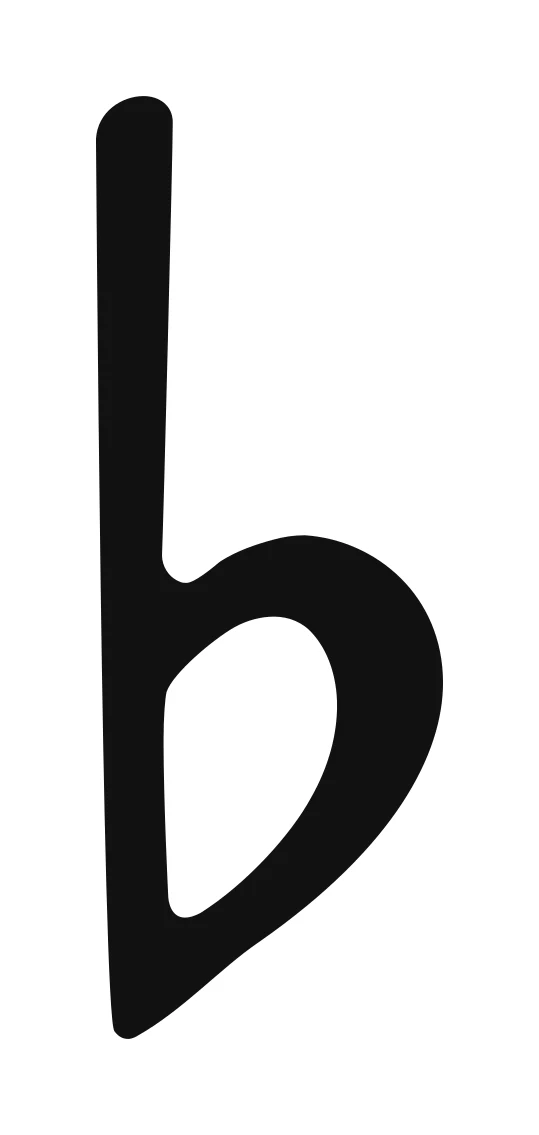
What instruction does this natural sign give?
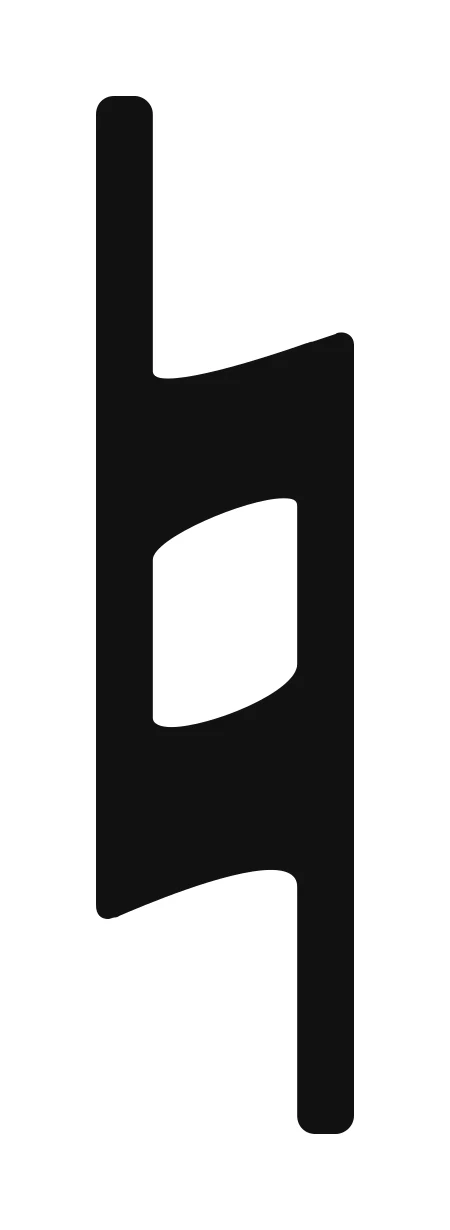
How should a musician perform at this dynamic?

The forte marking directs the ensemble to play how?
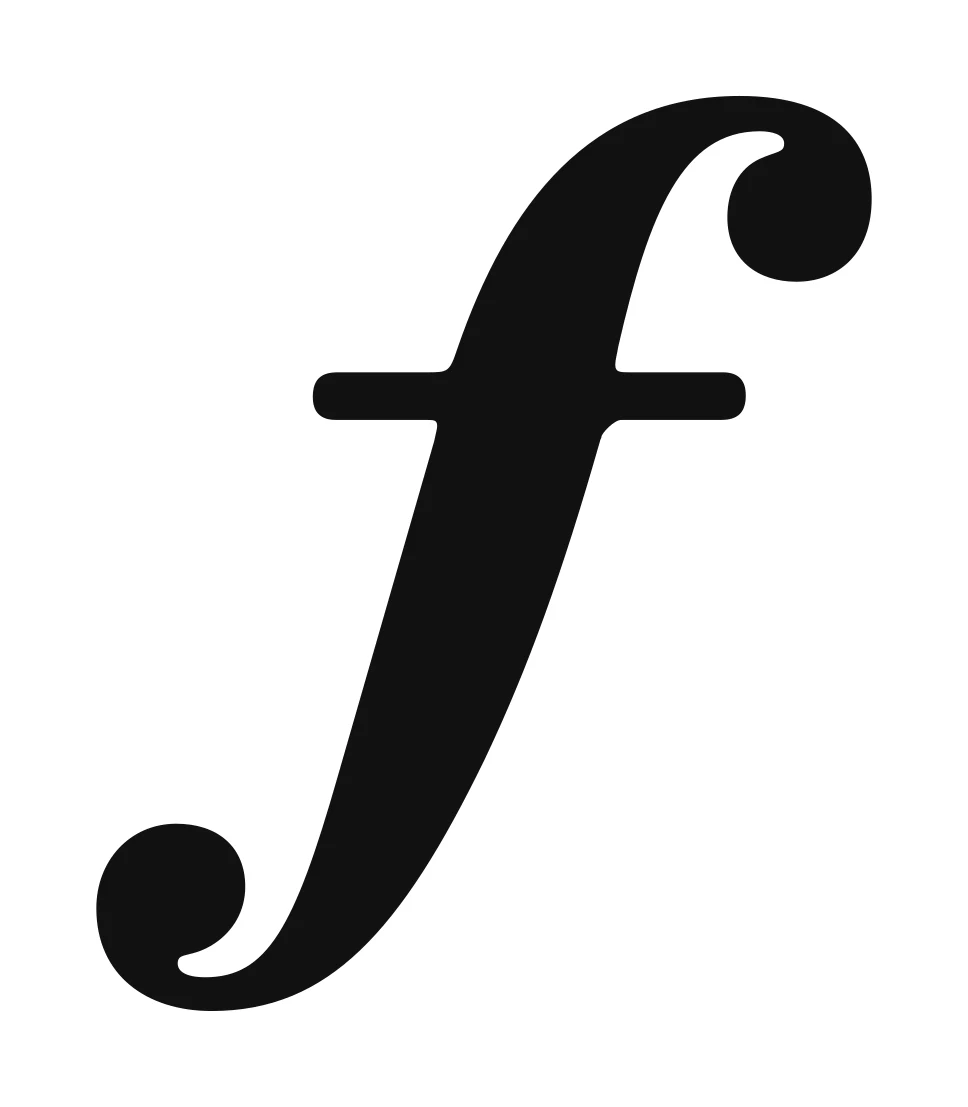
What should a player do when this staccato mark is attached to a note?

How does the accent mark change a note?
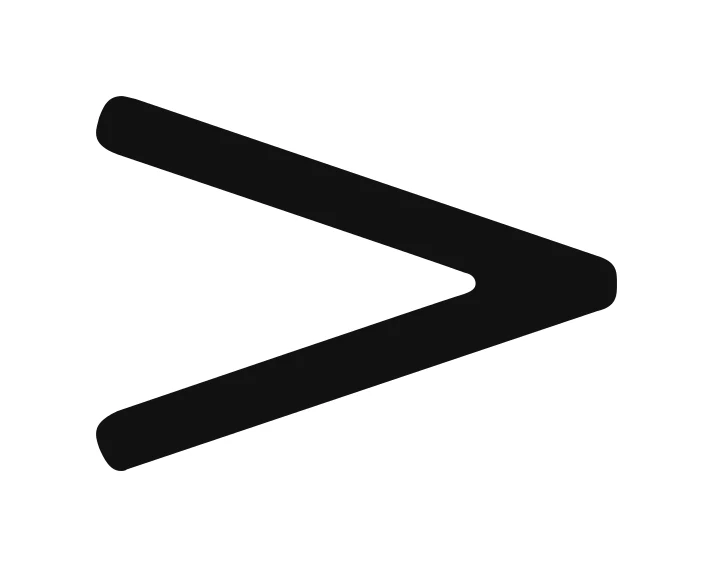
What does a fermata tell a performer to do?
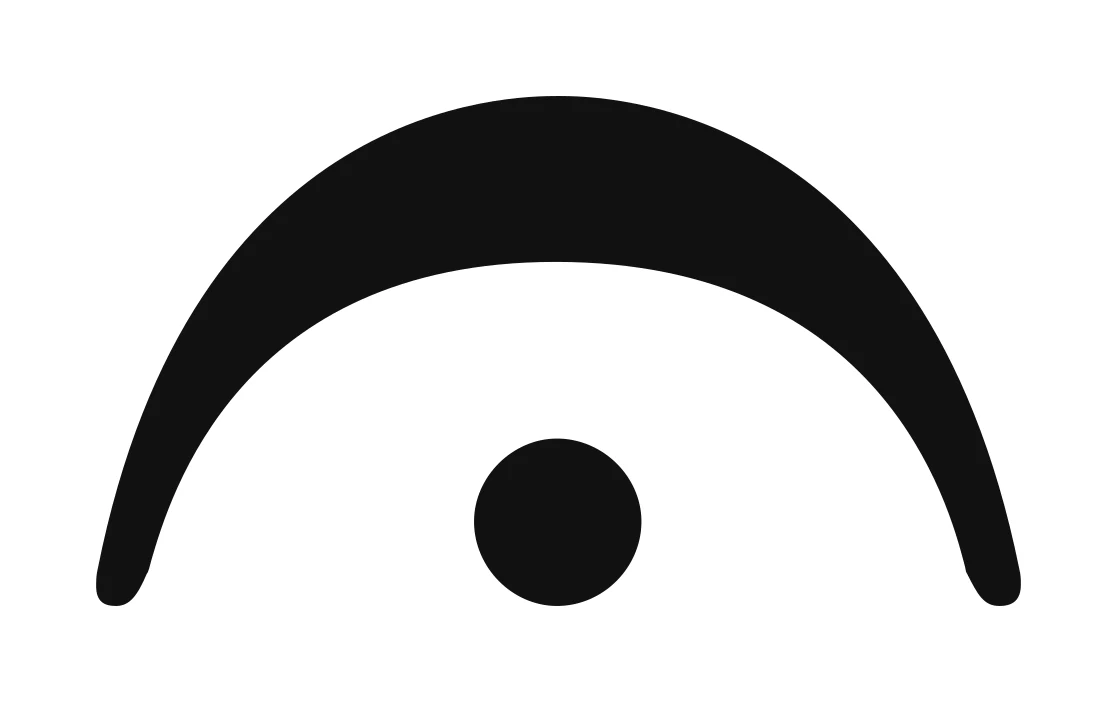
What action do repeat dots usually require?

A D.C. marking tells the player to go where?
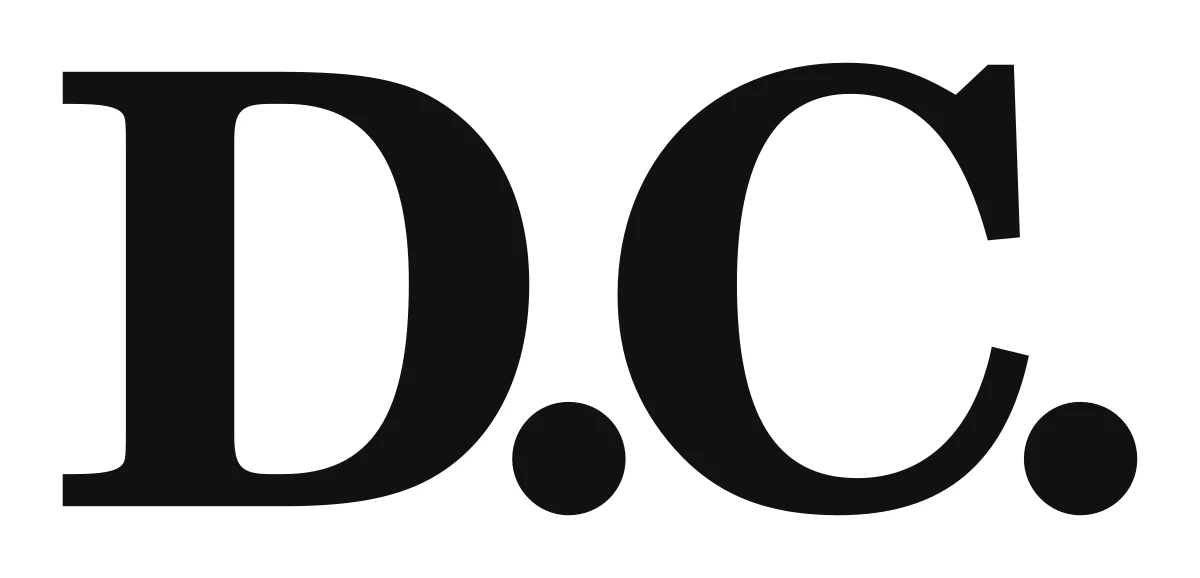
After seeing D.S., where should the musician return?
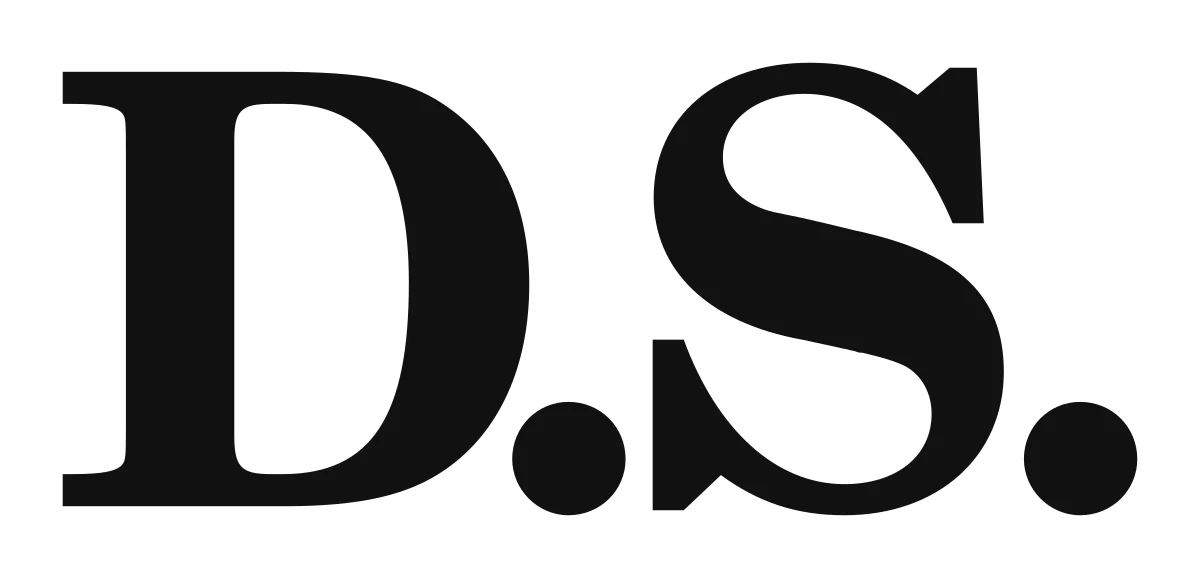
What does a coda sign help a performer locate?
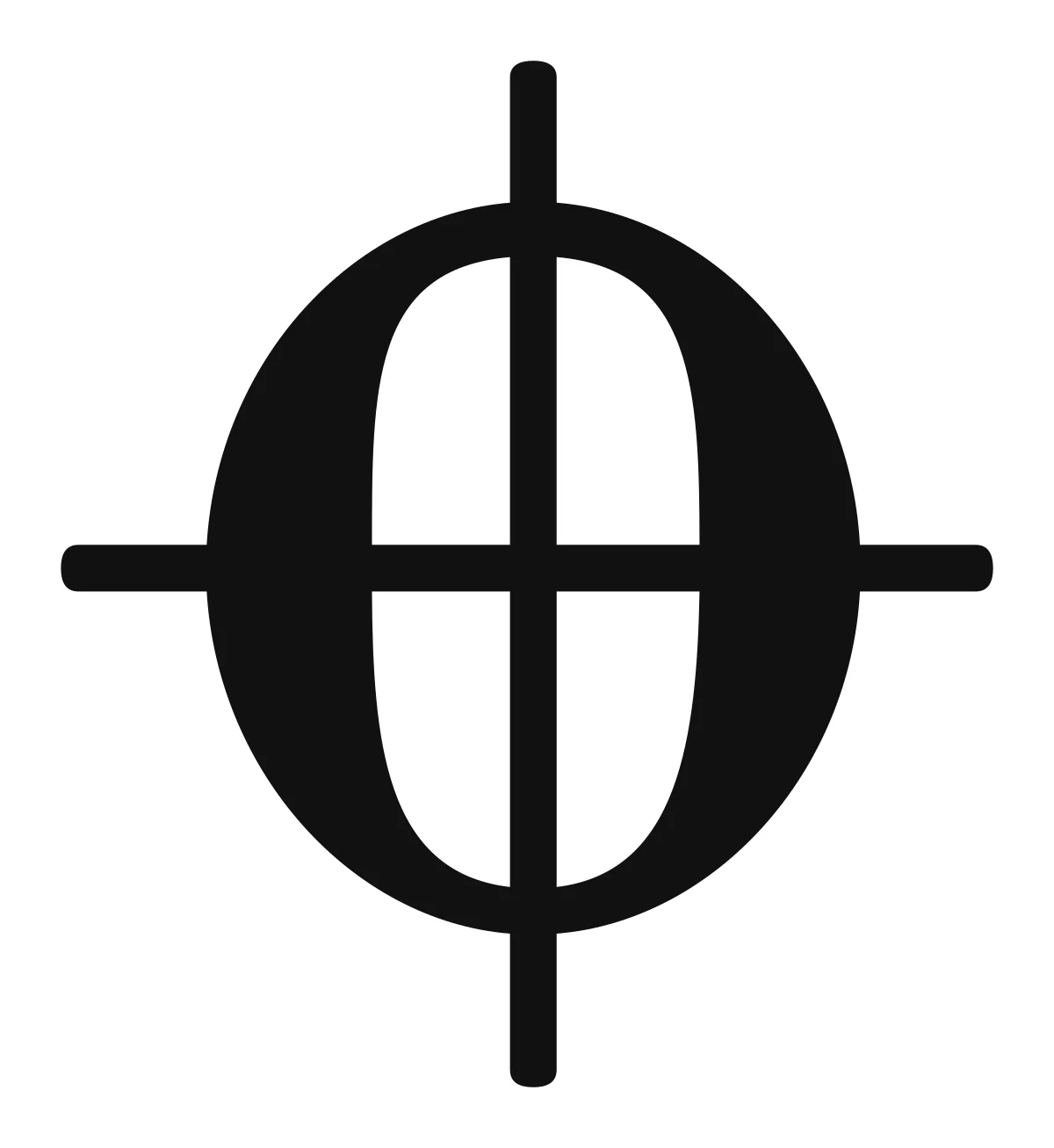
What should a player do for the ornament shown?
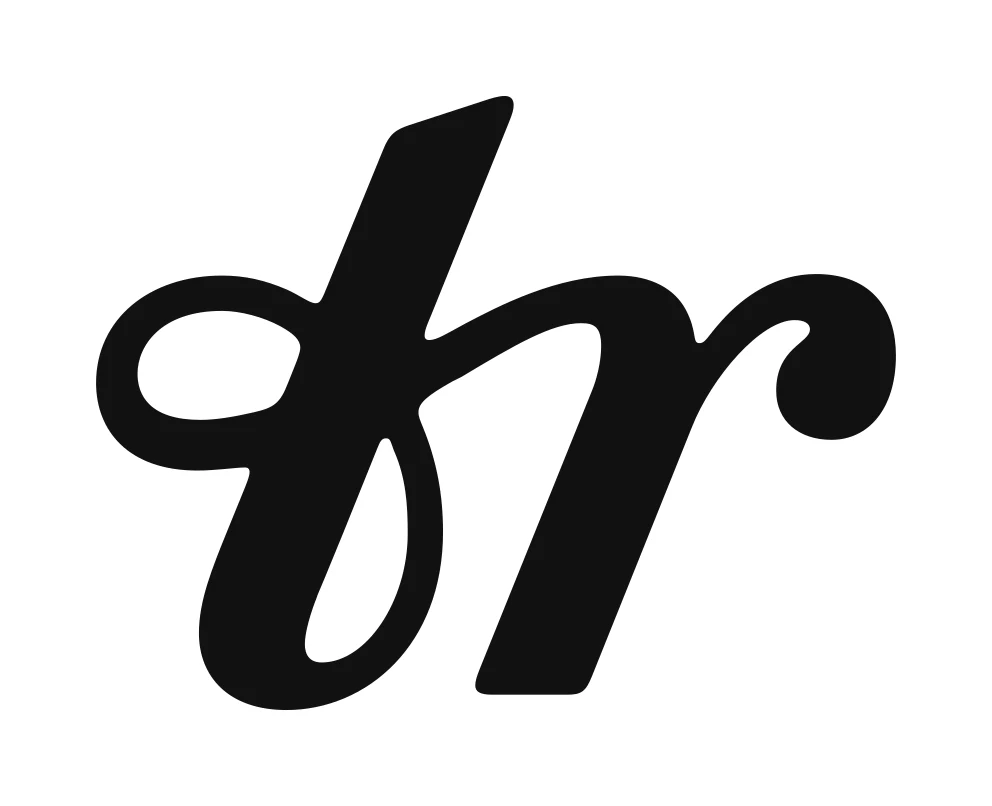
Which statement distinguishes a sharp sign from a flat sign?
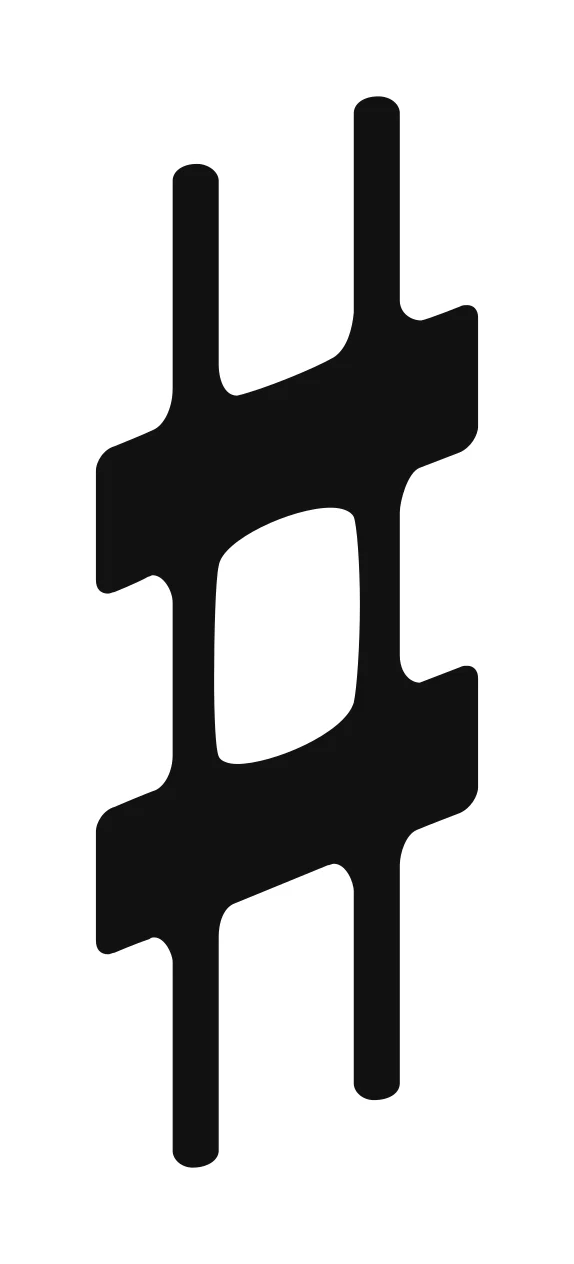
How is the natural sign different from the sharp sign?
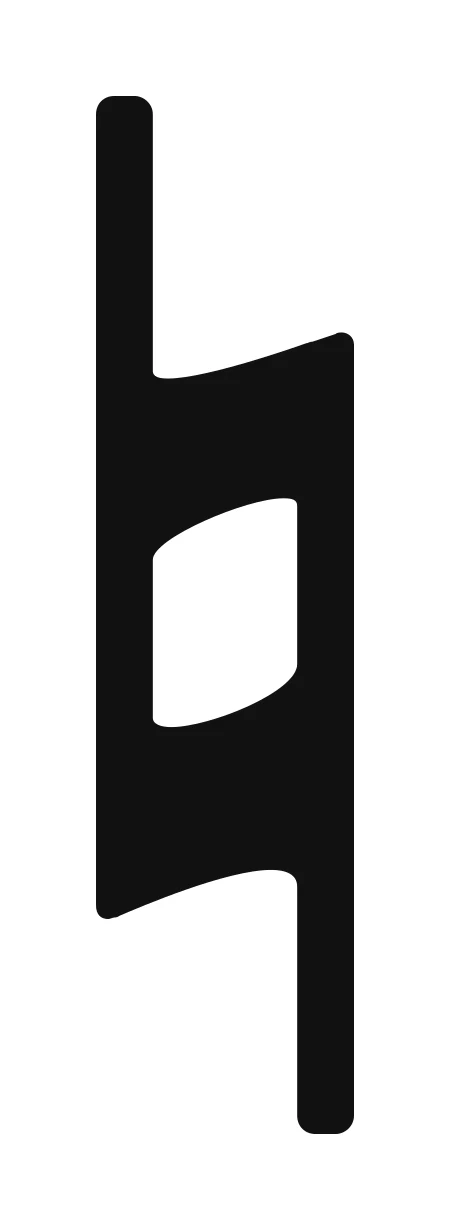
What makes a double-flat different from a flat?
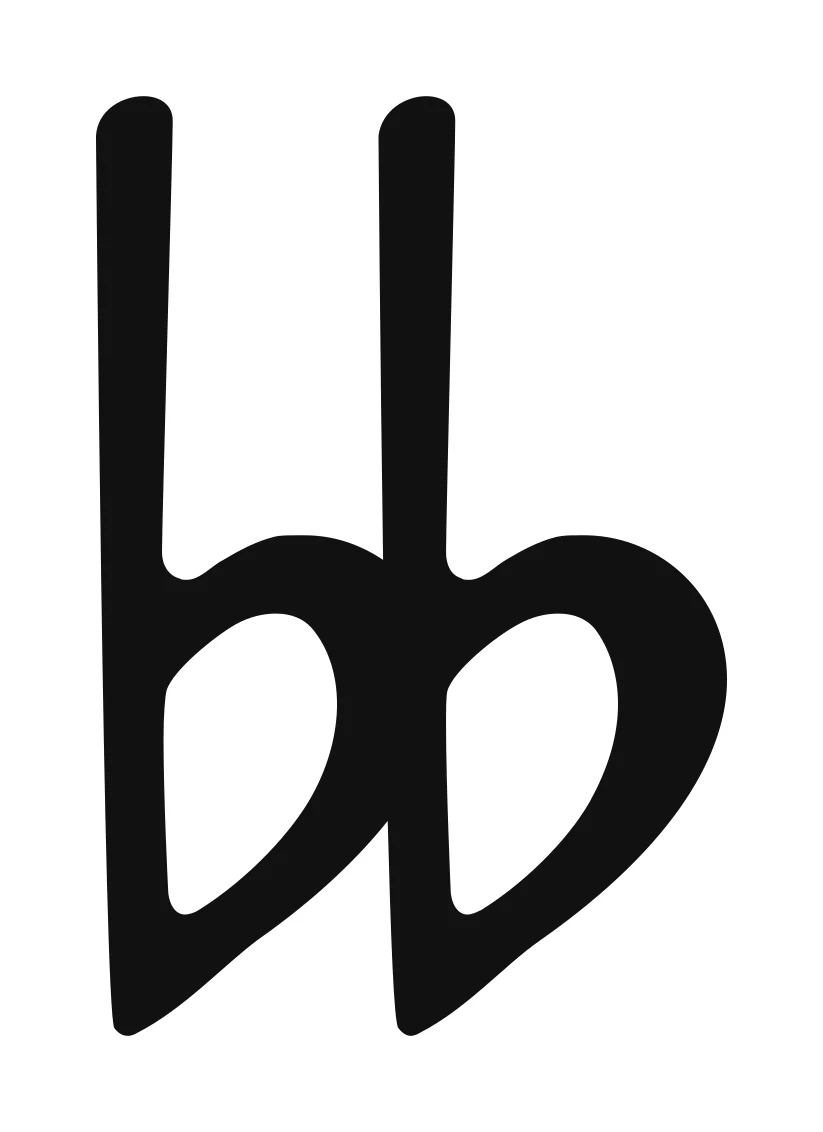
Compared with an eighth rest, how much silence does this quarter rest represent?
What identifies the G clef rather than the F clef?
How does piano differ from forte?

What separates staccato from tenuto articulation?

How is an accent different from staccato?
What distinguishes a fermata from a breath mark?
How does a segno differ from a coda sign in navigation?
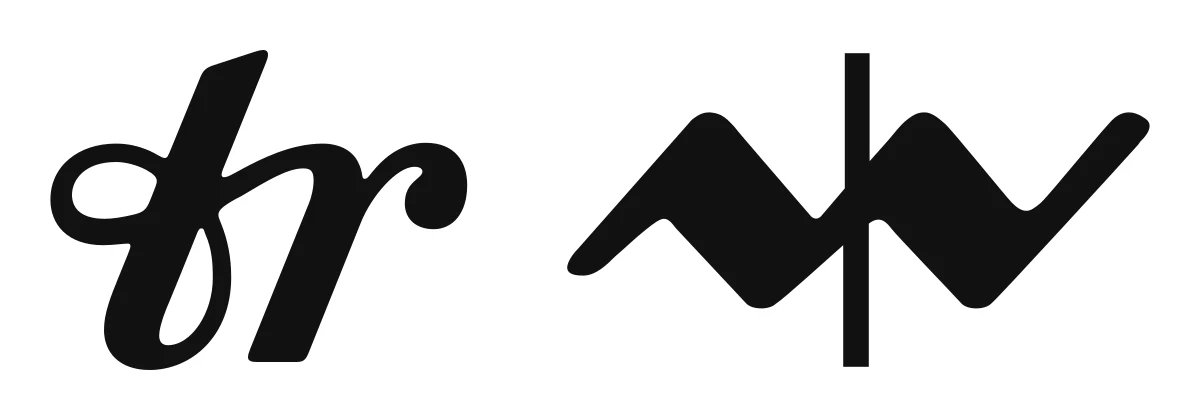
What is the key difference between a trill and a mordent?
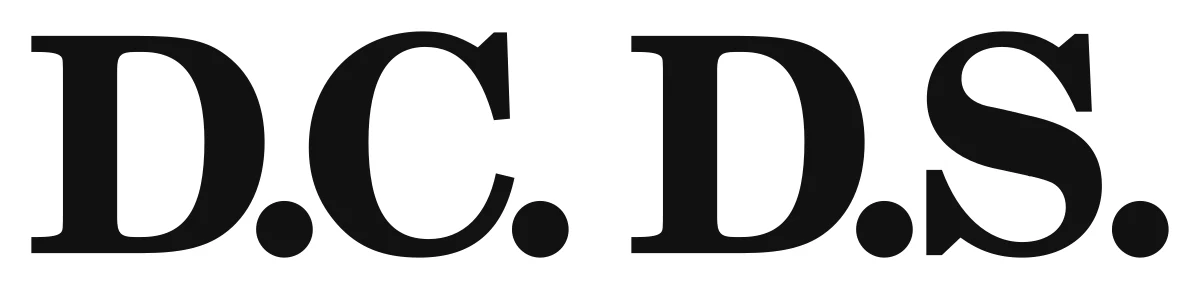
Which comparison between D.C. and D.S. is correct?
Crack the passcode before the zombies get in.
Answer, then swat bugs for bonus points.
Race through questions at your own speed.
Same question on every screen. Fastest wins.

Pick a tile, answer, hit bonuses and steals.
Italian Tempo Terms
30 questions