Loading
by BlastRoom
A cumulative review of harmony analysis and part-writing.
#us_hs_music_theory
40 questions
One question set, multiple game modes. Tap any game to see it in action. Not sure which to pick?
Answer to place stones and capture territory.
Outrun the snow together.
Earn blasts, then hunt the other team.
Answer to earn energy, then climb.

The class blasts through walls together.
Bid on mystery lots. Most money wins.
Sell tours. Nice, standard, or a total scam.

Answer, restock, and serve the rush.
More correct answers pulls the rope your way.
Answer, then shoot down the alien wave.
Answer, then tap to leap the frozen ridge.
A root-position chord spells D, F, A, and C. What seventh-chord quality is it?
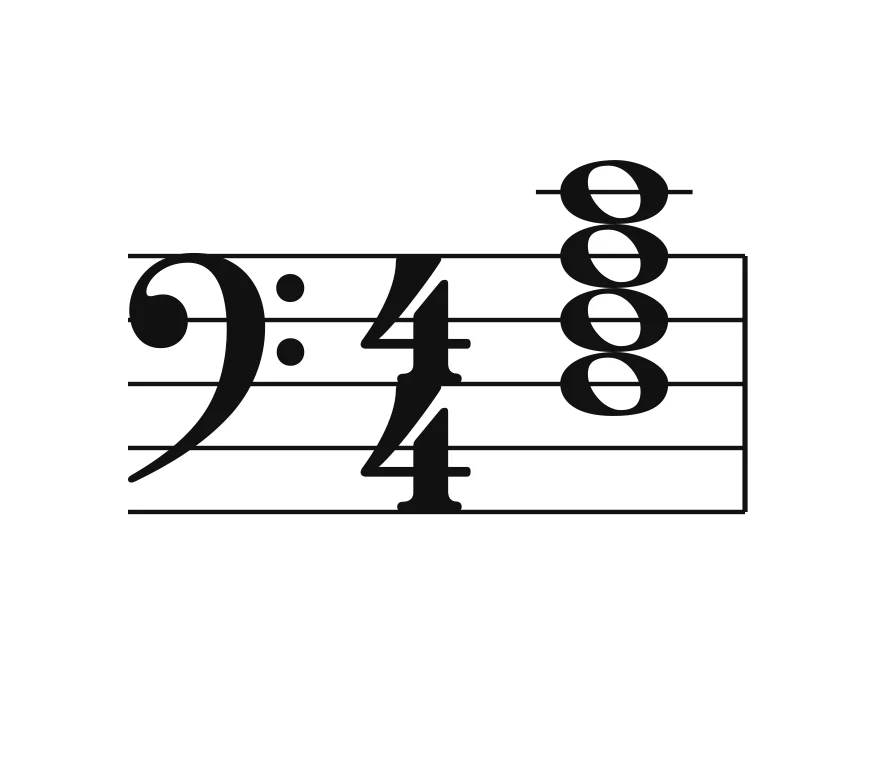
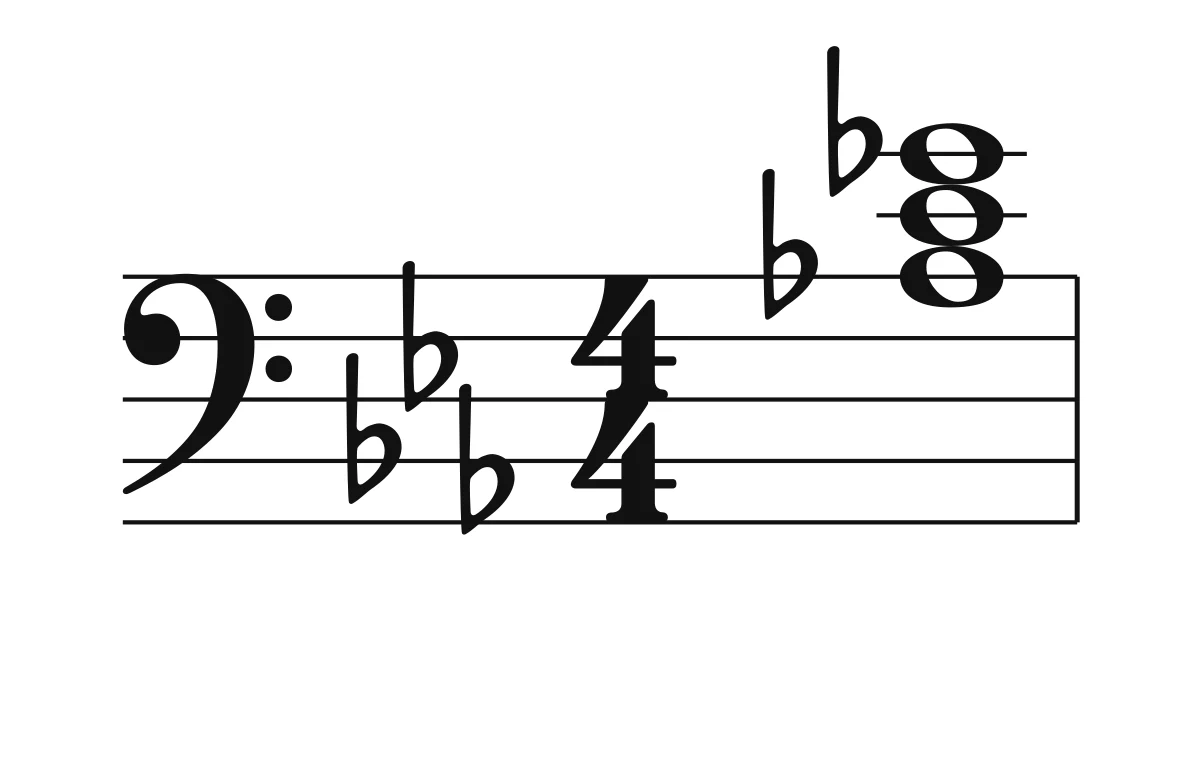
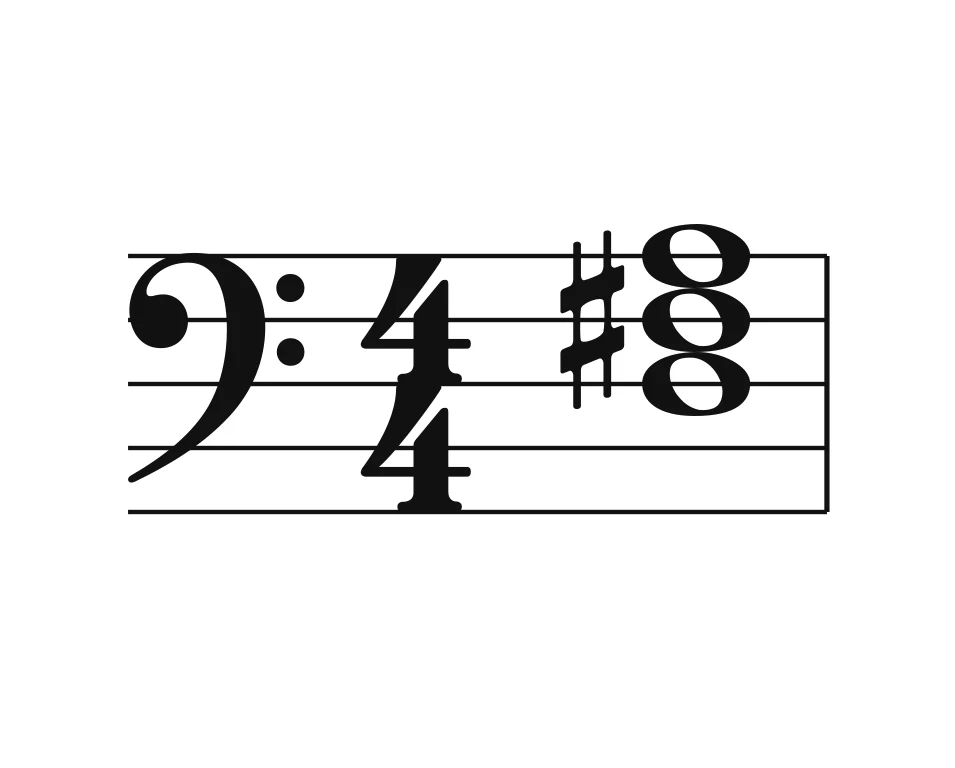
The chord shown is built on C. How is this seventh chord classified?
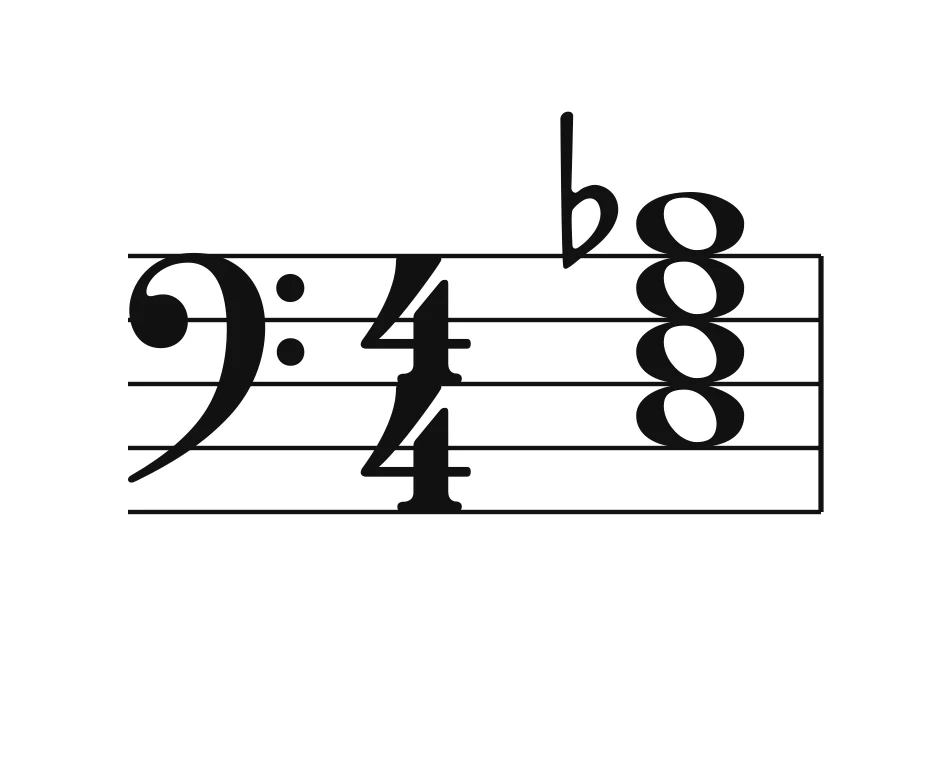
A seventh chord spells B, D, F, and A. What is its quality?
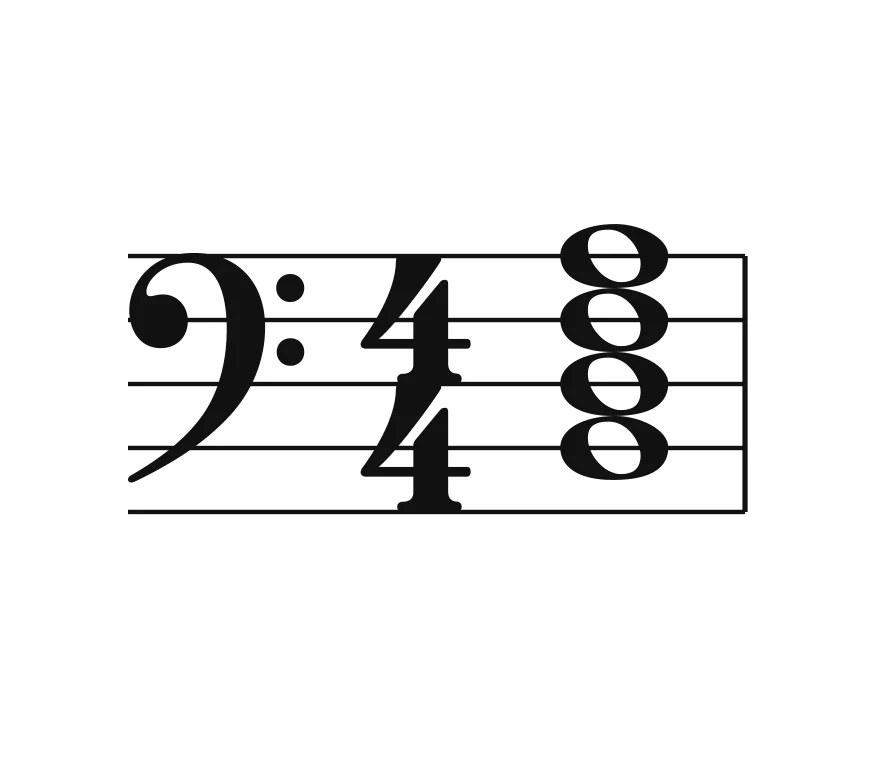
Which quality describes the chord B–D–F–A♭?
For a seventh chord, what does the figured-bass symbol 6/5 indicate?
A seventh chord has the figured-bass symbol 4/3. Which chord member is in the bass?
What does a 4/2 figure beneath a seventh chord show?
In G major, the chord F♯–A–C–E is most accurately labeled as which diatonic seventh chord?
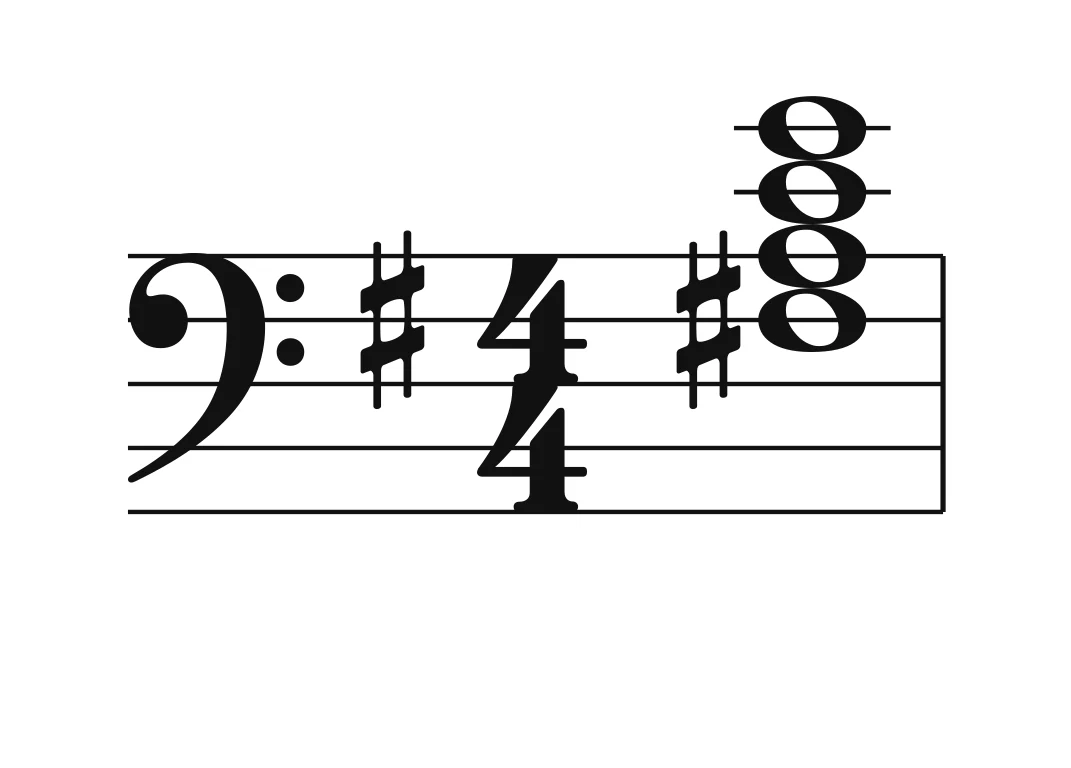
In a common-practice V7–I resolution, how does the chordal seventh normally resolve?
In E♭ major, which Roman numeral names the triad A♭–C–E♭?
In C major, what harmonic function does ii most commonly serve?
In a major key, which Roman numeral most directly expresses dominant function?
A progression in C major moves I–vi–ii–V. What function does vi most often prolong here?
In A major, which Roman numeral labels the chord B–D–F♯?
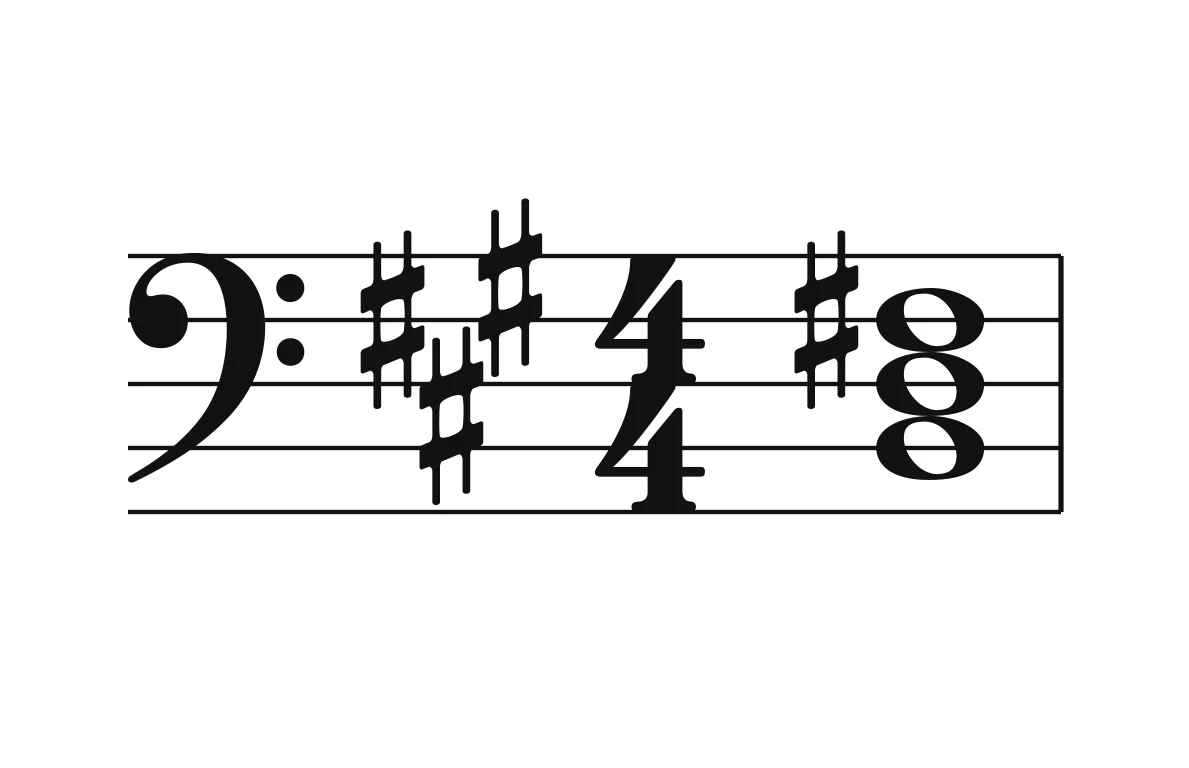
In C major, the chord A–C♯–E resolves to a D minor chord. What is its Roman-numeral label?
Which progression most strongly represents tonic moving to predominant function in a major key?
In C major, a chord spells D–F–A. Which Roman numeral is correct?
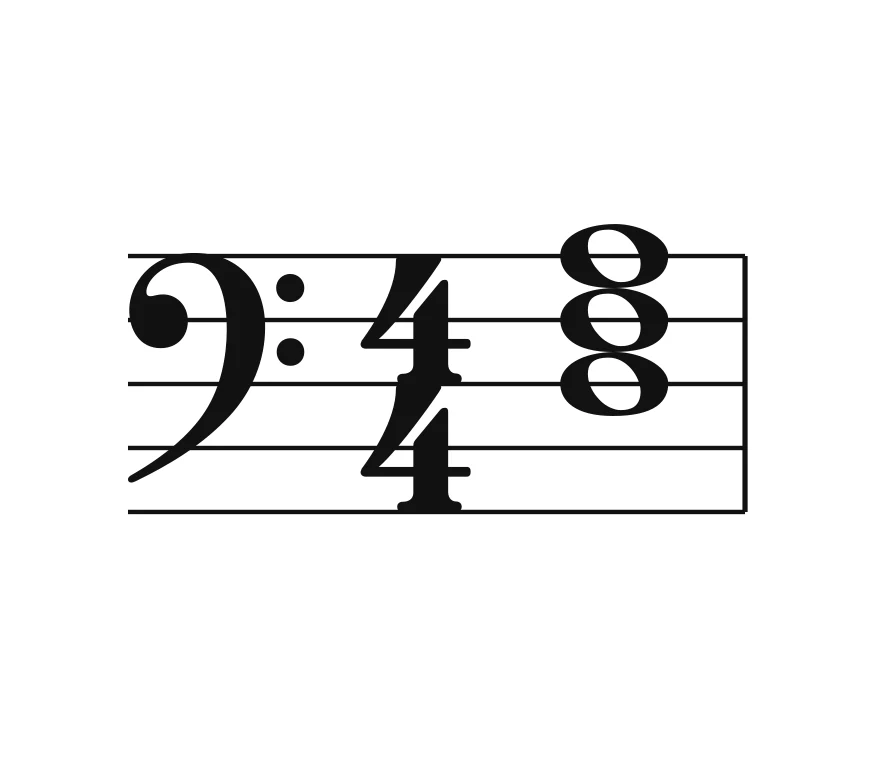
Which chord is the leading-tone triad in a major key?
In a major key, which harmonic-function order is most typical?
The progression shown ends V7–I, with both chords in root position and scale degree 1 in the soprano. Which cadence is it?
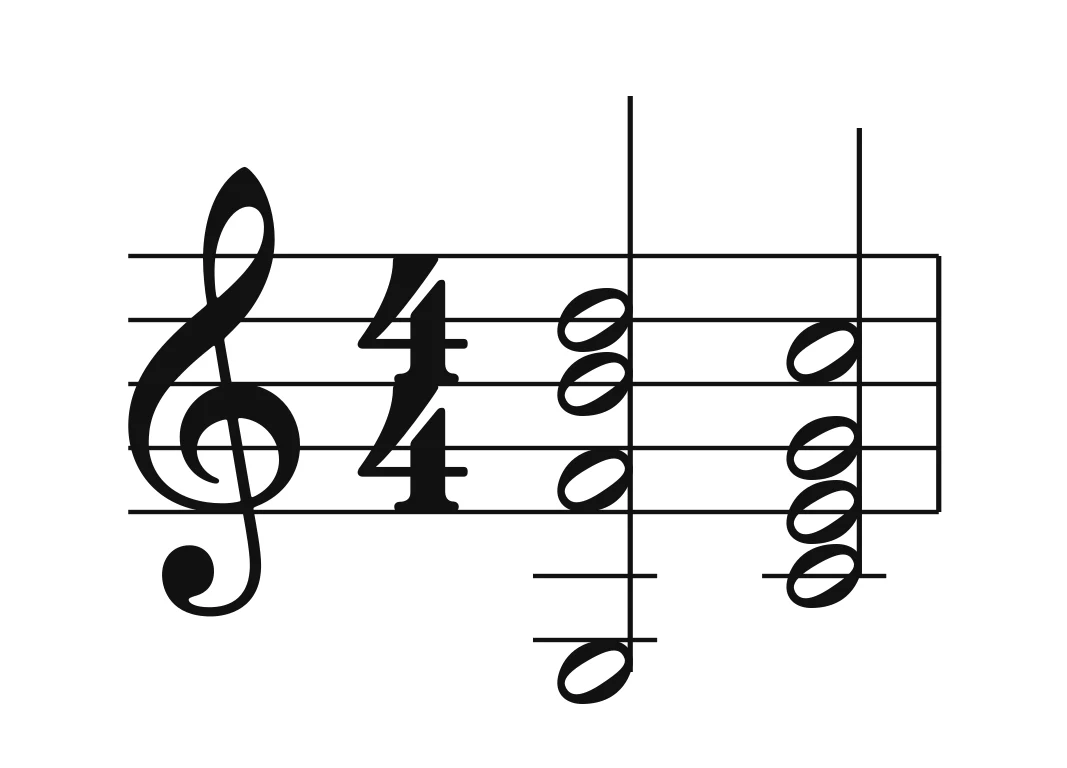
A phrase closes with V–I, but the final tonic chord is in first inversion. What cadence results?
What cadence is formed by IV–I at the end of a phrase?
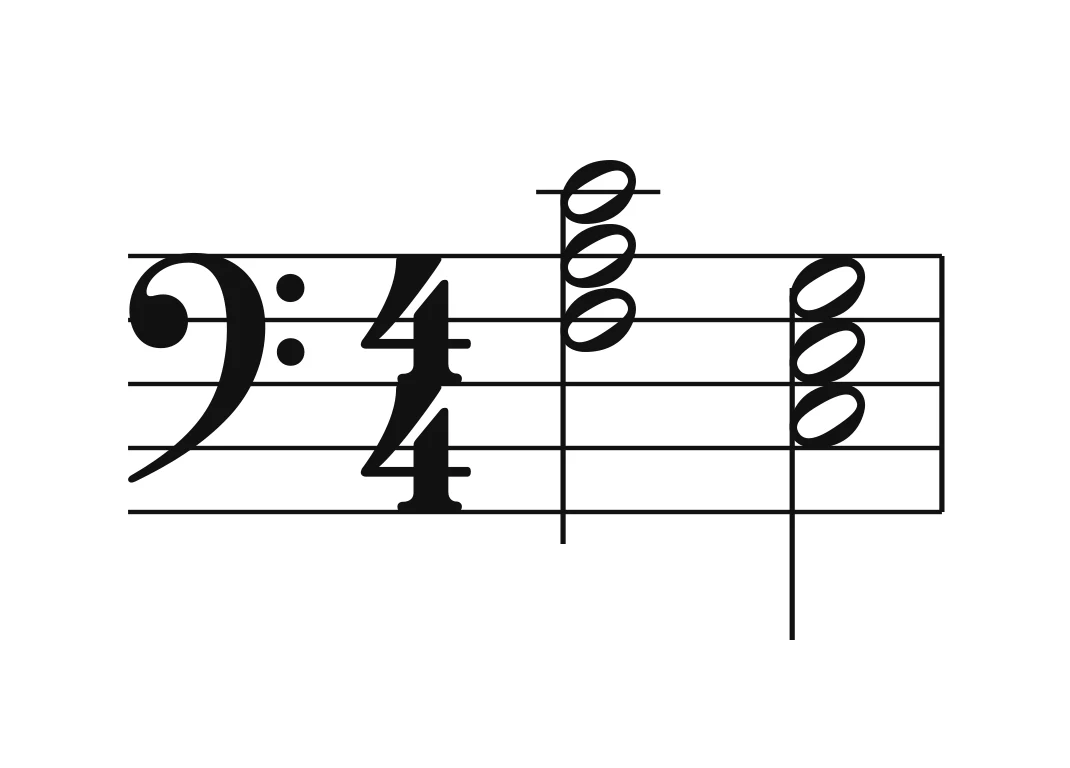
A phrase ends on V and does not resolve to tonic. What type of cadence is this?
In C major, a phrase moves V to vi at its close. How is this cadence classified?
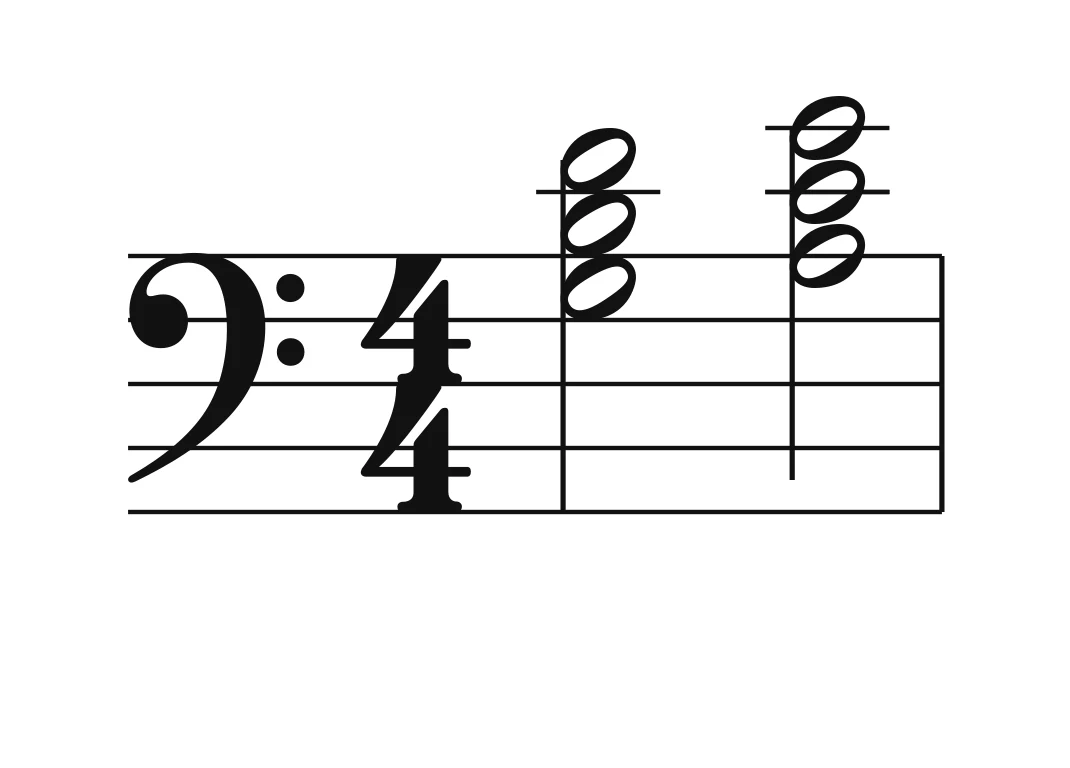
Which feature prevents a V–I ending from being a perfect authentic cadence?
In C major, the chord E–G♯–B resolves to an A minor chord. What is its Roman-numeral label?
Which progression is a standard expanded cadential pattern in a major key?
In a deceptive cadence in a minor key, which chord usually follows V?
A dissonant tone is sounded on a strong beat, prepared by the preceding chord, and resolves downward by step. What non-chord tone is it?
A melody moves C–D–E while the harmony remains stable; D fills the step between two chord tones. What is D?
A melodic line moves E–F–E while E is a chord tone and F is not. How is F classified?
A tone belonging to the next harmony arrives early at the end of the previous harmony. What is this non-chord tone called?
Read the two voices shown. What voice-leading error do they make?
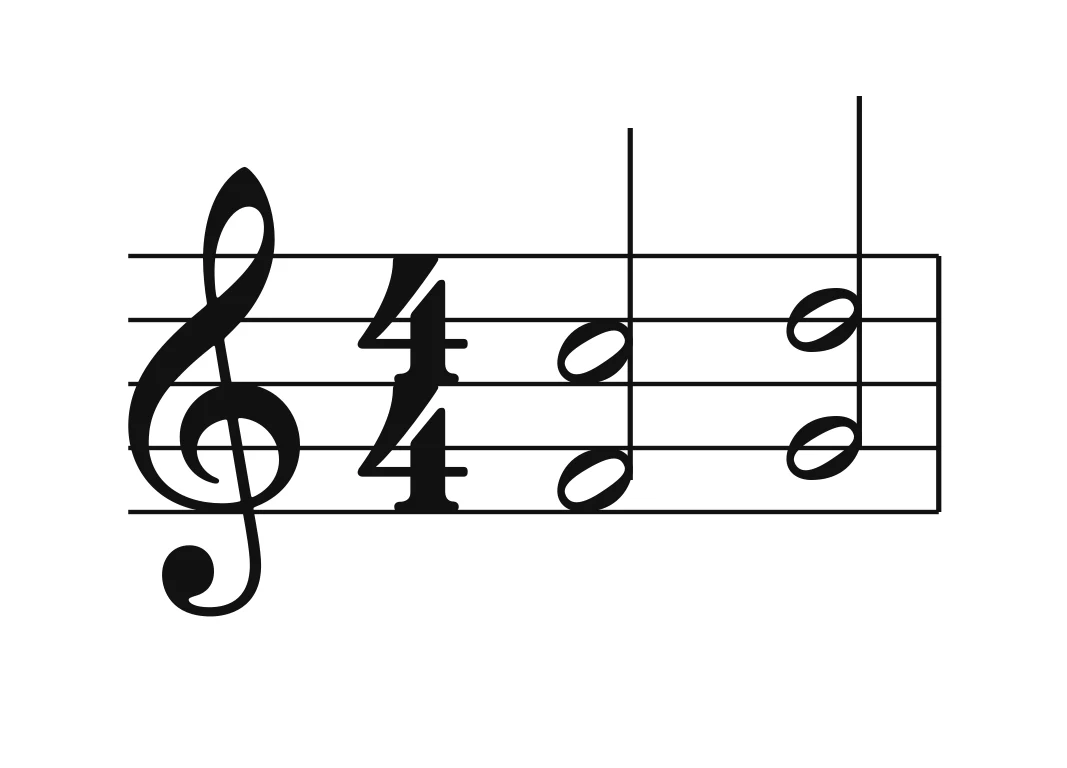
In C major, find the leading tone in the V chord shown and follow it into the I chord. How does it move?
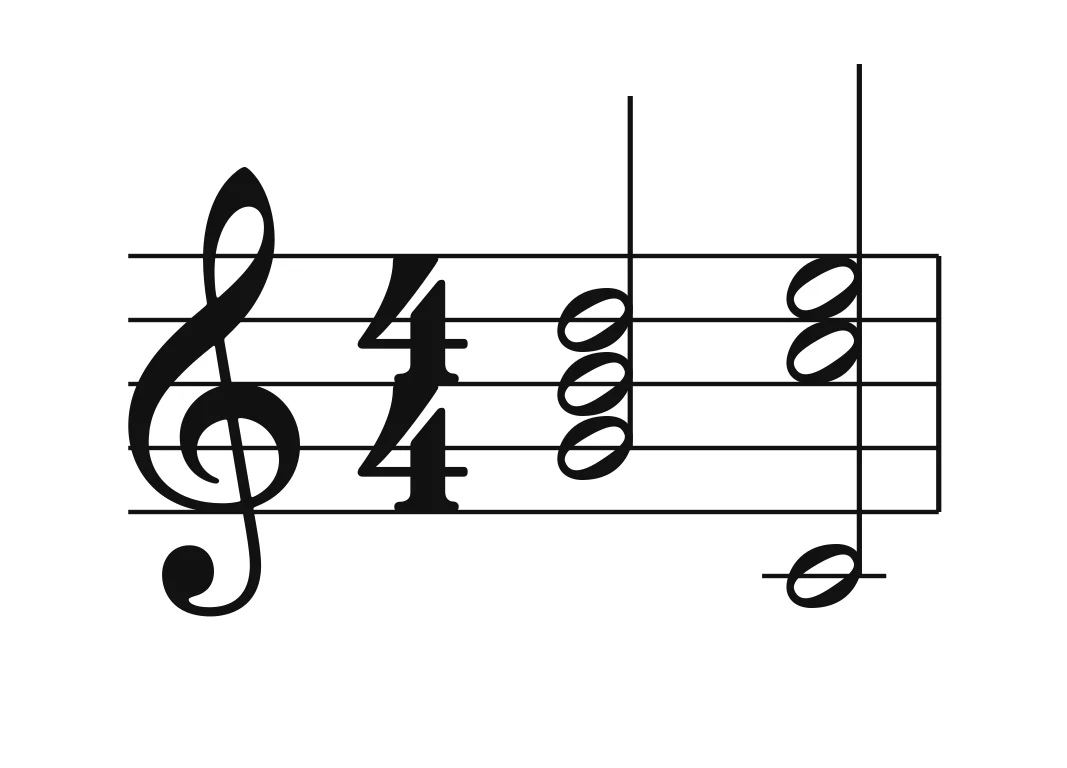
In C major, the chord C–E–G–B♭ resolves to an F major chord. What is its Roman-numeral label?
Which doubling is generally preferred in a root-position major triad when no special context changes the choice?
In D major, the chord G♯–B–D–F♯ resolves to A (V). What is its Roman-numeral label?
Two voices approach a perfect octave by similar motion, and the soprano leaps. What error may result?
In C major, the chord B–D♯–F♯–A tonicizes iii. What is its Roman-numeral label?
In C major, the chord D–F♯–A tonicizes G. What is its Roman-numeral label?
Crack the passcode before the zombies get in.
Answer, then swat bugs for bonus points.
Race through questions at your own speed.
Same question on every screen. Fastest wins.

Pick a tile, answer, hit bonuses and steals.
Cadence by Ear
20 questions