Loading
by BlastRoom
Review the novel's linked stories, characters, symbols, narrators, and themes.
#literature
40 questions
One question set, multiple game modes. Tap any game to see it in action. Not sure which to pick?
Answer to place stones and capture territory.
Outrun the snow together.
Earn blasts, then hunt the other team.
Answer to earn energy, then climb.

The class blasts through walls together.
Bid on mystery lots. Most money wins.
Sell tours. Nice, standard, or a total scam.

Answer, restock, and serve the rush.
More correct answers pulls the rope your way.
Answer, then shoot down the alien wave.
Answer, then tap to leap the frozen ridge.
After Suyuan Woo dies, which daughter takes her seat at the Joy Luck Club and is asked to meet Suyuan's twin daughters in China?
In 'Scar,' whose mother cuts flesh from her own arm to make soup for the dying Popo?
Which mother escapes an arranged marriage to Tyan-yu by inventing a dream about the red candle and the ancestors?
As a child at the Moon Festival, which mother becomes separated from her family and discovers the Moon Lady is an actor?
A chess prodigy learns 'invisible strength' and then clashes with the mother who boasts about her in Chinatown. Which pair is this?
Which daughter hears the family next door fighting through the wall while her mother sinks into grief and her father mistranslates her mother's words?
Which story links Rose's failing marriage to Ted with her childhood memory of losing her brother Bing at the beach?
In 'Two Kinds,' what public failure becomes the turning point in Jing-mei's battle with Suyuan over becoming a prodigy?
Which daughter's marriage is exposed through itemized bills, shared expenses, and a wobbly table that finally breaks a vase?
In 'Four Directions,' why is Waverly anxious about bringing Rich Schields to dinner with Lindo?
In 'Without Wood,' what does Rose finally do after Ted tries to make the divorce and the house decision for her?
At the crab dinner in 'Best Quality,' what does Suyuan give Jing-mei after the conflict with Waverly?
The mothers speak Chinese and remember China; the daughters speak English and hear the stories in fragments. What does this gap most often create?
How does Jing-mei's trip in 'A Pair of Tickets' complete Suyuan's unfinished story?
What lesson does An-mei draw from her mother's suffering in 'Magpies'?
Lindo's story in 'The Red Candle' is not just about obedience. What does it show about her character?
In 'Waiting Between the Trees,' why does Ying-ying decide to tell Lena about her own past?
What intergenerational lesson does Rose's conflict with Ted develop?
Waverly often hears Lindo's pride as criticism. What theme does that misunderstanding develop?
Suyuan says there are 'only two kinds of daughters.' What conflict does that line capture in 'Two Kinds'?
In 'Double Face,' Lindo studies her face and Waverly's in the mirror. What immigrant tension does the chapter explore?
What do the Joy Luck meetings preserve after migration and after Suyuan's death?
The opening parable's swan feather is best connected to which idea in the novel?
In Lindo's story, what does the red candle chiefly symbolize before she turns the ritual against the marriage?
In 'Rules of the Game,' the chessboard becomes more than a game board because it mirrors Waverly's struggle to do what?
What does Ying-ying's discovery about the Moon Lady's costume and performance emphasize?
The Bible under the table leg in Rose's family story is tied to which loss?
In 'Rice Husband,' Lena's childhood warnings about uneaten rice echo which adult situation?
What does the broken vase on the unstable table in 'Rice Husband' make visible?
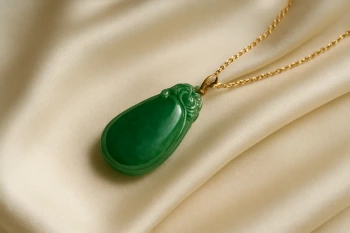
Suyuan's jade pendant in 'Best Quality' carries which meaning for Jing-mei?
The title image in 'Magpies' frames which story of hidden suffering?
Each of the novel's four sections begins with a short parable-like vignette. What is the main structural effect?
Why is Suyuan different from the other three mothers in the novel's narration?
The novel moves from mothers' memories to daughters' American crises and back to mothers' pasts. What does that arrangement emphasize?
At the end of 'A Pair of Tickets,' Jing-mei and her half-sisters watch a Polaroid photo of the three of them develop. What do they see?
What does the novel gain by using multiple narrators instead of one single, chronological narrator?
Jing-mei opens the novel after Suyuan's death and closes it by meeting the twins. What role does her point of view serve?
The daughter sections are titled 'The Twenty-Six Malignant Gates' and 'American Translation.' What do those titles help connect?
How do repeated mother-daughter misunderstandings work across the linked chapters?
Not counting the short opening vignettes, how many different characters narrate chapters in the novel?
Crack the passcode before the zombies get in.
Answer, then swat bugs for bonus points.
Race through questions at your own speed.
Same question on every screen. Fastest wins.

Pick a tile, answer, hit bonuses and steals.

The Metamorphosis: Part Three
20 questions