Loading
by BlastRoom
Explore how the energy of motion of objects changes when they crash into each other.
#energy#motion#energy_transfer#us_grade_4_science
40 questions
One question set, multiple game modes. Tap any game to see it in action. Not sure which to pick?
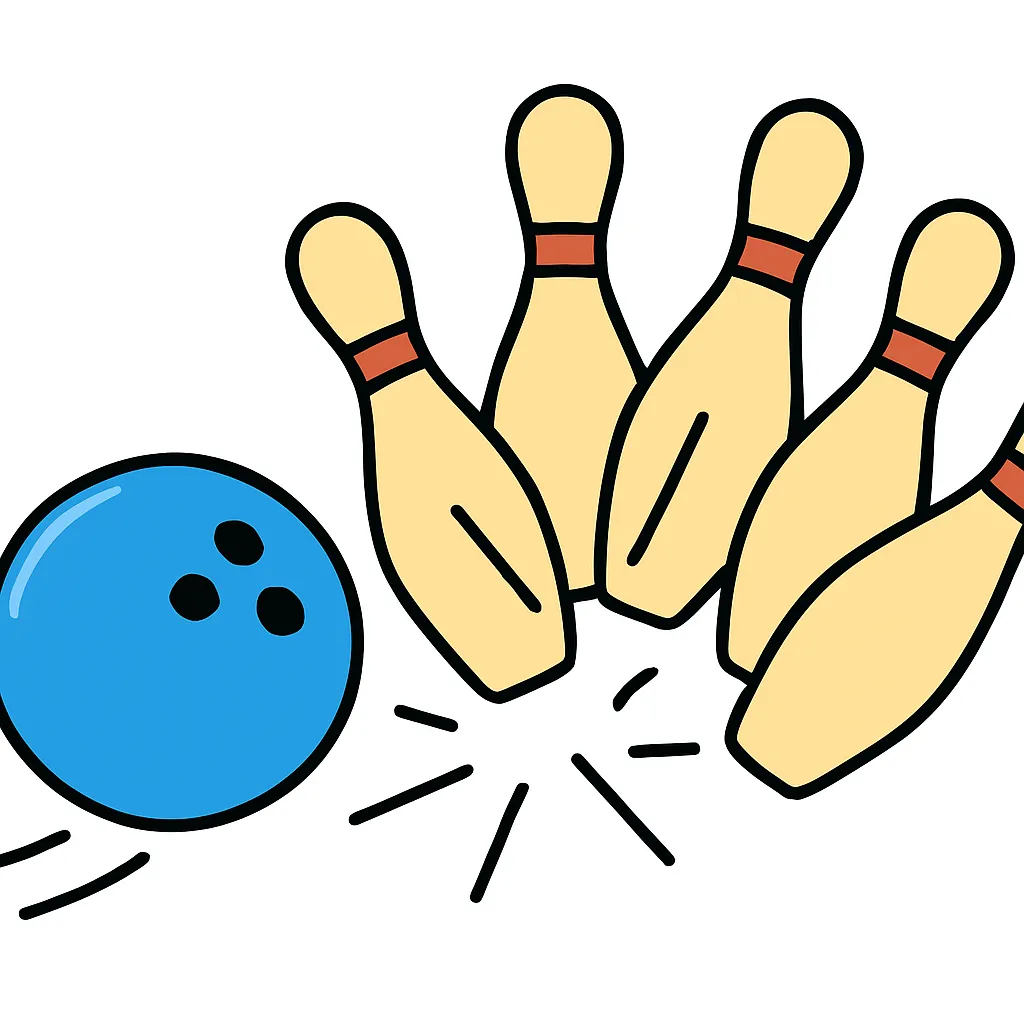
A rolling bowling ball crashes into a set of standing pins. The pins fly apart and the ball slows down. What best explains what happened?
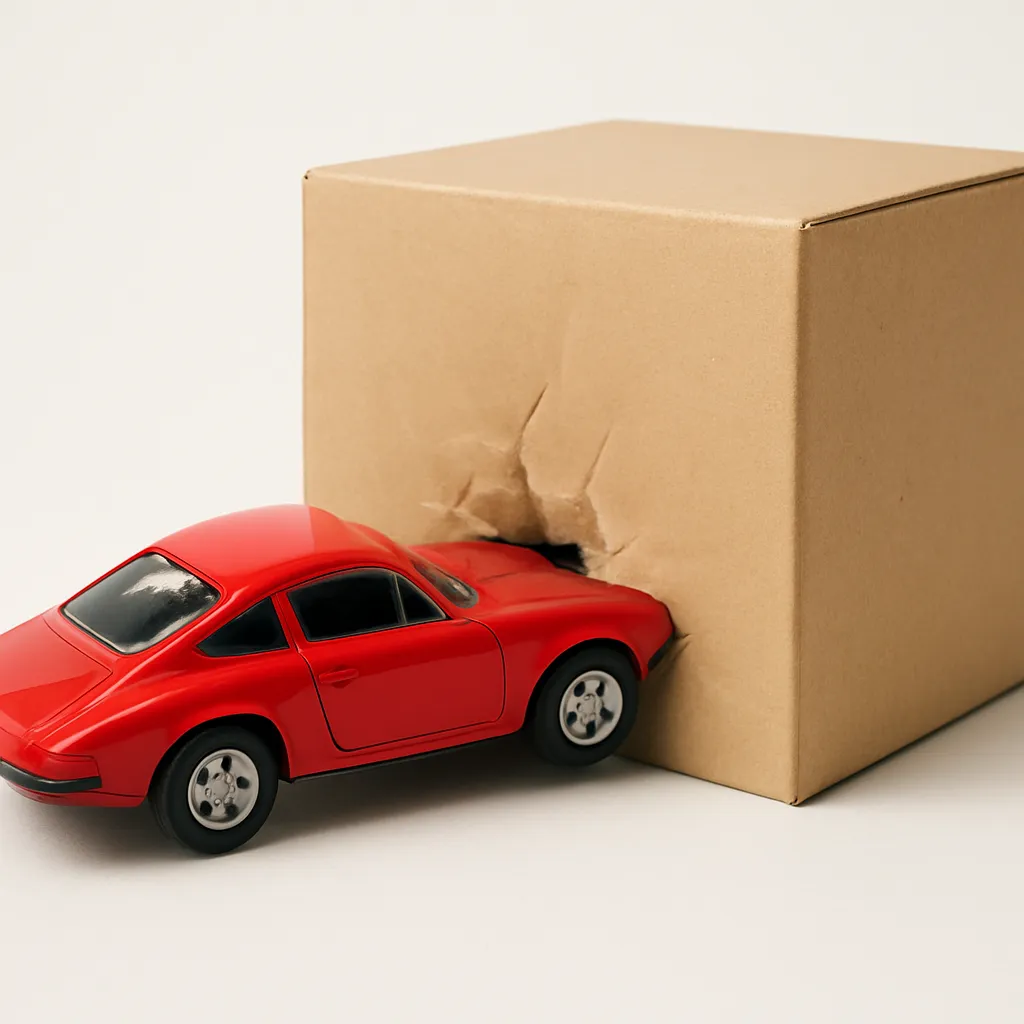
A toy car crashes into a small cardboard box. The box crumples inward and the car stops moving. What best explains why the box crumpled?
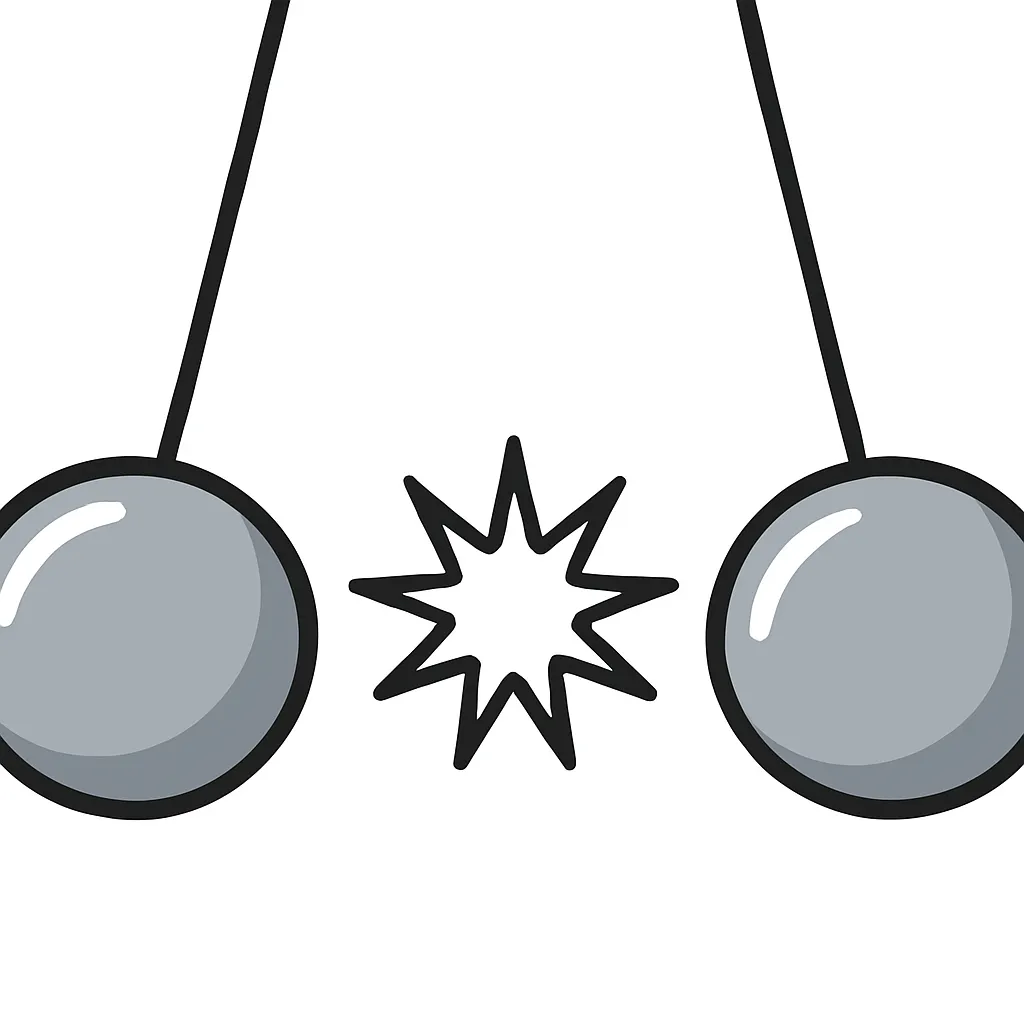
Two hanging metal balls swing together and clack loudly when they meet. At the moment of the collision, where does some of the energy of motion go?
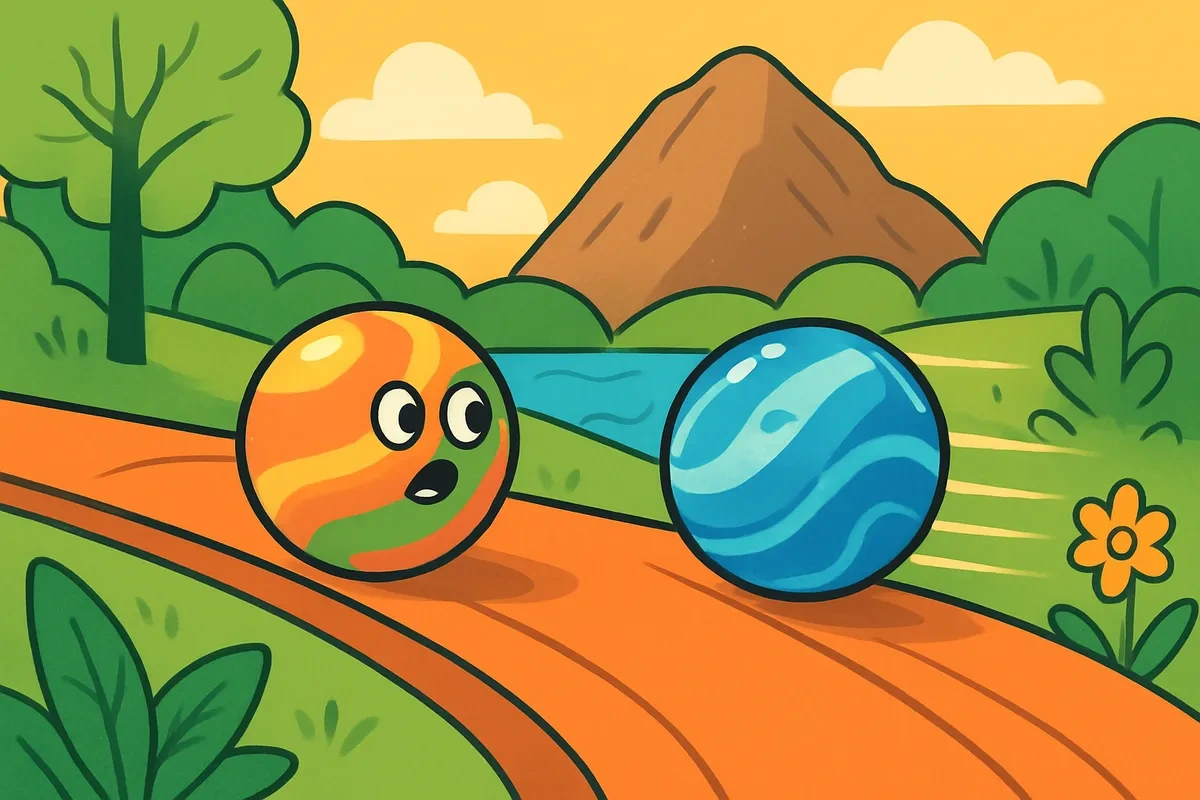
A rolling marble hits a still marble of the same size head-on. The first marble stops and the second one rolls away. What happened to the first marble's energy of motion?
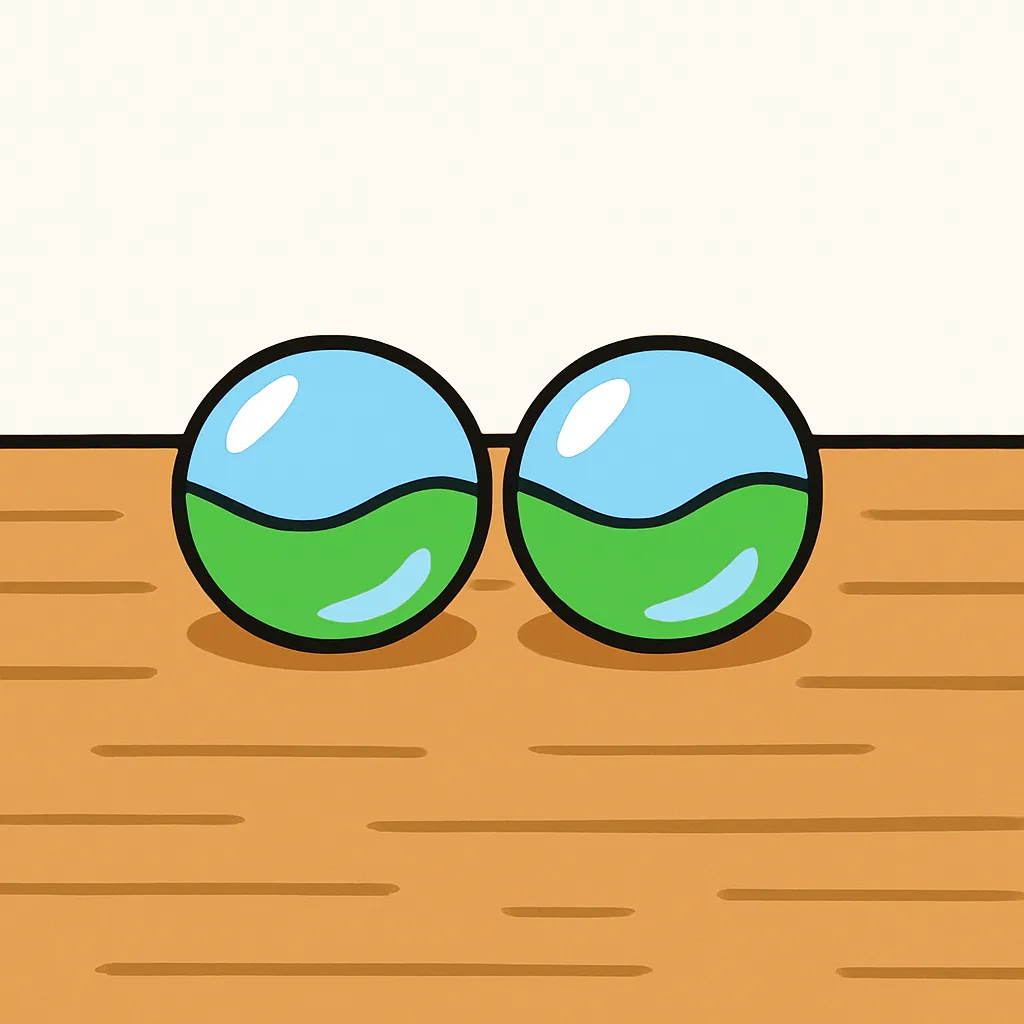
A rolling ball knocks a still ball away and keeps rolling, but more slowly than before. The still ball gained energy of motion. How did the rolling ball's energy of motion change?
A student drops a rubber ball onto a wooden floor from his knee, then drops the same ball from above his head. The higher drop makes a much louder thud. Why?
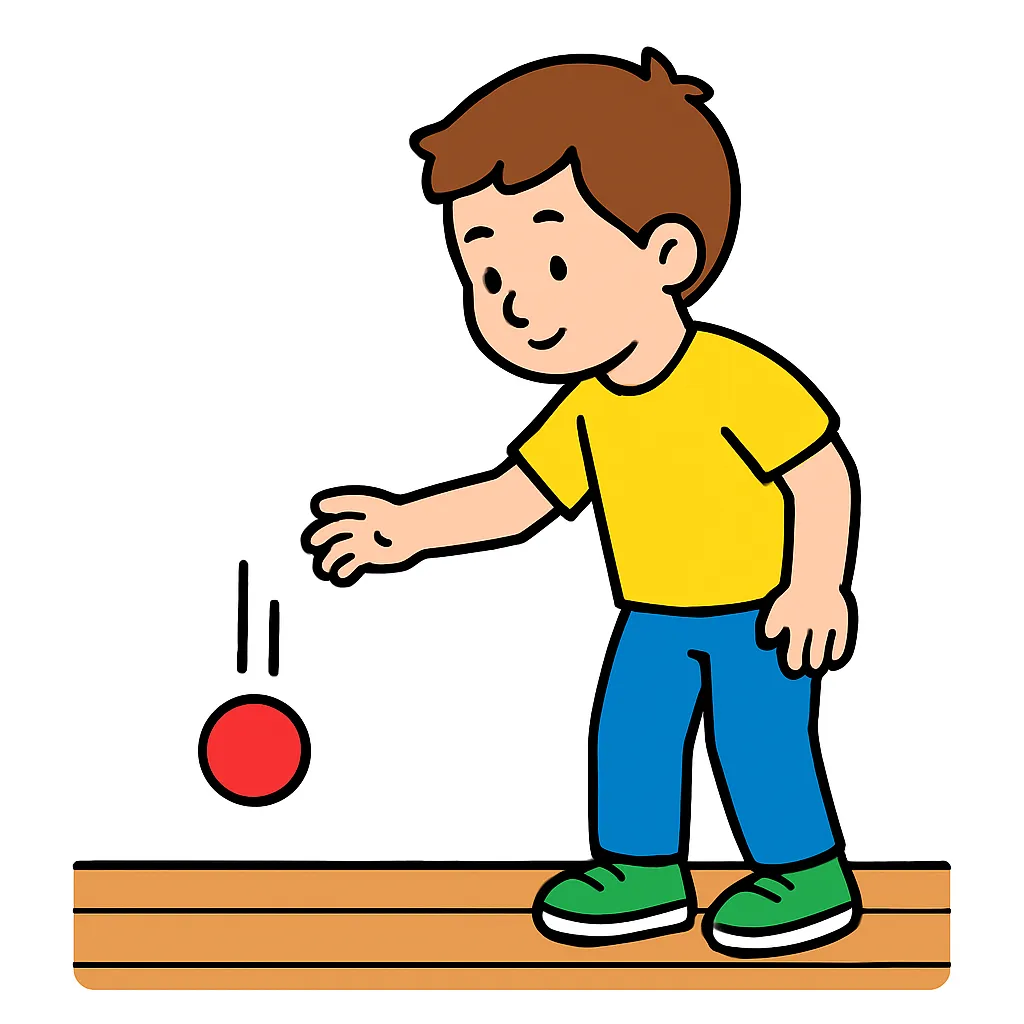
Designers put thick rubber matting on the ground under a playground climbing frame. How does the matting help a child who lands on it?
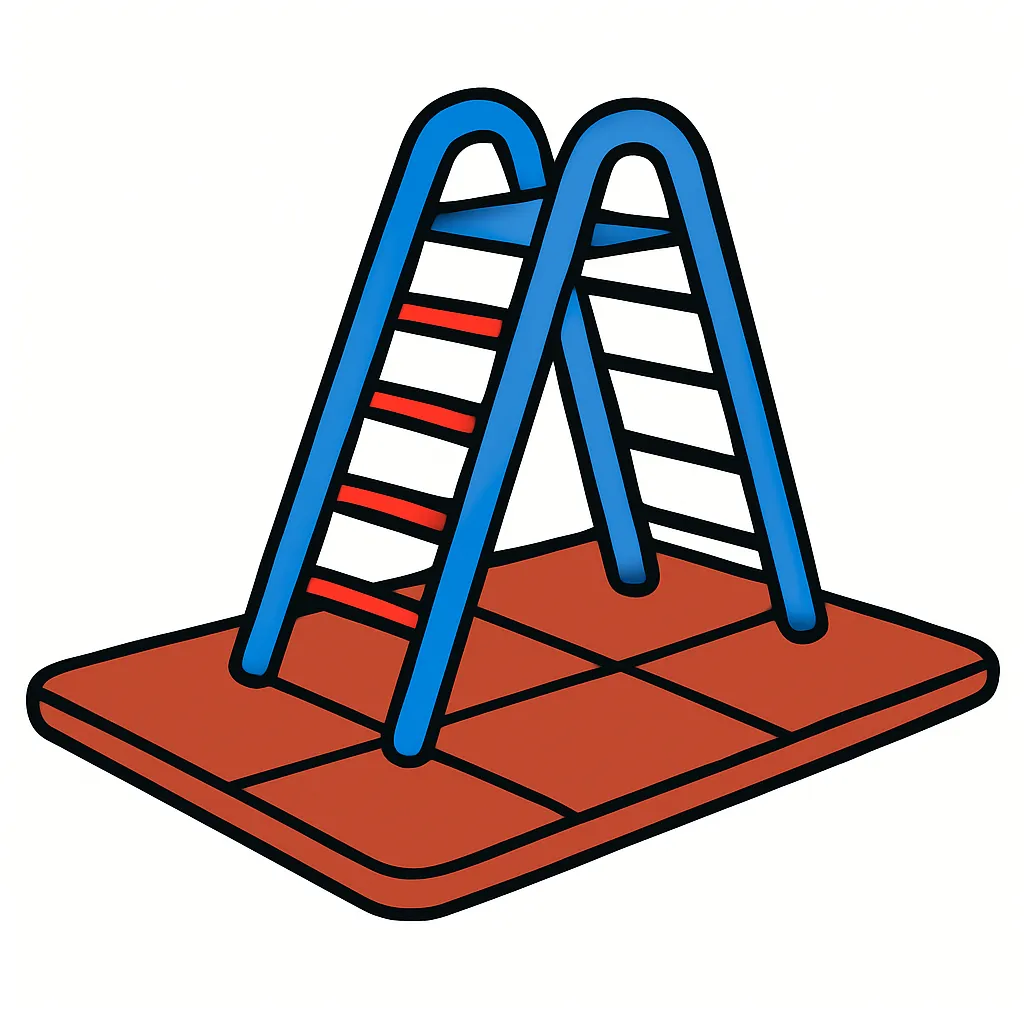
When a metal tool strikes a hard rock and a spark of light flashes out where they meet, the energy of motion from the strike changed into light in that collision.
A truck driving slowly bumps a metal trash can and nudges it a short way. Later the same truck bumps the can at a higher speed and sends it tumbling. What does this show?
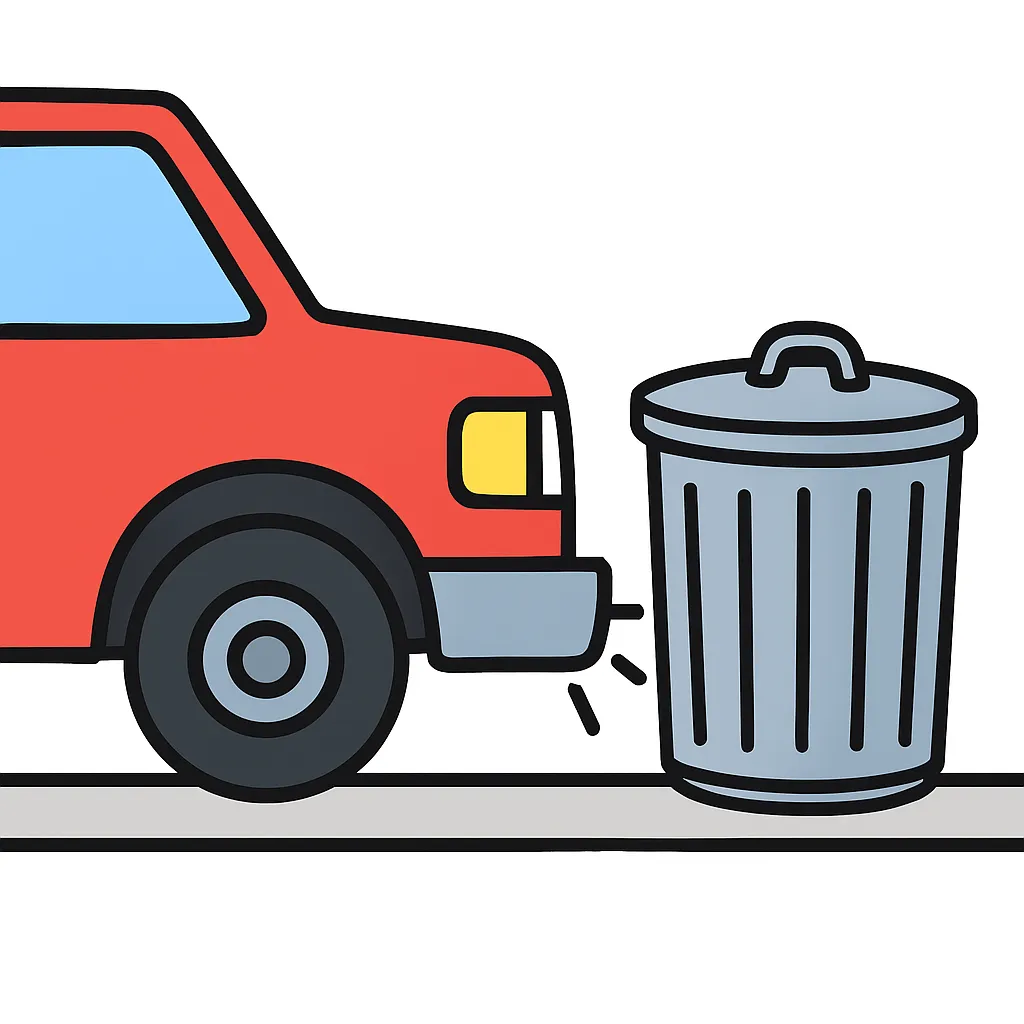
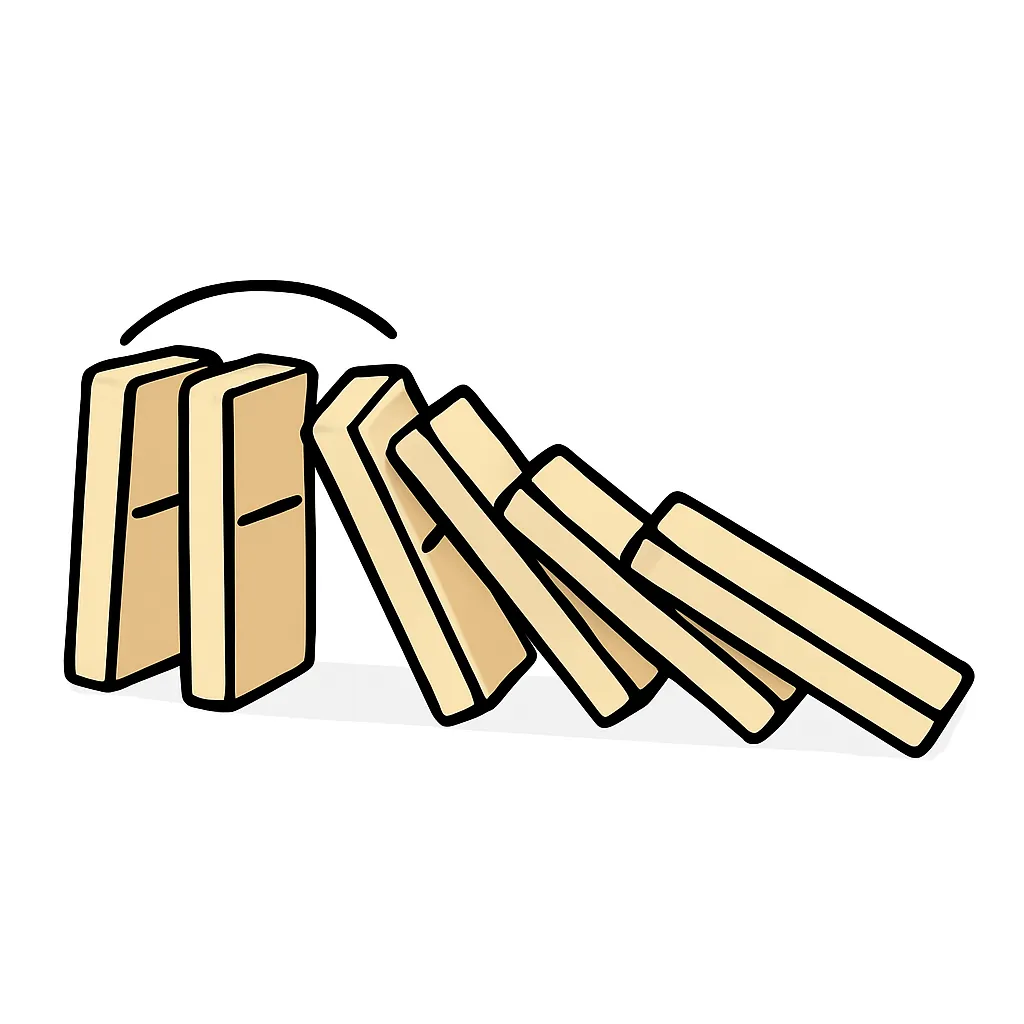
A student tips over the first domino in a long standing line, and each domino knocks the next one down until the whole line has fallen. What travels along the line?
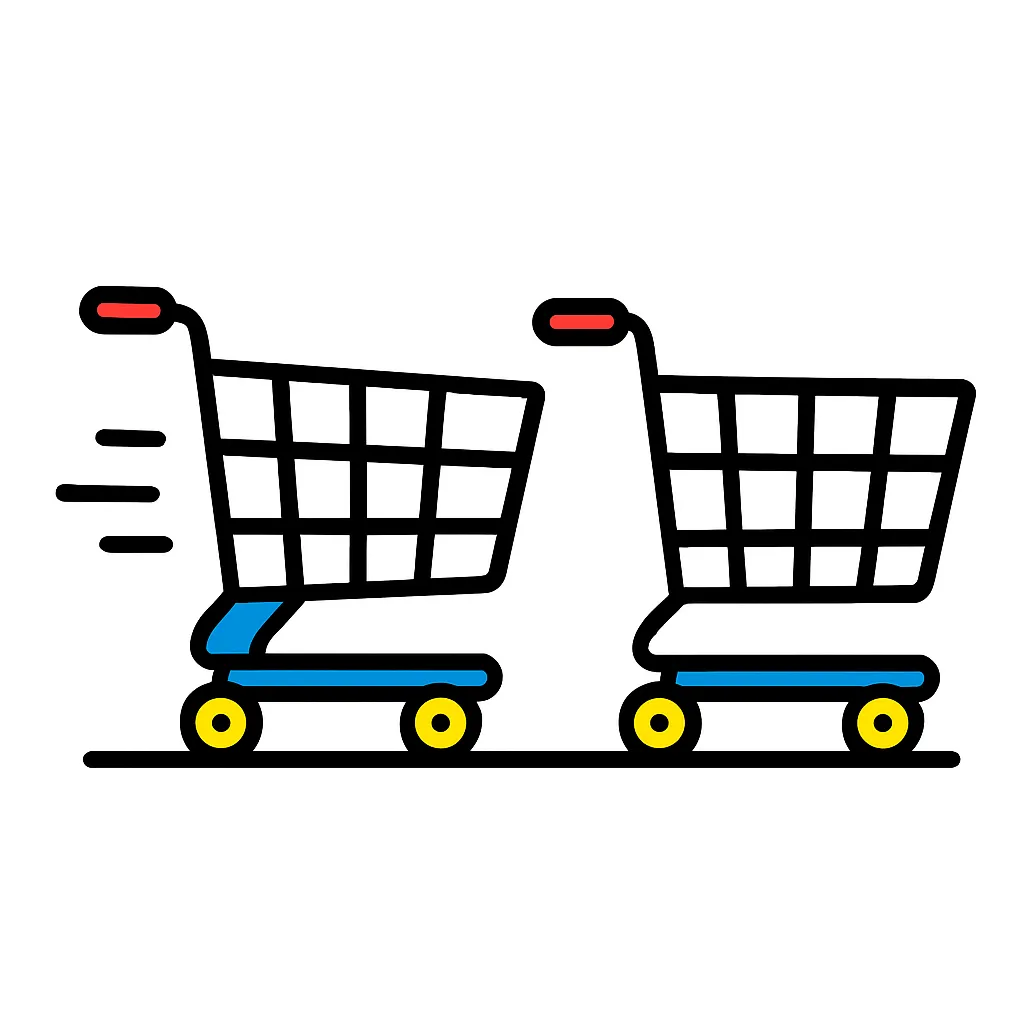
A moving shopping cart in a parking lot bumps into a parked cart of the same size. The moving cart slows down and the parked cart begins to roll away. What happened to the moving cart's energy of motion?
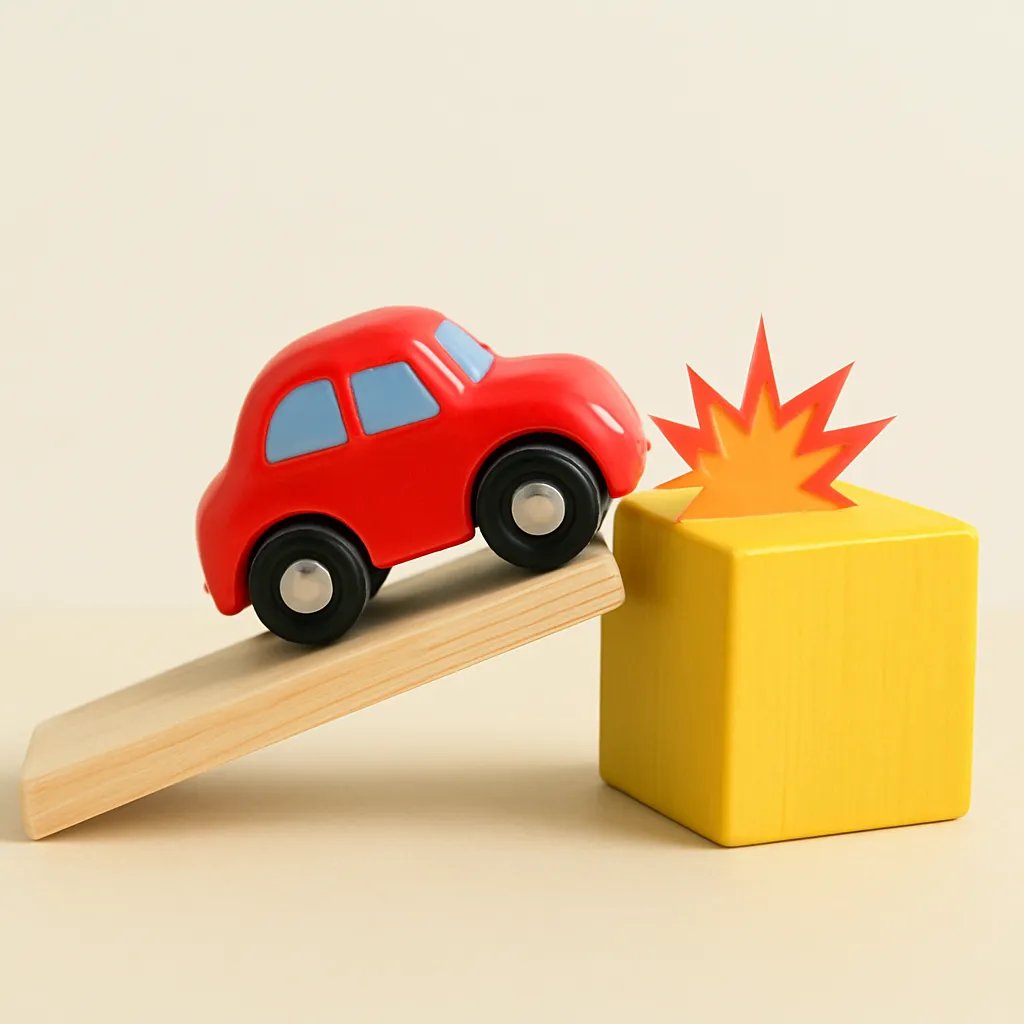
A toy car rolls down a ramp and hits a block. When the car rolls faster, what will most likely happen to the block?
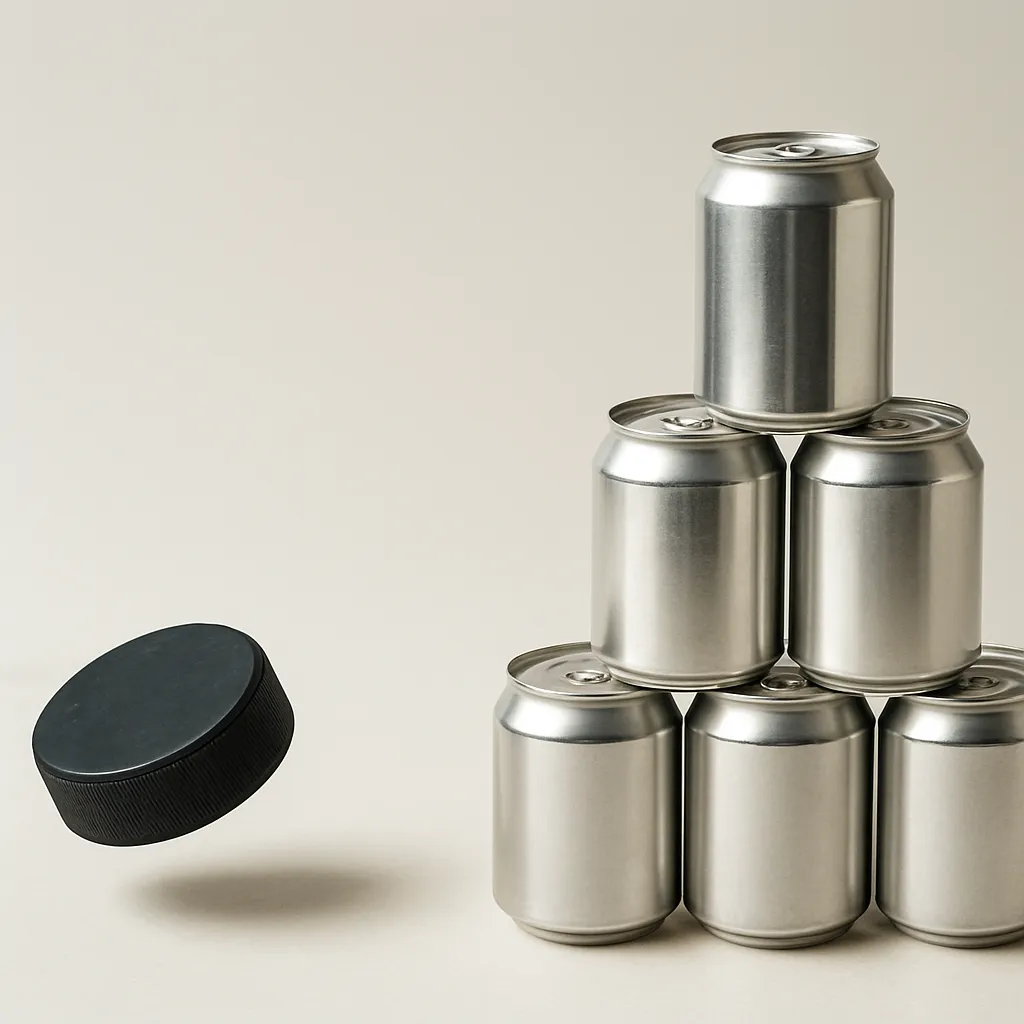
Two identical hockey pucks slide toward a stack of empty cans. Puck A is moving fast and Puck B is moving slowly when each hits the cans. Which puck will most likely knock the cans farther?
A bumper car slows down after it hits another bumper car. Why did it slow down?
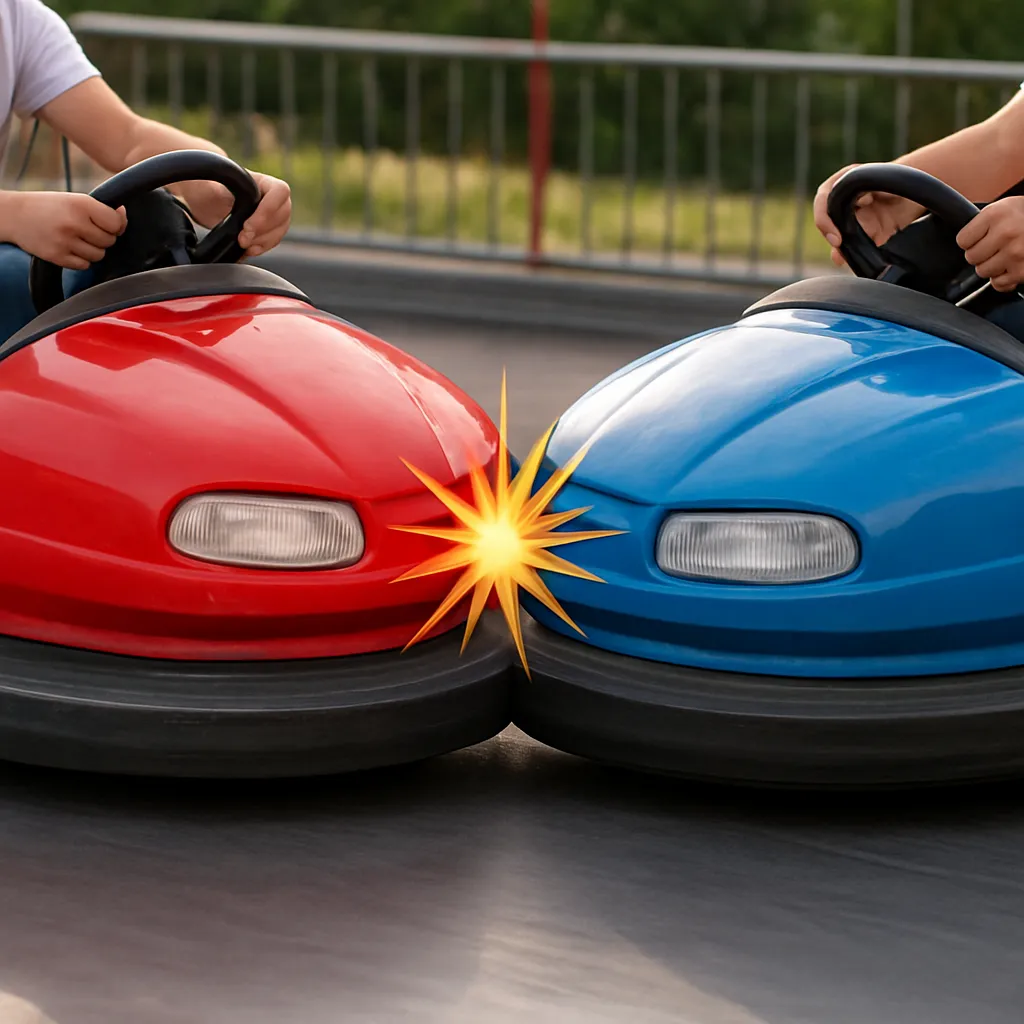
True or False: When a rolling ball hits a wall and stops, its energy of motion is used up and simply disappears.
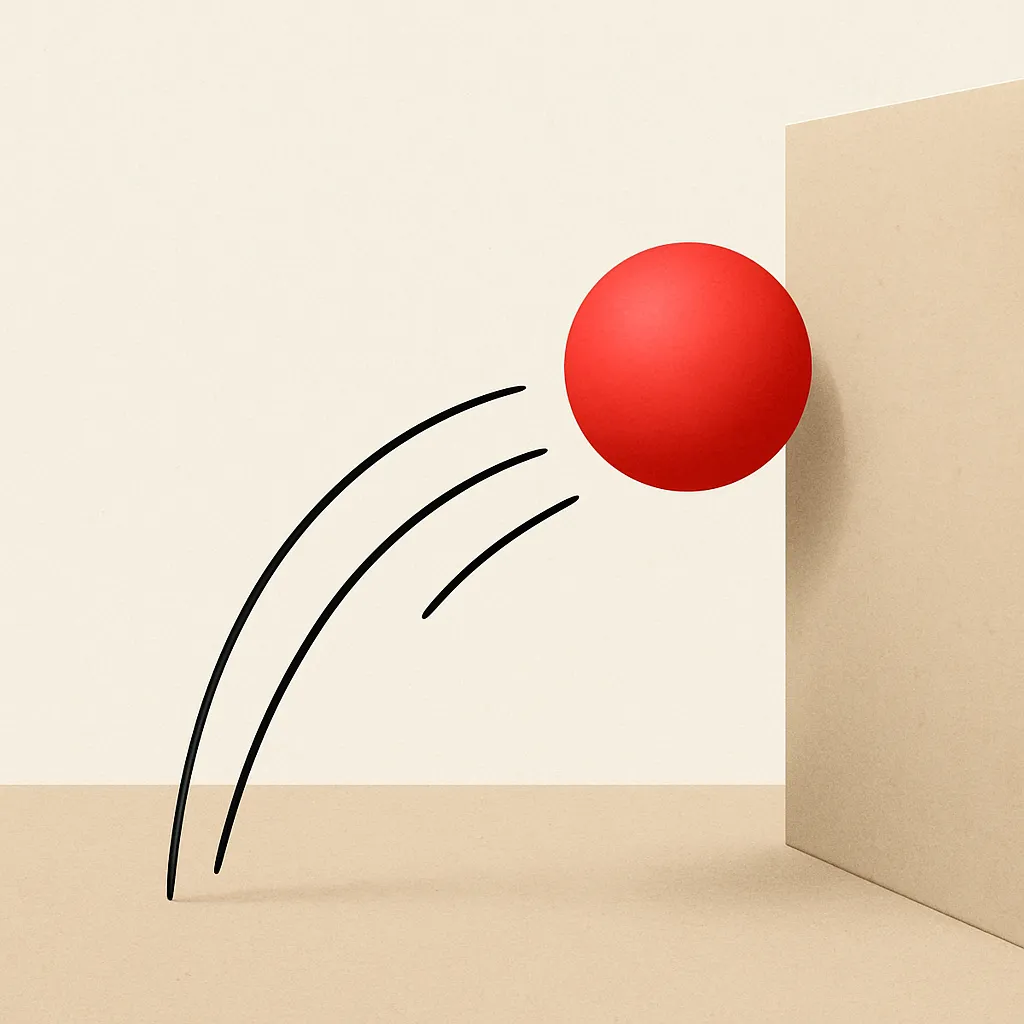
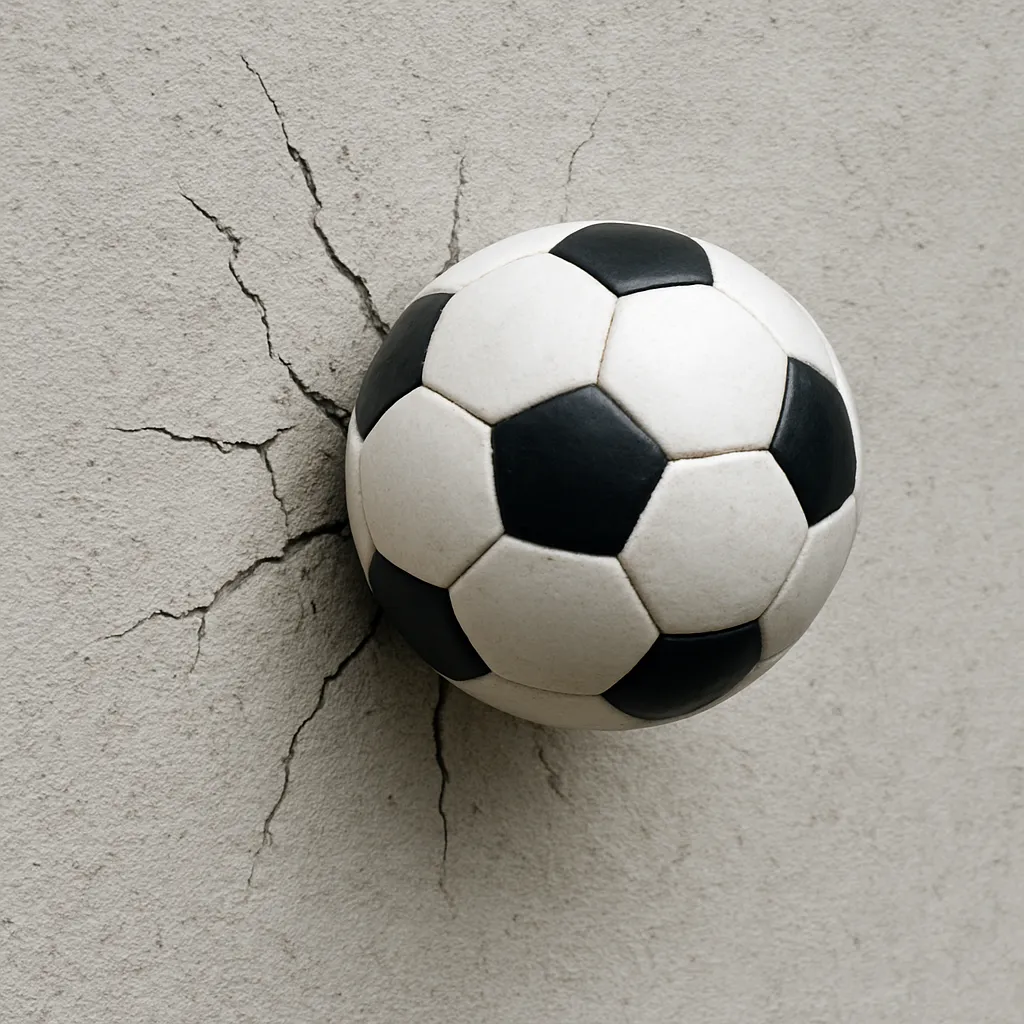
A soccer ball makes a loud sound when it hits a wall. What is the sound evidence of?
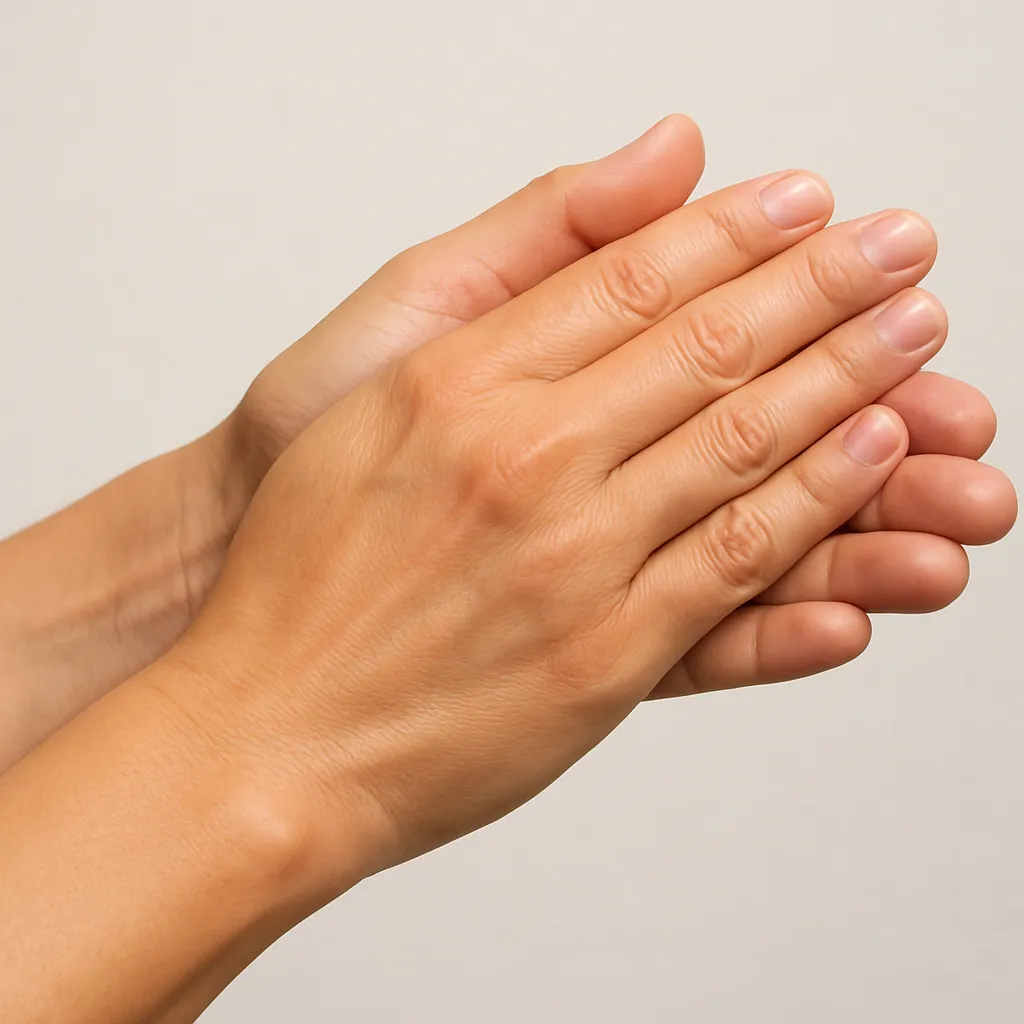
A student rubs two hands together quickly. The hands feel warmer. What caused the warmth?
A ball rolls into a stack of plastic cups and knocks them over. What happened to some of the ball's energy?
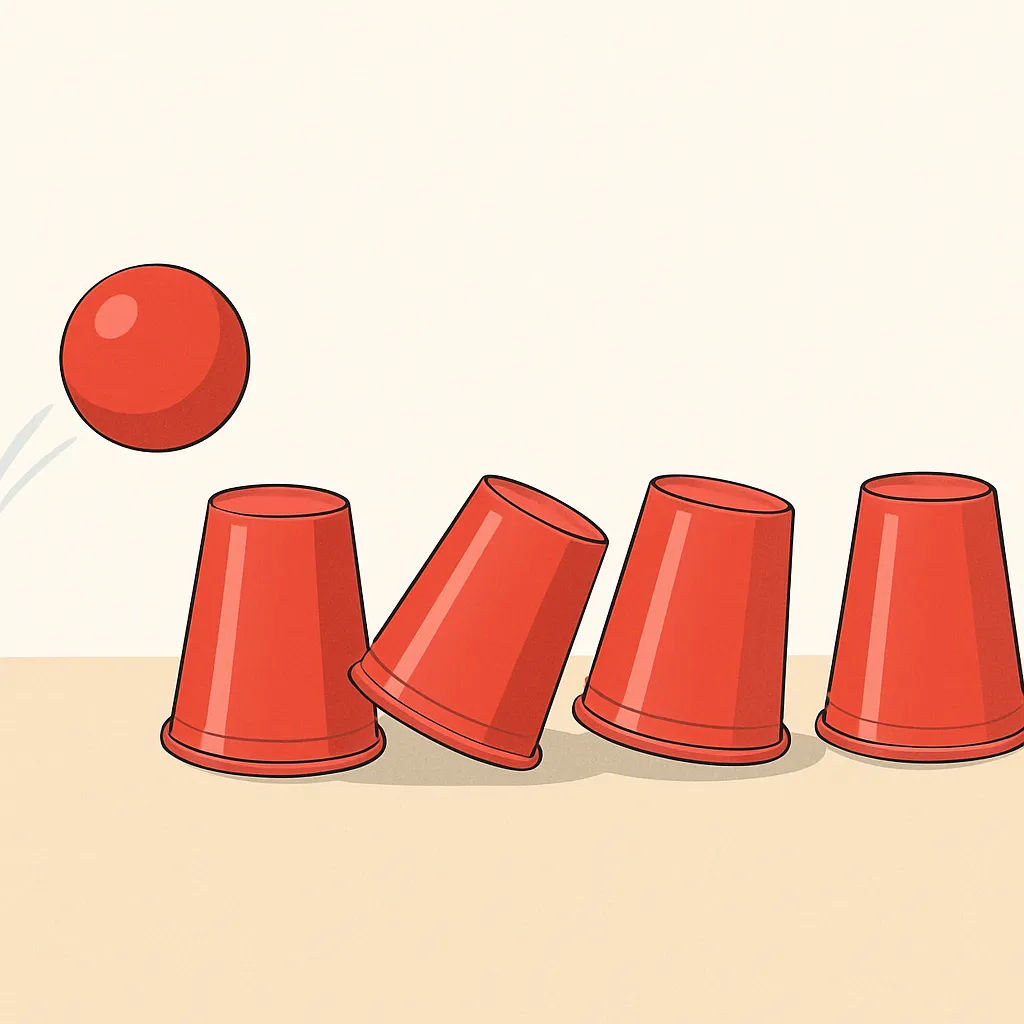
Which example shows energy being transferred by a collision?
True or False: An object must be moving to have energy of motion.
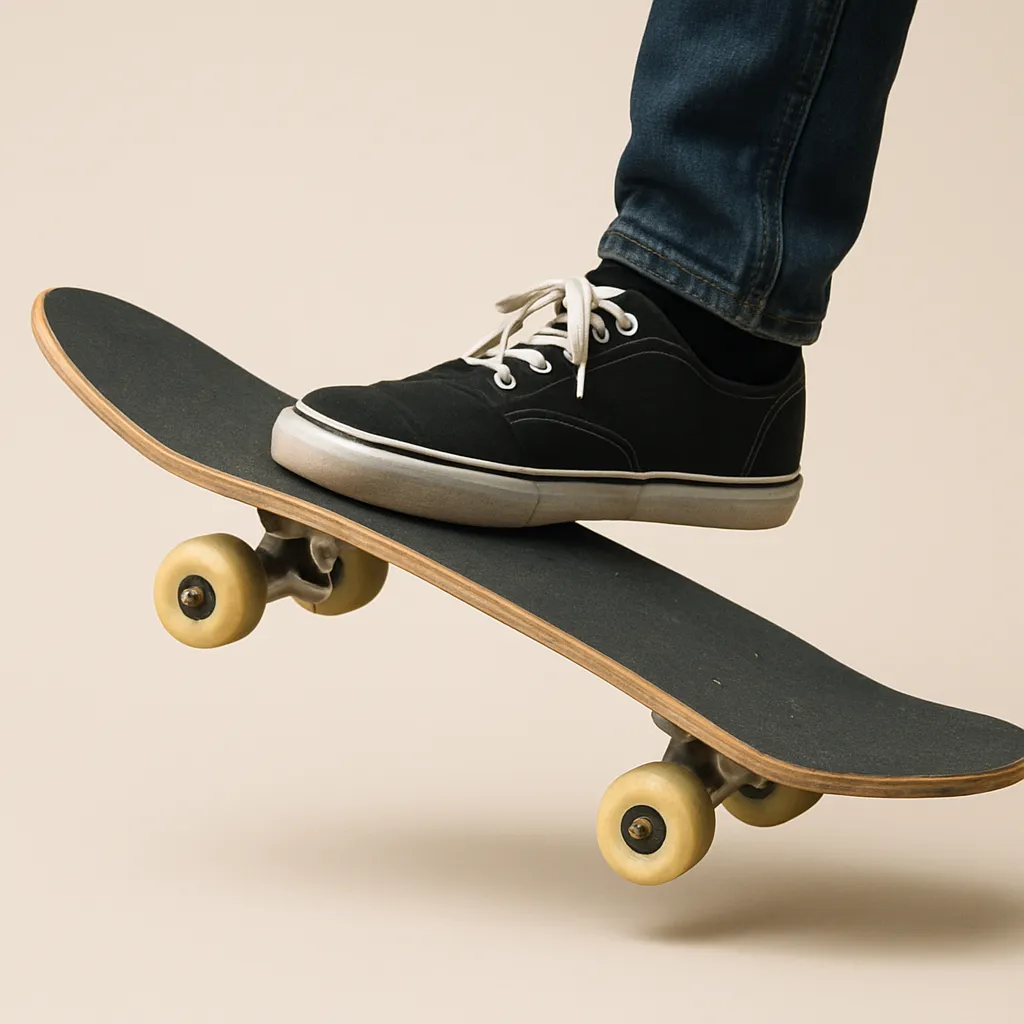
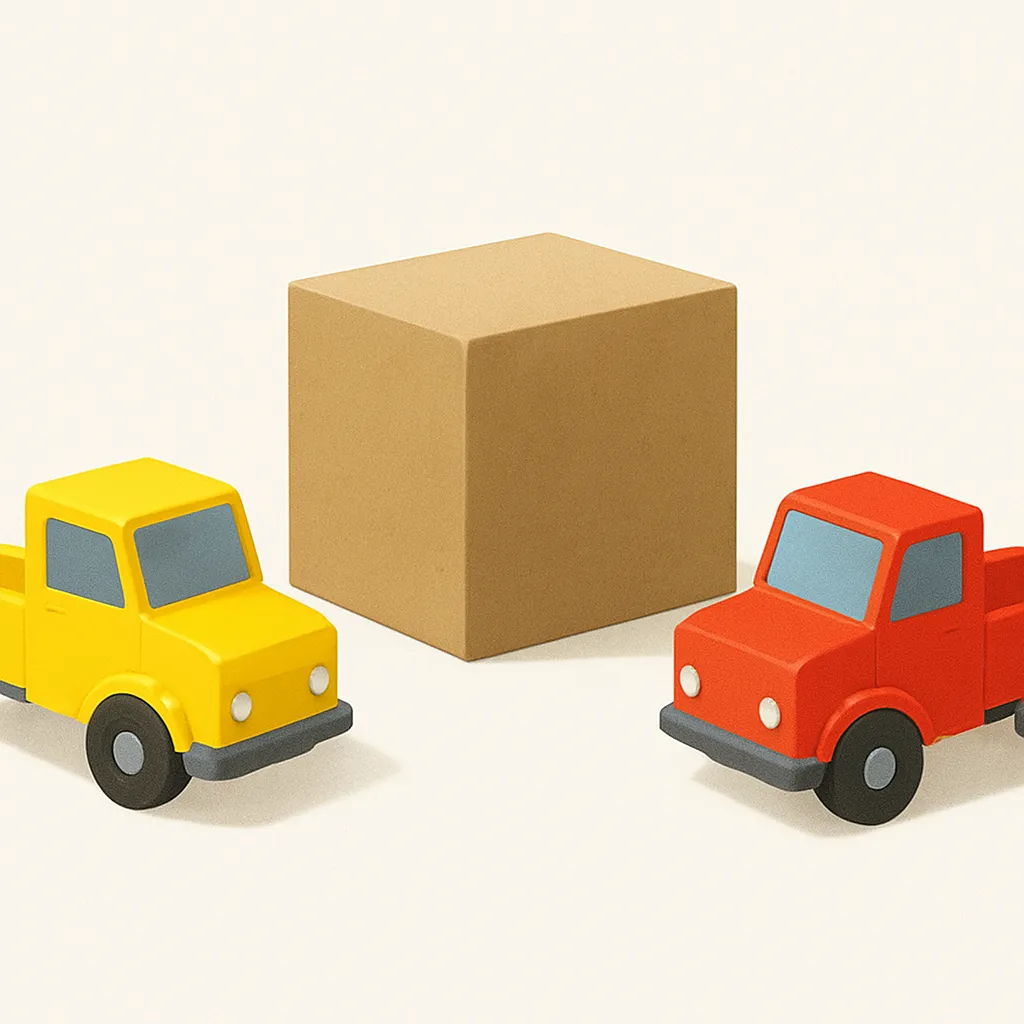
A student wants to find out whether a heavier toy truck or a lighter toy truck pushes a block farther in a collision. What should the student do to make this a fair test?
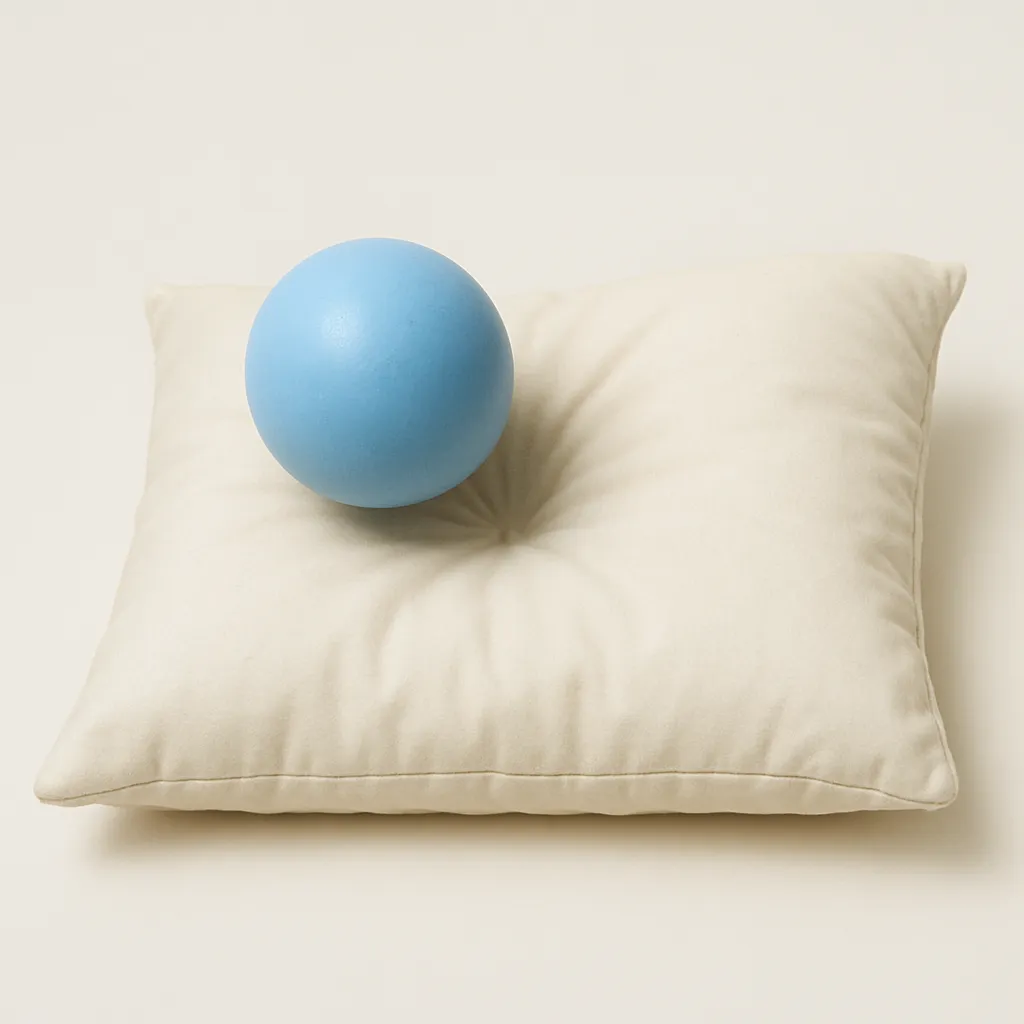
A rolling ball stops after hitting a pillow. Where did some of the ball's energy go?
Which object has the least energy of motion?
A hockey puck slides across ice and hits another puck. The second puck moves away. What can you infer?
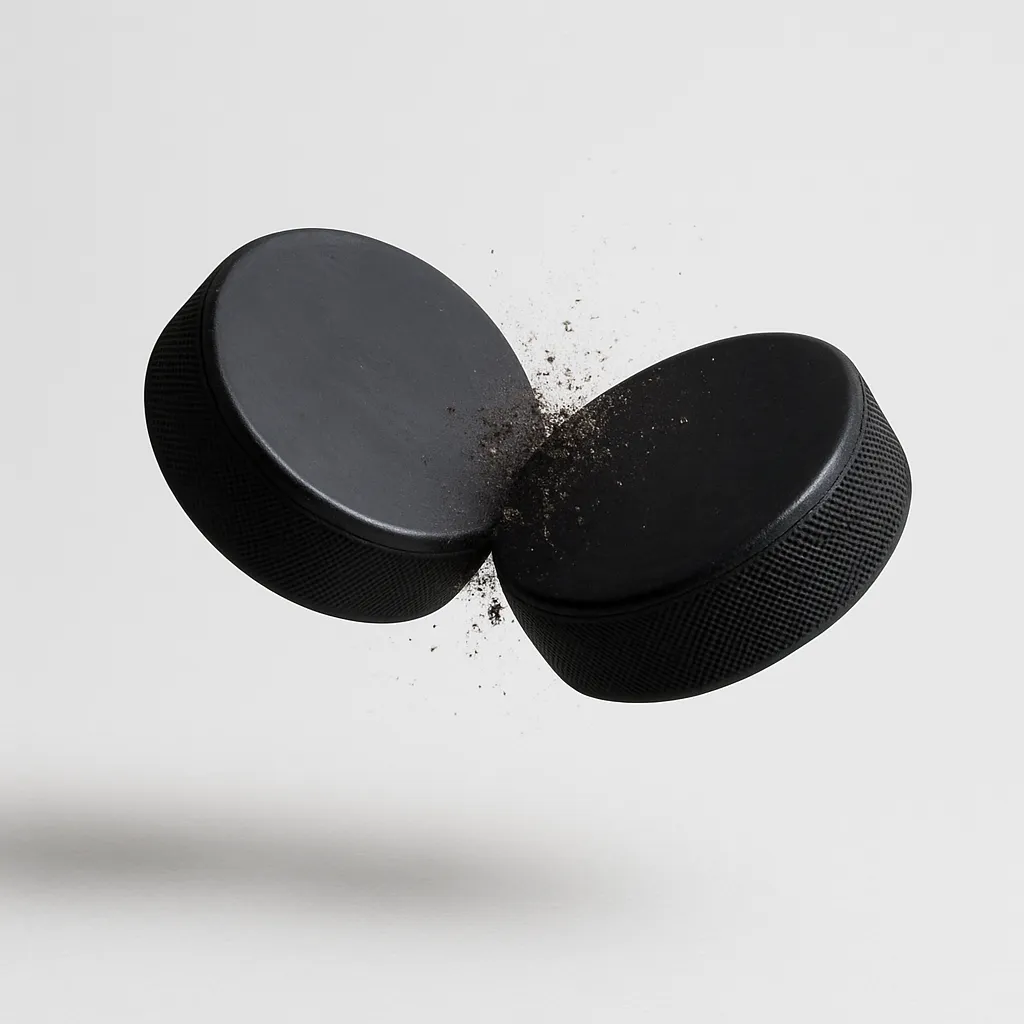
True or False: A dropped ball bounces back to the same height every time because none of its energy changes form when it hits the floor.
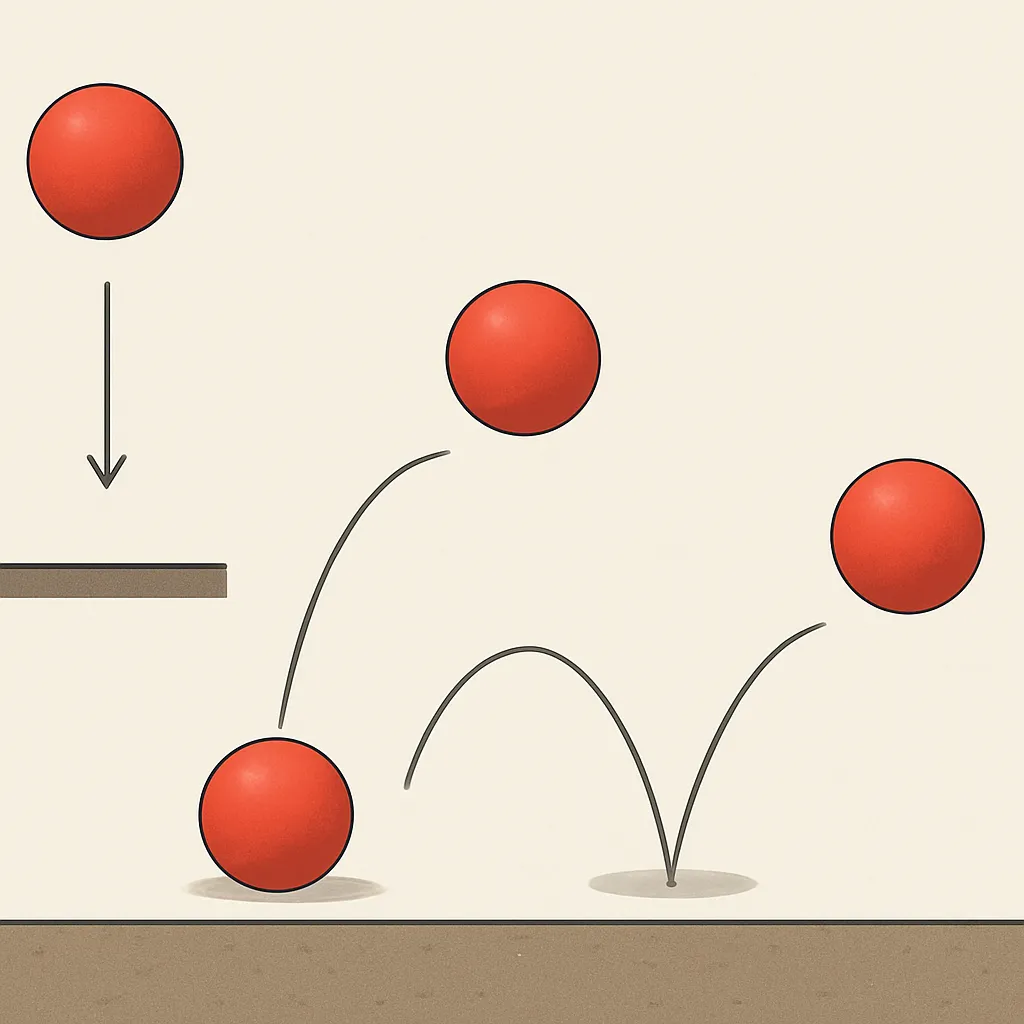
A student drops a rubber ball from two different heights. From the higher height, the ball bounces higher after hitting the floor. Why?
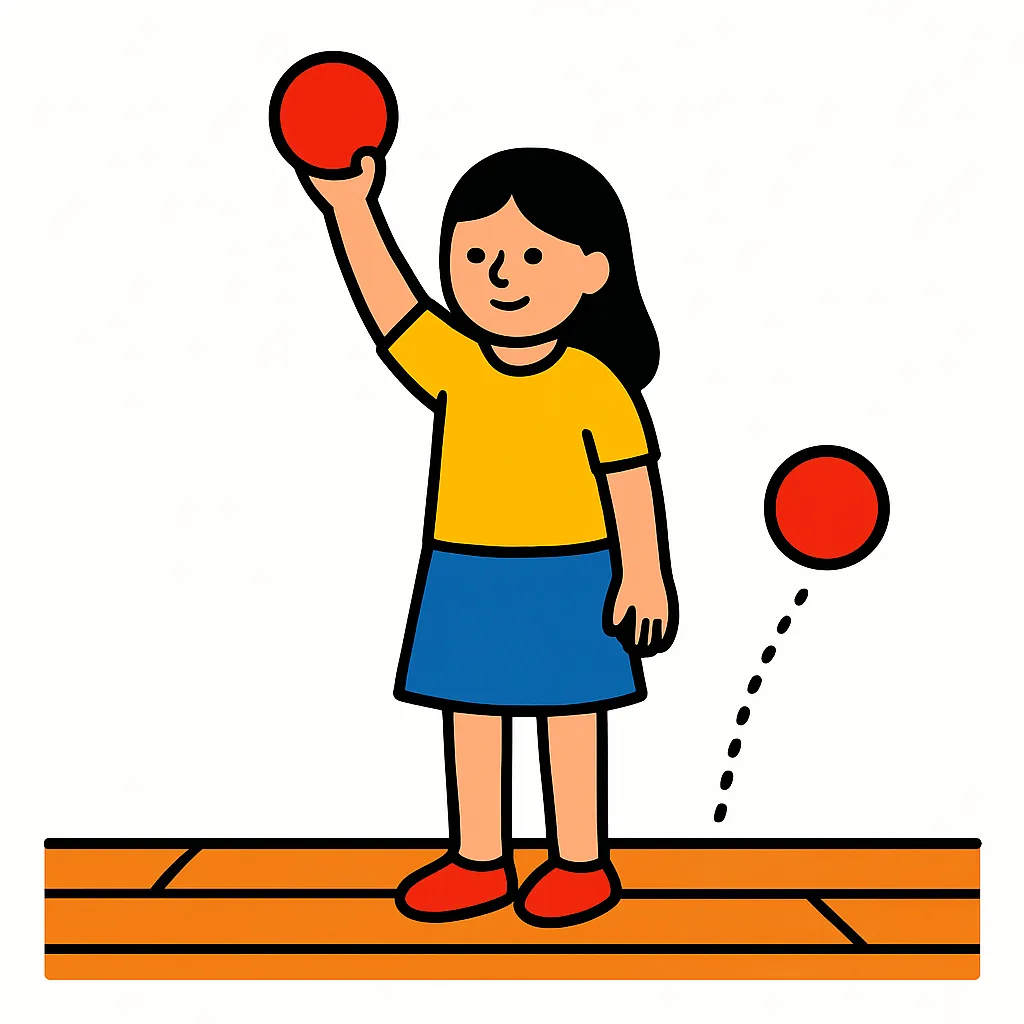
A rolling ball hits a still ball of the same size. Can the still ball roll away with more energy of motion than the rolling ball had?
A student tests how far a toy car pushes a cup after a collision. What should the student measure?
Two cars bump into each other down the street, and you hear a loud bang from far away. How did energy from the crash reach your ears?
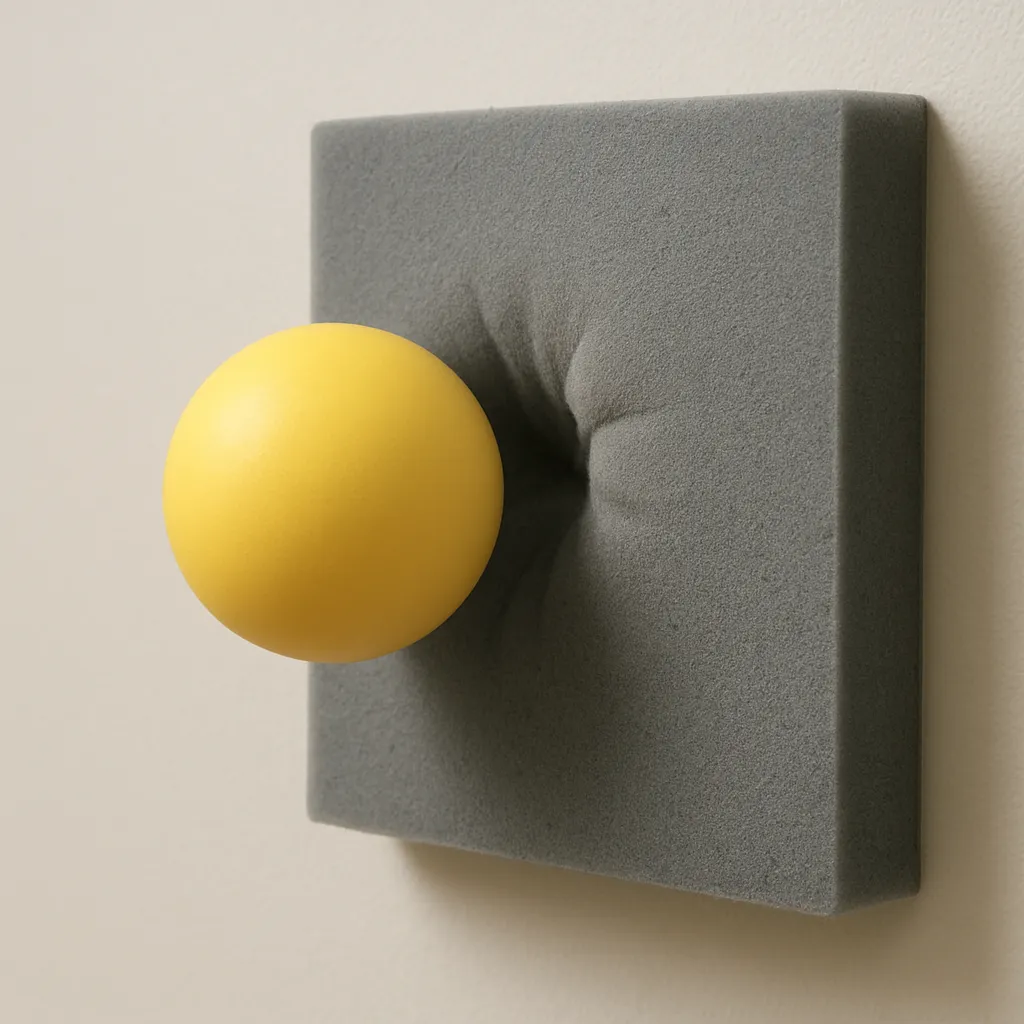
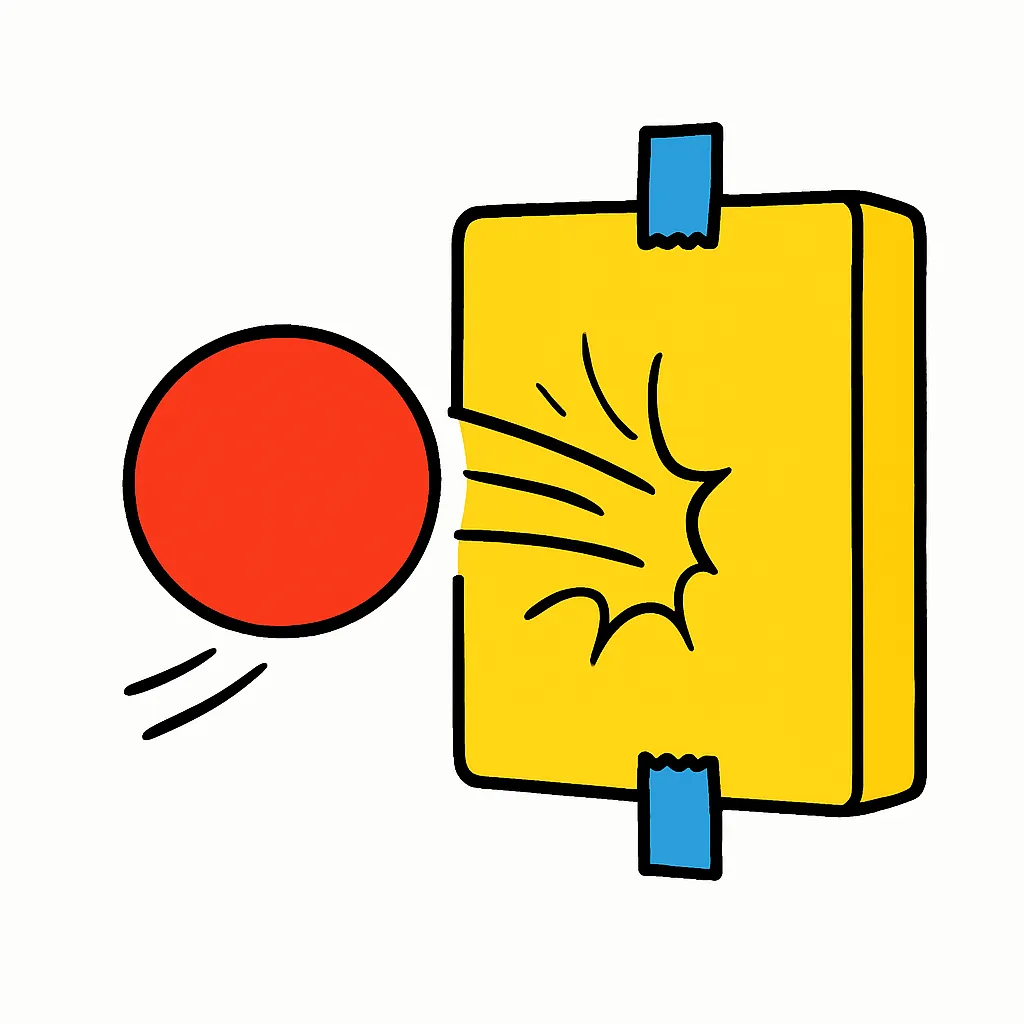
True or False: Taping a thick foam pad to a wall makes a ball's energy of motion vanish the moment the ball hits the pad.
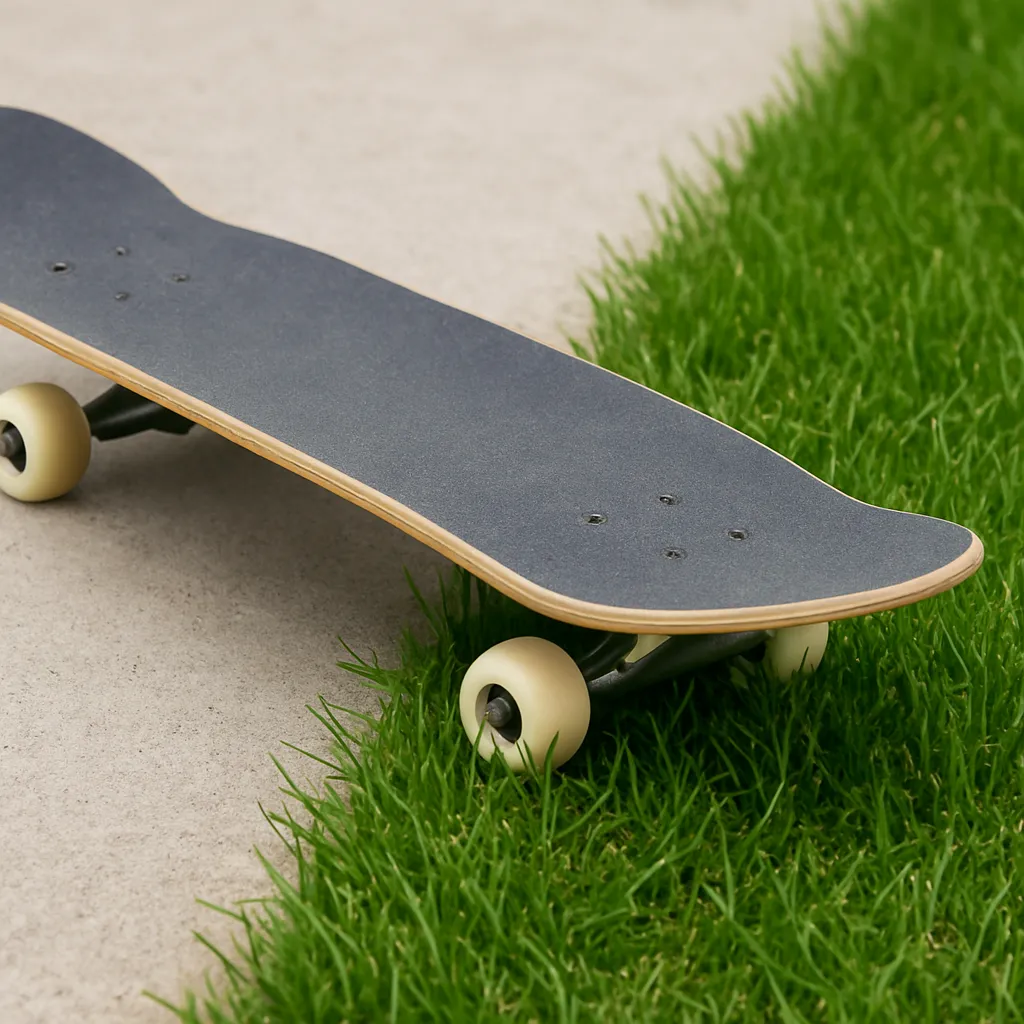
A skateboarder rolls into soft grass and slows down. What is the best explanation?
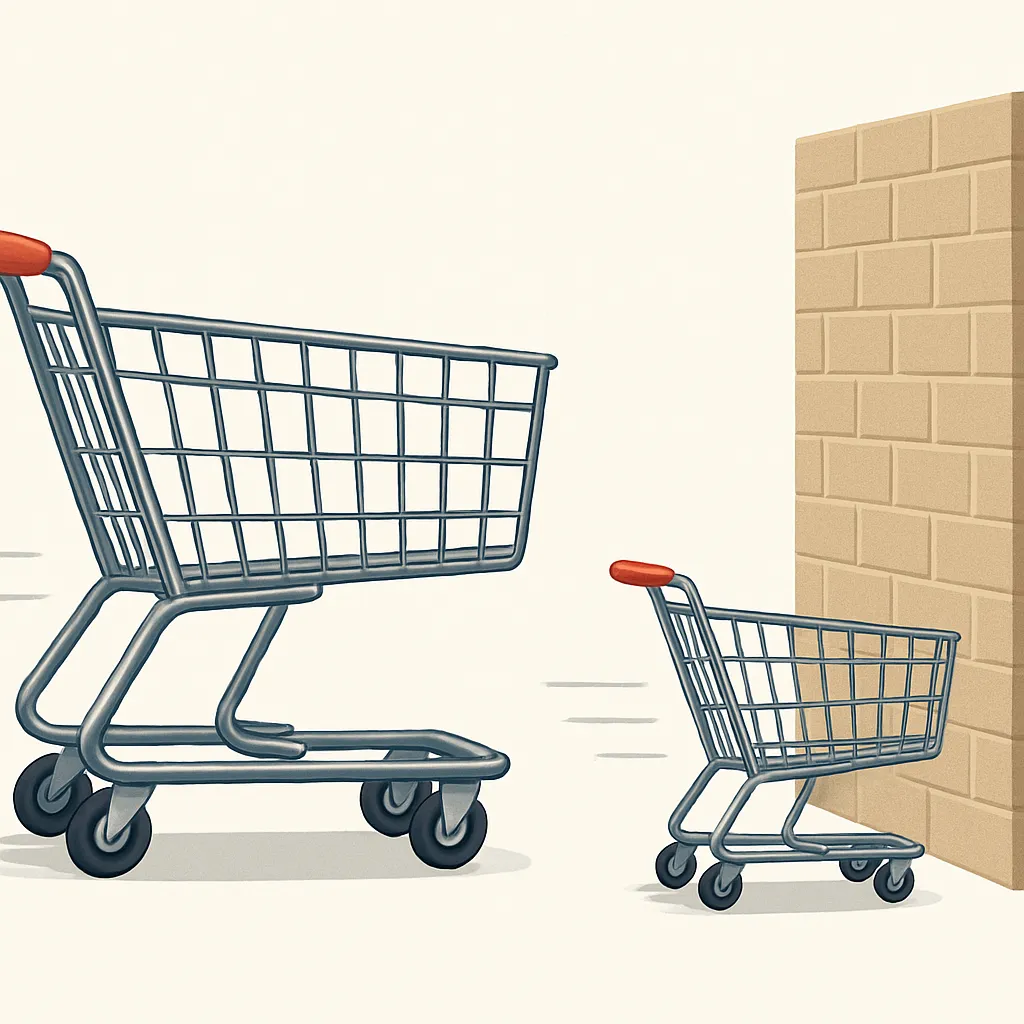
A heavy shopping cart and a light shopping cart roll toward a wall at the same speed. Which cart is more likely to transfer more energy to the wall in the collision?
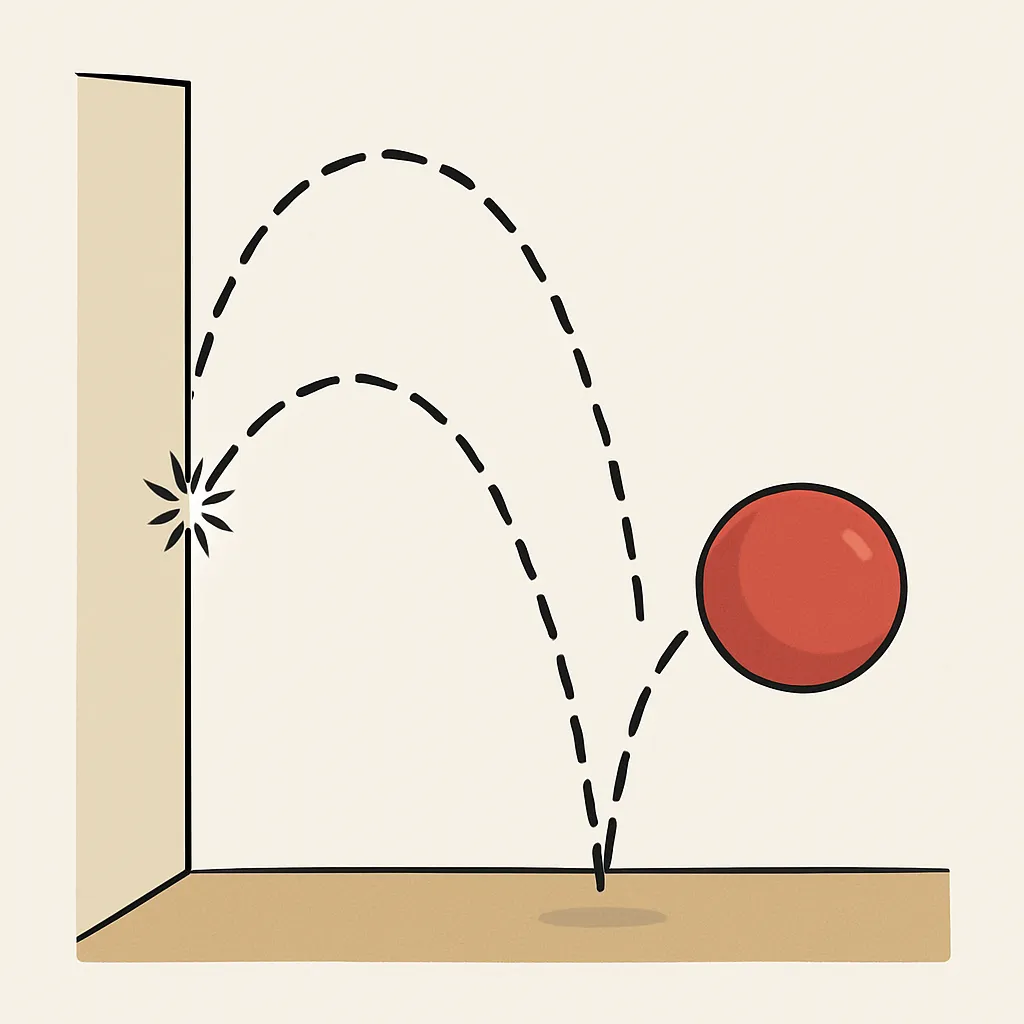
A ball hits a wall and bounces back. What did the wall do to the ball?
Which is the best evidence that a collision transferred energy?
True or False: A heavy ball and a light ball roll at the same speed. The heavy ball has more energy of motion.
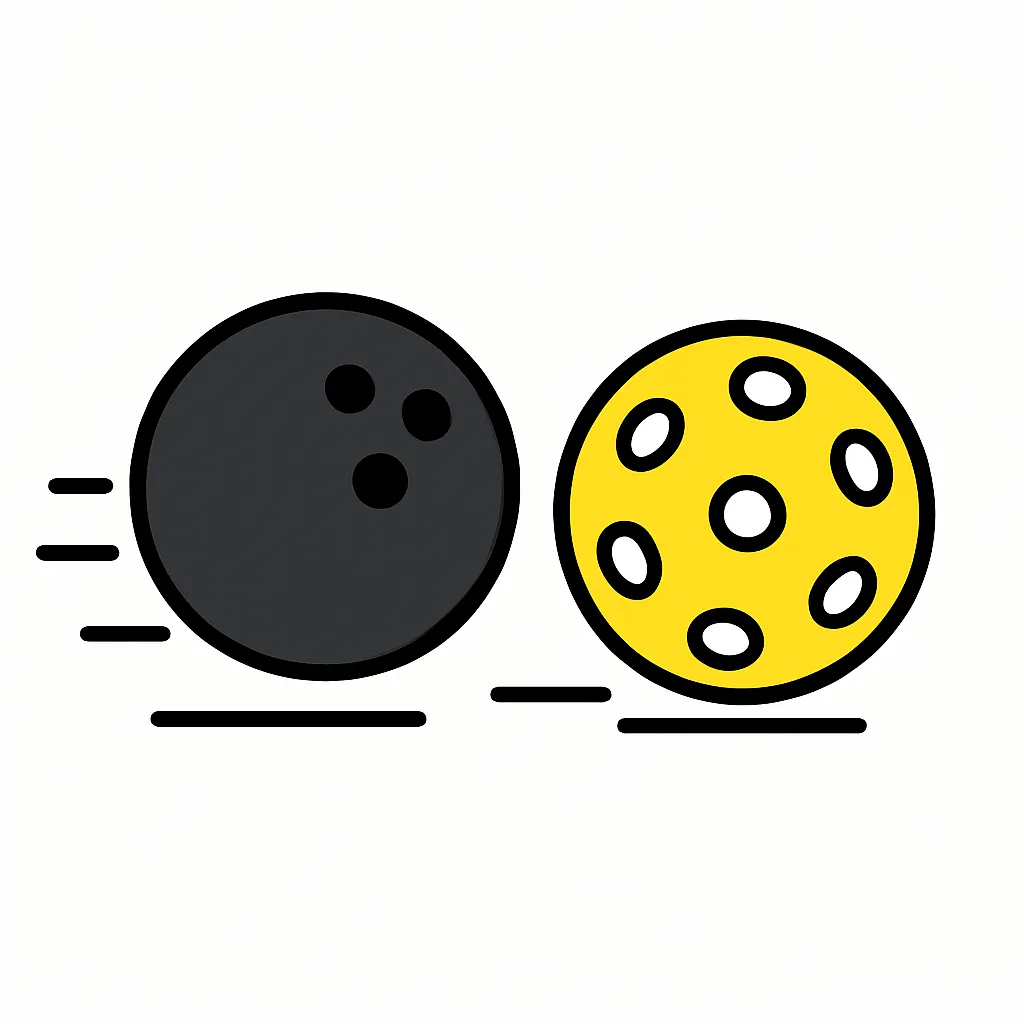
A student repeats a collision test three times and gets similar results. Why is repeating the test useful?
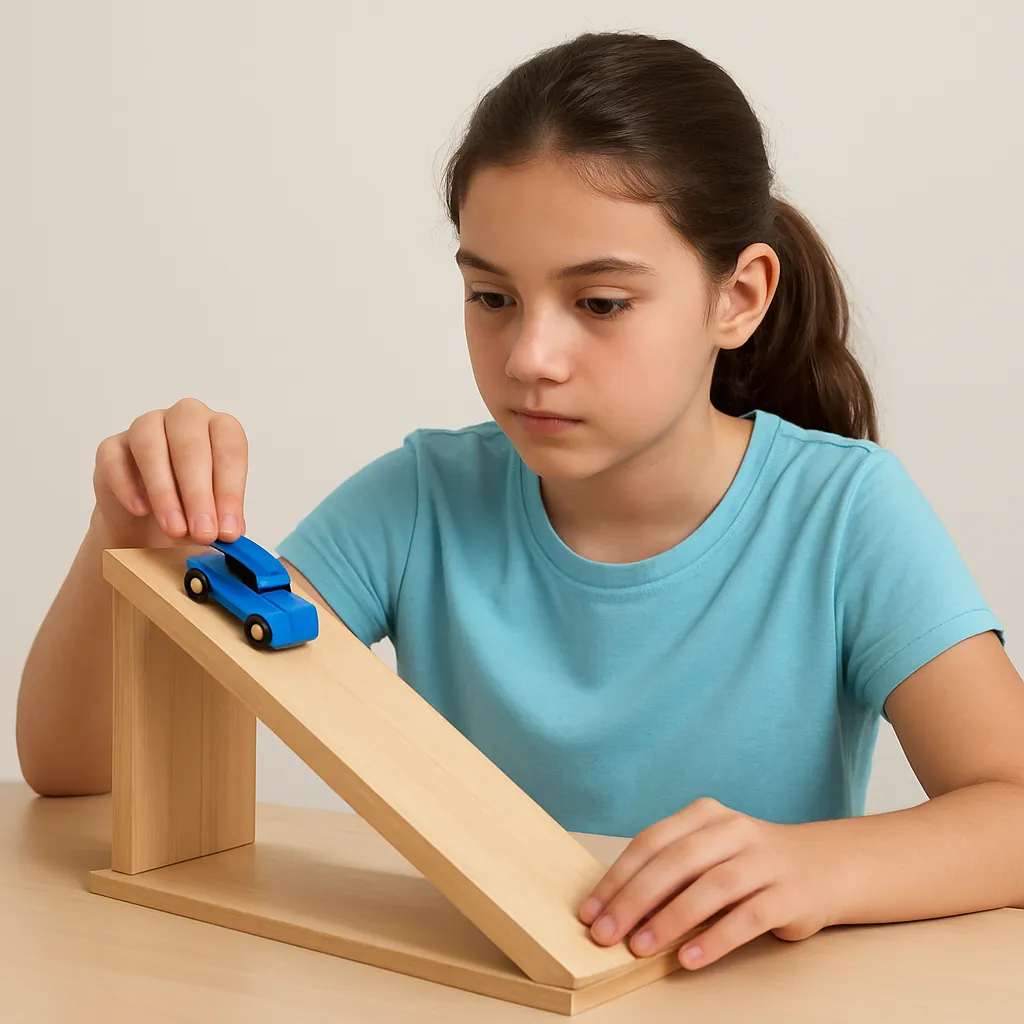
A toy car hits a block on a smooth floor and then on rough carpet. On which surface will the block likely slide farther?
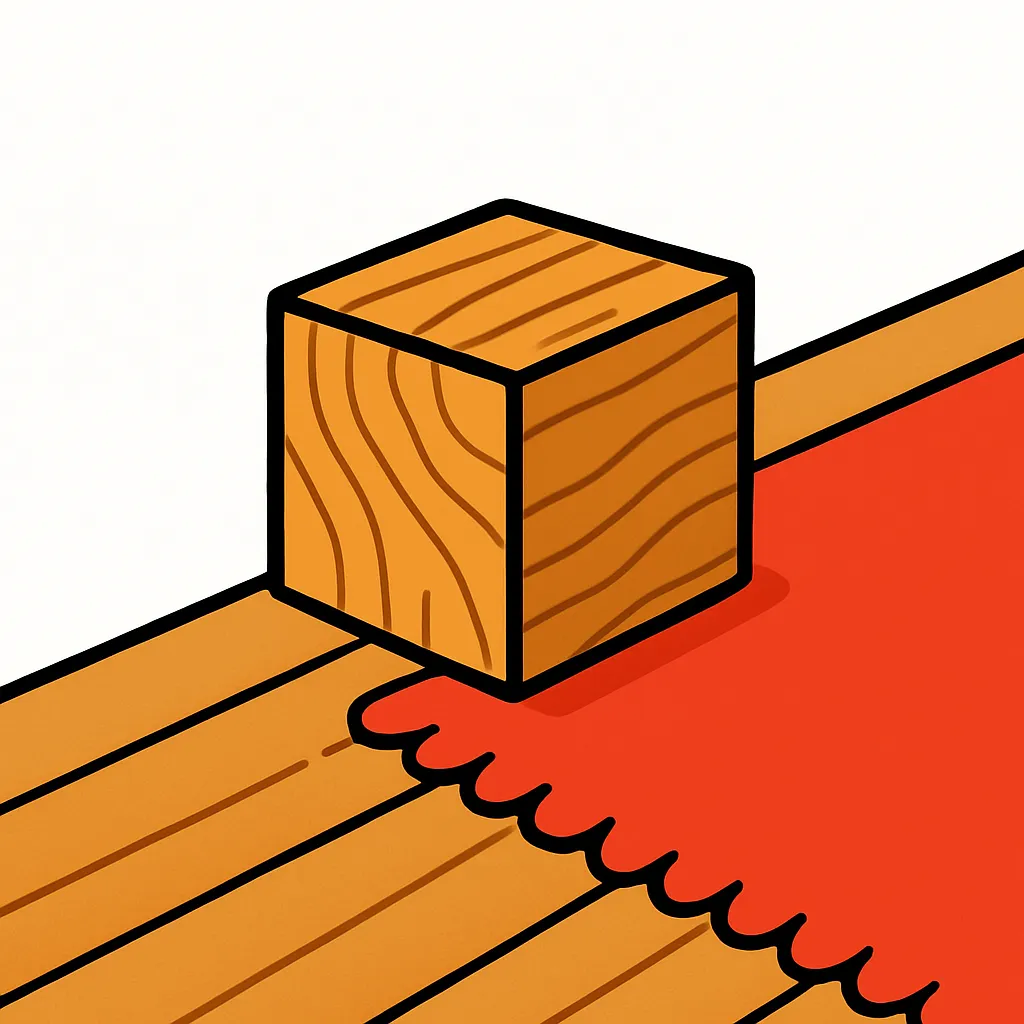
A basketball falls from a high shelf toward the floor. What happens to its energy of motion as it falls?
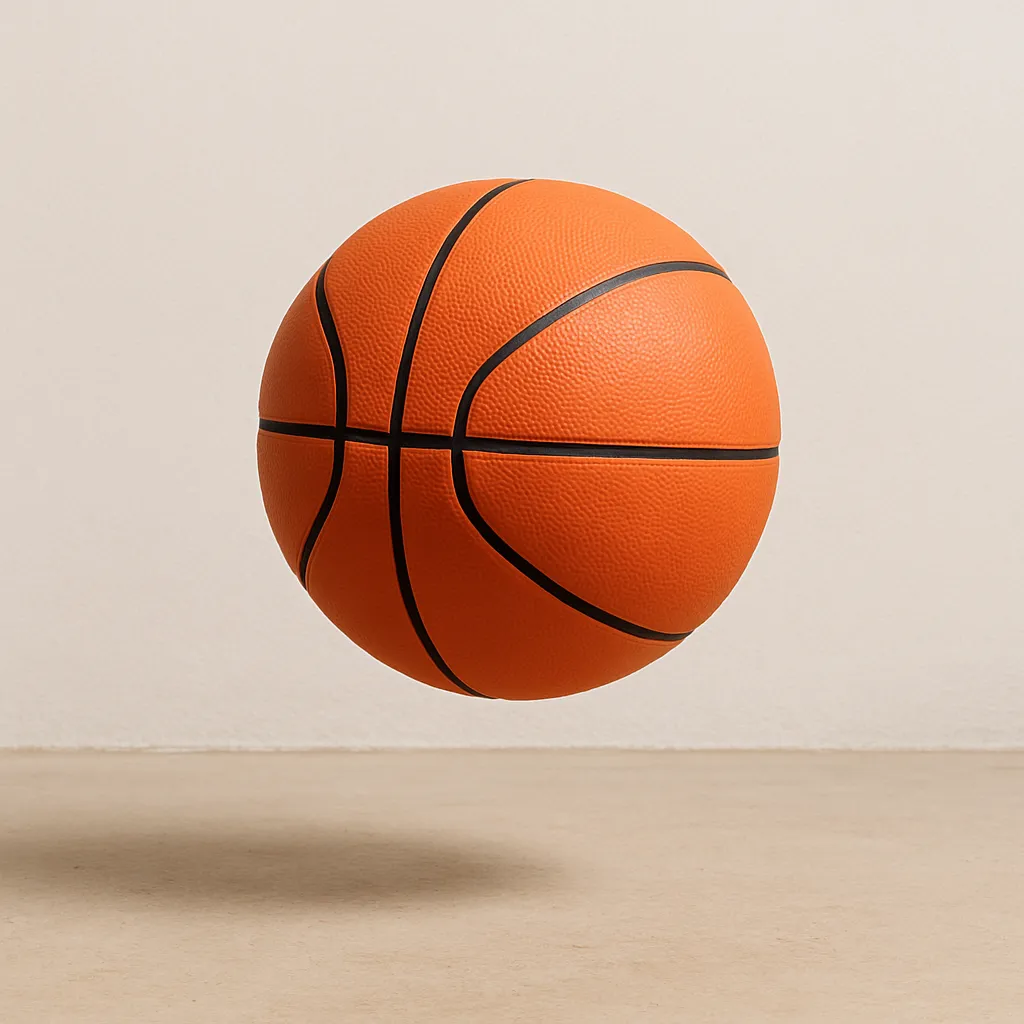
True or False: A slow collision between two toy trains will usually make a louder crash sound than a fast collision between the same two trains.
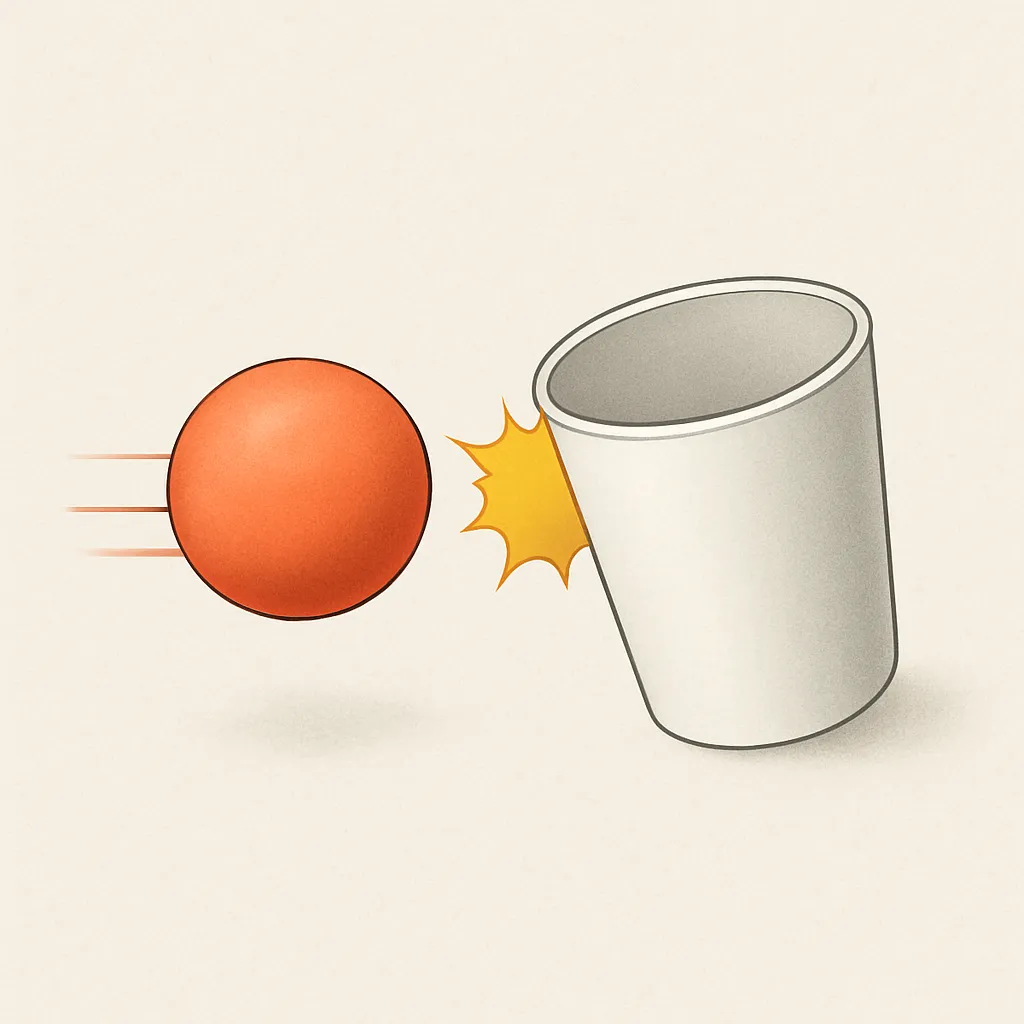
A student says, “The cup moved because the rolling ball pushed it during contact.” Which science idea does this describe?
Crack the passcode before the zombies get in.

Pick a tile, answer, hit bonuses and steals.
Waves: Amplitude and Wavelength
20 questions