Loading
by BlastRoom
Practice specialization, interdependence, and how barter and money move goods between people and regions.
#economics#us_grade_5_social_studies
40 questions
One question set, multiple game modes. Tap any game to see it in action. Not sure which to pick?
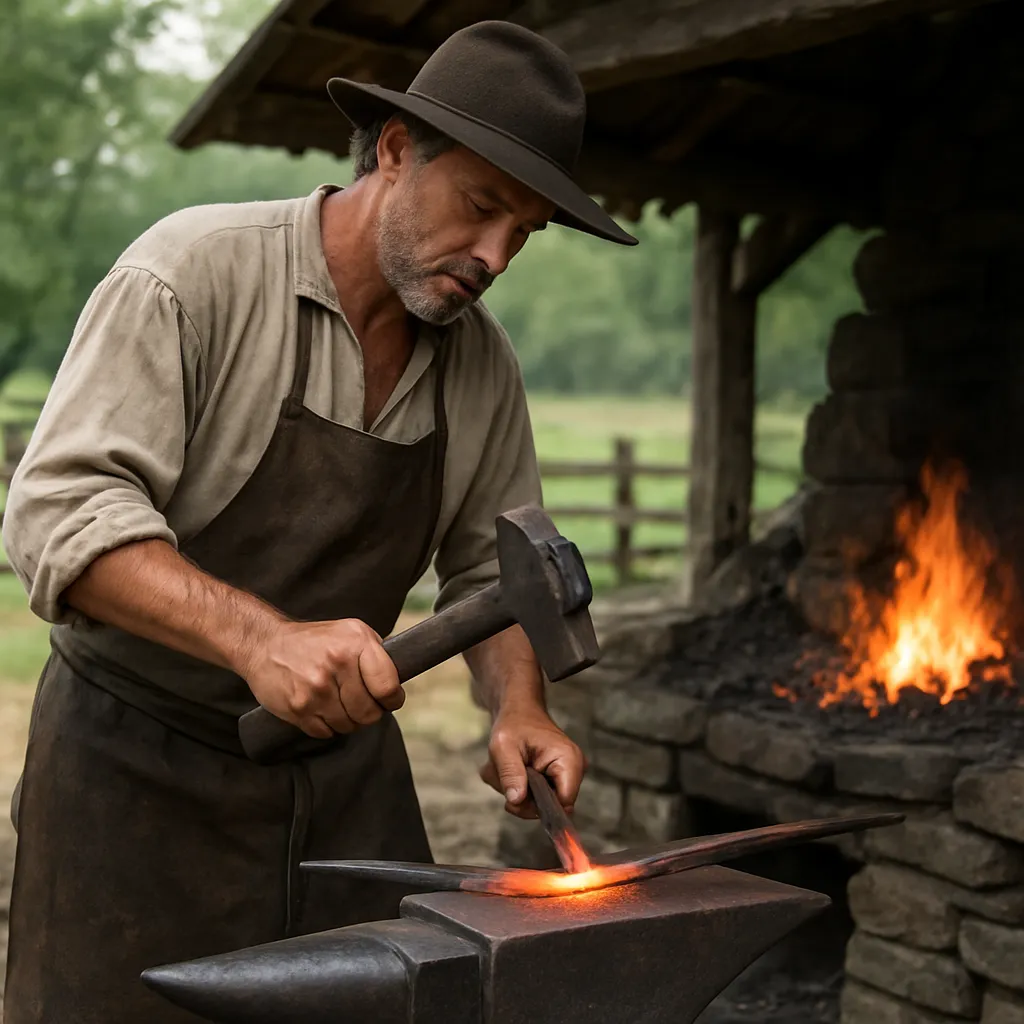
In one colonial town a weaver makes only cloth, a cooper makes only barrels, and a blacksmith makes only iron tools. Each worker producing one kind of good is called what?
At a town market a weaver sells cloth to a cooper, who will sew it into a shirt for his son. In this trade, what role is the cooper playing?
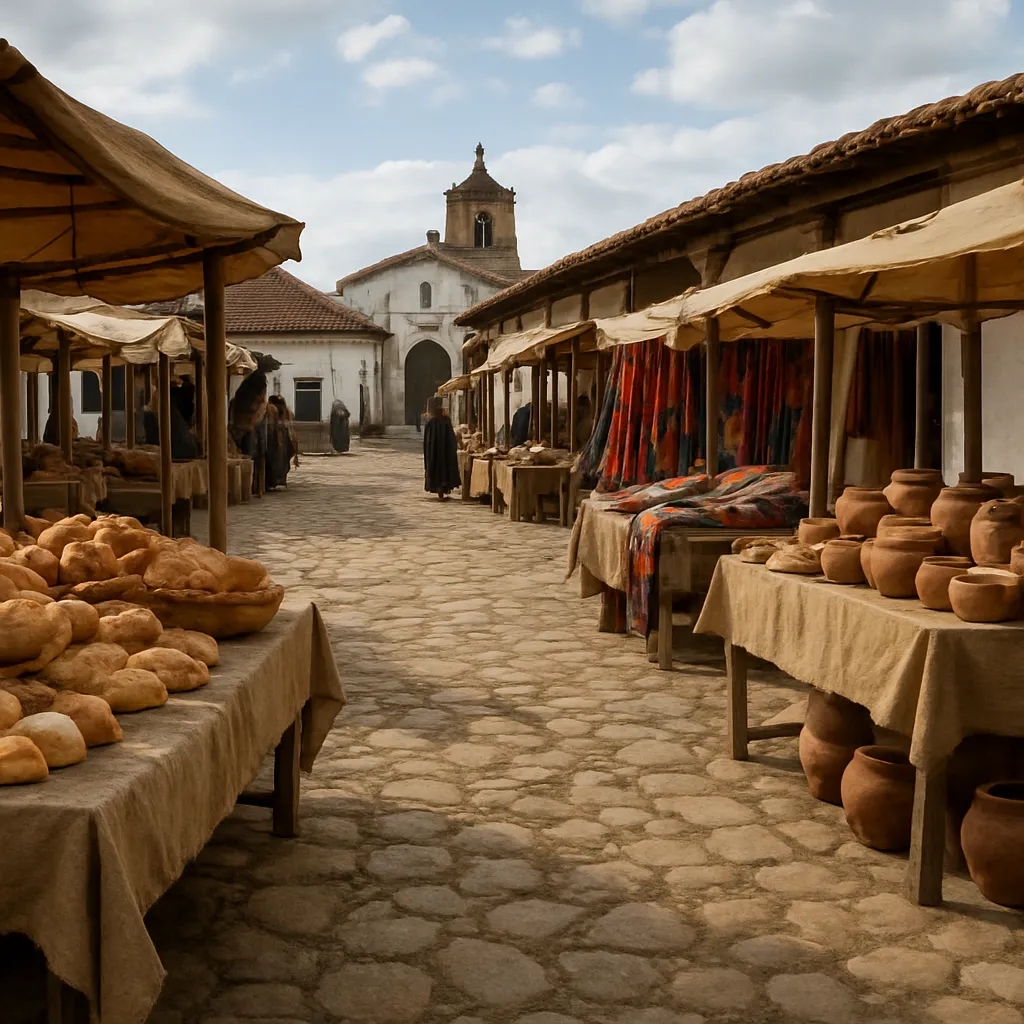
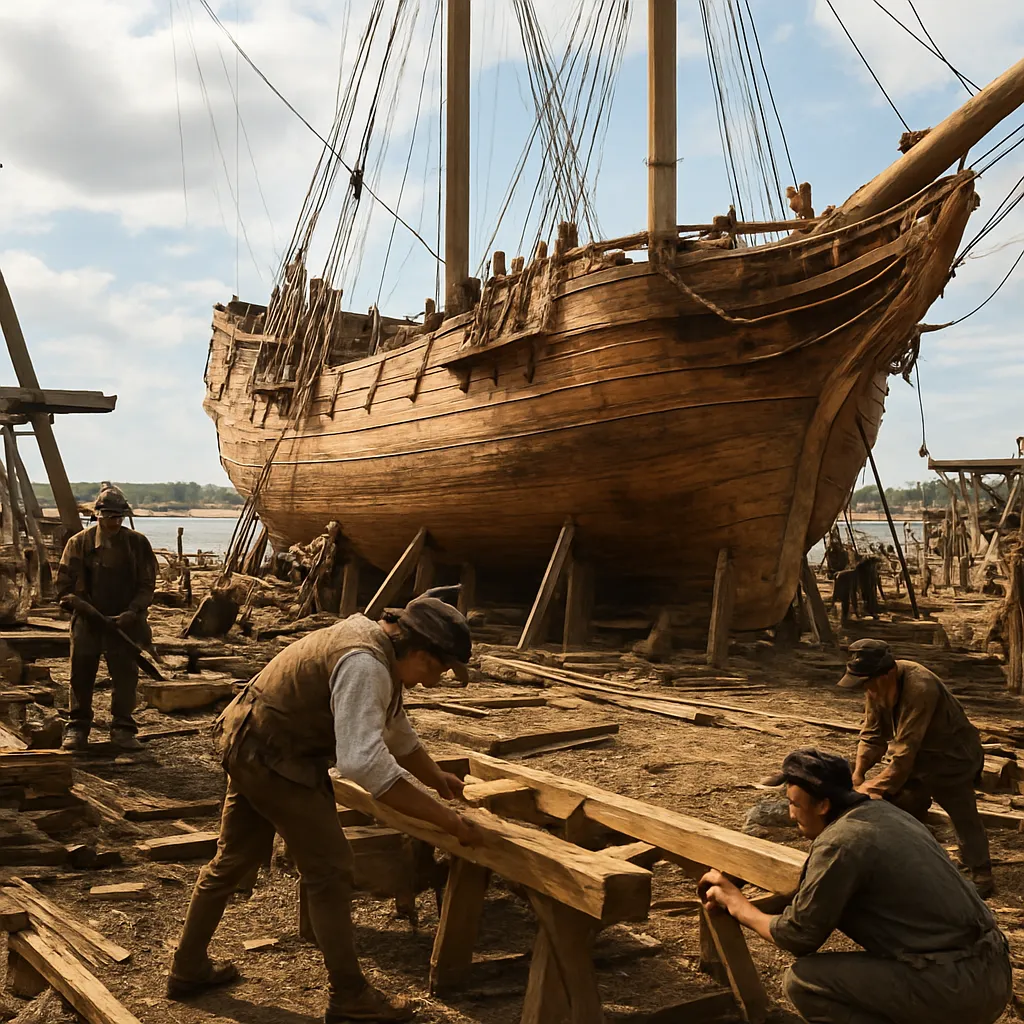
In a colonial shipyard one crew cuts the timbers, a second fits the planks, and a third sews the sails. Splitting one large job into separate tasks like this is called what?
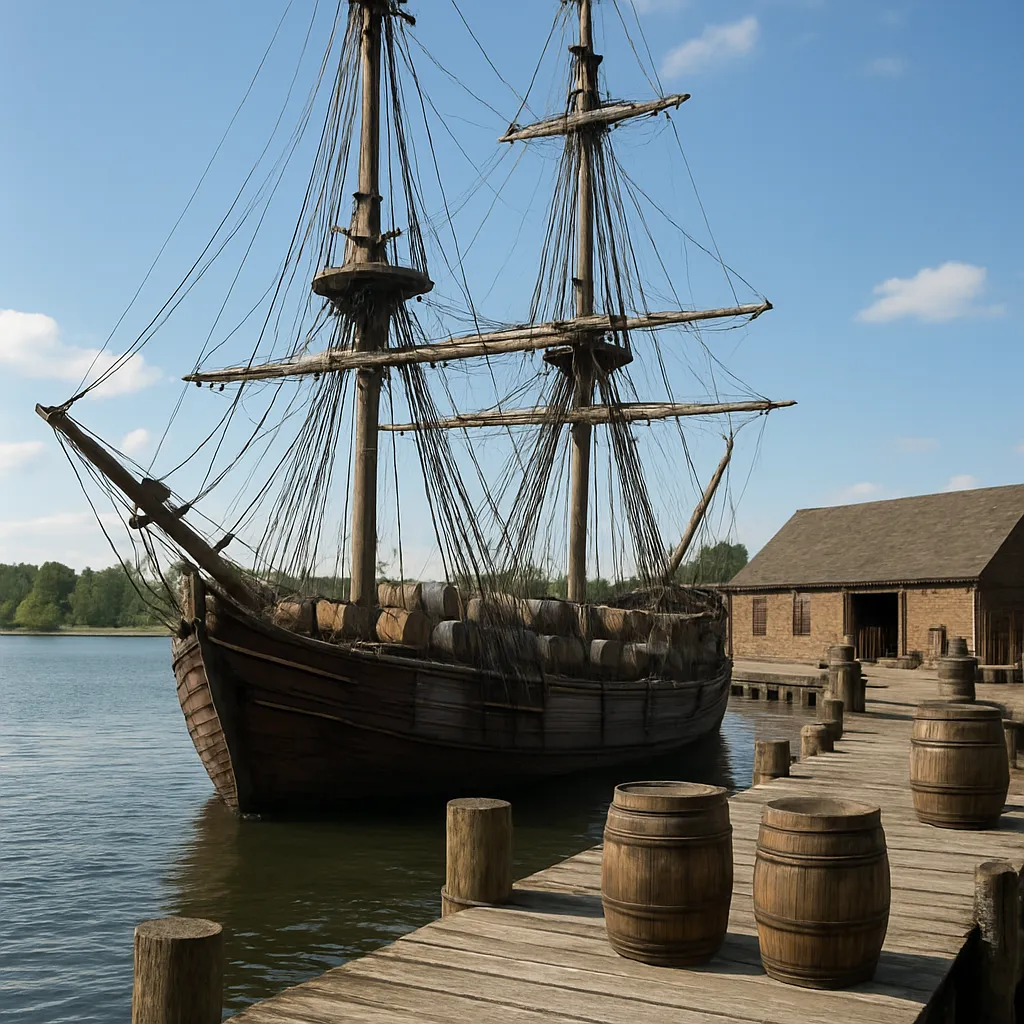
Southern planters shipped most of their tobacco across the Atlantic to England. What did they usually get back from England in return?
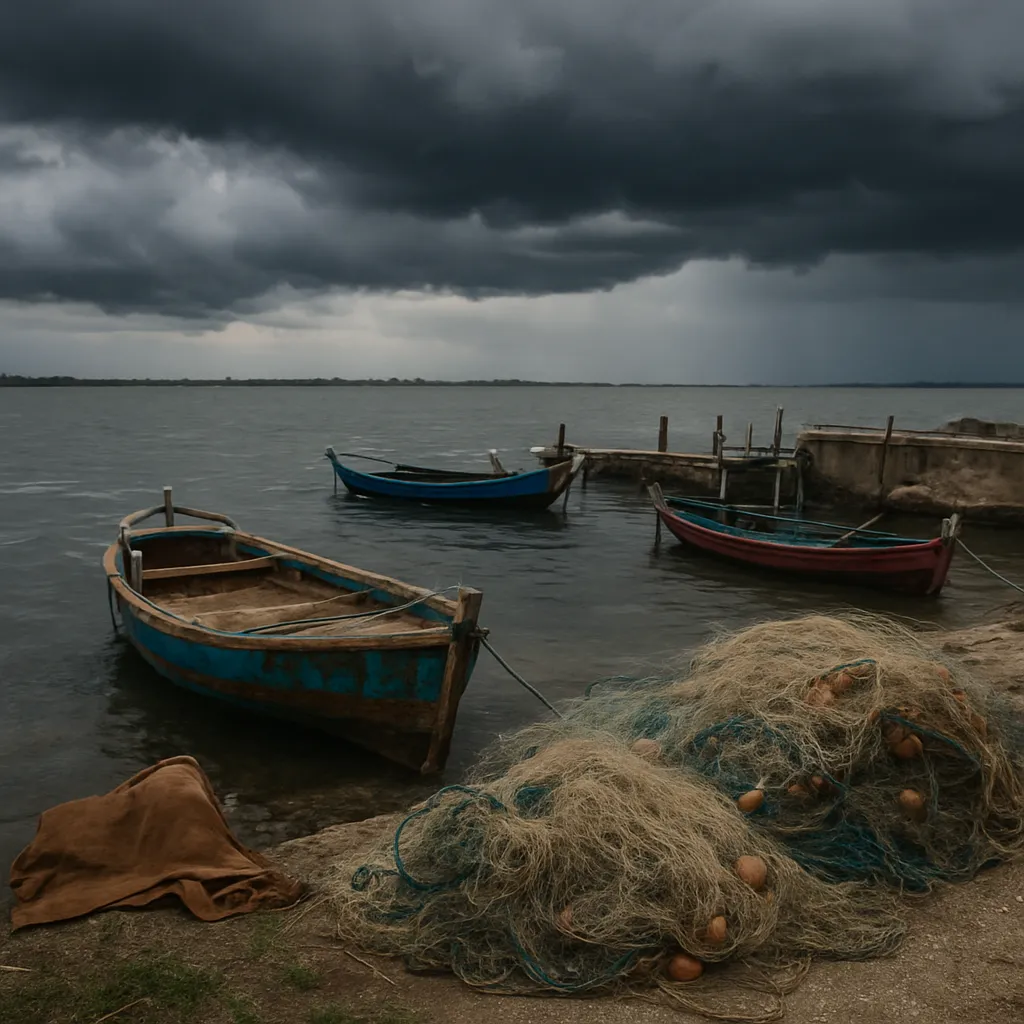
A fishing town trades its cod to inland farms for grain. A month of storms blocks all trade in and out of the town. What problem does the town now face?
New England had thin rocky soil, thick forests, and deep natural harbors. Colonists there specialized in what kinds of work?

The Southern Colonies had a long growing season, warm weather, and wide areas of rich soil near rivers. What did colonists there specialize in producing?
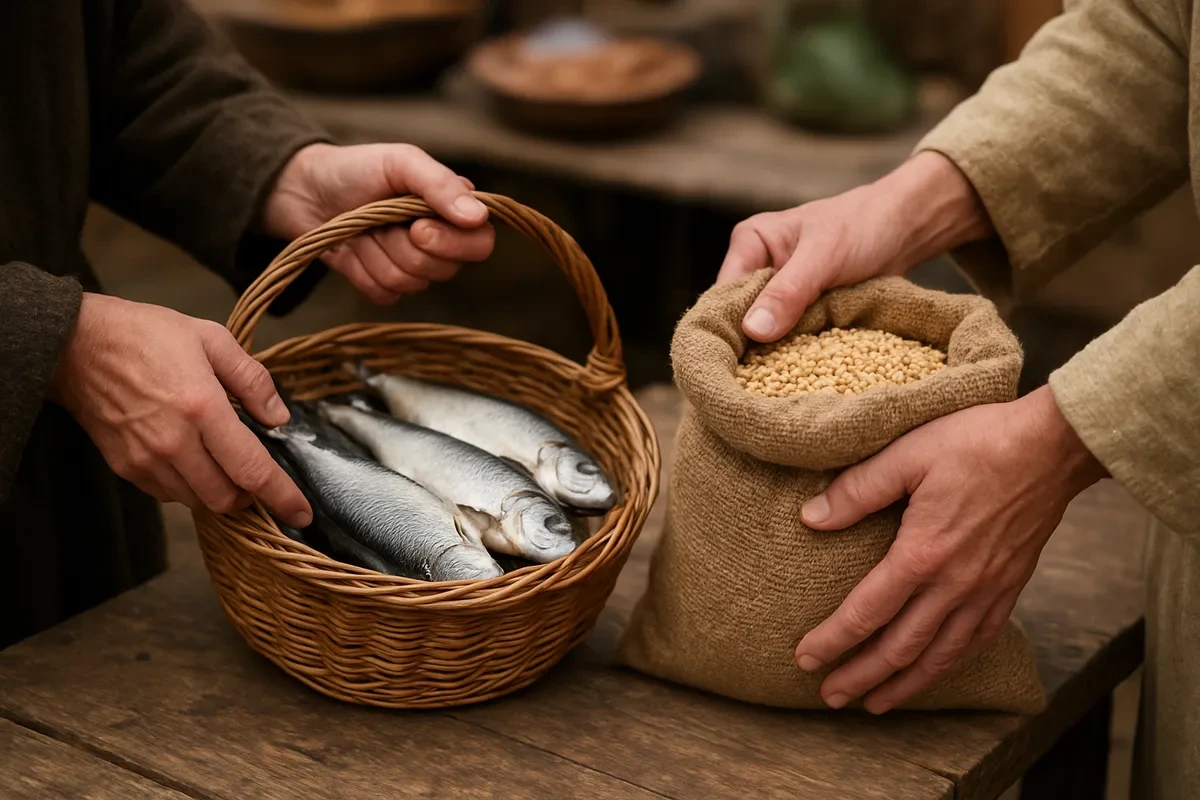
Many colonists swapped goods, such as salted fish for leather boots, instead of paying with coins. Why did they barter so often?
A farmer has extra corn and wants a new axe. The blacksmith who makes axes wants firewood, not corn. Using only barter, how could the farmer still get the axe?
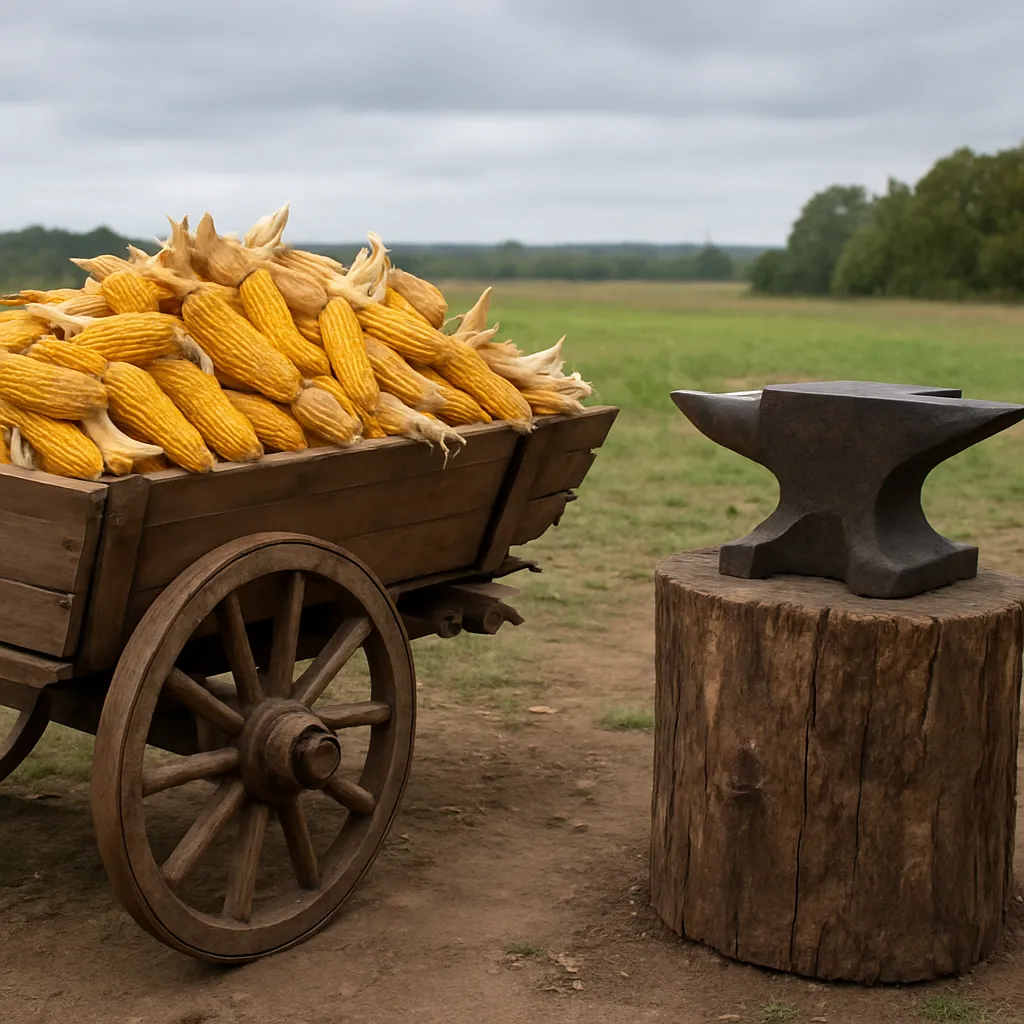
The same blacksmith who does not want corn will happily sell an axe for silver coins. What does money do that makes this trade possible?
A fisher can be paid in fresh cod or in silver coins. Why do the coins work better than the cod as money?
A colonial shop marks a wool coat at ten shillings and a felt hat at two shillings. How does using money help a shopper here?
Something works as money only if people are willing to accept it in exchange for goods and services.
A colonist pays a New England debt with a string of wampum beads instead of swapping goods directly. What role is the wampum playing in that exchange?
In 1637 the Massachusetts colony set an official rate in pennies at which wampum could be used to pay debts. Why could wampum work as money in New England then?
Britain did not allow its American colonies to mint their own coins, so colonists used foreign coins instead. What was the most common coin in the colonies?
Spanish silver coins were struck with a milled, patterned edge. Why did colonial traders trust a coin with that edge?
The Second Continental Congress had to pay for the Revolutionary War but had no power to collect taxes from the states. What did Congress do to raise funds?
Congress printed more and more Continental currency as the Revolutionary War went on. What happened to the goods one Continental dollar could buy?
Because the Southern Colonies specialized in cash crops like tobacco and rice, they had no reason to trade with other regions.
What does specialization mean in an economy?
A farmer grows mostly wheat instead of also raising animals and growing vegetables, then trades the wheat for the other goods his family needs. What does this show?
One benefit of specialization is that workers can often become more skilled and productive.
A factory worker attaches the same small part all day, every day. What is one drawback of this kind of specialization?
What is barter?
A person trades a basket of apples directly for a haircut, with no money changing hands. What does this show?
A farmer wants one loaf of bread, but all he has to trade is a cow, which is worth far more than the loaf. What barter problem does this show?
What is currency?
A trader travels to a market two days away. Why is it easier for him to bring a purse of coins than wagons full of goods to barter?
When a factory breaks a complex job into many small, repeated steps instead of having one worker make the whole product, what usually happens to the amount produced?
People in the United States pay for food, clothes, and haircuts with dollar bills and coins. What are dollar bills and coins an example of?
What does a price show?
A family that grows only corn on their farm, instead of also raising animals and sewing clothes, must now do what to get the other things they need?
If a town is known for building fishing boats while another town grows oranges, what is most likely happening?
A town that produces lumber and a town that produces fish each buy the goods they do not make from the other town. What does this show about the two towns?
When a bakery breaks bread-making into simple repeated steps, with one worker mixing dough, another shaping loaves, and another baking, what usually happens to the skill each single worker must learn for their own step?
Because workers specialize, most people today are self-sufficient and no longer need to trade with anyone else.
A baker has bread and wants wool. A shepherd has wool and wants firewood. A woodcutter has firewood and wants bread. Why is it hard for the baker to get wool through barter?
A cobbler who only makes shoes cannot grow food, build furniture, or sew clothes. What does this show about specialization?
In a bakery, one worker mixes dough, a second shapes loaves, and a third bakes them. One day the worker who mixes dough is out sick. What most likely happens?
Crack the passcode before the zombies get in.

Pick a tile, answer, hit bonuses and steals.

Struggles for Equality and Rights in American History
40 questions