Loading
by BlastRoom
Describe Martinique, Guadeloupe and Haiti: their history, their languages and their cultures.
#us_hs_french
25 questions
One question set, multiple game modes. Tap any game to see it in action. Not sure which to pick?
Answer to place stones and capture territory.
Outrun the snow together.
Earn blasts, then hunt the other team.
Answer to earn energy, then climb.

The class blasts through walls together.
Bid on mystery lots. Most money wins.
Sell tours. Nice, standard, or a total scam.

Answer, restock, and serve the rush.
More correct answers pulls the rope your way.
Answer, then shoot down the alien wave.
Answer, then tap to leap the frozen ridge.
France abolished slavery in its colonies a second time through a decree championed by Victor Schoelcher. In which year was that lasting abolition decreed?
The French Revolution first abolished slavery in French colonies before Napoleon restored it. In which year did the first abolition occur?
Napoleon reestablished slavery in several French colonies after the earlier revolutionary abolition. In which year was this restoration enacted?
After a revolution against French colonial rule and slavery, Haïti declared independence. In which year did it become independent?
A 1946 law, for which Aimé Césaire was rapporteur, changed Martinique and Guadeloupe's legal status. What did they become?
French settlement began in both Martinique and Guadeloupe during the seventeenth century. In which year did that colonization begin?
On the island whose capital is Fort-de-France, a home language developed largely from French vocabulary but with its own grammar. What is this language called?
In the country whose capital is Port-au-Prince, most people use a language with French-based vocabulary and its own grammar in daily life. What is it called?
Article 5 of Haïti's Constitution recognizes which two official languages?
Which French-lexifier creole is traditionally spoken alongside French on the islands whose capital is Basse-Terre?
In which year did Haïti's constitution formally recognize Haitian Creole as an official language alongside French?
Cahier d'un retour au pays natal, first published in 1939, is a central poem of the Négritude movement. Who wrote it?
Le Discours antillais, published in 1981, explores Antillean identity and the idea of Relation. Who wrote it?
Peau noire, masques blancs, published in 1952, analyzes the psychological effects of colonial racism. Who wrote this work?
Which poet from Guyane française was, with Césaire and Senghor, a founder of the Négritude movement?
Ségou, whose first volume appeared in 1984, is a historical novel by which Guadeloupean writer?
Gouverneurs de la rosée, published in 1944, is a Haitian novel centered on a drought-stricken rural community. Who wrote it?
A Guadeloupean tradition of drumming, singing, and dancing uses seven rhythms and was added to UNESCO's intangible heritage list in 2014. What is it called?
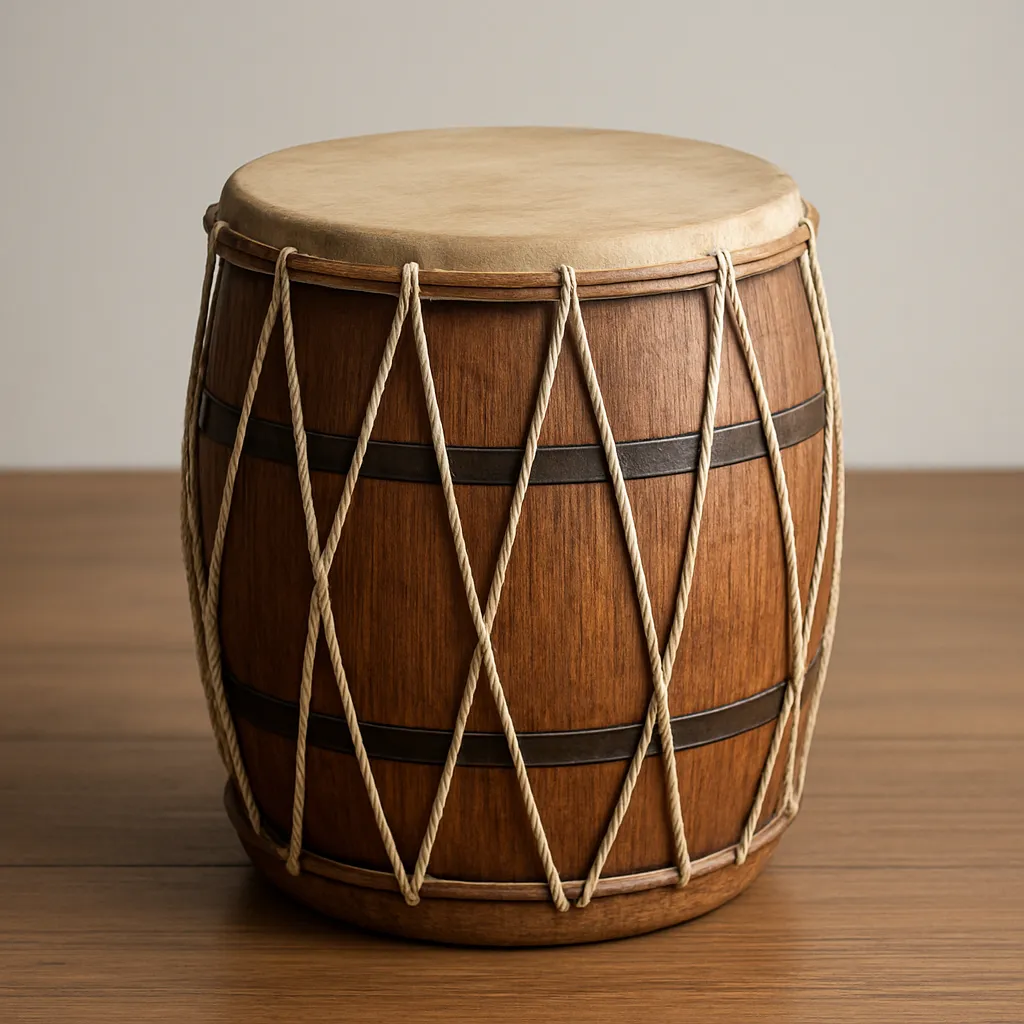
Which Martinican music and dance tradition features a drummer sitting astride a large drum while a second musician beats rhythms with two sticks called ti bwa?
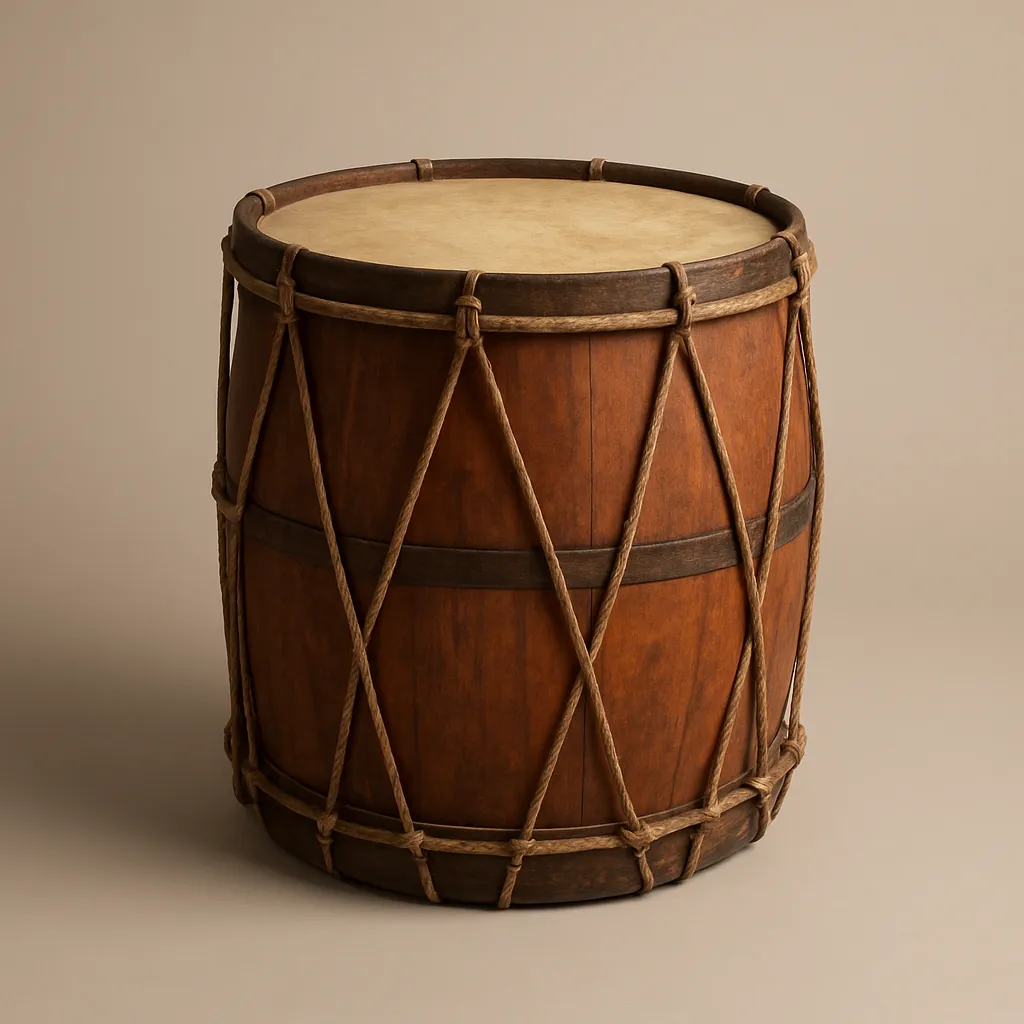
On Haïti's Independence Day, families traditionally share a pumpkin soup inscribed on UNESCO's intangible heritage list in 2021. What is it called?
During Lent and Easter in Haïti, street bands play bamboo trumpets, drums, and metal instruments. What is this musical tradition called?
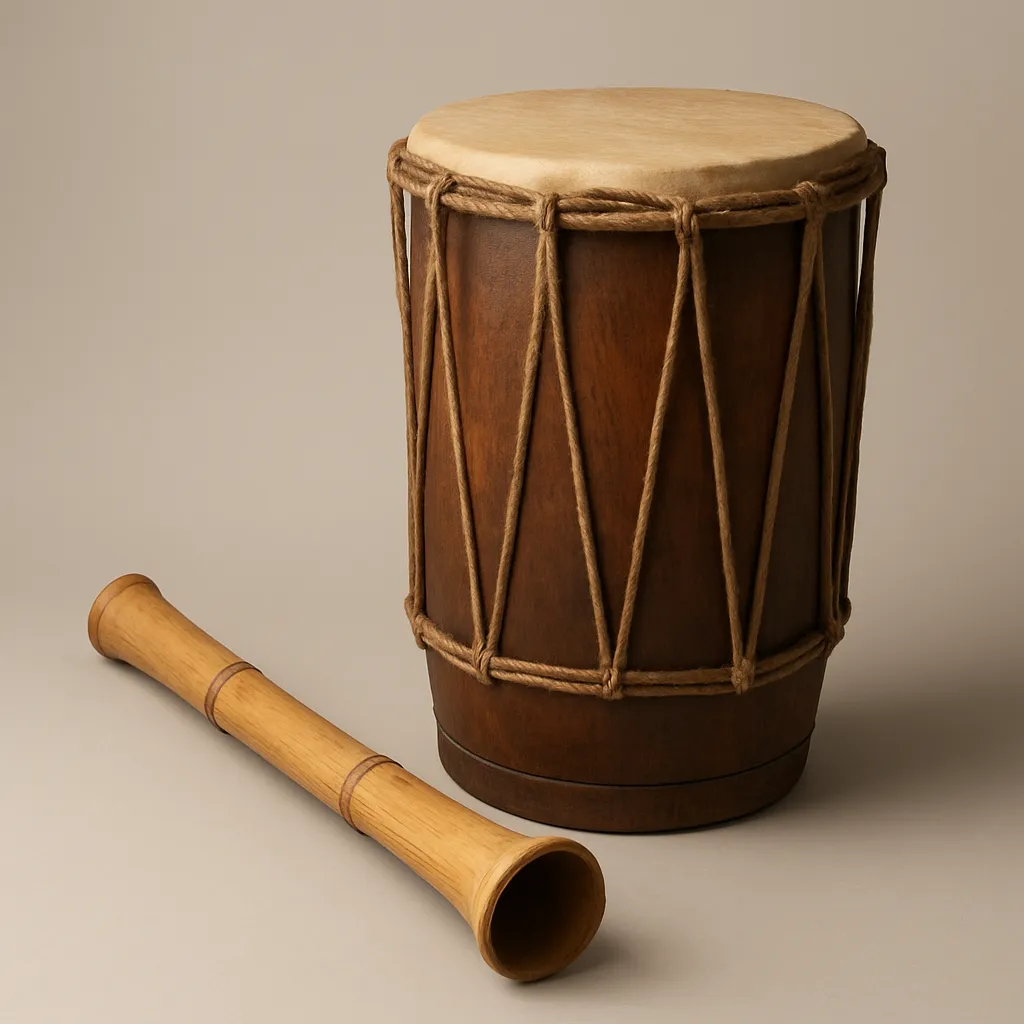
In Guadeloupe and Martinique, what is the name of the spiced dish shaped by Indian culinary influences?
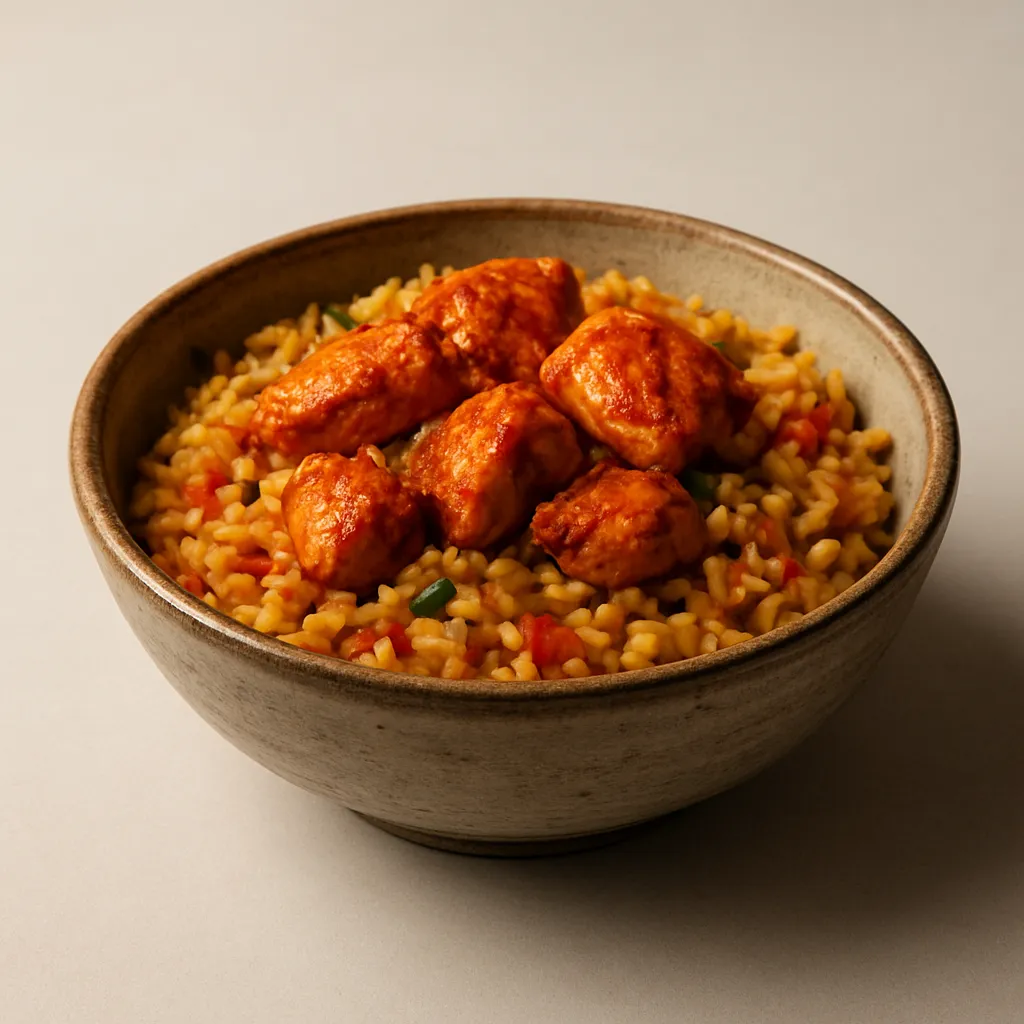
Haïti shares the island of Hispaniola with which country?
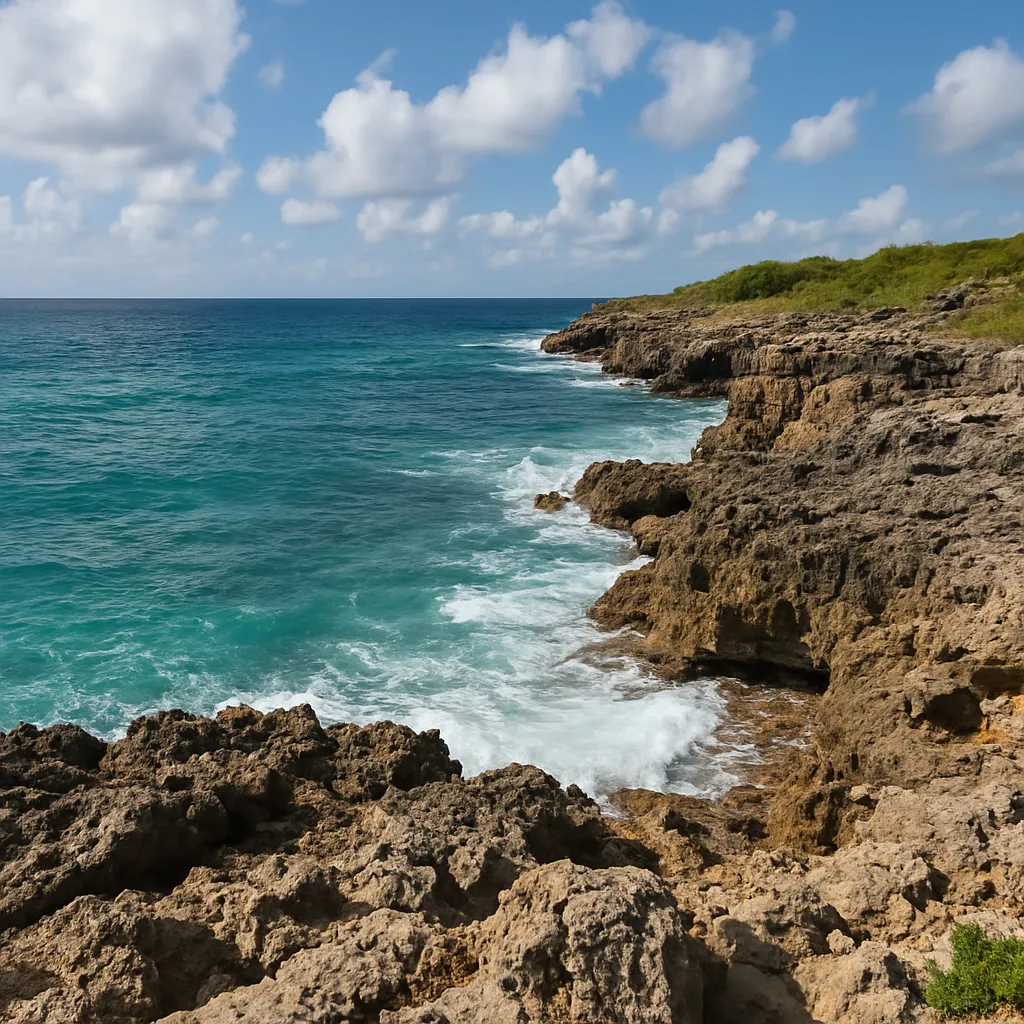
Martinique and Guadeloupe are overseas departments. To which legislature do they send deputies and senators?
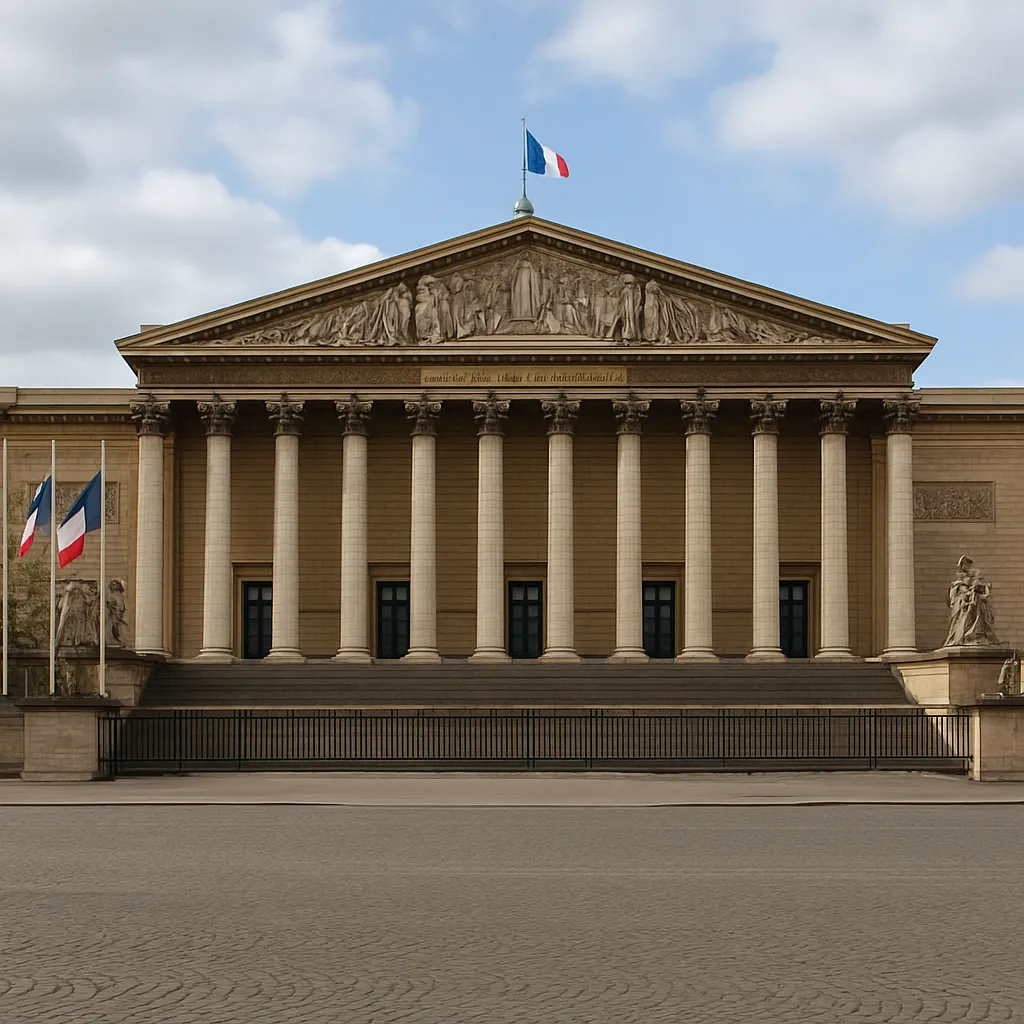
What currency is used in both Martinique and Guadeloupe as French territories in the Caribbean?
Crack the passcode before the zombies get in.
Answer, then swat bugs for bonus points.
Race through questions at your own speed.
Same question on every screen. Fastest wins.

Pick a tile, answer, hit bonuses and steals.
Le Québec: langue et identité
25 questions