Loading
by BlastRoom
Context questions on Afghanistan, ethnicity, and exile in The Kite Runner.
#literature
20 questions
One question set, multiple game modes. Tap any game to see it in action. Not sure which to pick?
Answer to place stones and capture territory.
Outrun the snow together.
Earn blasts, then hunt the other team.
Answer to earn energy, then climb.

The class blasts through walls together.
Bid on mystery lots. Most money wins.
Sell tours. Nice, standard, or a total scam.

Answer, restock, and serve the rush.
More correct answers pulls the rope your way.
Answer, then shoot down the alien wave.
Answer, then tap to leap the frozen ridge.
Amir is a Pashtun Sunni boy in Baba's house; Hassan is a Hazara Shi'a servant's son. What does this context explain about their friendship?
Hassan does chores and lives with Ali in a hut on Baba's property, even though Amir says they fed from the same breast. What tension is the novel showing?
Assef mocks Hassan as a Hazara and later appears as a Taliban official. Which pattern does that link create?
Why is Amir's betrayal in the alley shaped by more than ordinary jealousy?
After the Taliban take power, Hassan and Farzana are killed at Baba's house. How does their being Hazara matter?
Gunfire in 1973 interrupts Amir and Hassan's childhood, and the king's rule ends. What plot pressure begins with that coup?
After the Soviet invasion, Baba and Amir flee Kabul through Pakistan before reaching the United States. What role does that history play?
Which order matches the political background through the novel?
When Amir returns, Kabul is under Taliban control and Assef has official power. What does that setting make possible in the plot?
In Fremont, Baba works at a gas station after being a powerful man in Kabul. What does that contrast show about exile?
At the San Jose flea market, Afghan families trade goods, gossip, and introductions. What does that community give Amir and Baba?
Soraya worries that Afghan gossip will follow her past even in California. What does this detail reveal about immigrant identity?
Amir sees America as a place where he might bury his memories. How does the novel test that hope?
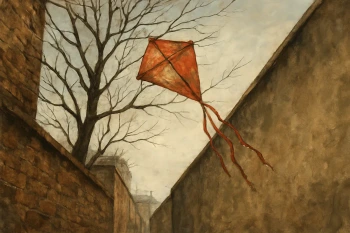
The winter kite tournament belongs to Amir's prewar Kabul childhood. What does it mean for Amir before the alley scene?
The cut blue kite that Hassan runs becomes important beyond the contest. What does it carry for Amir?
Amir and Soraya's marriage in California includes Afghan courtship customs such as the family visit and lafz. What does this show?
The novel connects Hassan's look in the alley with the sacrificial lamb of Eid al-Adha. What does that cultural allusion emphasize?
A student says the novel blames the Taliban for everything that wounds Amir. Which evidence best challenges that claim?
Rahim Khan's call tells Amir there is a way to be good again. Why is that moral claim tied to Afghanistan's history but not replaced by it?
Baba is revealed as Hassan's father, though Hassan lived as a Hazara servant's son. How does that secret deepen the novel's moral argument?
Crack the passcode before the zombies get in.
Answer, then swat bugs for bonus points.
Race through questions at your own speed.
Same question on every screen. Fastest wins.

Pick a tile, answer, hit bonuses and steals.
The Book Thief: Max, the Basement and the Bombs
25 questions