Loading
by BlastRoom
Analyze how Steinbeck uses songs, symbols, parable structure, irony, and theme in The Pearl.
#literature
20 questions
One question set, multiple game modes. Tap any game to see it in action. Not sure which to pick?
Answer to place stones and capture territory.
Outrun the snow together.
Earn blasts, then hunt the other team.
Answer to earn energy, then climb.

The class blasts through walls together.
Bid on mystery lots. Most money wins.
Sell tours. Nice, standard, or a total scam.

Answer, restock, and serve the rush.
More correct answers pulls the rope your way.
Answer, then shoot down the alien wave.
Answer, then tap to leap the frozen ridge.
When Kino first hears the Song of the Family in the brush house, what does it signal?
The Song of Evil grows as Kino watches the scorpion over Coyotito. What does the motif do in that scene?
Kino does not need to see an attacker clearly before the Song of Evil sounds near the pearl. What does that suggest about the songs?
How does the Song of the Family change once Kino owns the pearl?
Which statement best distinguishes the songs from ordinary background music in The Pearl?
At first the pearl seems to hold a rifle, a church wedding, and Coyotito's schooling. By the end, what has it come to hold for Kino and Juana?
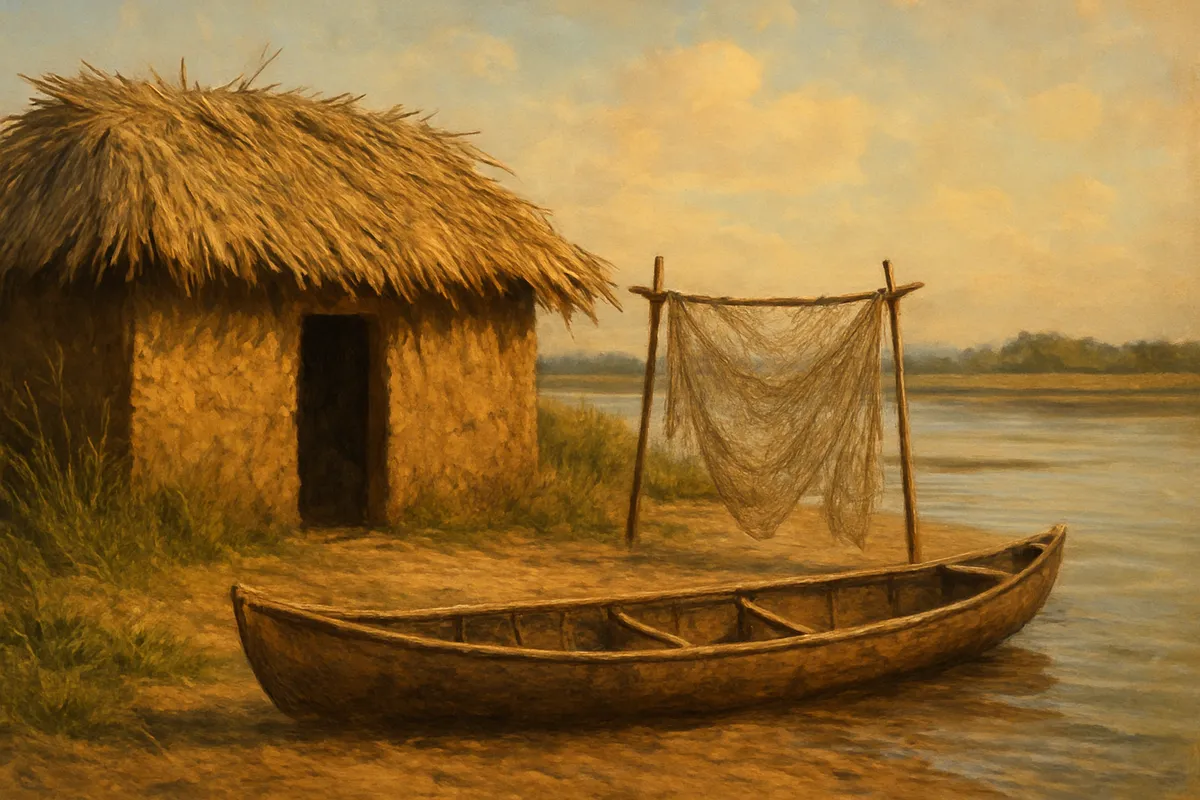
Kino's canoe is inherited from his grandfather and provides food. What does its destruction symbolize after Kino is attacked?
Juana first accepts the pearl as their chance, then tries to throw it back. What change in the pearl does her action recognize?
Kino's brush house begins as a place where the family wakes in peace. What does the burned house later show?
The rifle in Kino's dream promises power and status. When Kino takes a rifle from a tracker, what has the symbol shifted toward?
The narrator says the town has told the story of the great pearl until it has taken root in people's minds. How does that frame the book?
Why do Kino, Juana, the doctor, the priest, and the buyers often feel like figures in a moral pattern rather than fully private individuals?
The plot moves from poverty, to miraculous discovery, to greed and violence, to casting the pearl away. What parable pattern does this create?
Instead of giving exact dates, Steinbeck keeps the setting broad: town, brush houses, sea, mountains. What effect supports the parable form?
At the end, Kino and Juana return to town and throw the pearl into the sea. In parable terms, why is that ending important?
Kino wants the pearl to buy schooling so Coyotito will not be cheated; the pearl leads to Coyotito's death. What is the central irony?
The doctor refuses treatment when Kino has only seed pearls, then visits after hearing of the great pearl. What theme does this reveal?
The pearl buyers sit separately but give Kino nearly the same low judgment of the pearl. What irony is Steinbeck using?
Steinbeck often uses simple, repeated contrasts: family and evil, light and darkness, sea and town. How does that style fit the novella's purpose?
After the pearl is found, Kino hears evil around it and later is attacked. Which craft effect do these early dangers create?
Crack the passcode before the zombies get in.
Answer, then swat bugs for bonus points.
Race through questions at your own speed.
Same question on every screen. Fastest wins.

Pick a tile, answer, hit bonuses and steals.
Long Way Down: Reading the Verse Novel
20 questions