Loading
by BlastRoom
Classify faults, explain earthquake causes, and interpret maps of Philippine earthquake hazards.
#faults#matatag_science_7
20 questions
One question set, multiple game modes. Tap any game to see it in action. Not sure which to pick?
What is a fracture in Earth's crust along which rock blocks have moved?
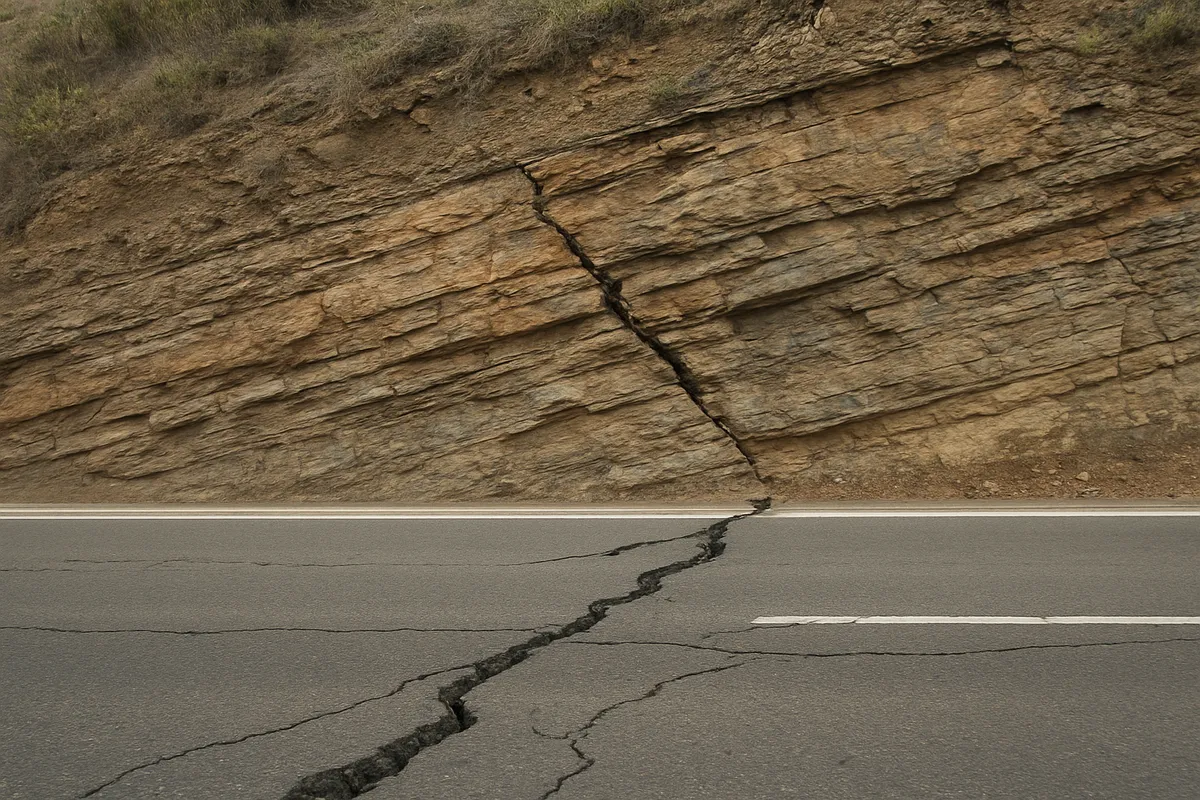
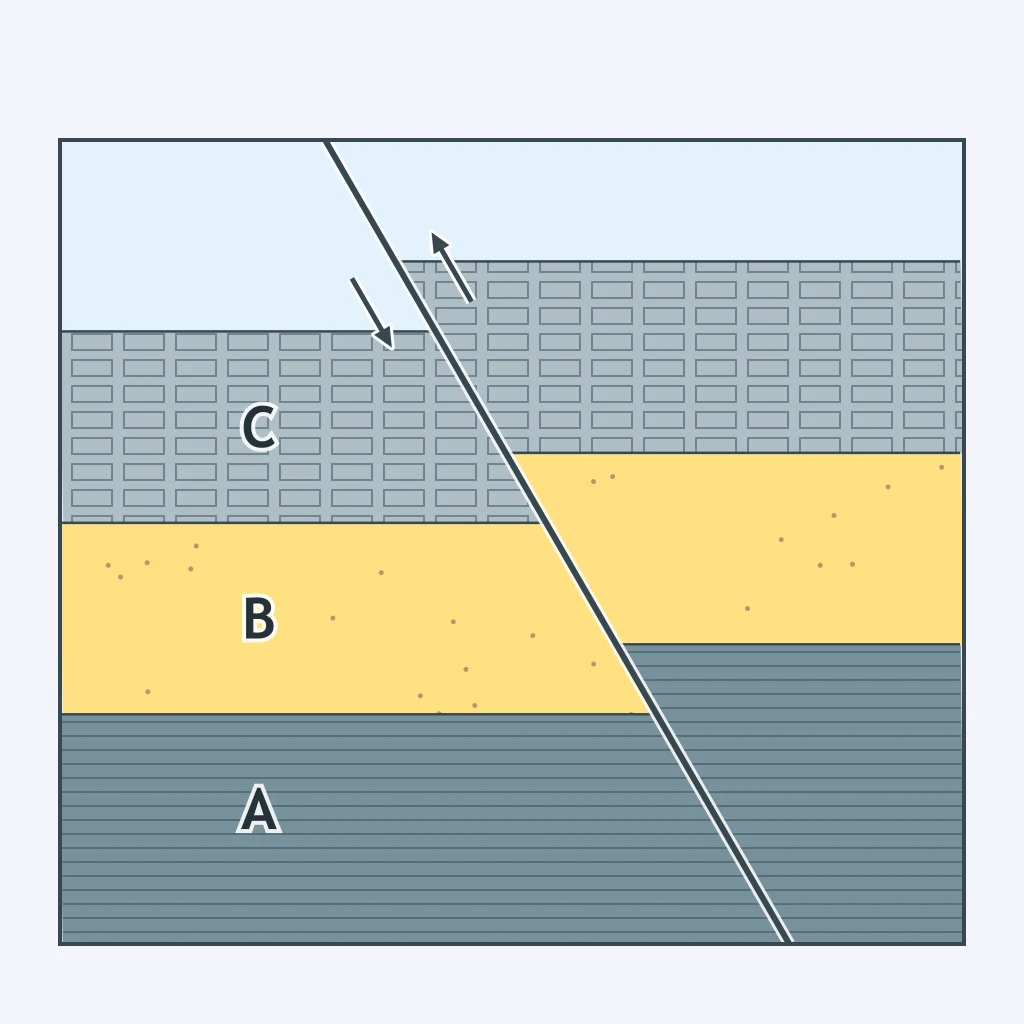
Identify the type shown by the arrows and displaced layers.
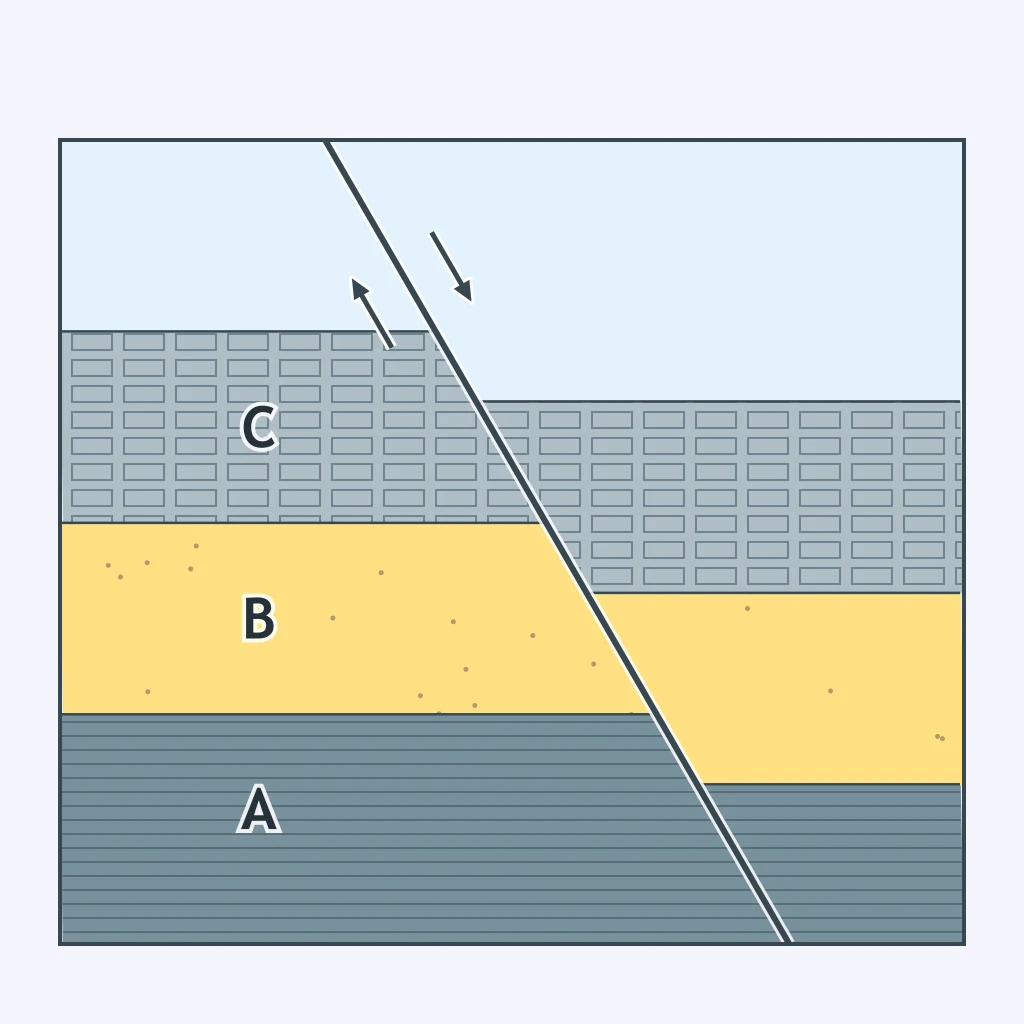
What type does the movement in this diagram indicate?
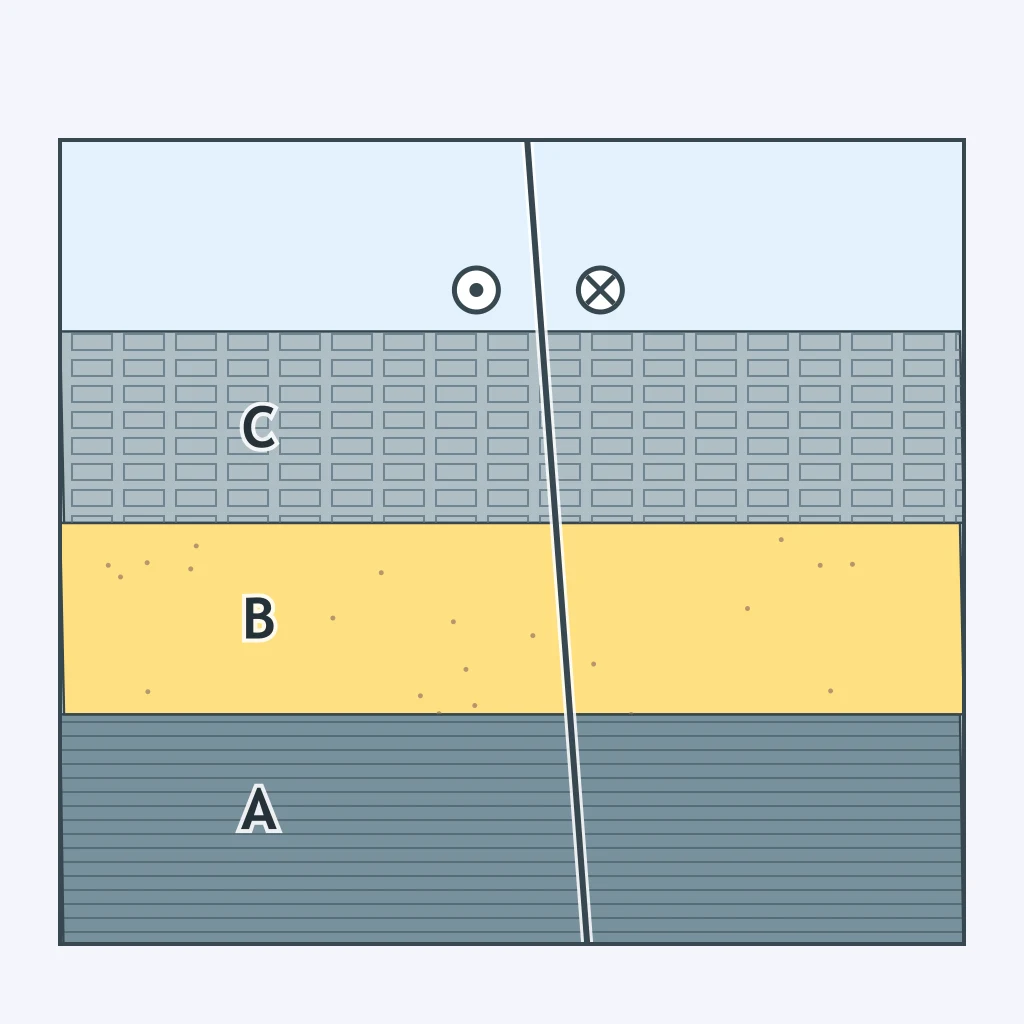
Use the toward-reader and away-from-reader symbols to classify the structure shown.
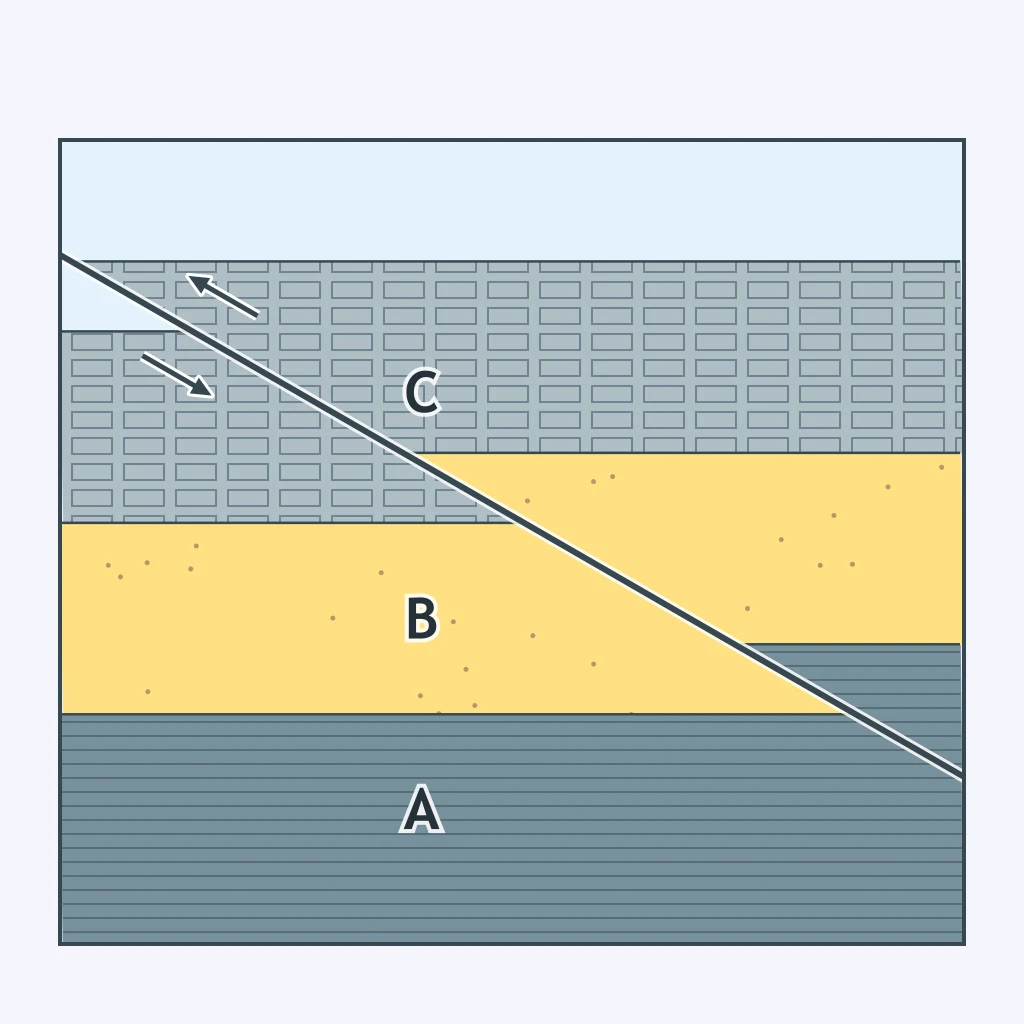
For an inclined fault plane, which names identify the rock block above it and below it, in that order?
What is the more specific name for the shallowly inclined structure shown?
Stretching forces pull rock in opposite directions. Identify the stress.
Which stress typically causes the upper block to rise along an inclined fracture?
A road becomes offset sideways as rock blocks slide past each other. Which stress acts on the blocks?
Why can rock blocks remain stuck along a fault while nearby plates continue moving?
Which statement correctly describes seismic waves released by sudden fault movement?
Which sequence best explains an earthquake caused by sudden movement underground?
Which ocean is at the center of the horseshoe-shaped boundary belt shown?
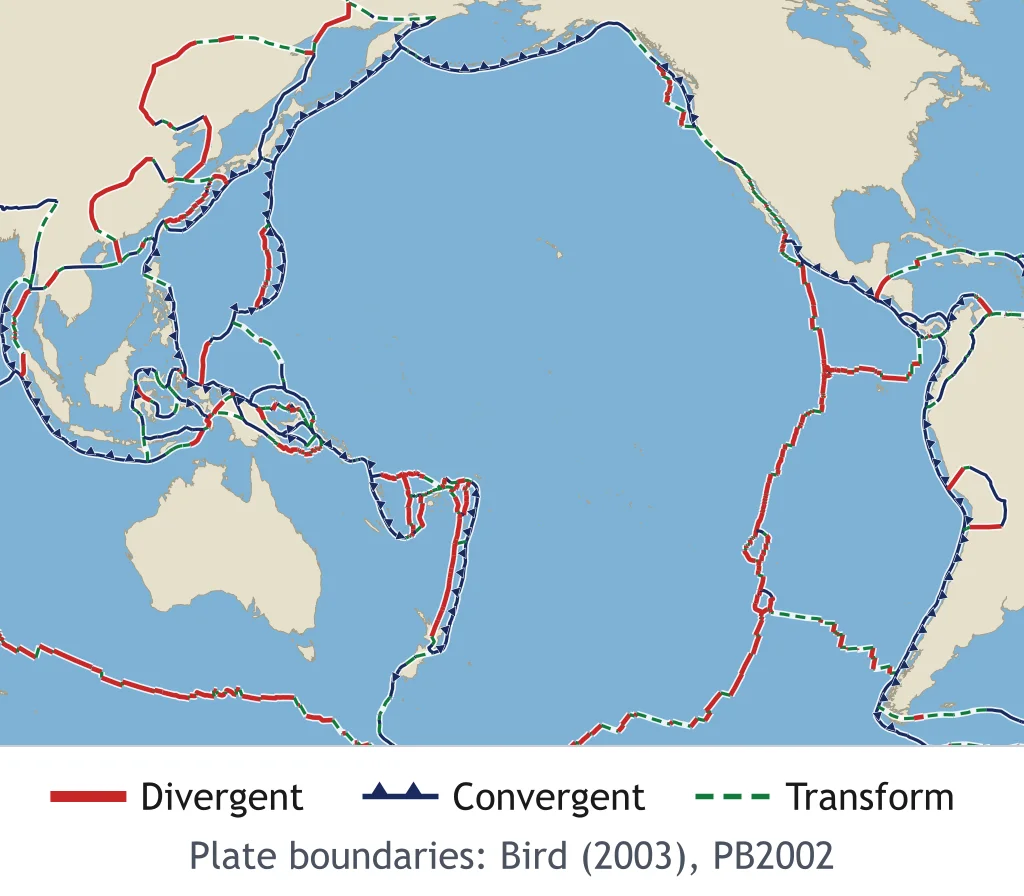
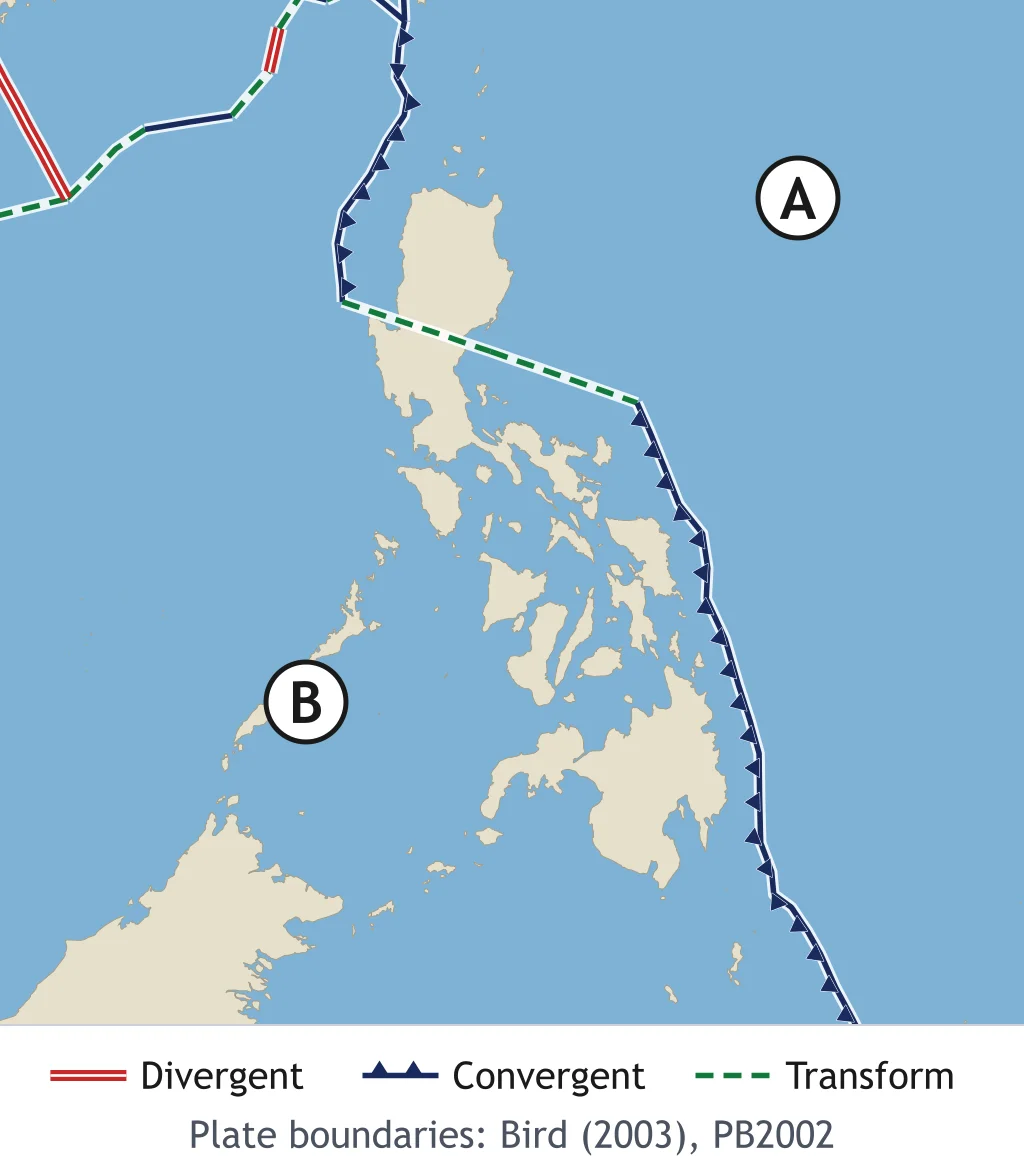
On this map, which plate is marked A?
Why do many volcanoes form near the convergent boundaries around the Pacific Ocean?
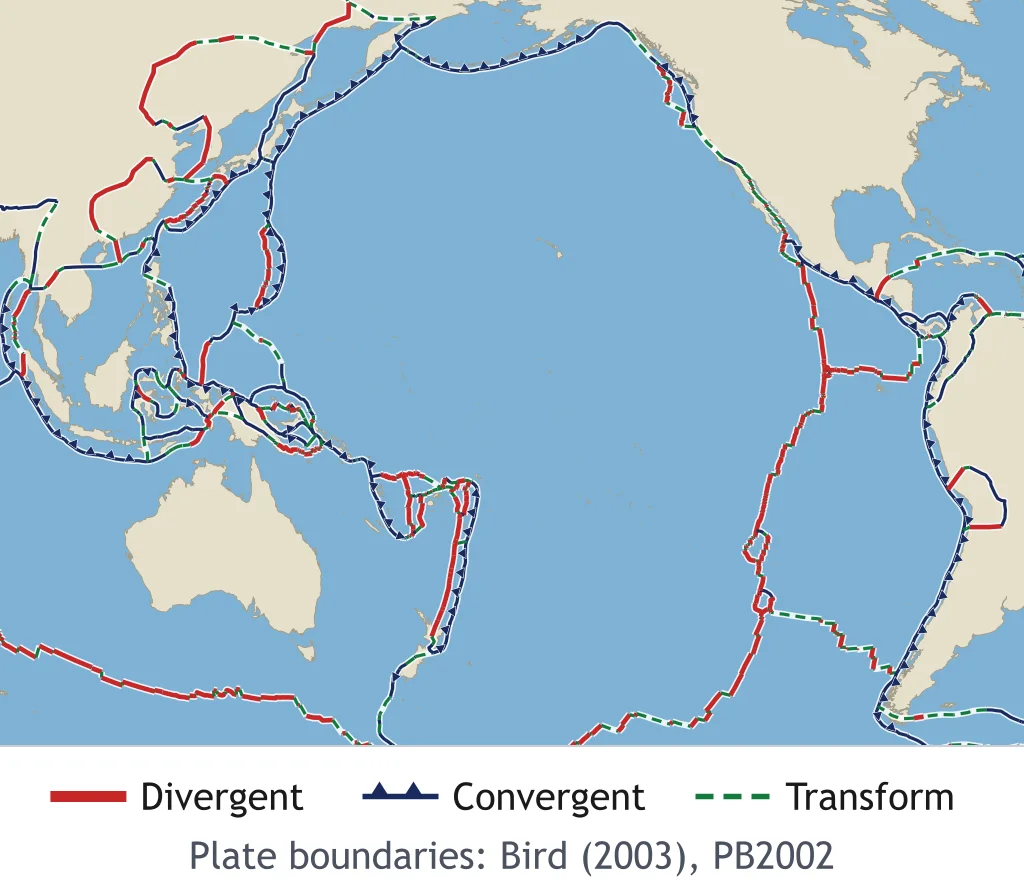
Which movement is characteristic of the Philippine Fault Zone?
A mapped fracture has moved in the recent geologic past and is expected to move again. How is it classified?
Which question can a map showing active-fault traces answer without additional information?
Which site is most exposed to direct surface rupture if the mapped fault ruptures at the ground surface?
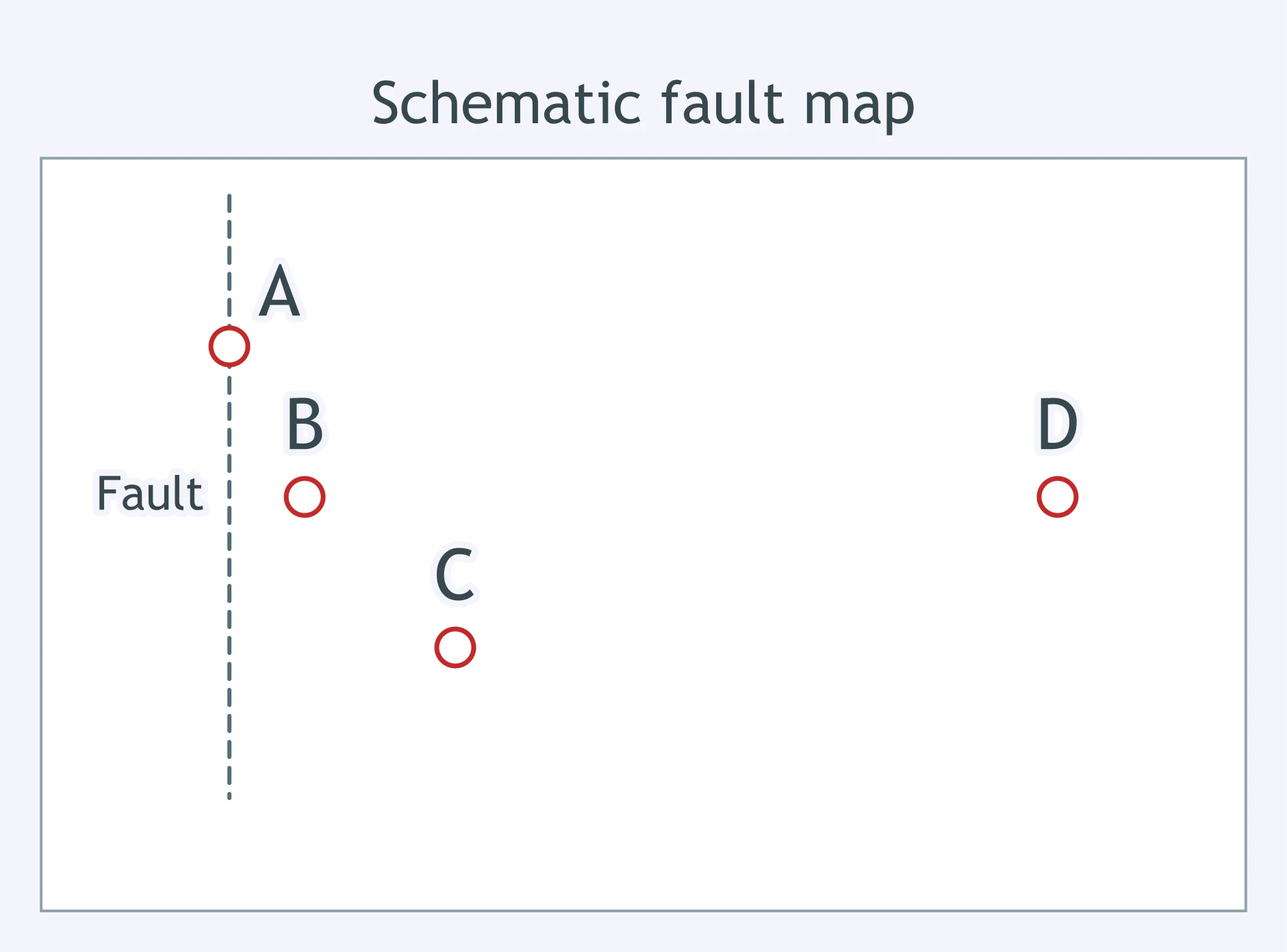
Which PHIVOLCS resource most directly shows mapped active-fault traces near a planned home site in Marikina?
Crack the passcode before the zombies get in.

Pick a tile, answer, hit bonuses and steals.
Seismic Waves and Tsunamis
20 questions