Loading
by BlastRoom
Explore how the living and nonliving parts of an ecosystem interact and what happens to populations when one part changes.
#ecosystems#food_webs#energy_flow#us_grade_4_science
40 questions
One question set, multiple game modes. Tap any game to see it in action. Not sure which to pick?
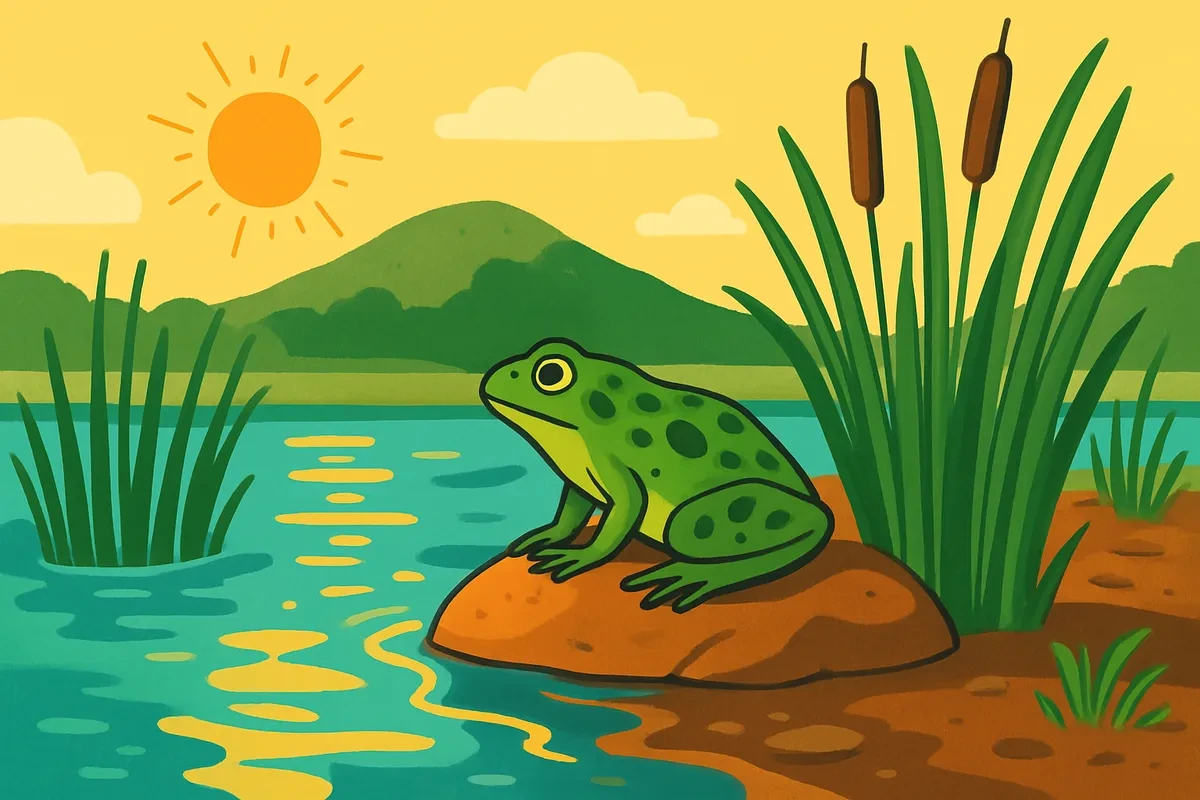
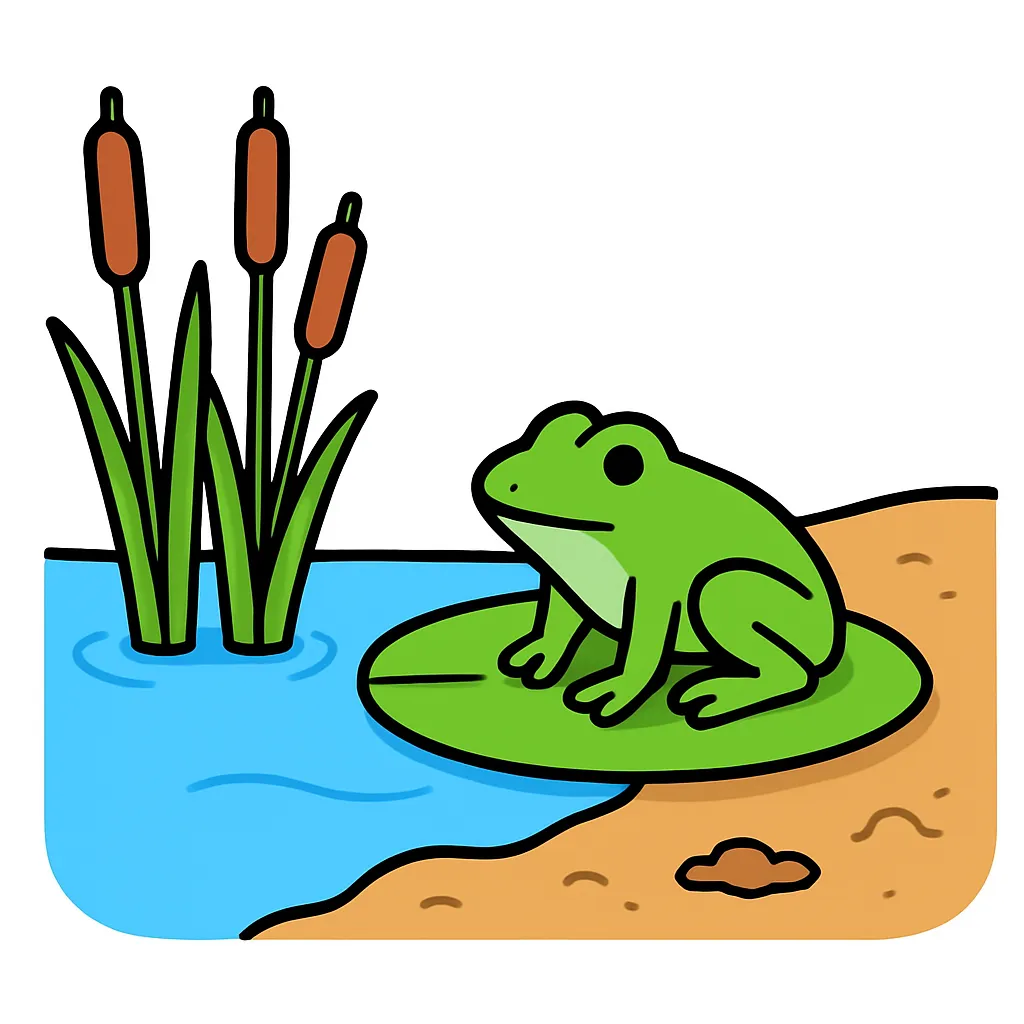
A class studies a pond and lists the cattails, frogs, snails, water, mud, and sunlight. What do scientists call all of these parts of one place working together?
On a forest floor a student sees ferns, earthworms, mushrooms, and stones. Which one of these is a nonliving part of the forest ecosystem?
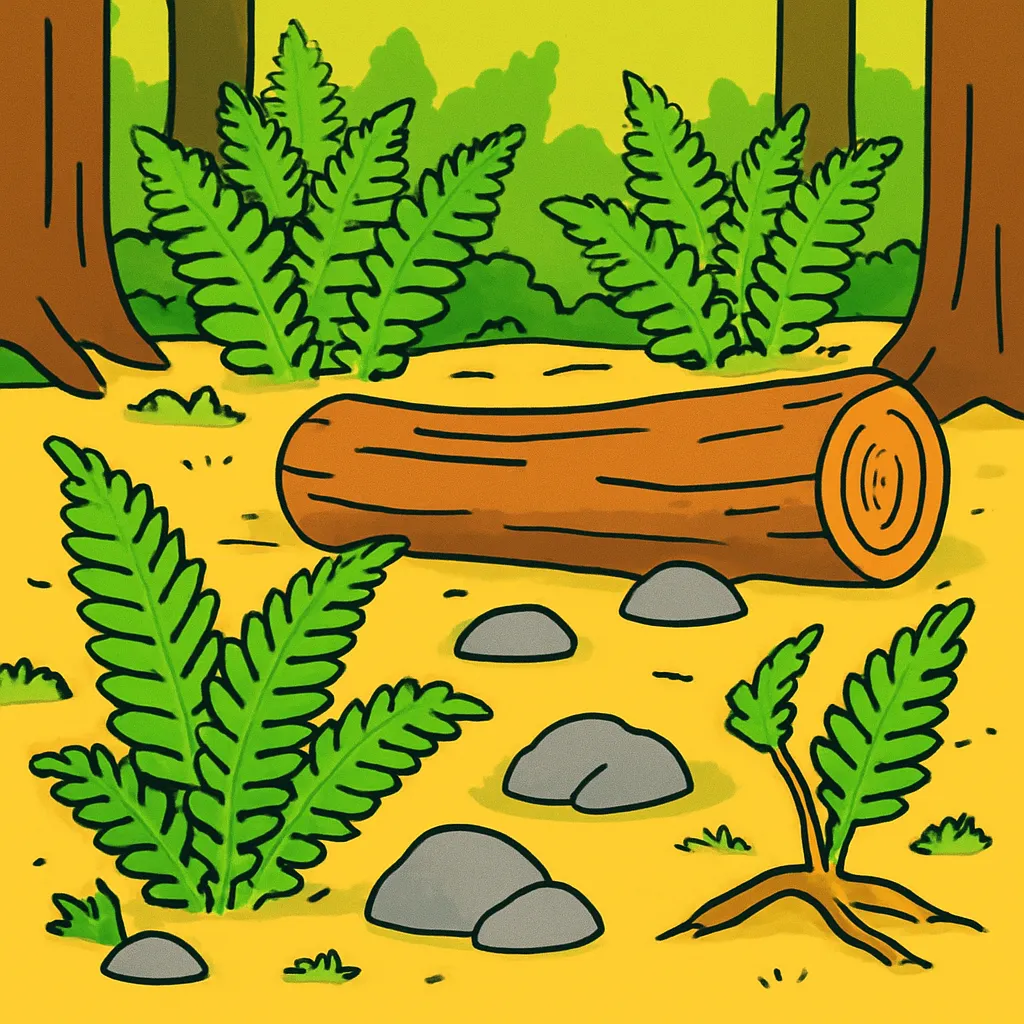
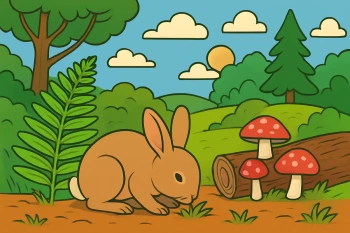
A rabbit lives in a meadow where it finds grass to eat, a stream to drink from, thick bushes to hide in, and room to move. What is the meadow to the rabbit?
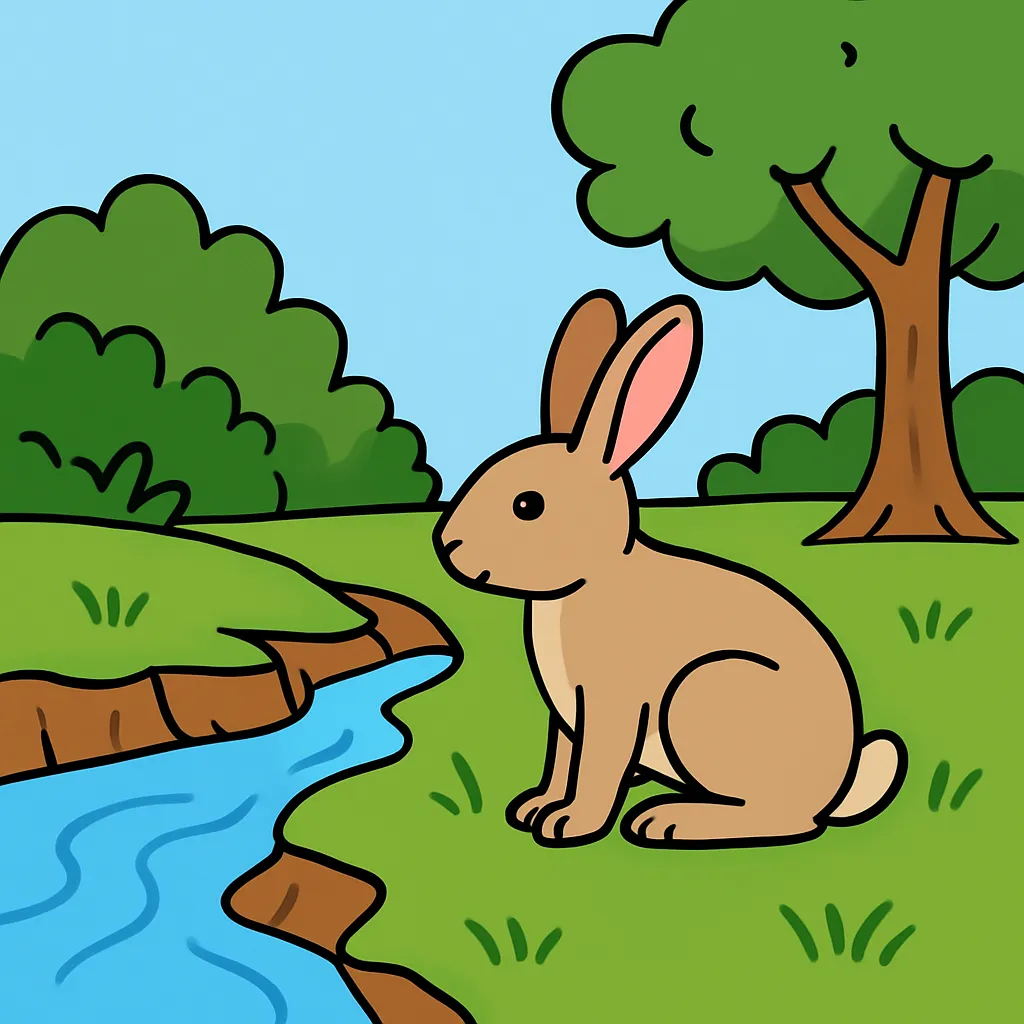
A long dry spell makes a small pond dry up completely, so the frogs that lived there can no longer find water. What is most likely to happen to that frog population?
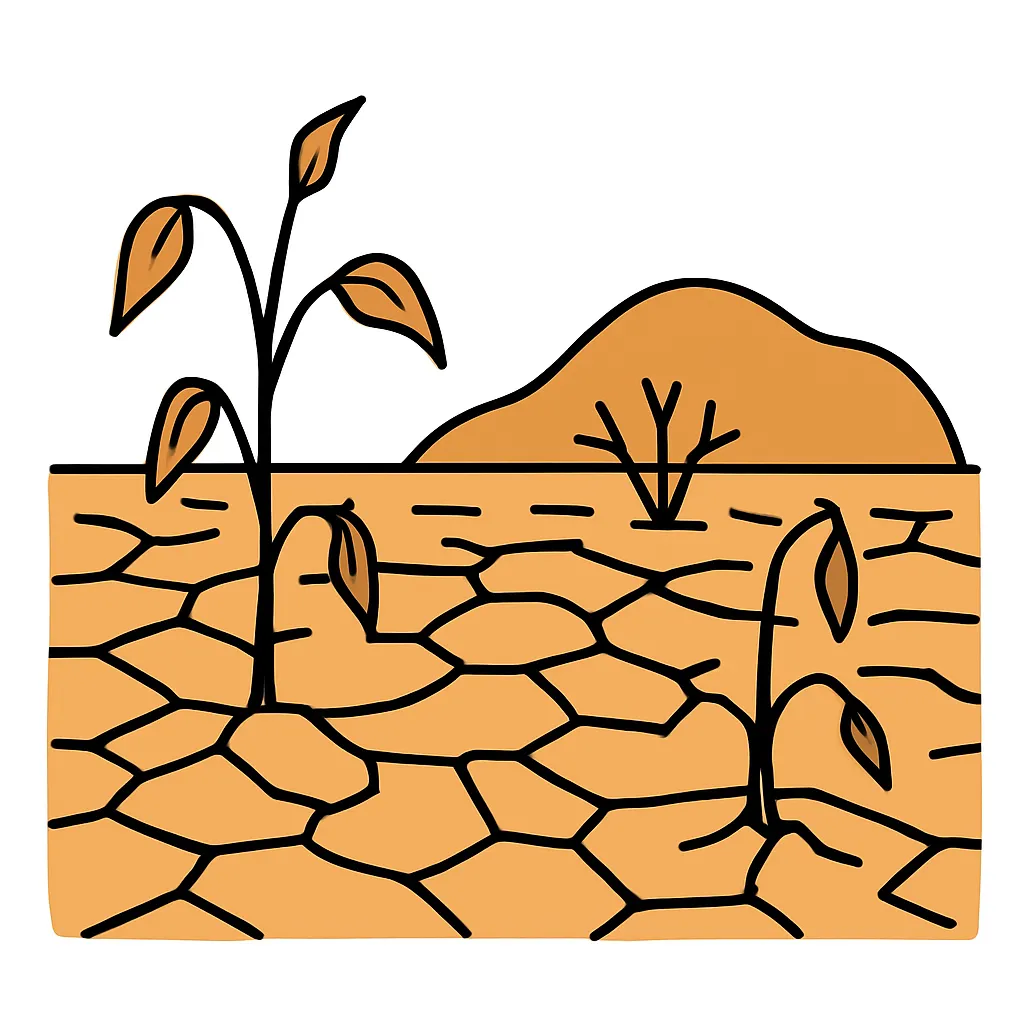
Scientists carefully count every white-tailed deer living in one large field. All the white-tailed deer in that field make up one ___.
A scientist lists every kind of living thing in a marsh: cattails, insects, frogs, herons, and tiny decomposers. Together, all of these living things in the marsh are called a what?
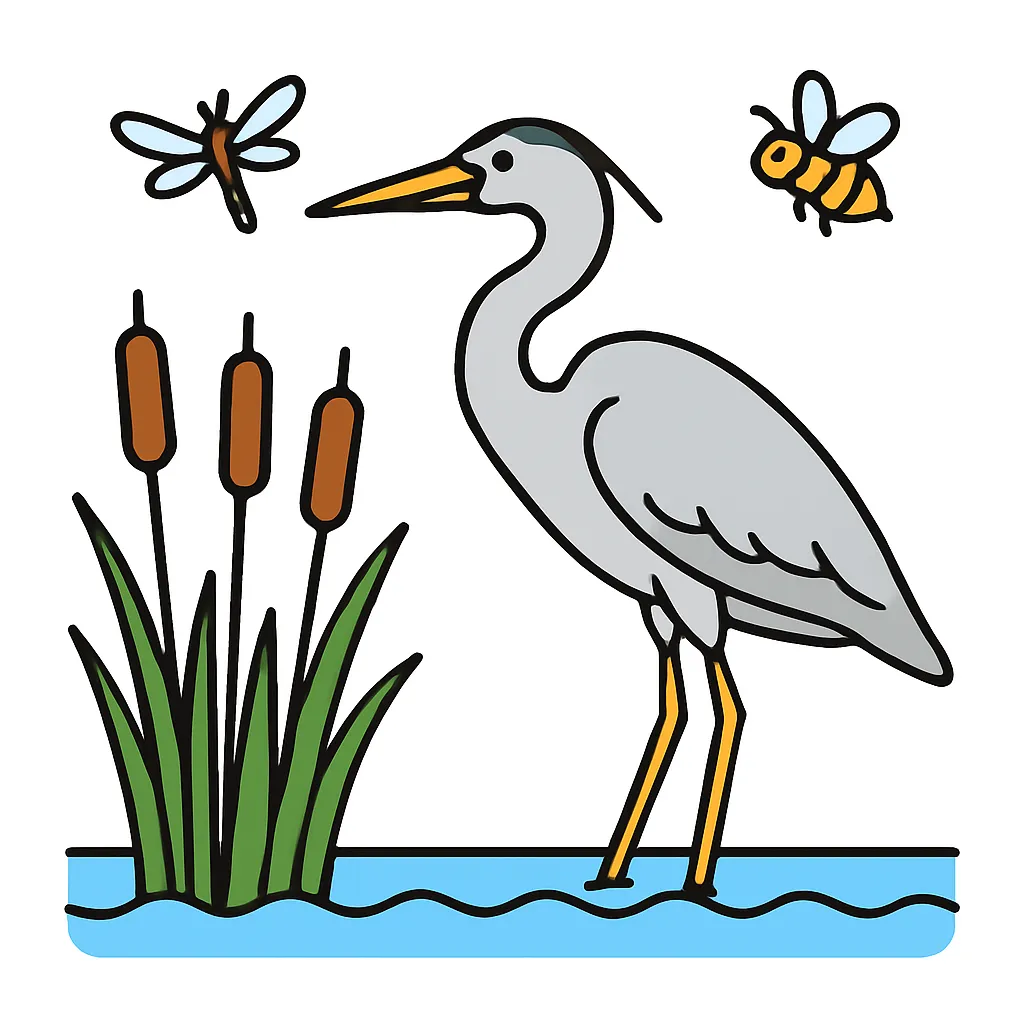
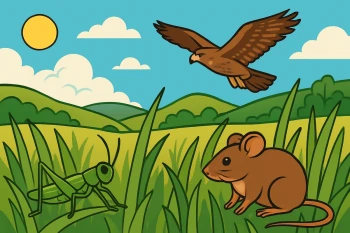
A hawk watches a grassy field, then swoops down and catches a mouse to eat. What is the hawk's role in this relationship called?
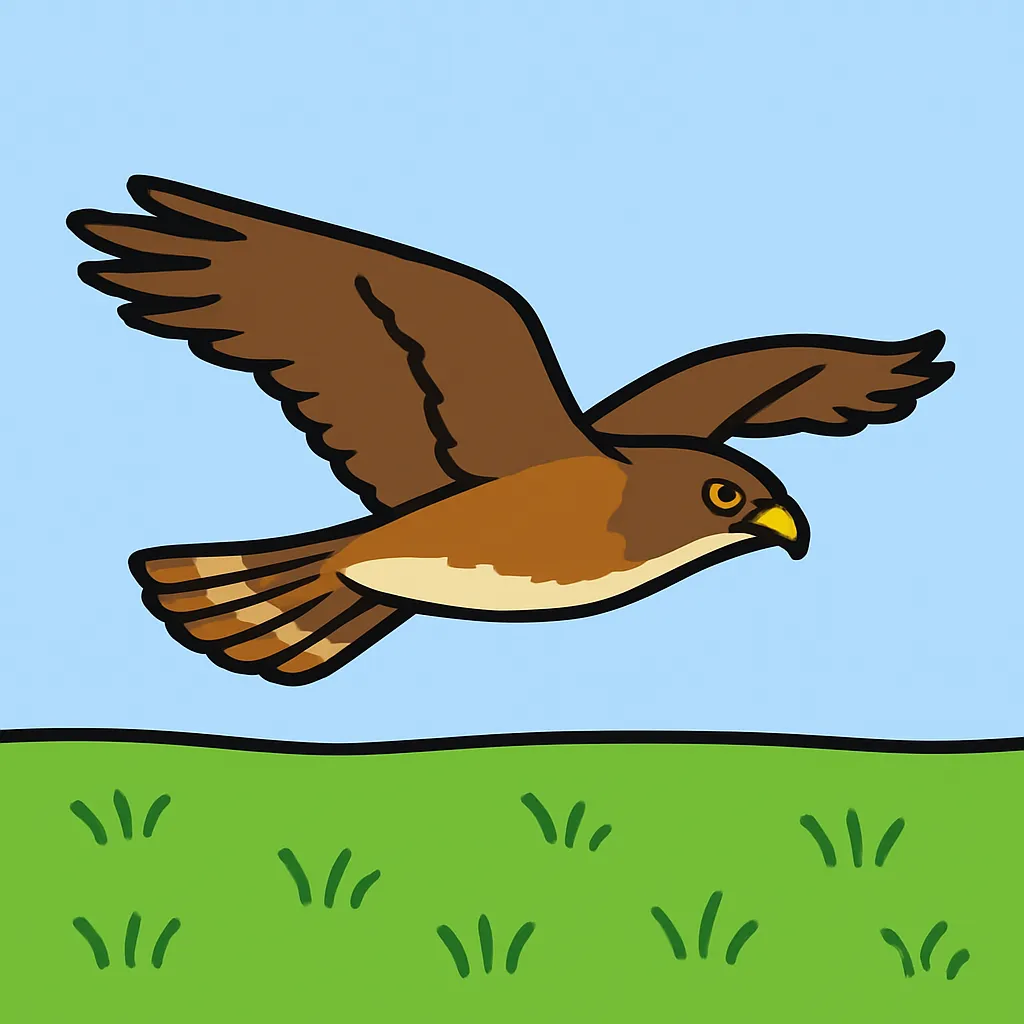
The hawks that hunted mice in one field all move away, and no other predator takes their place. What is most likely to happen to the number of mice over time?
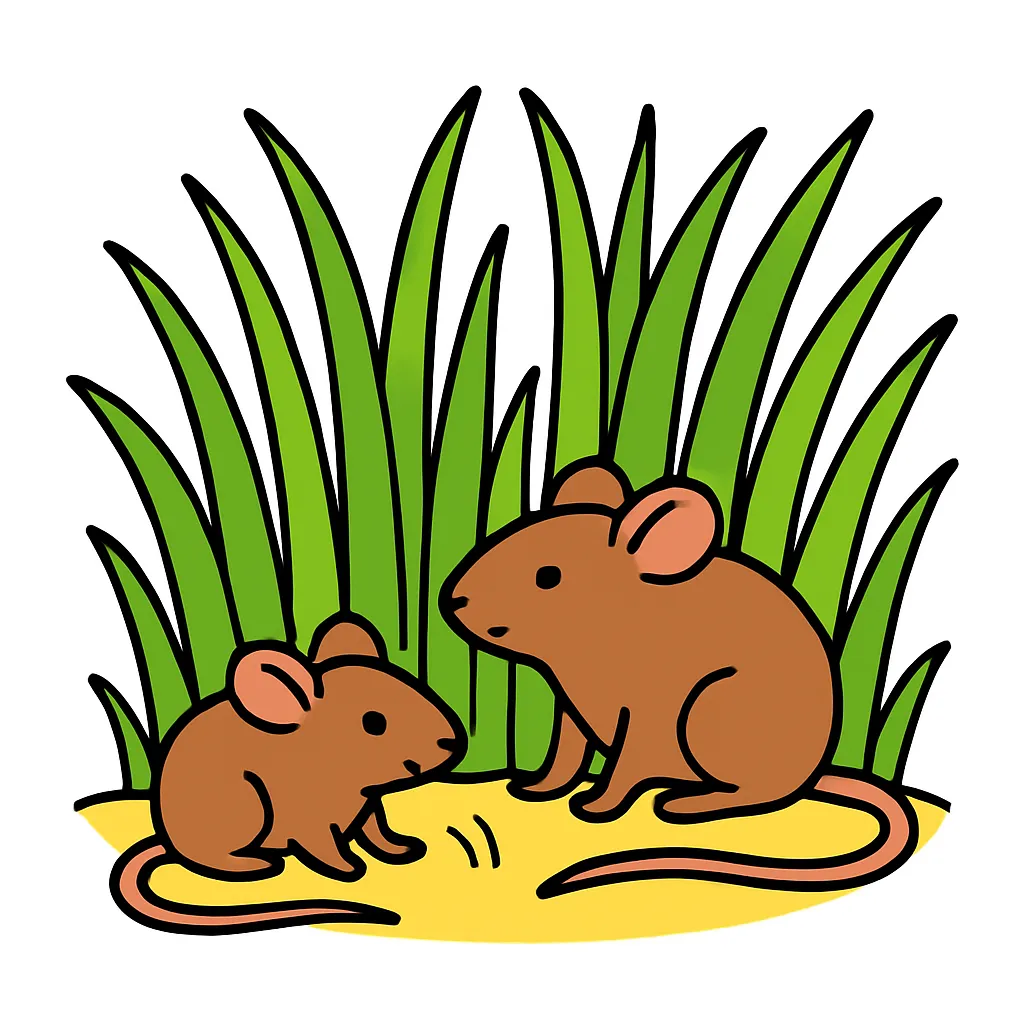
In one woodland, two kinds of birds both feed on the seeds of the same tree. One year the tree makes very few seeds. What are the two kinds of birds doing?
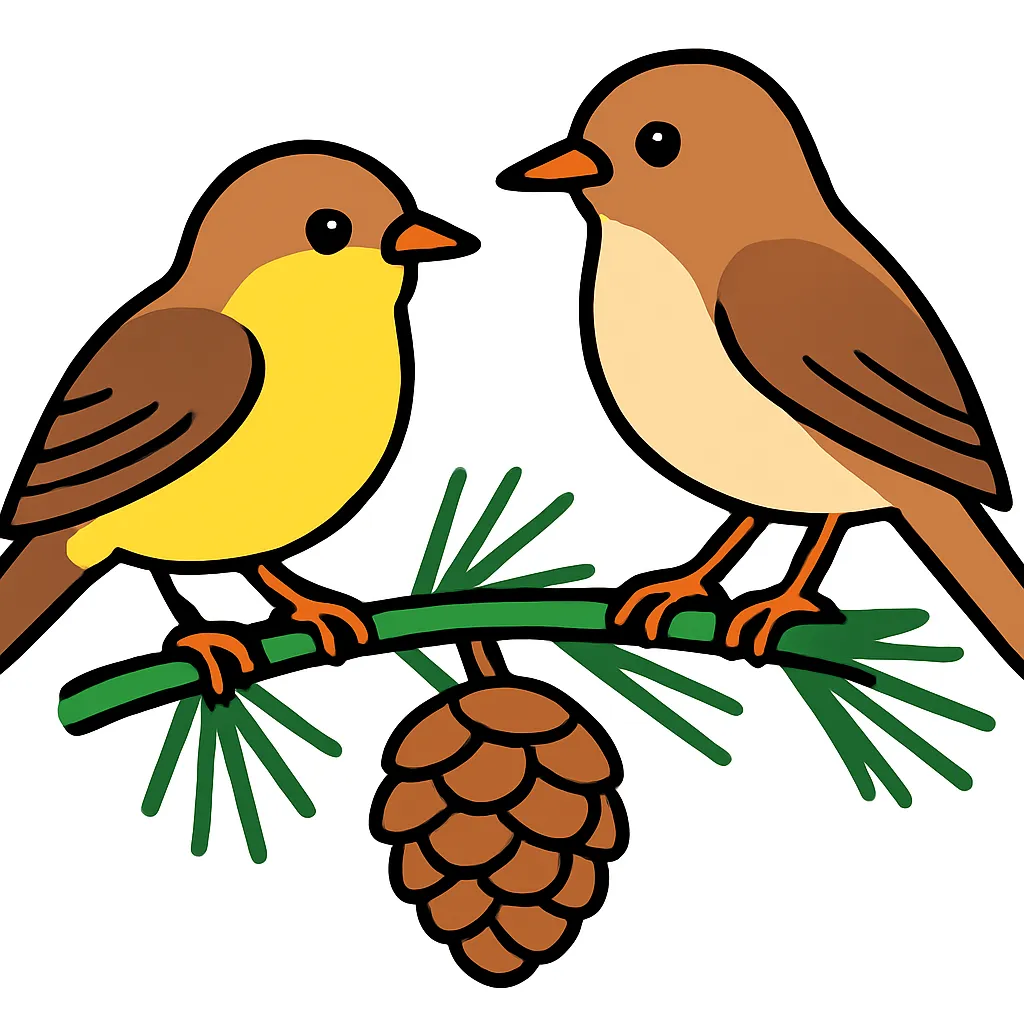
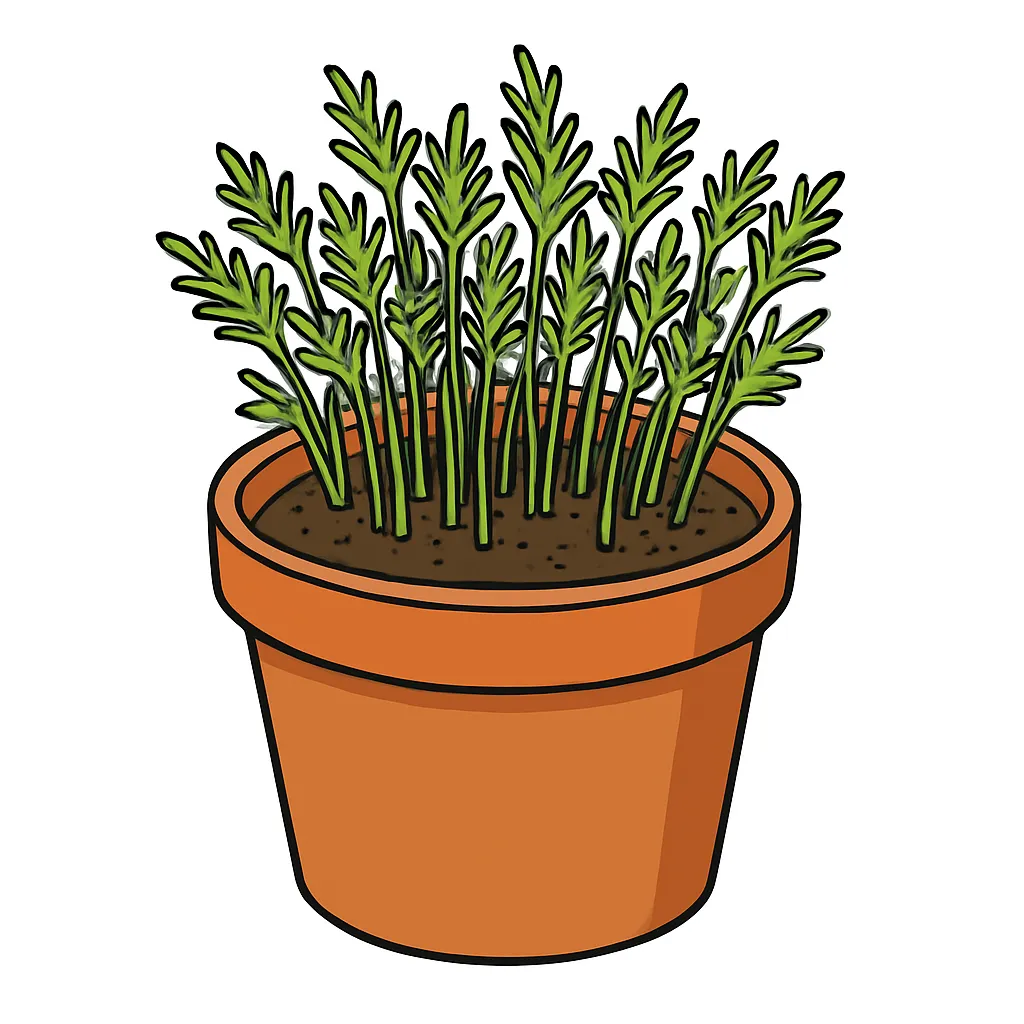
A gardener drops many carrot seeds into one small pot, and the seedlings come up crowded together. Why do most of these plants grow poorly?
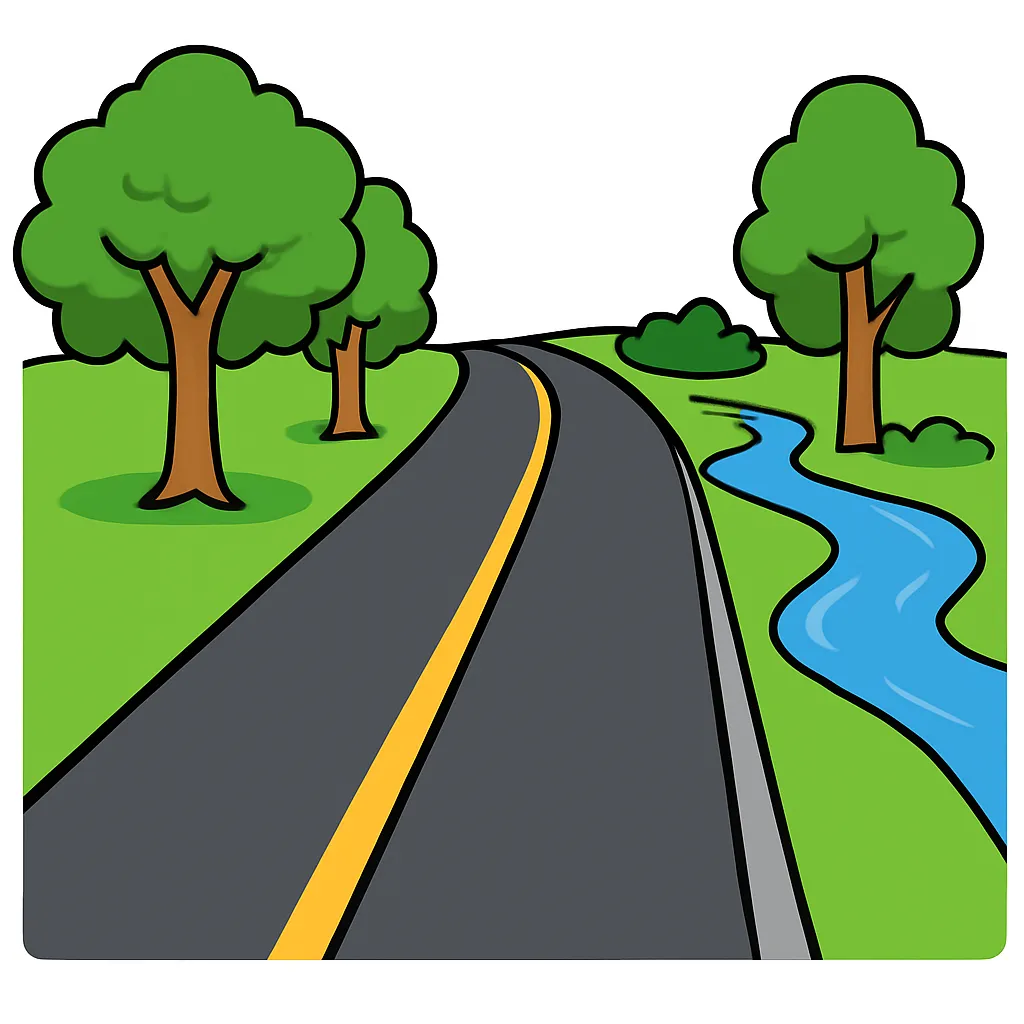
A new road is built straight through a forest, right across the path deer use to reach their stream. How is the road most likely to affect the deer population?
A factory begins releasing warm water into a cool mountain stream. The trout living there can only survive in cold water. What is most likely to happen to the trout population?
Which living thing in a meadow is a producer?
Every autumn, a forest's fallen leaves pile up and slowly rot into the ground below the trees. Over many years, which nonliving part of the forest do the rotting leaves change the most?
Animals are called consumers because they make their own food from sunlight.
Prairie dogs dig long tunnels underground for many years, pushing loose soil up onto the surface in mounds as they go. What did the prairie dogs change?
A large bed of freshwater mussels filters tiny particles out of a cloudy river as the current passes over them. What did the mussels change?
Earthworms tunnel through a packed garden bed all season, leaving many tiny air pockets in the dirt behind them. What did the earthworms change?
Tiny coral animals build hard skeletons that stay behind after they die, generation after generation. What did the coral polyps change?
Along a coastline, mangrove trees spread a thick tangle of roots into the mud, and the roots trap sand and silt carried in by the tide. What did the mangrove trees change over many years?
What do plants need from their environment to make food?
If the number of insects in a meadow decreases, what might happen to birds that eat insects?
Living things can depend on nonliving things in their ecosystem.
Which is a nonliving part of a pond ecosystem?
What is the main source of energy for most ecosystems?
A food web shows only one path for energy to move through an ecosystem.
Which statement best describes competition in an ecosystem?
Why are decomposers important in ecosystems?
Over many years, a small tree's roots grow into a crack in a boulder and keep getting thicker. What did the tree change?
Beavers pile cut branches and mud across a stream until the water can no longer flow past. Within days, the water backs up and covers the land behind the pile. What nonliving part of the ecosystem did the beavers change?
What could happen if a new predator enters an ecosystem?
A pond sits in a deep ravine. Tall cliffs shade it most of the day, and its water stays cool and calm. Algae cannot grow there, though sunfish do fine. Which nonliving part best explains why the algae struggle?
Plants and animals in an ecosystem can affect one another.
Which example shows an animal depending on a plant for shelter?
A garden gets almost no rain for three weeks during a heat wave. The tomato plants in it wilt and turn brown, while a cactus planted in the same row stays healthy the whole time. Which nonliving part of the ecosystem explains the difference?
An omnivore eats both plants and animals.
A construction crew clears the trees along a stream bank, so the water that used to stay cool in the shade now sits in direct sunlight all day. The trout that live there need cold water to survive. What is most likely to happen to the trout population?
A heavy rainstorm causes a hillside to slide, and a thick layer of rock and mud spreads across a grassy meadow. The wildflowers that grew there can no longer reach sunlight or soil to root in. What is most likely to happen to their population?
A biologist studying a coral reef records every parrotfish she counts swimming near one section of reef, ignoring all the other kinds of fish and coral there. What level of organization is the biologist studying?
Which pair shows a predator-prey relationship?
Crack the passcode before the zombies get in.

Pick a tile, answer, hit bonuses and steals.
States of Matter and Changes of State
40 questions