Loading
by BlastRoom
Monthly cost, upfront cost, flexibility and equity. Compare them properly instead of by instinct.
#us_hs_personal_finance

25 questions
One question set, multiple game modes. Tap any game to see it in action. Not sure which to pick?
Answer to place stones and capture territory.
Outrun the snow together.
Earn blasts, then hunt the other team.
Answer to earn energy, then climb.

The class blasts through walls together.
Bid on mystery lots. Most money wins.
Sell tours. Nice, standard, or a total scam.

Answer, restock, and serve the rush.
More correct answers pulls the rope your way.
Answer, then shoot down the alien wave.
Answer, then tap to leap the frozen ridge.
What ownership asset can a homebuyer build over time that a renter does not build?
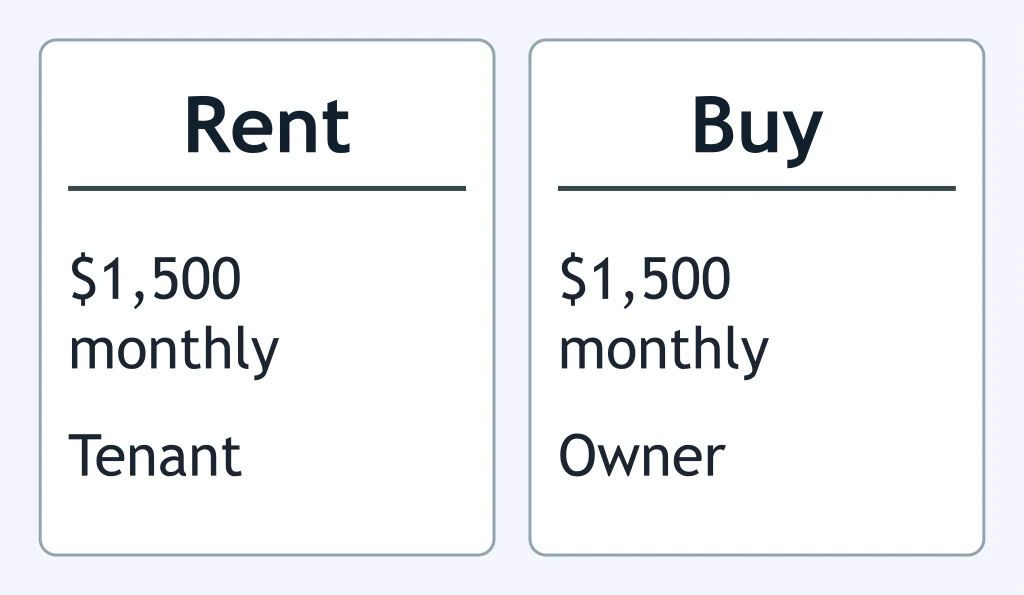
Does renting or buying give a household an ownership stake in the home?
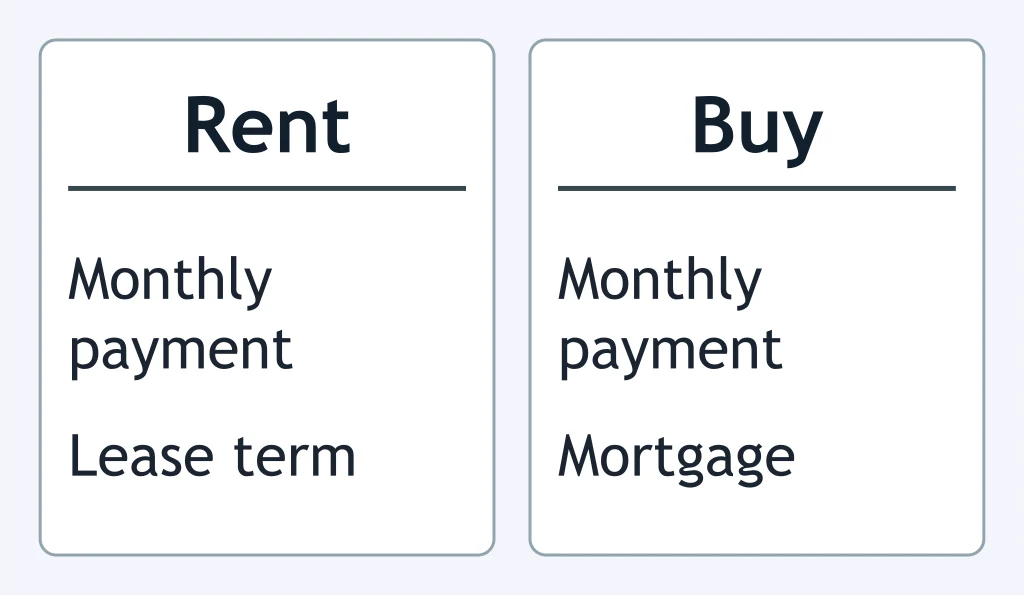
Two households make equal monthly housing payments. One rents and one pays a mortgage. Whose payment can include principal that reduces a loan balance?
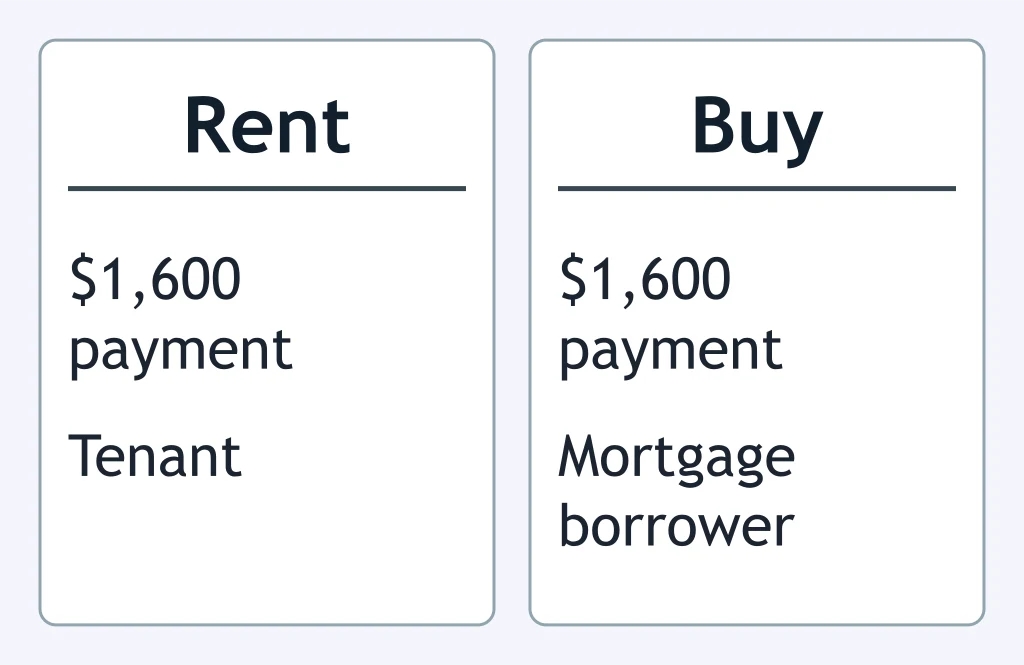
Use the display. Which upfront payment can give a buyer an initial ownership stake in a home?
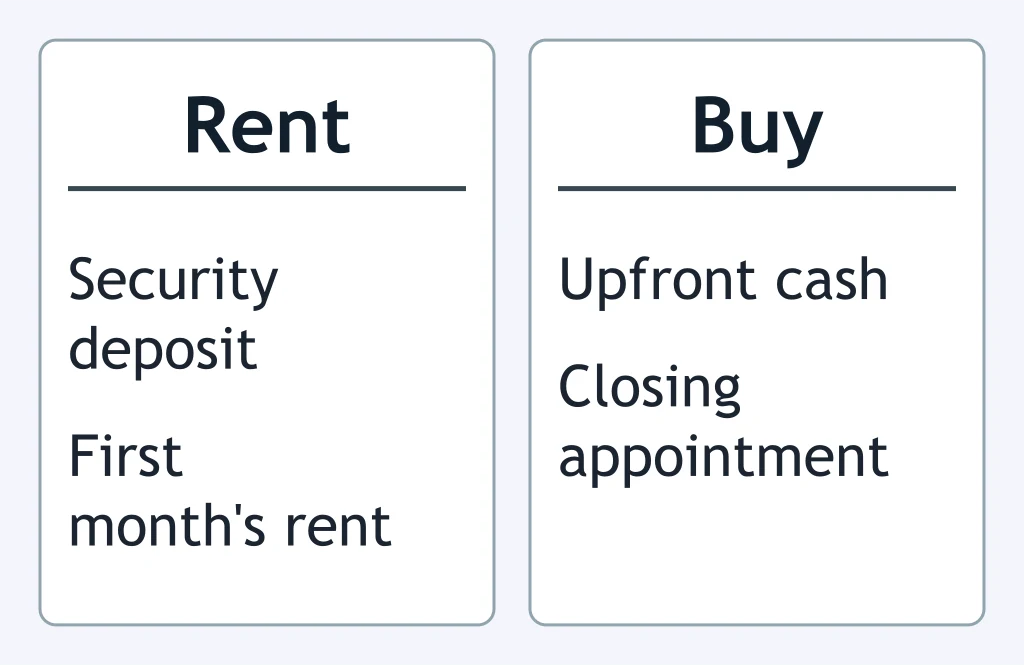
What term means the part of a home's value that belongs to the owner after subtracting the mortgage balance?
A homeowner pays down mortgage principal while the home's market value stays the same. What happens to the homeowner's equity?
Which buying cost generally does not become part of the buyer's equity in the home?
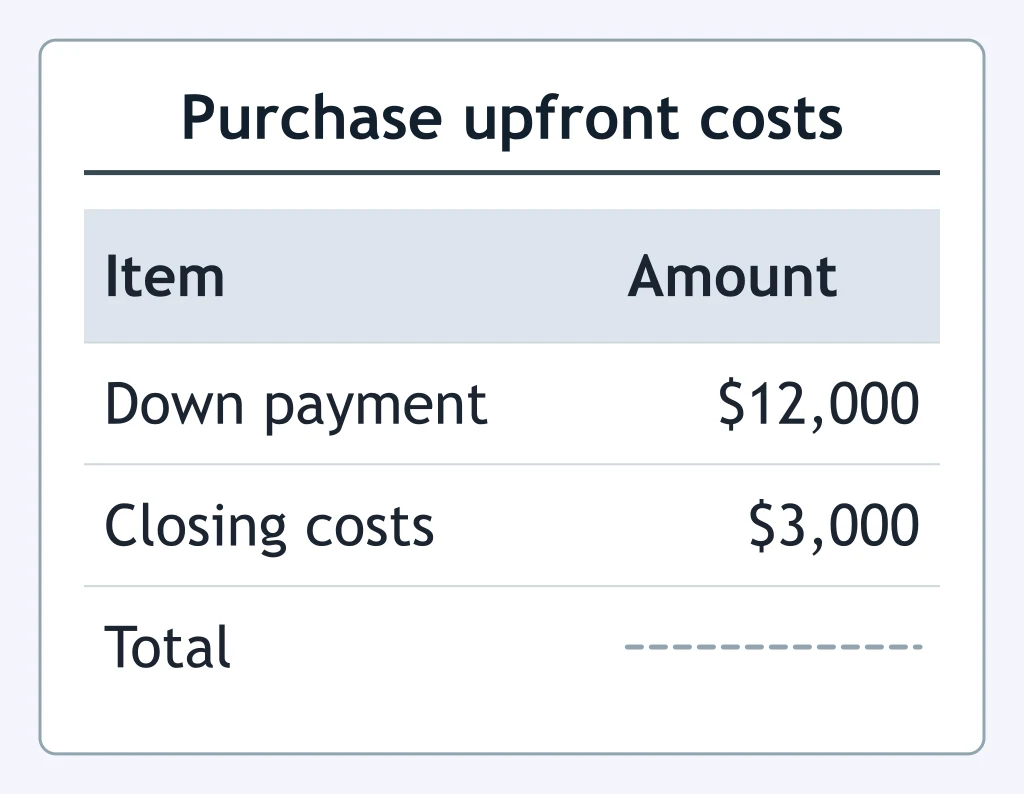
Use the purchase-cost table. What is the stated upfront cost to buy the home?
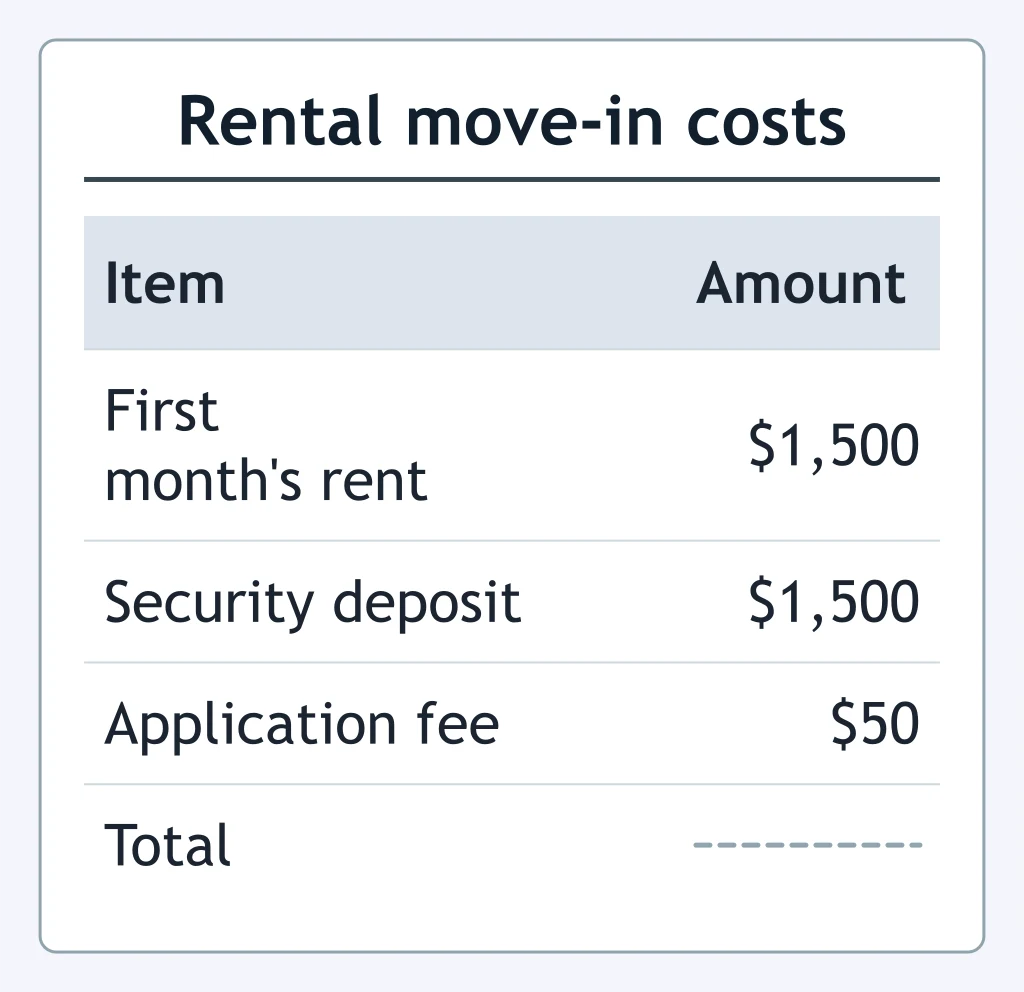
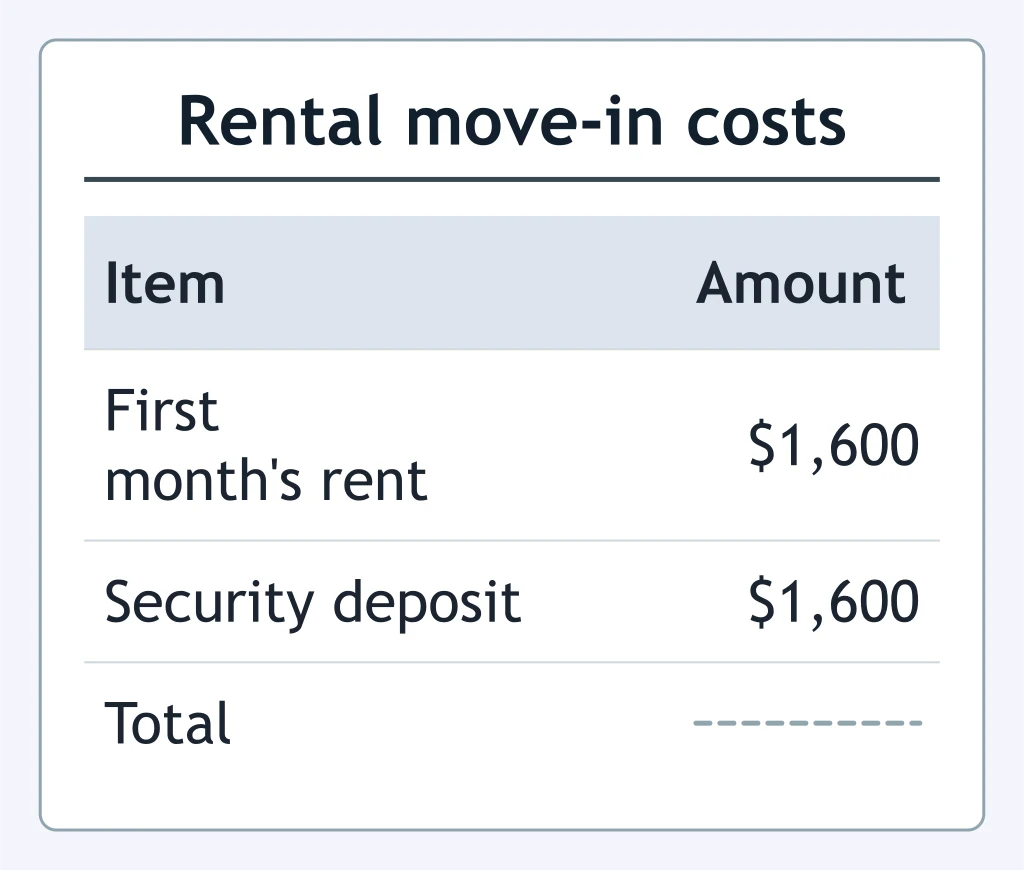
Use the rental move-in table. What must the tenant pay before moving in?
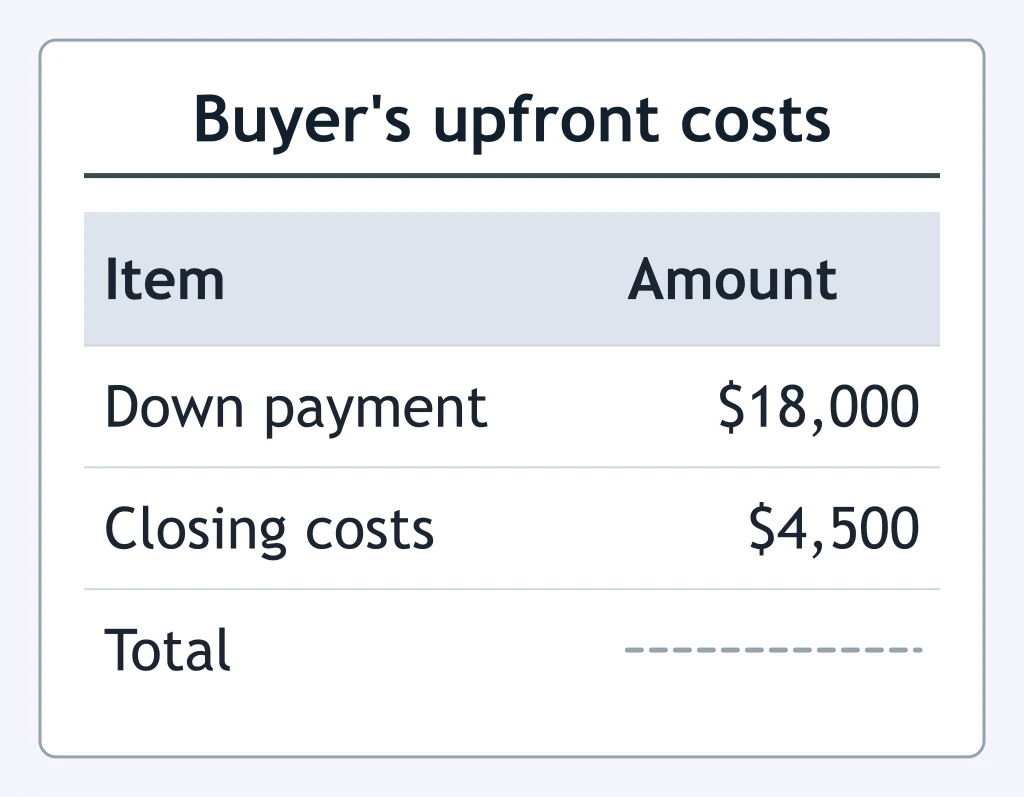
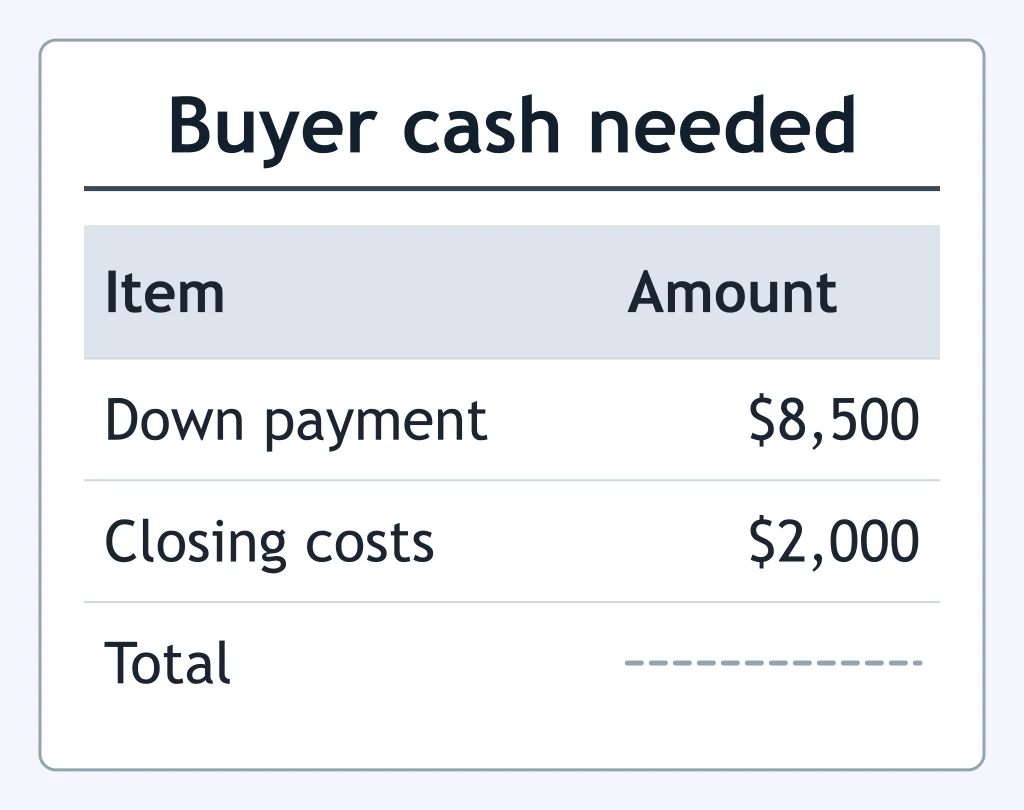
Use the buyer's upfront-cost table. How much cash is required before purchase?
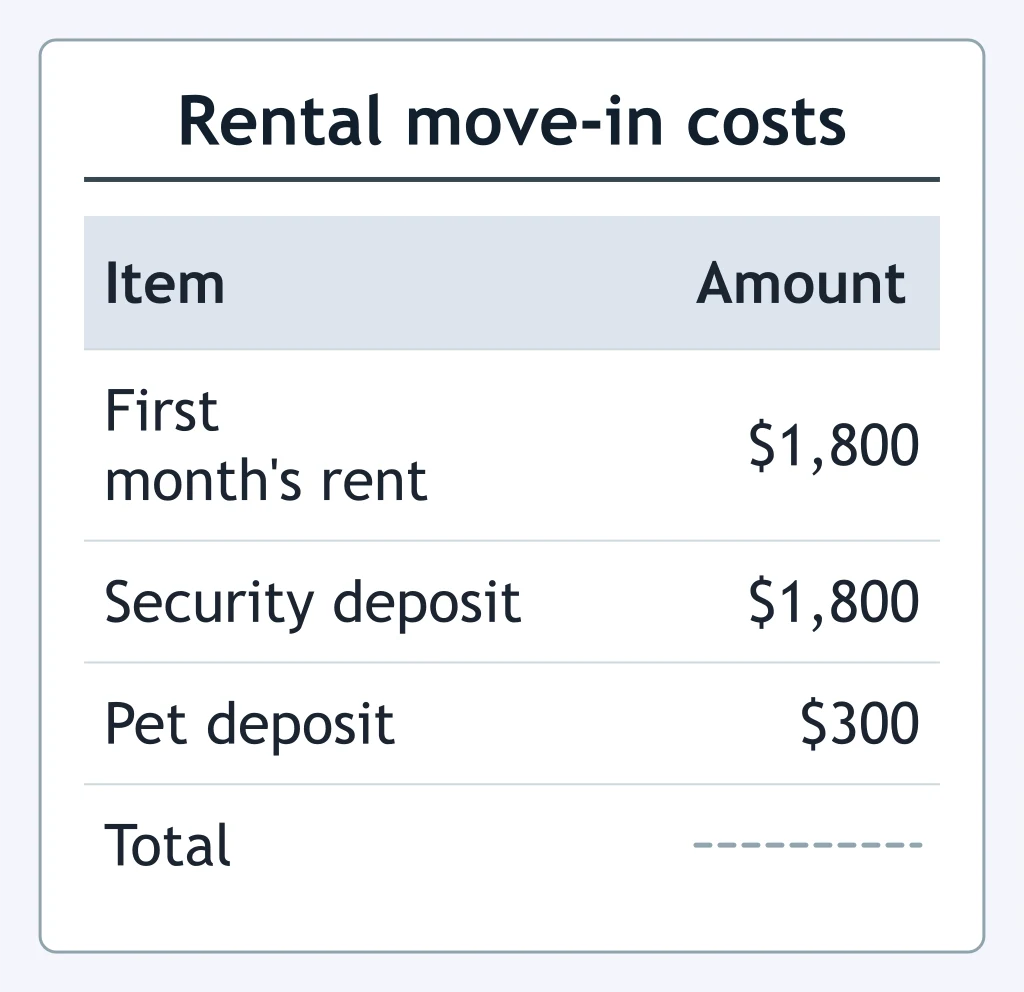
Use the rental table. What is the total move-in cost, including the refundable security deposit?
Use the purchase table. What is the buyer's total stated upfront housing cost?
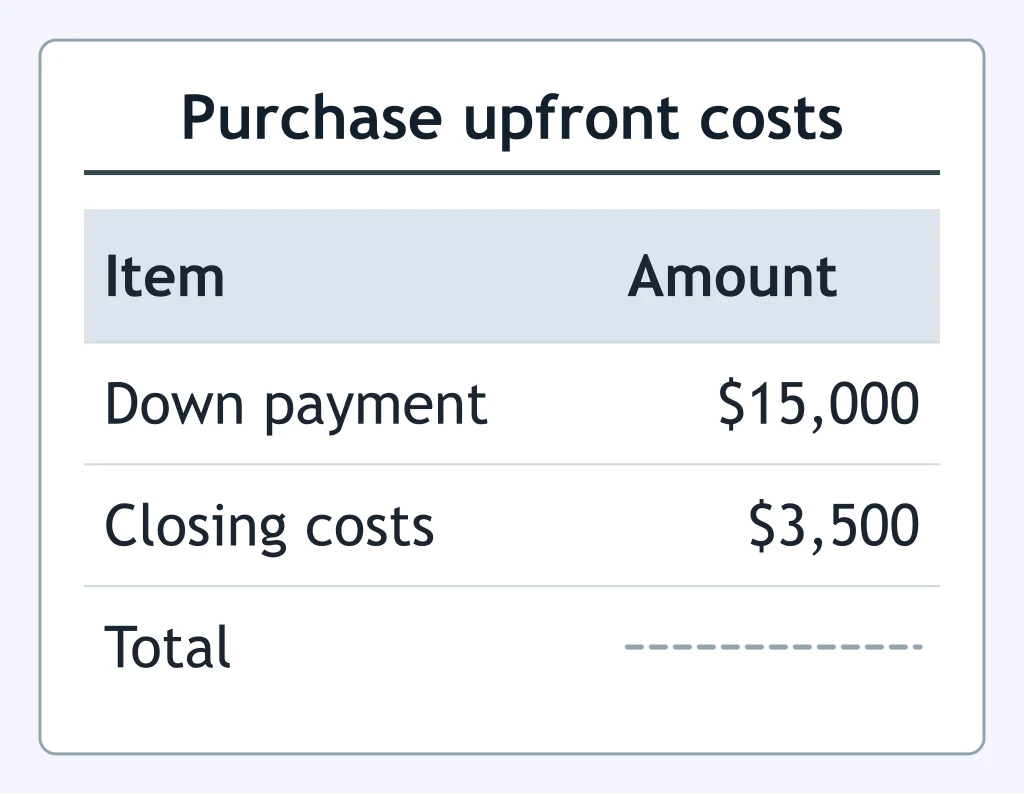
Use the rental move-in table. What is the renter's upfront cost?
A buyer has $10,000 saved. Use the table. How much additional cash does the buyer need for the stated upfront costs?
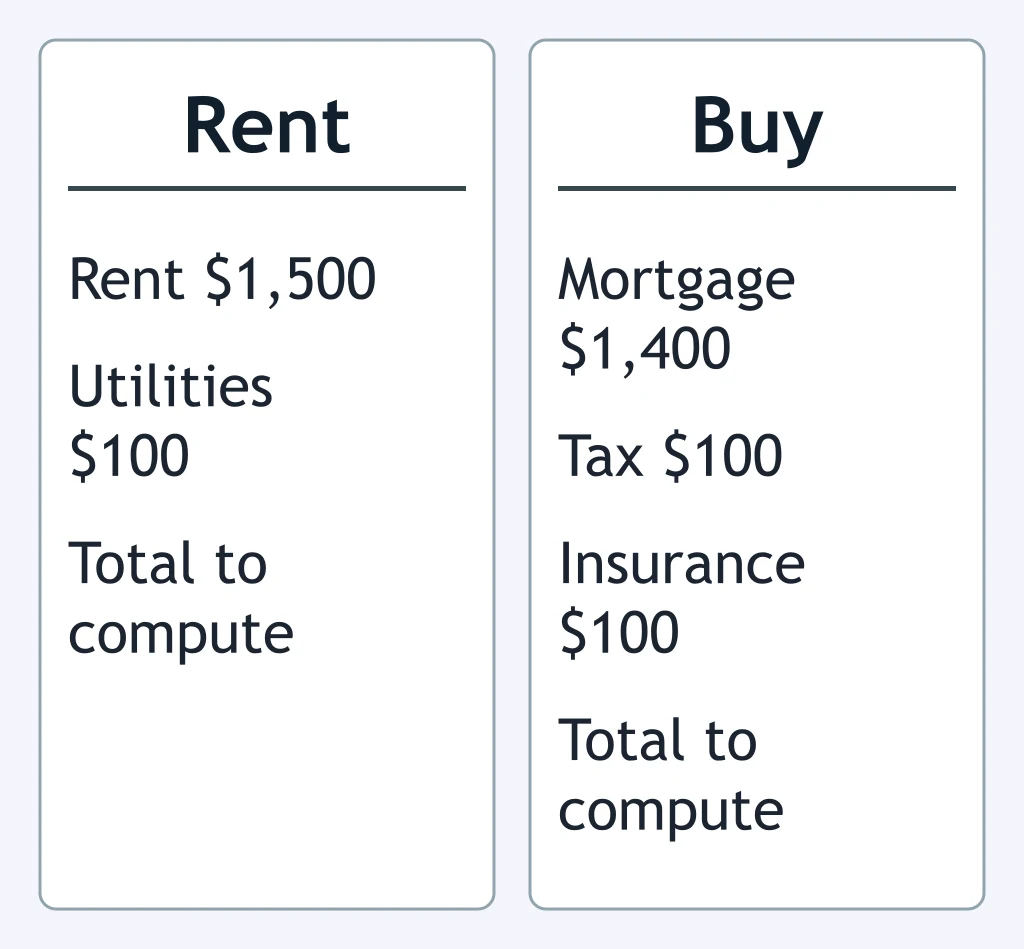
Use the monthly comparison. Which choice has the lower monthly housing total, and by how much?
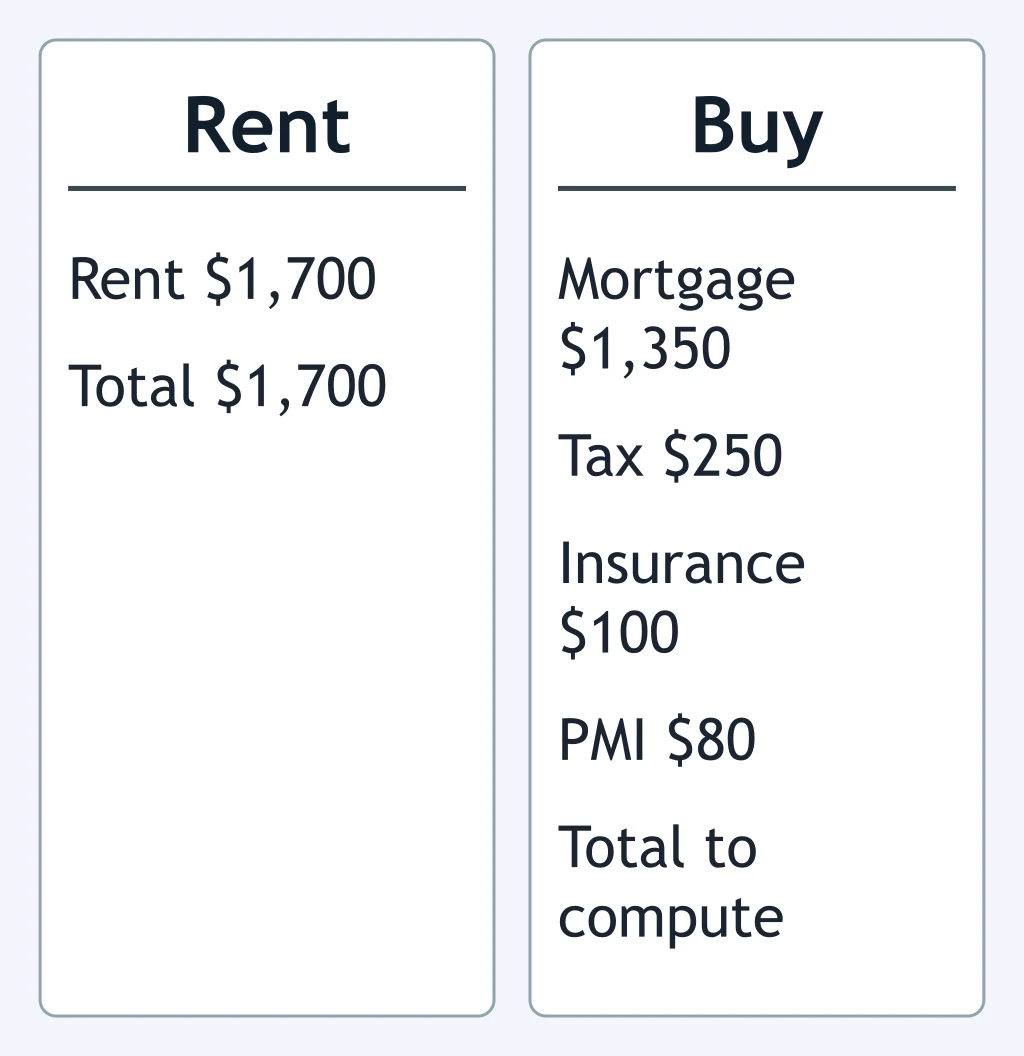
Use the comparison. Which monthly option costs less?
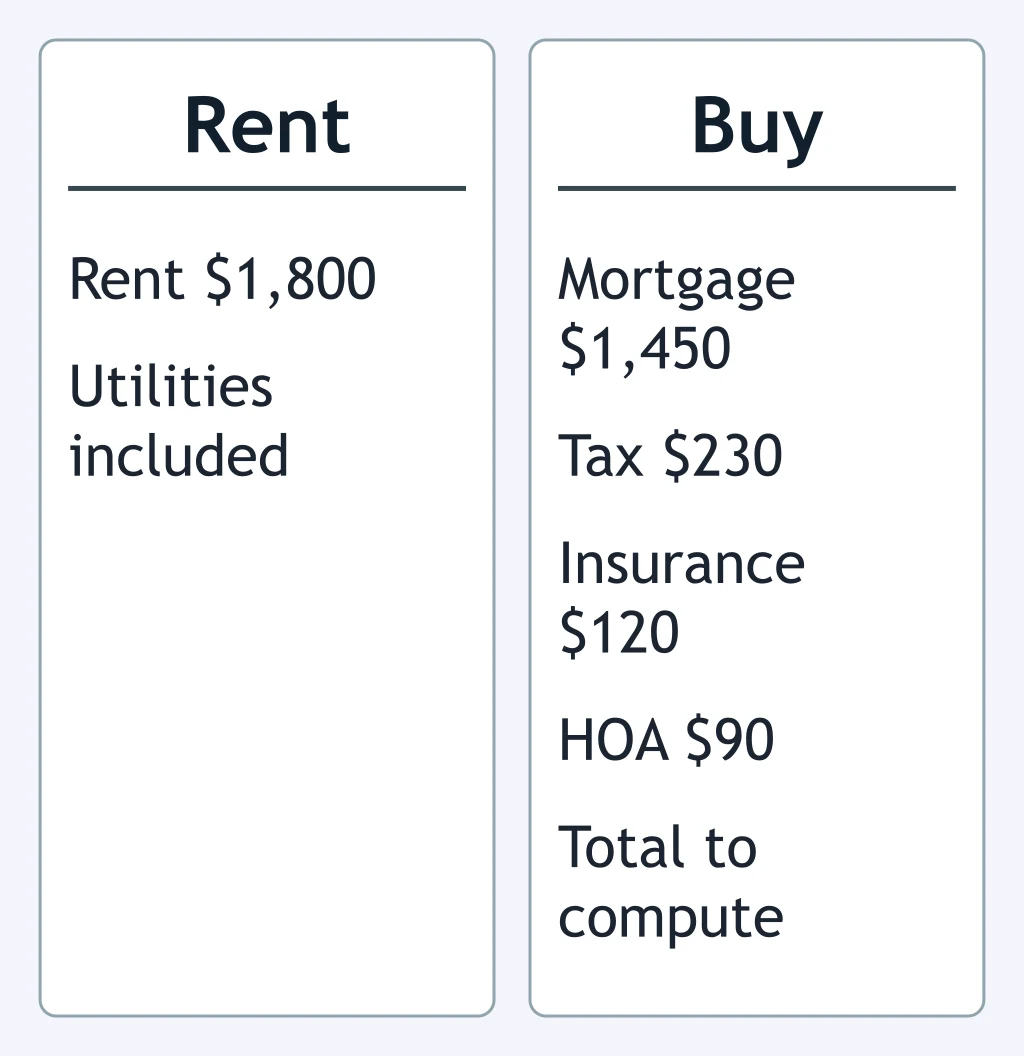
Use the comparison. What is true about the two monthly housing totals?
A homeowner's monthly costs are $1,240 principal and interest, $200 property tax, $110 insurance, and $150 HOA dues. What is the total monthly housing cost?
Rent is $1,650 including utilities. Buying costs $1,250 for principal and interest, $240 property tax, and $130 insurance. Which monthly option is lower?
A renter pays $1,500 rent and $125 utilities. A buyer pays $1,450 for principal and interest and $125 insurance. Which monthly total is lower?
Maya expects to relocate for a job in eight months. Which choice best fits her priority of being able to move with less long-term commitment?
Jordan expects to stay in one home for at least ten years and wants to build ownership in the property. Which choice best matches that goal?
Ava may move in 18 months. Buying would require $20,000 upfront, while renting requires $2,000 upfront. Which choice better matches her stated goal to limit upfront cash and keep flexibility?
Eli buys a home and then has to sell it nine months later. What usually makes such a short stay costly for a buyer?
Nora owns her home with a mortgage. When the furnace breaks, who usually pays for the repair?
Crack the passcode before the zombies get in.
Answer, then swat bugs for bonus points.
Race through questions at your own speed.
Same question on every screen. Fastest wins.

Pick a tile, answer, hit bonuses and steals.

Depreciation and Big-Ticket Decisions
20 questions