Loading
by BlastRoom
Students identify where sediment comes to rest and the landforms deposition builds.
#landforms#us_grade_4_science
40 questions
One question set, multiple game modes. Tap any game to see it in action. Not sure which to pick?
Answer to place stones and capture territory.
Outrun the snow together.
Earn blasts, then hunt the other team.
Answer to earn energy, then climb.

The class blasts through walls together.
Bid on mystery lots. Most money wins.
Sell tours. Nice, standard, or a total scam.

Answer, restock, and serve the rush.
More correct answers pulls the rope your way.
Answer, then shoot down the alien wave.
Answer, then tap to leap the frozen ridge.
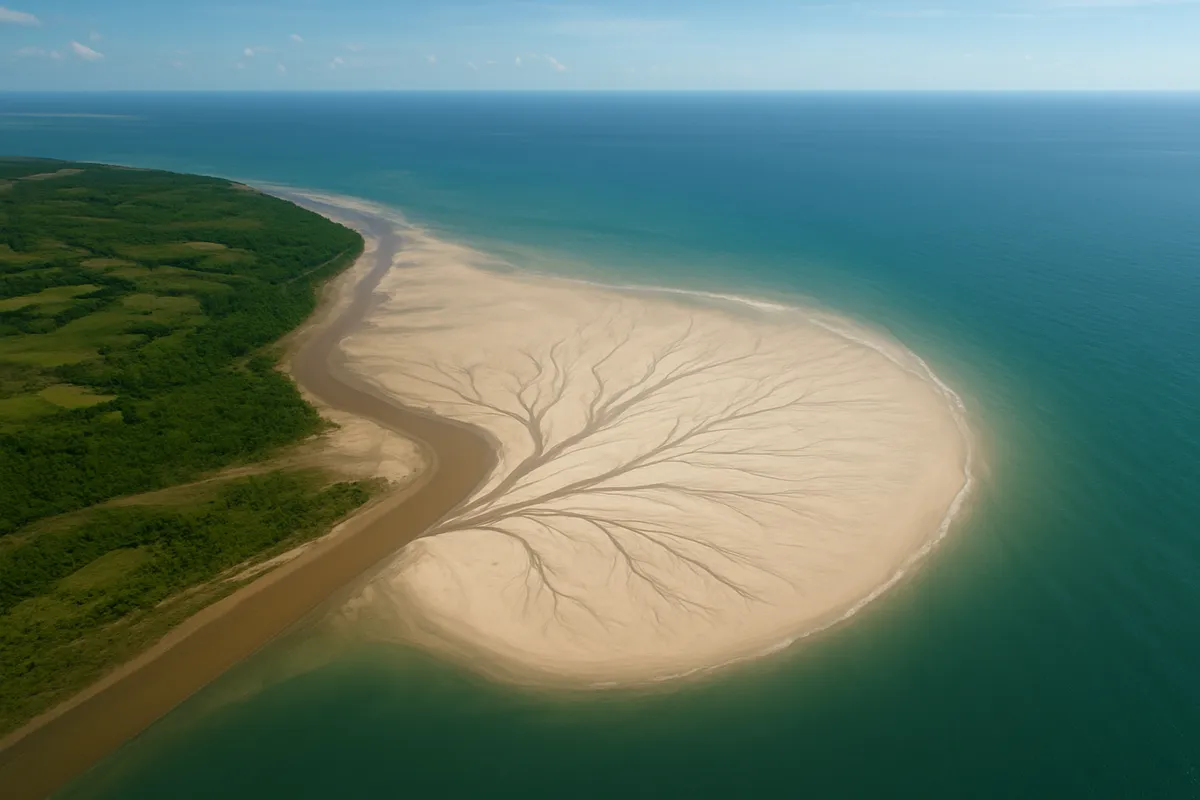
A river slows as it spreads out where it meets the sea. Over time it builds a wide fan of sand and mud; what is this landform called?
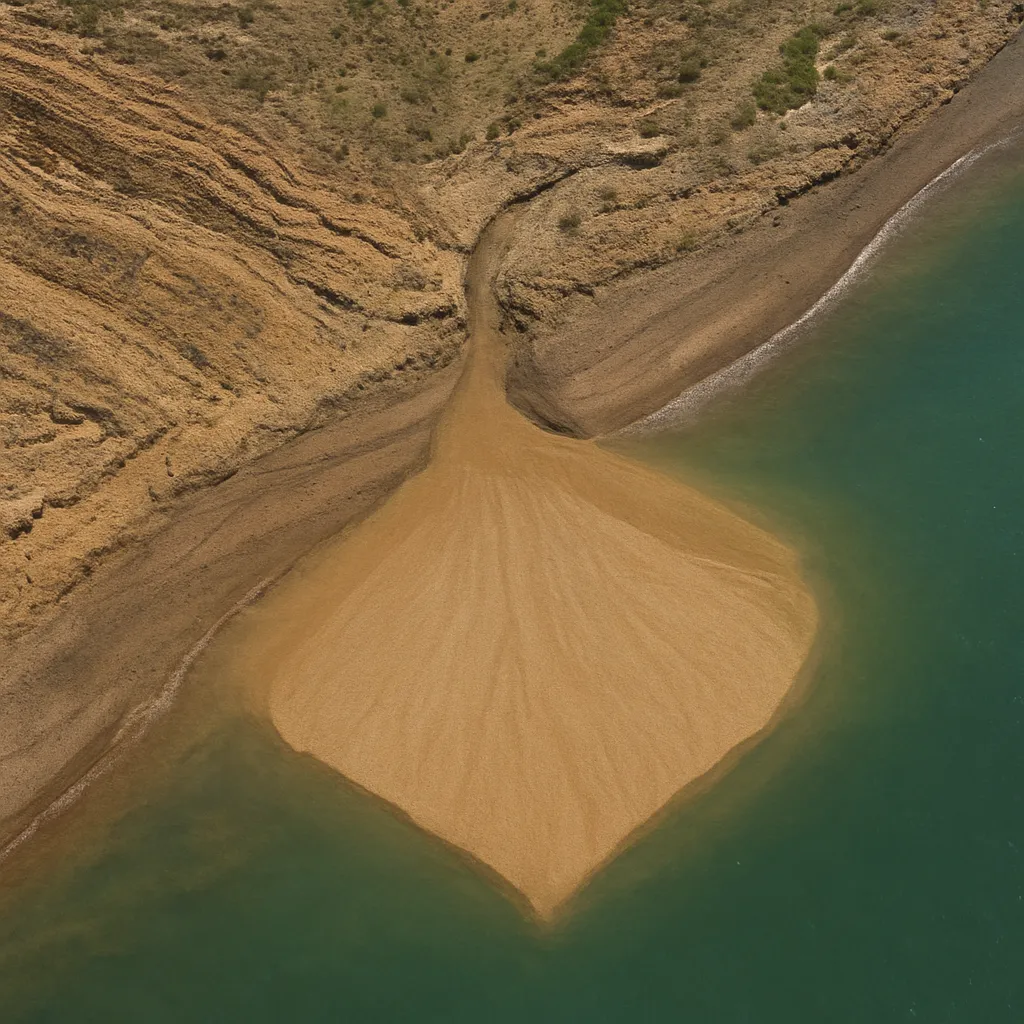
Waves drop sand in shallow water and build a long low ridge near a beach. What is this deposited ridge called?
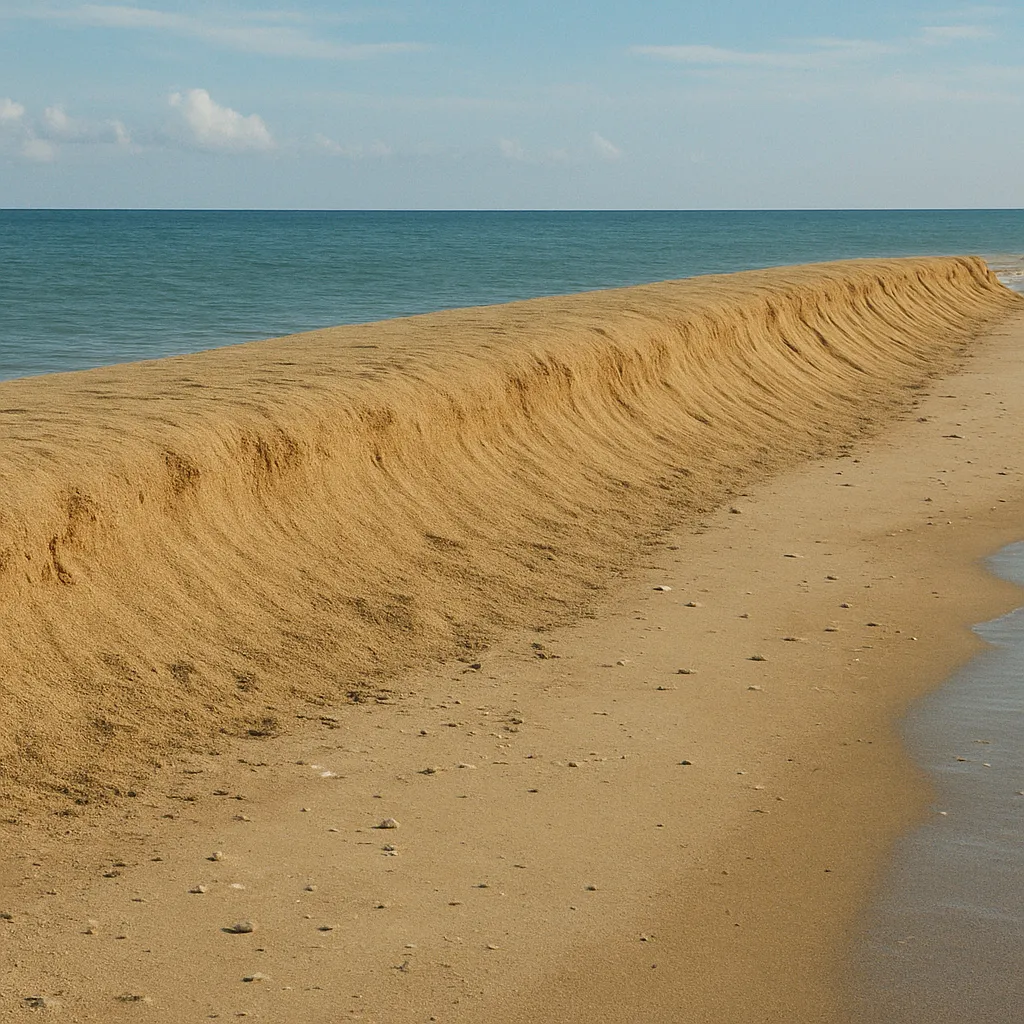
After a river floods, muddy water spreads over nearby flat land and leaves fine sediment behind. What landform is built beside the river?
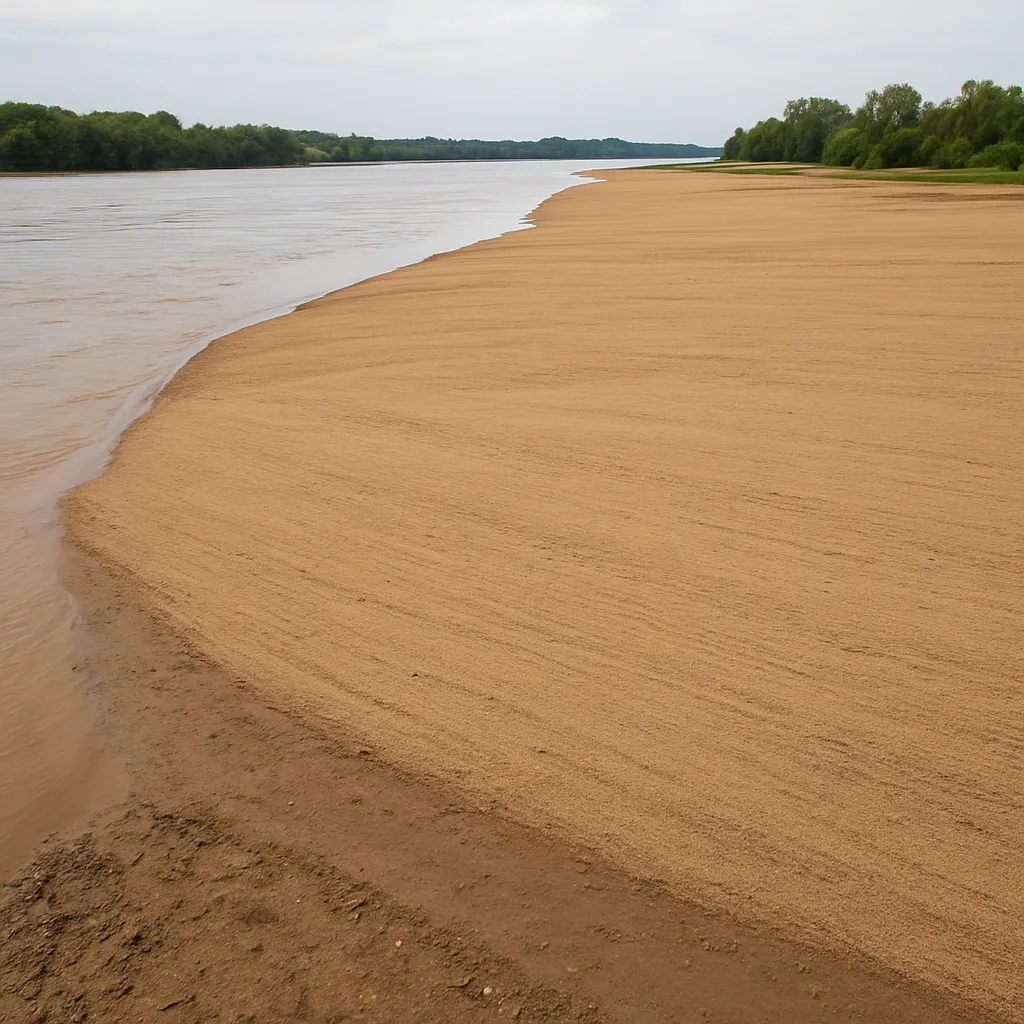
Wind slows behind beach grass and drops sand into a growing hill. What is this wind-built landform called?
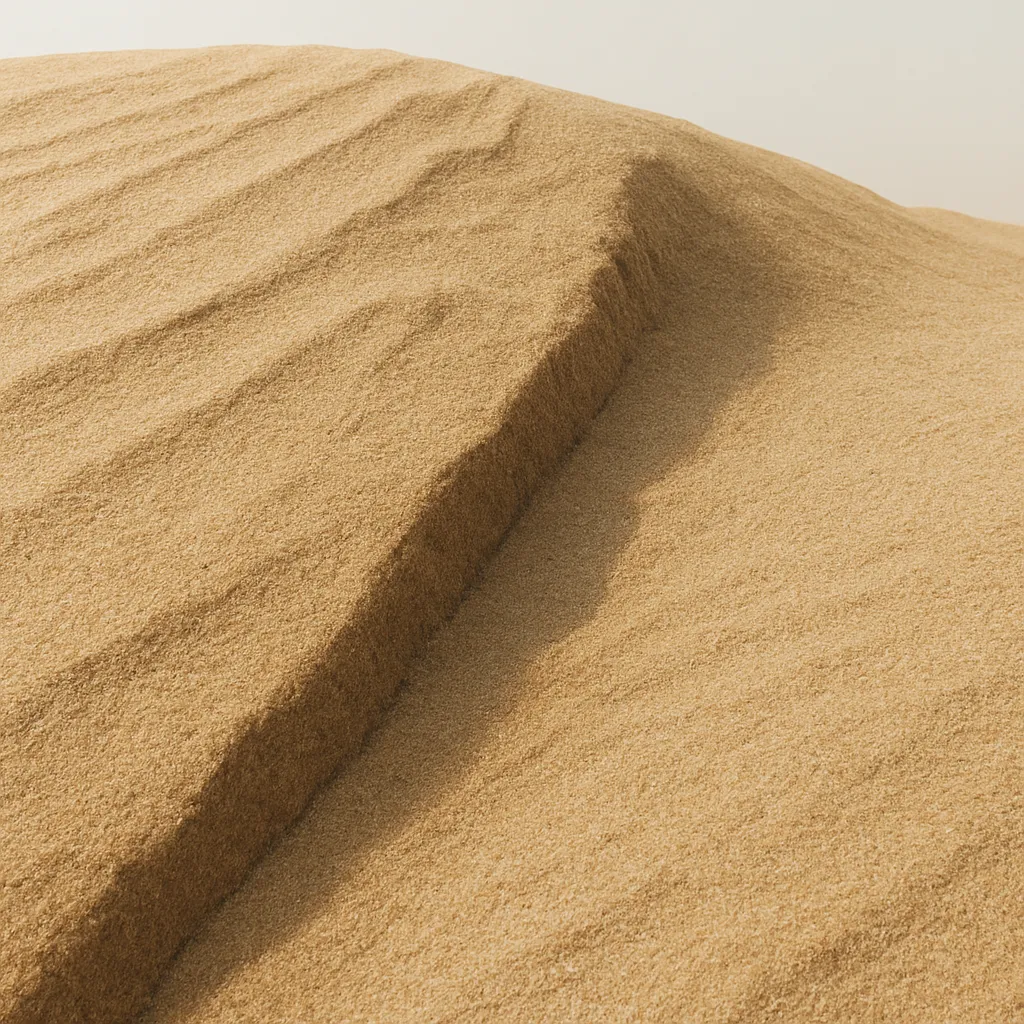
A stream enters a quiet lake and drops mud and sand at the shore. Over years a fan-shaped landform grows; what is it called?
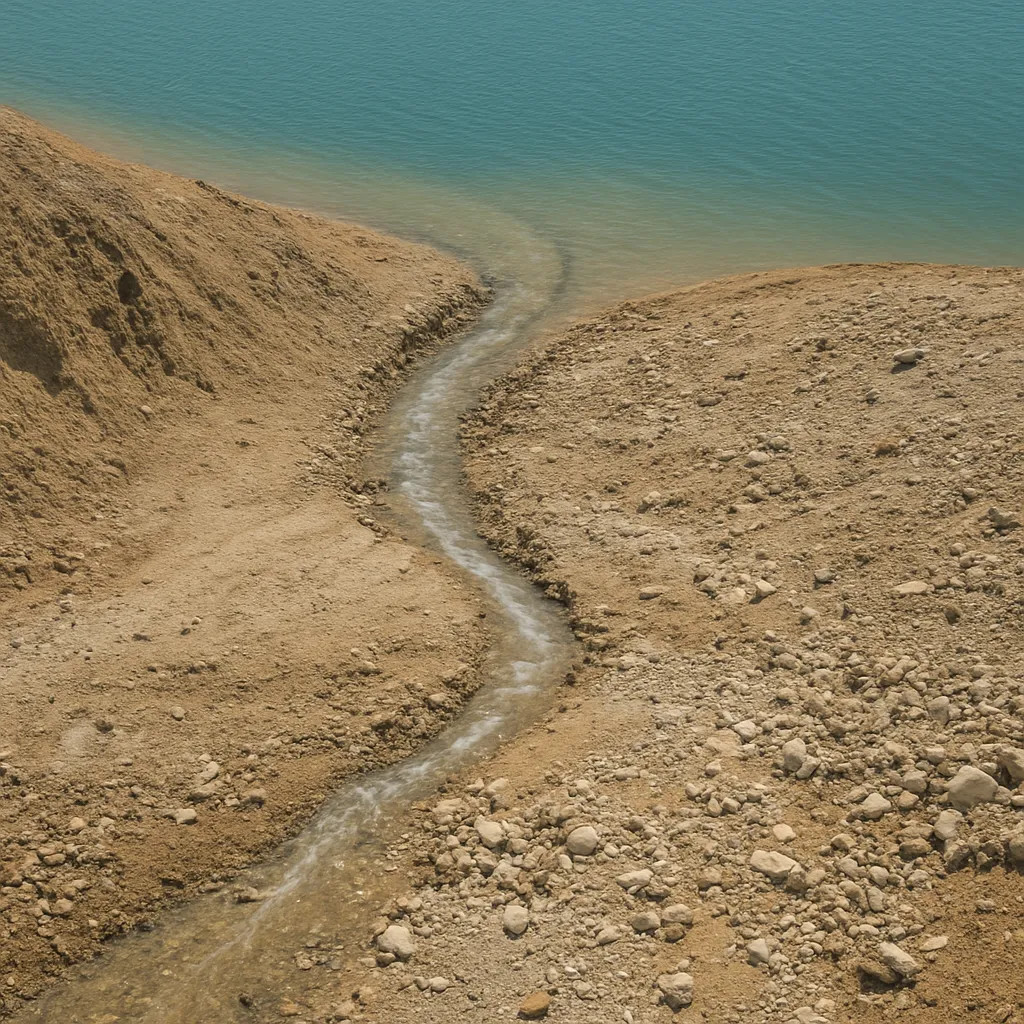
A long ridge of sand like this one rises out of shallow water just off a beach. What most likely built it?
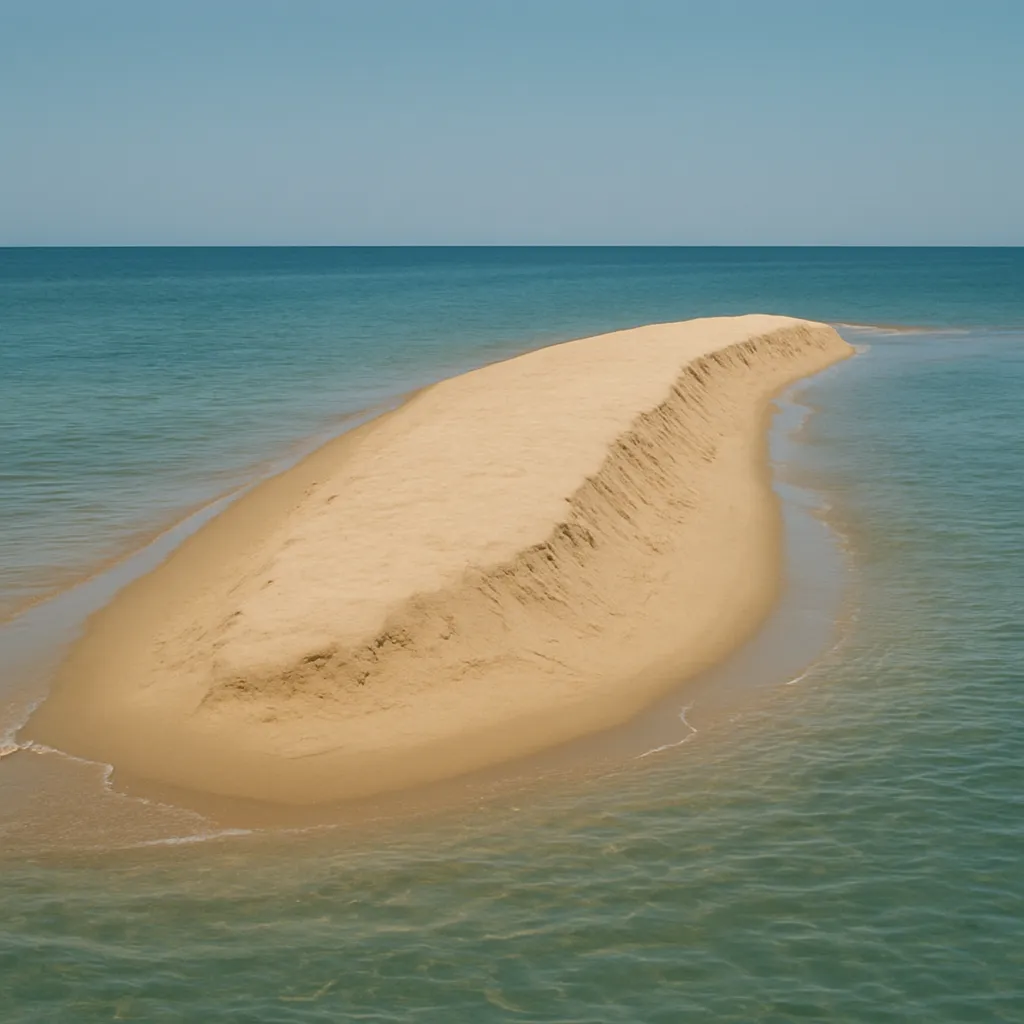
Farmers often plant crops on the flat land beside a river that floods every few years. Why is the soil there good for growing crops?
In a desert, wind drops sand against rocks until a rounded hill grows. What landform is made by this deposition?
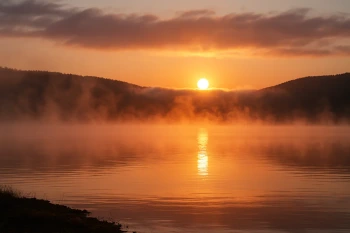
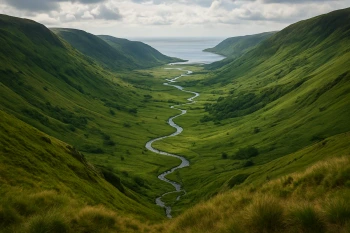
A river like this one drops lots of sand and mud where it meets the sea. Why does it drop them there?
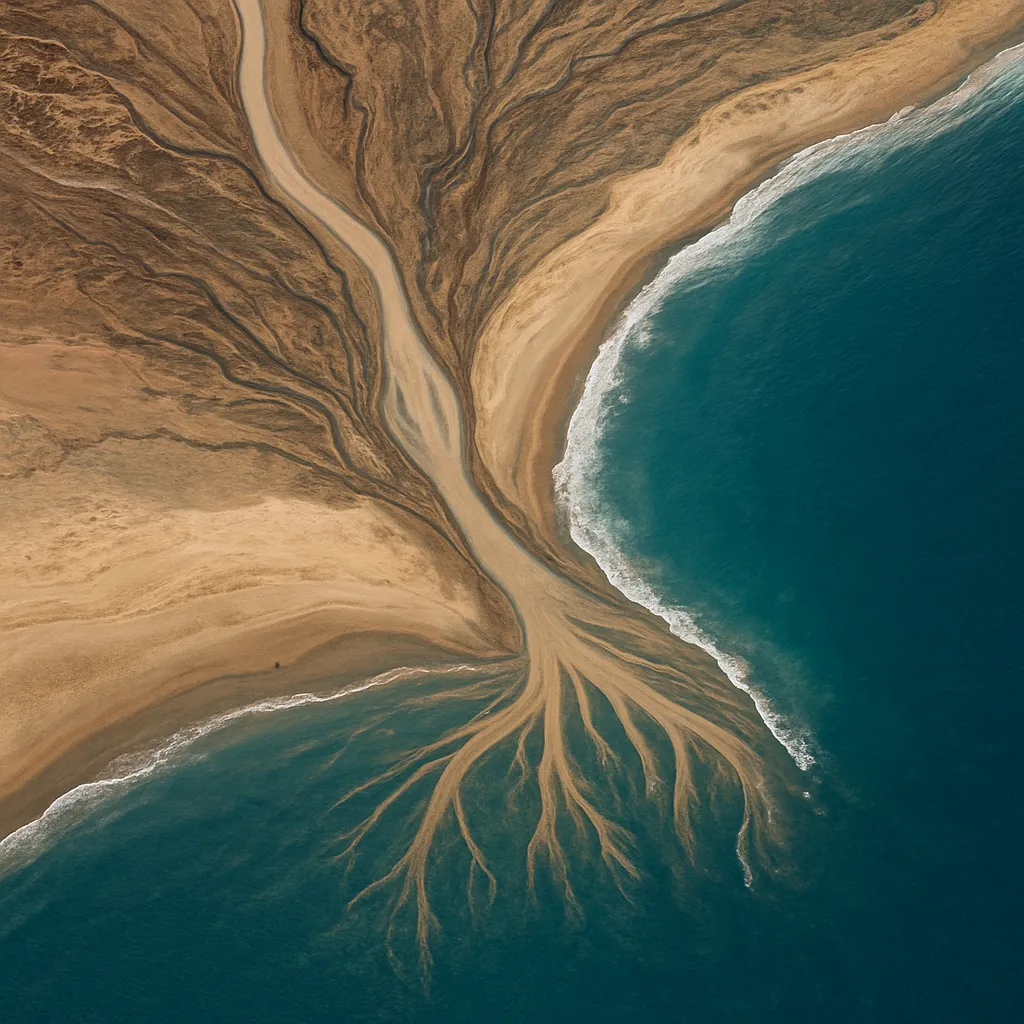
Storm waves leave a narrow strip of sand across part of a lagoon entrance. What landform did the waves build?
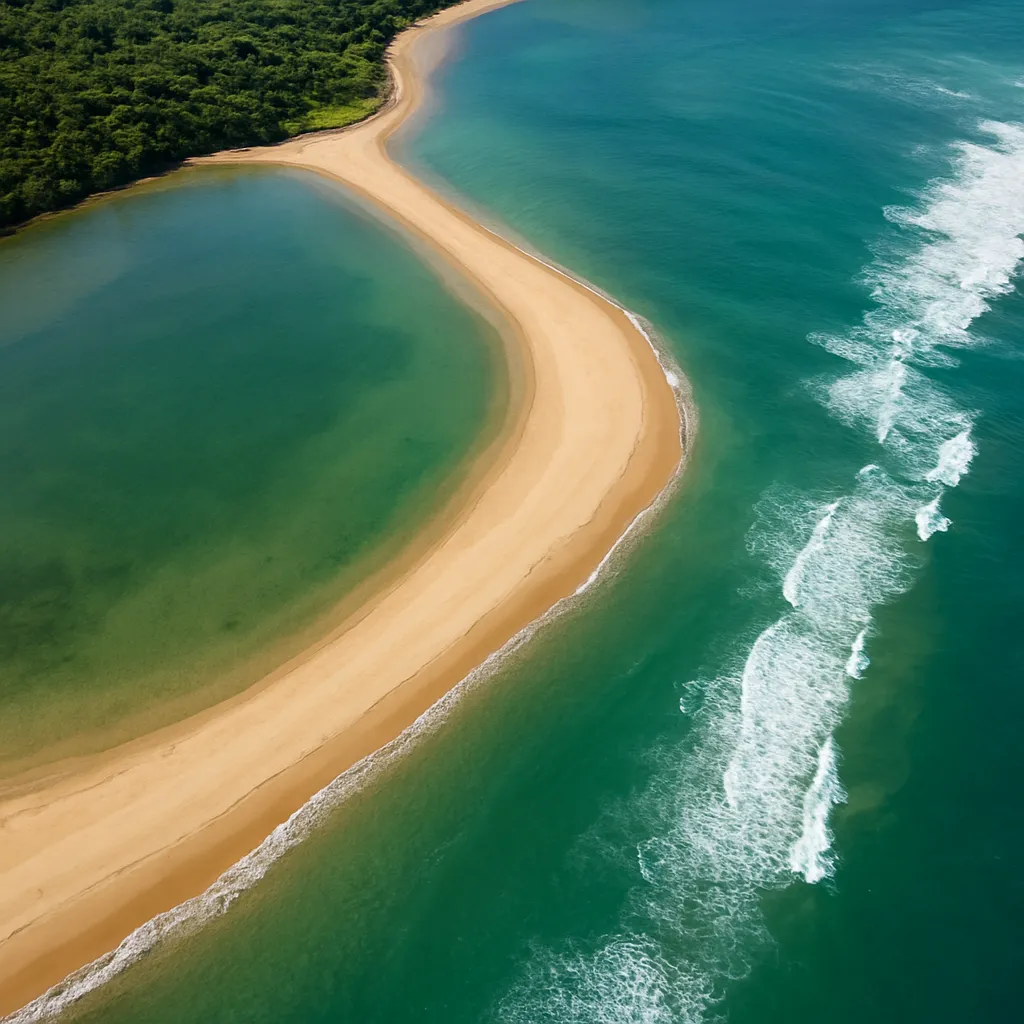
Which word names the dropping of sand, mud, or rocks that wind or water was carrying?
Strong wind keeps blowing sand off one side of a dune and dropping it on the other side. What happens to the dune over time?
A river enters a calm lake, spreads out, and slows. What happens to the sand and mud it was carrying?
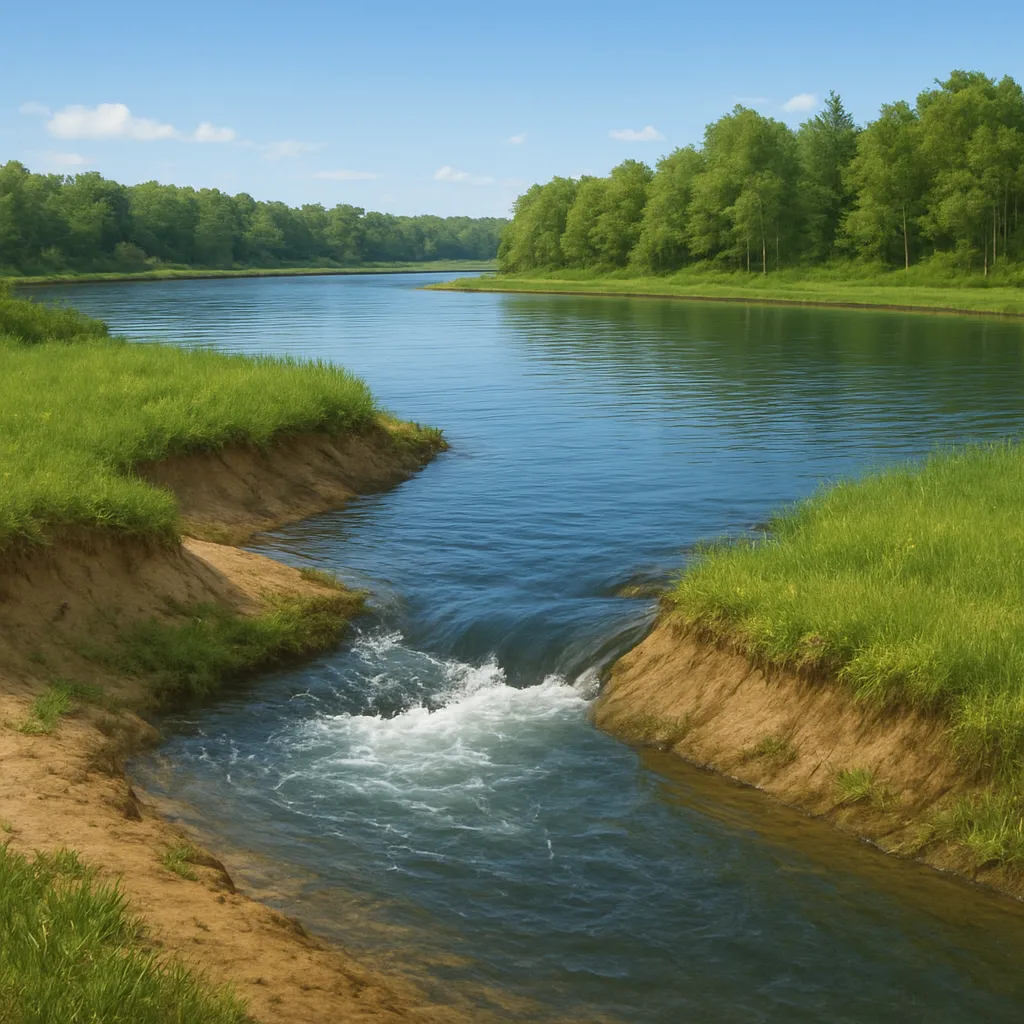
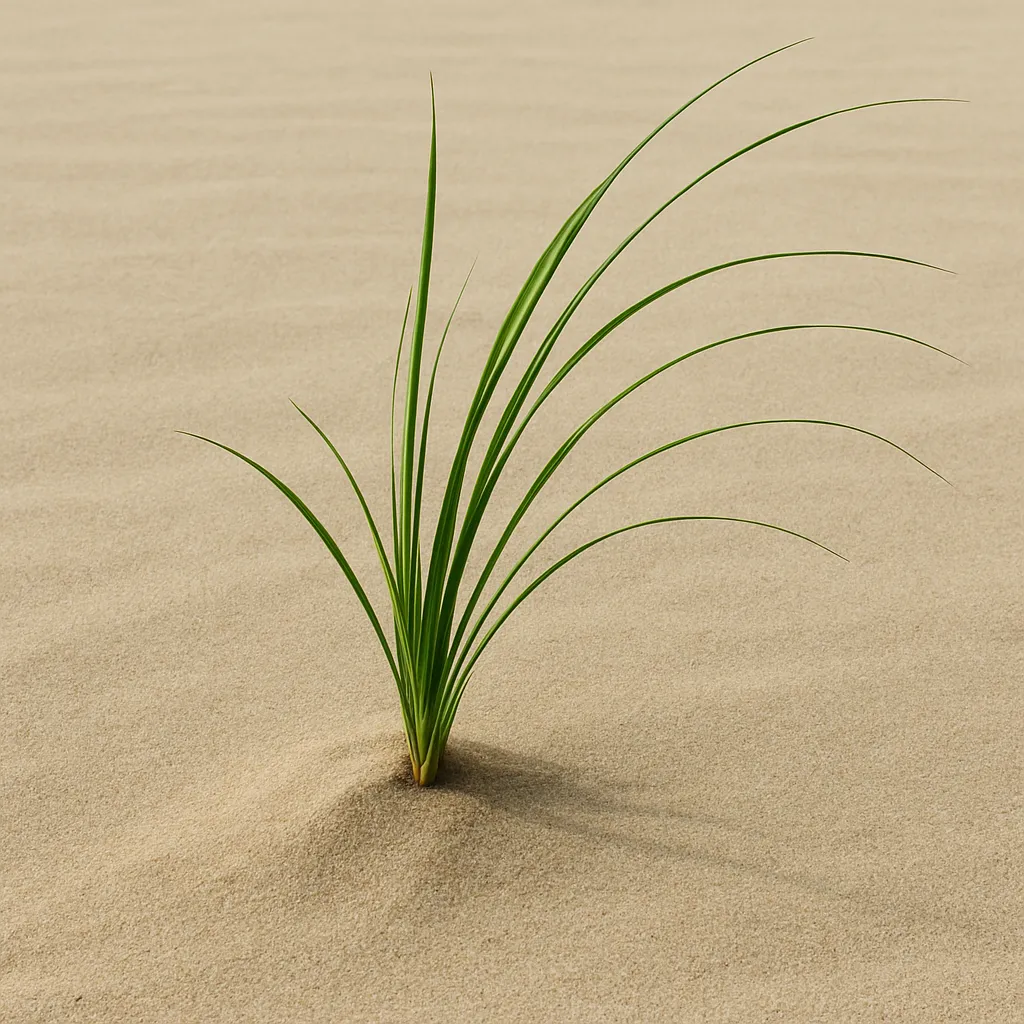
Wind carrying sand reaches tall grass and slows down. What happens to much of the sand there?
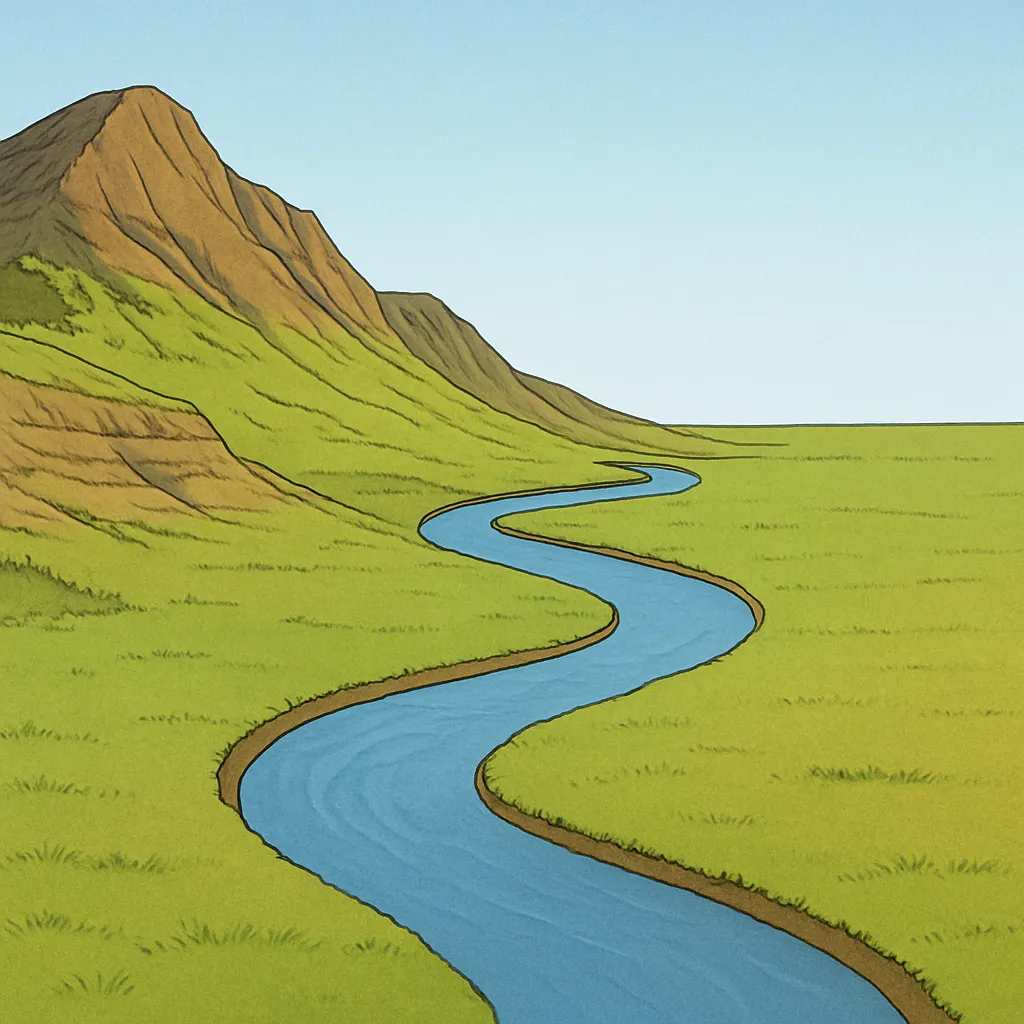
A stream flows from a steep mountain onto a flat plain and slows. What happens to many pebbles in the stream?
Floodwater leaves the main river, spreads over a field, and slows. What happens to fine mud in the water?
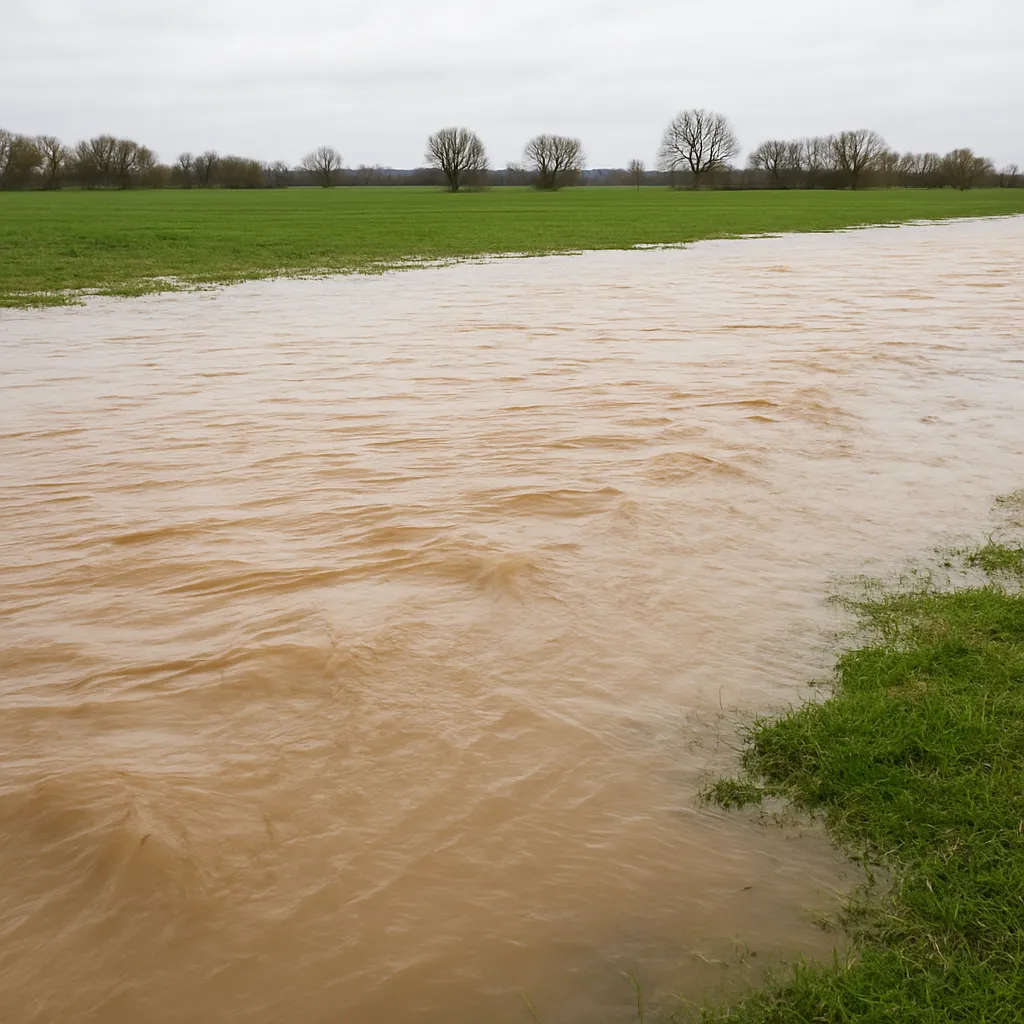
Waves move sand until they slow in shallow water near a beach. What does the sand do there?
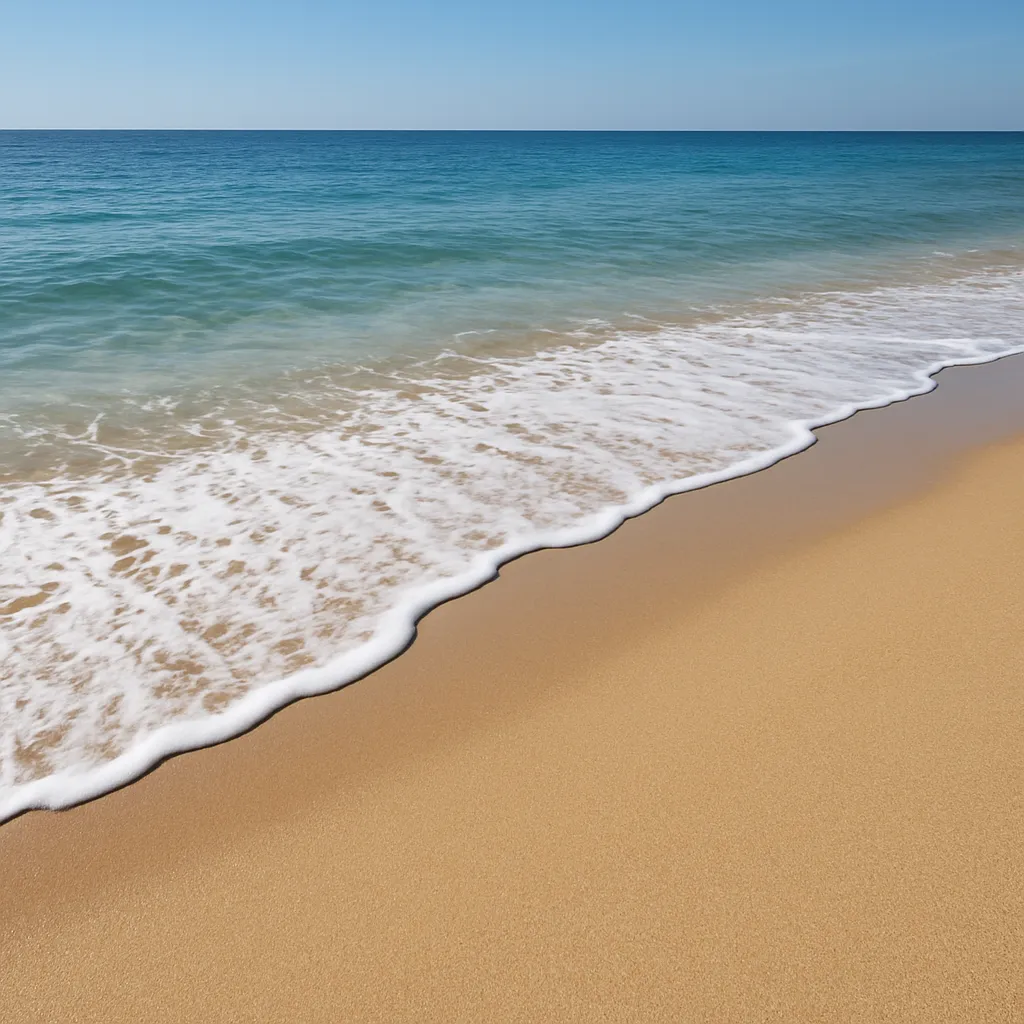
A river splits into several channels at its mouth and slows. What does this slowing cause?
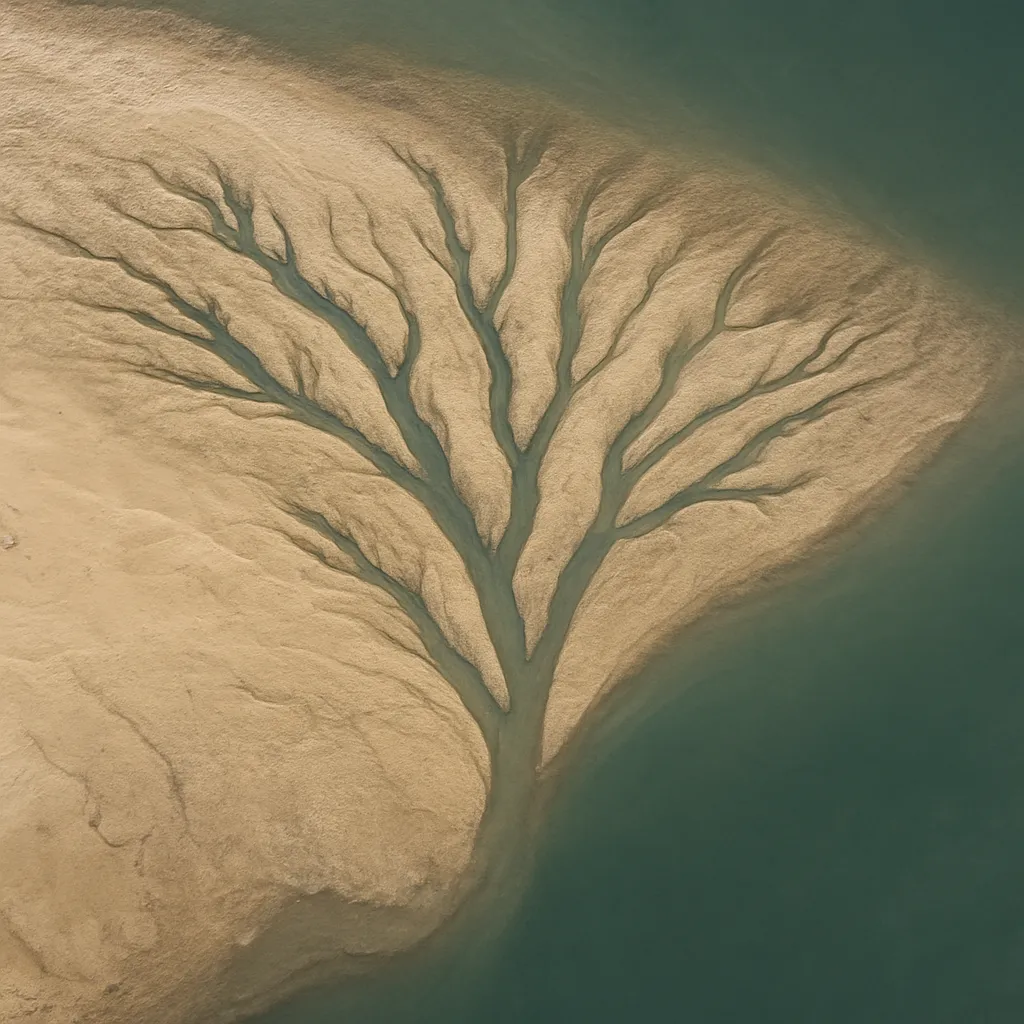
Sand has piled up behind this boulder on a windy beach. Why did the wind drop the sand there?
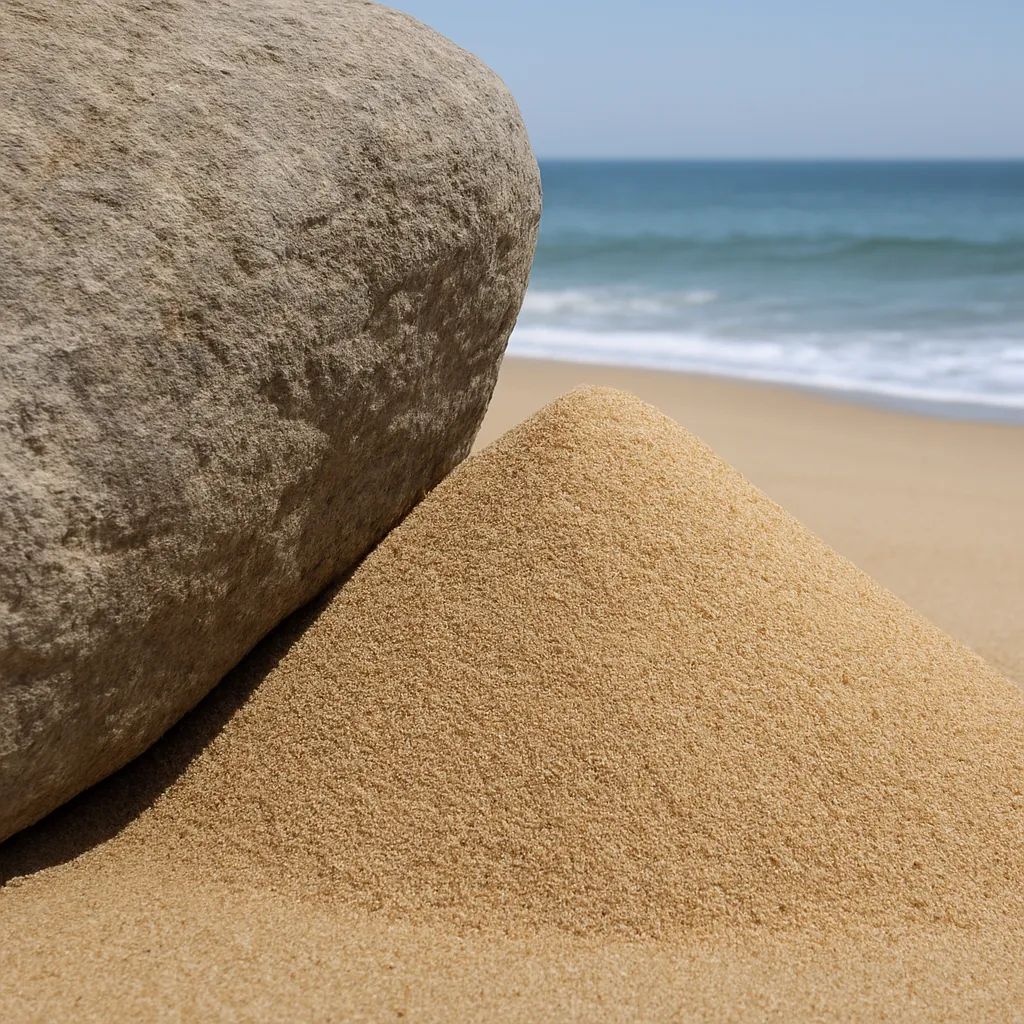
A fast creek enters a quiet pond and slows suddenly. What happens to the gravel it carries?
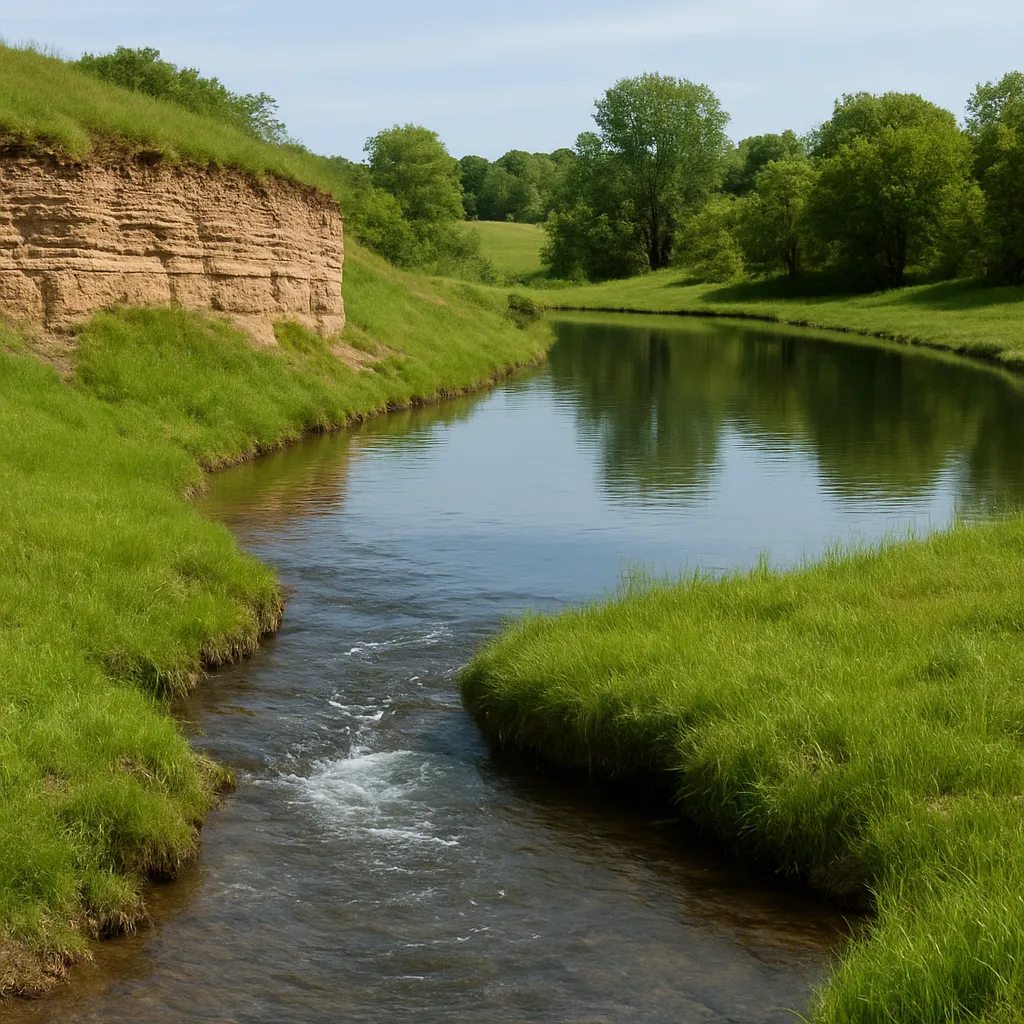
In a stream table, water carries sand down a tilted tray. A student wants the water to drop more of its sand. What change should the student make?
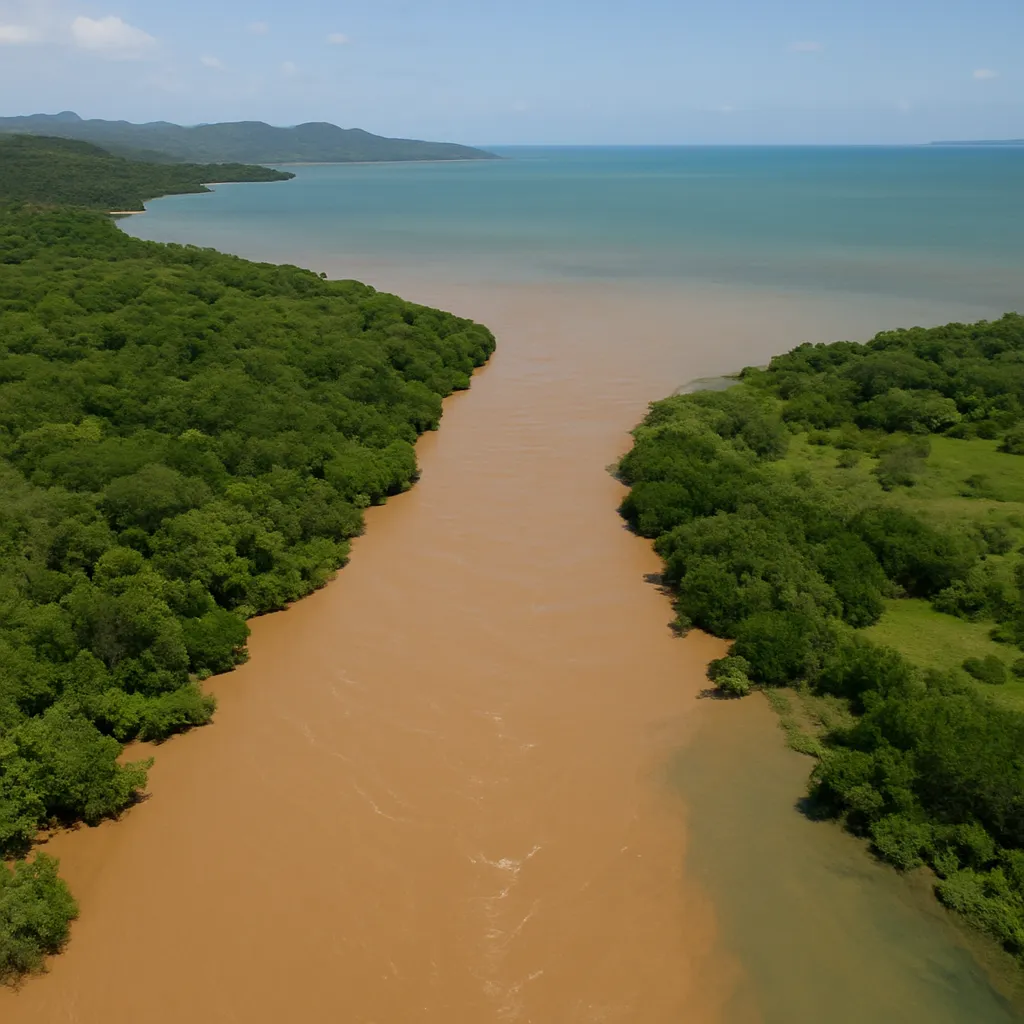
People build a dam far up this muddy river. The dam traps much of the mud the river carries. What will most likely happen to the land the river builds at its mouth?
Rock on a hillside is broken down, moved by a stream, and later left in a valley. Which order shows how this happens?
People plant beach grass and put up sand fences along a beach. How do these help protect the beach?
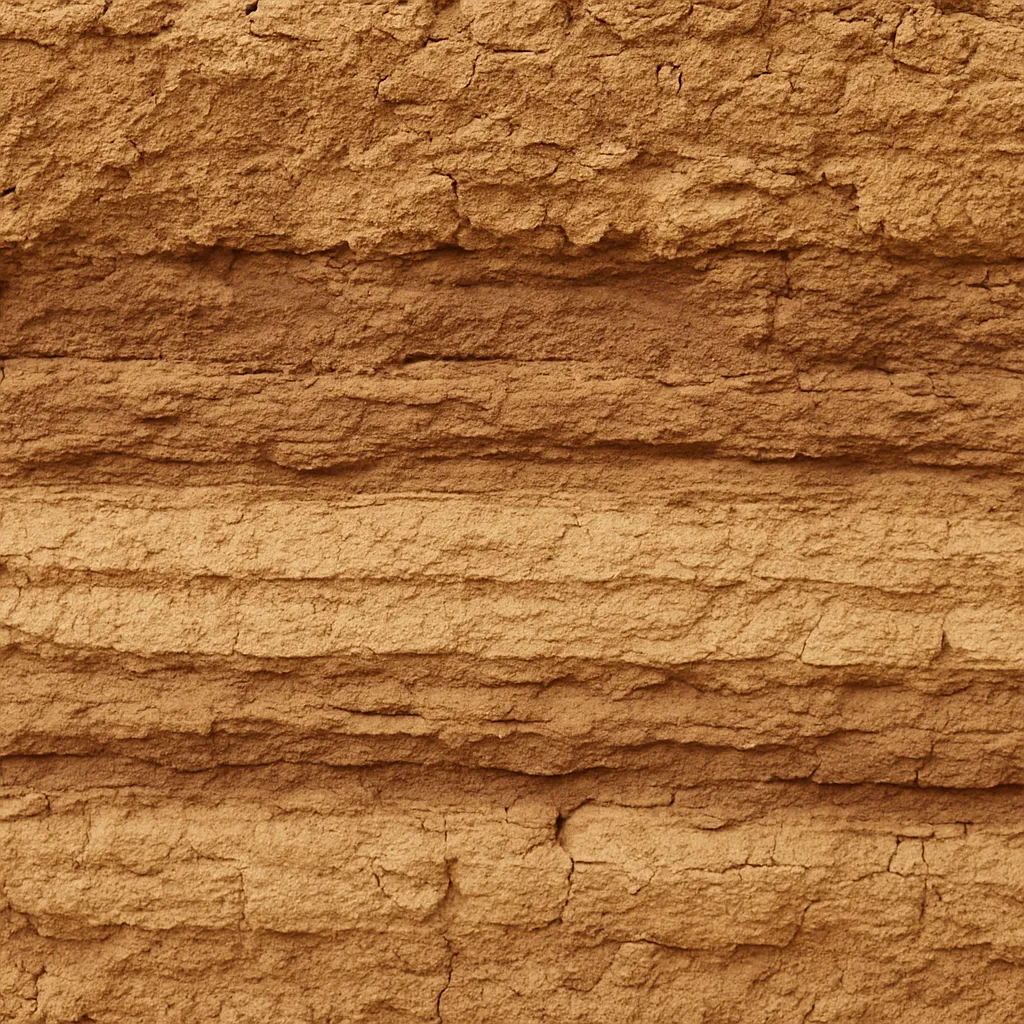
Land beside a river shows stacked bands of mud and silt like these. The river floods every few years. What most likely made the bands?
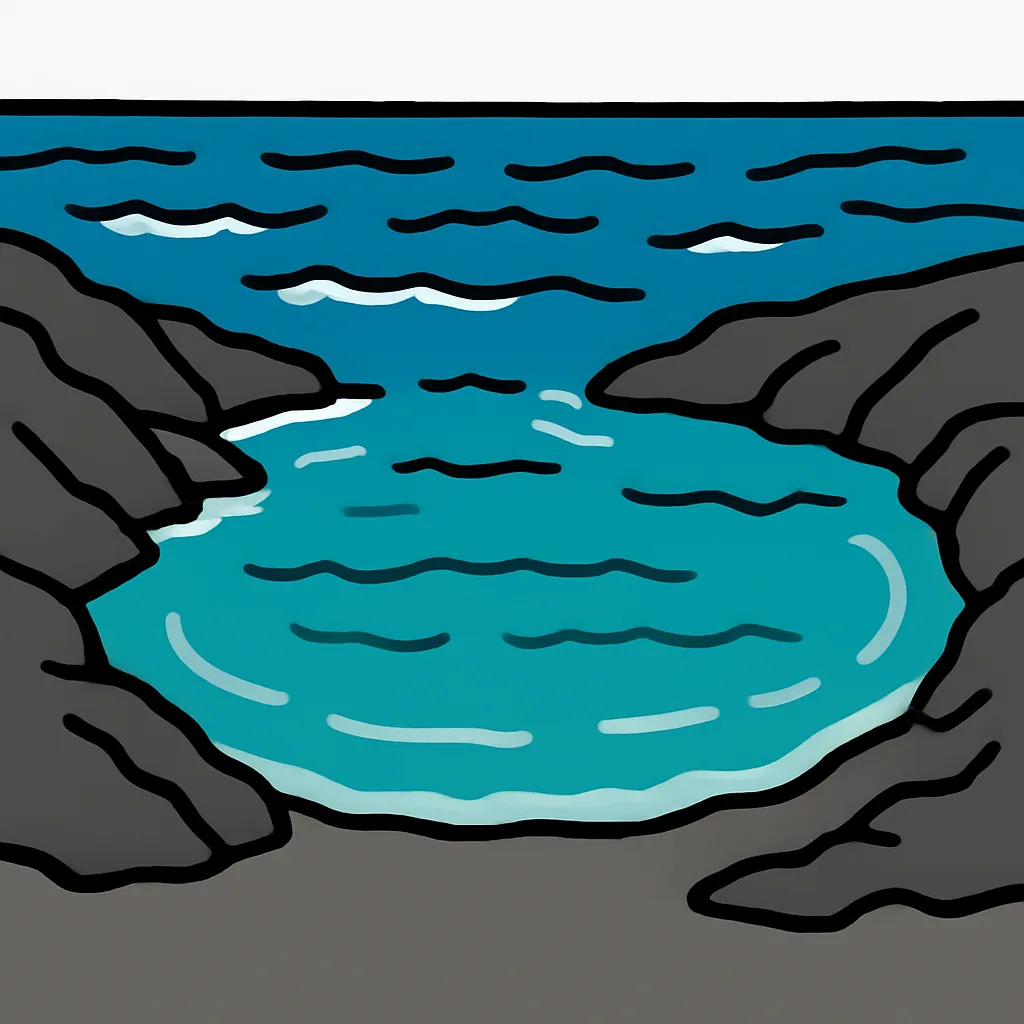
Waves carry sand into a quiet cove like this one and slow down near the shore. What landform do they build along the shore?
A glacier slowly melts at its lower edge. What happens to the rocks and gravel frozen inside the ice?
After a heavy rain, a muddy stream like this one flows much faster than usual. What can the faster water do?
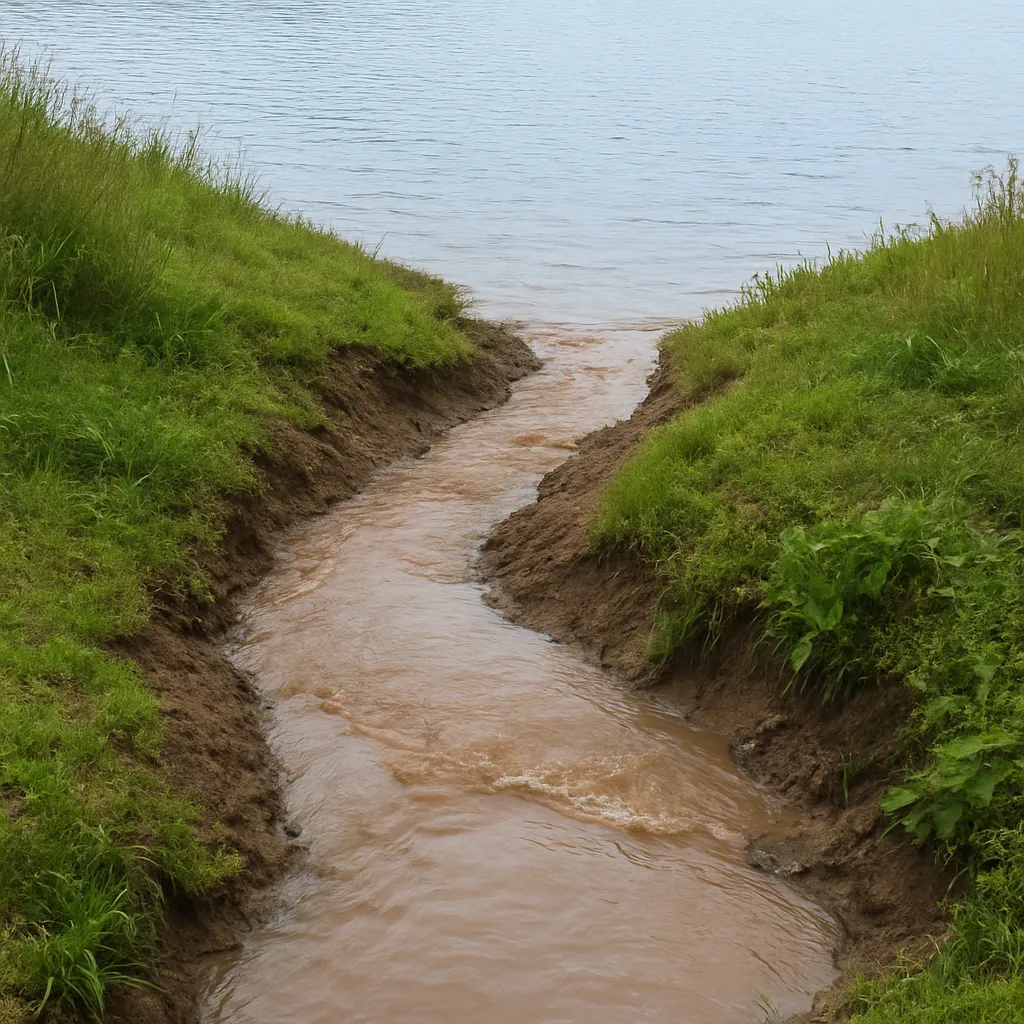
Wind blows sand across a dry field toward a low fence. Where will most sand pile up when the wind slows?
Floodwater spills out of a river onto a wide, flat field. Why does the water slow down there?
A river brings mud into a calm harbor, and the mud keeps settling on the bottom. What problem can this cause for ships over many years?
Waves wash sand through a narrow inlet into a quiet lagoon. Where will the sand settle?
A stream carries gravel, sand, and clay from a hillside into a flat valley. As water slows, what settles closest to the hillside?
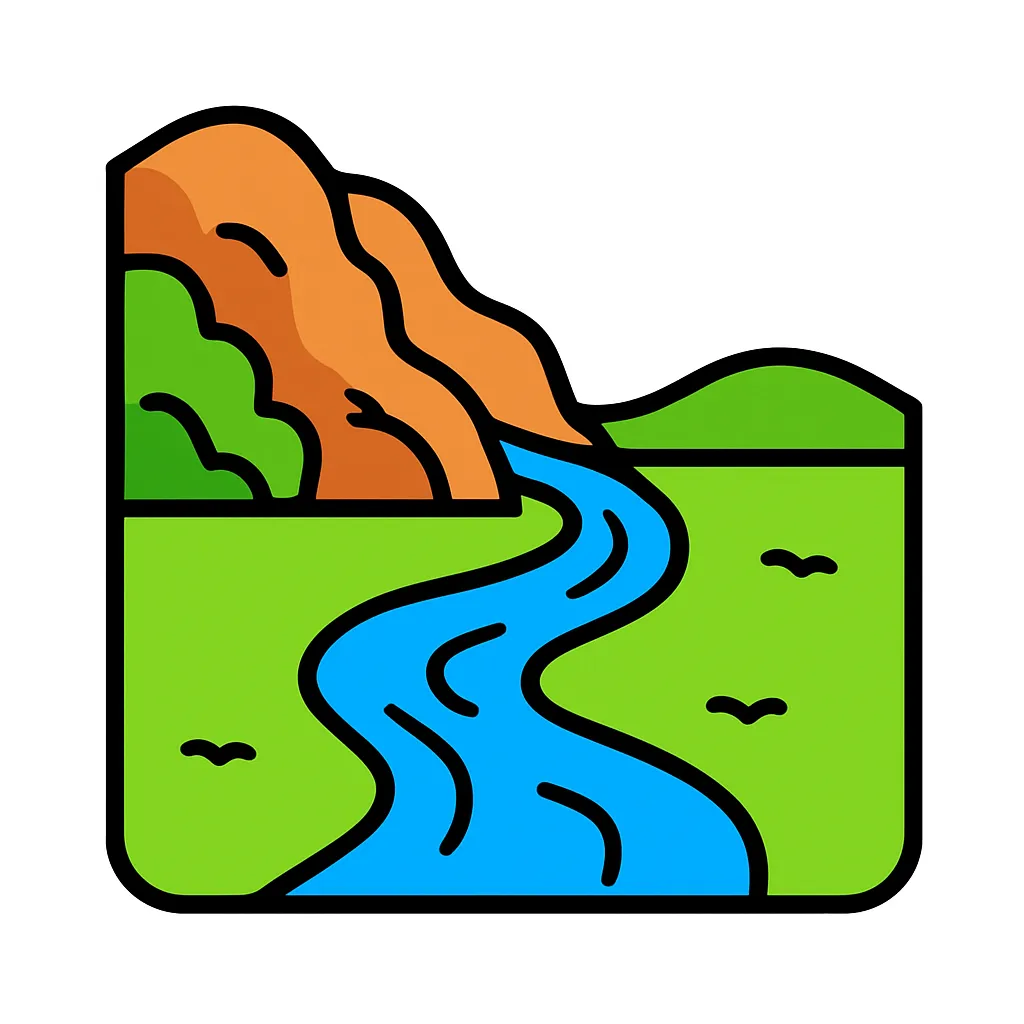
A river leaves mountains and slows across a plain. Which particles settle first, and which travel farthest?
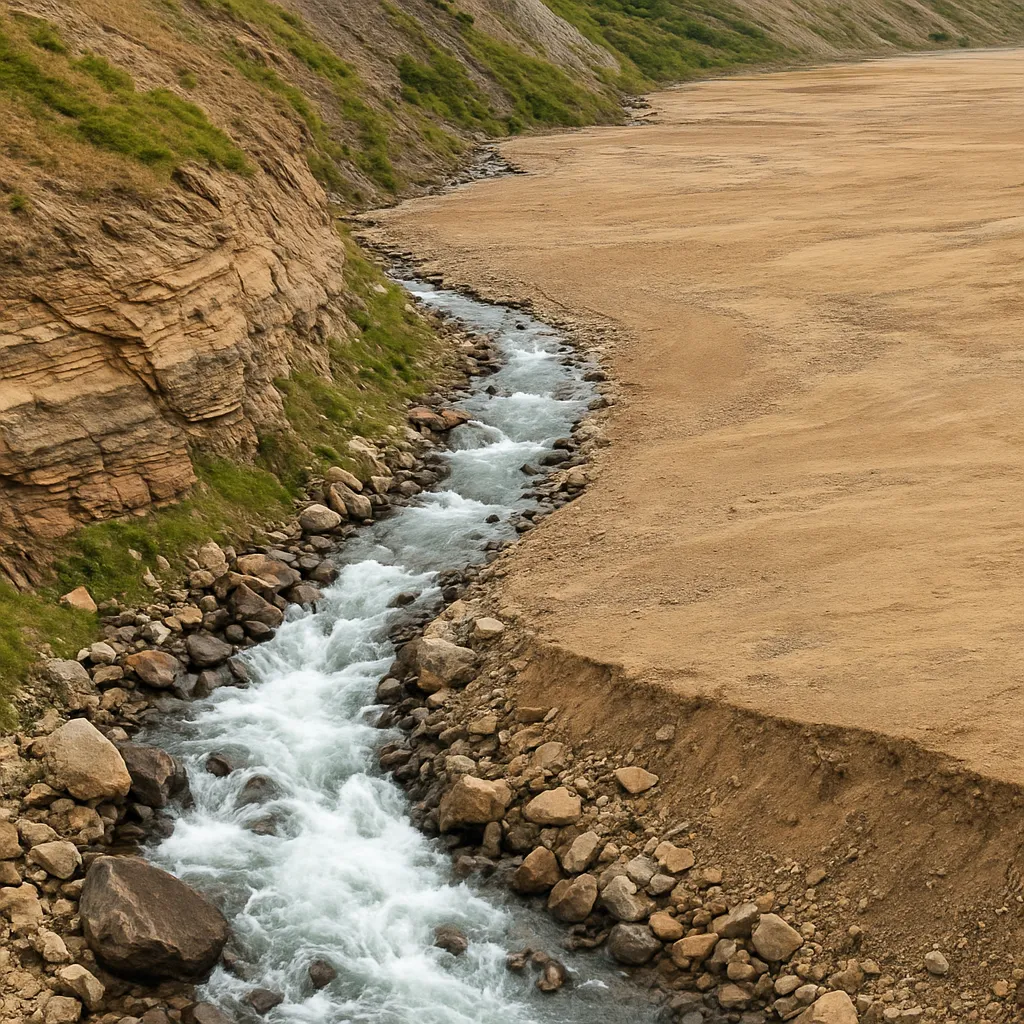
Wind carries coarse sand and fine dust from a dry lake bed. When the wind weakens, what lands closest to the lake bed?
Waves carry pebbles, sand, and mud away from a cliff. As the water slows offshore, what is deposited nearest the cliff?
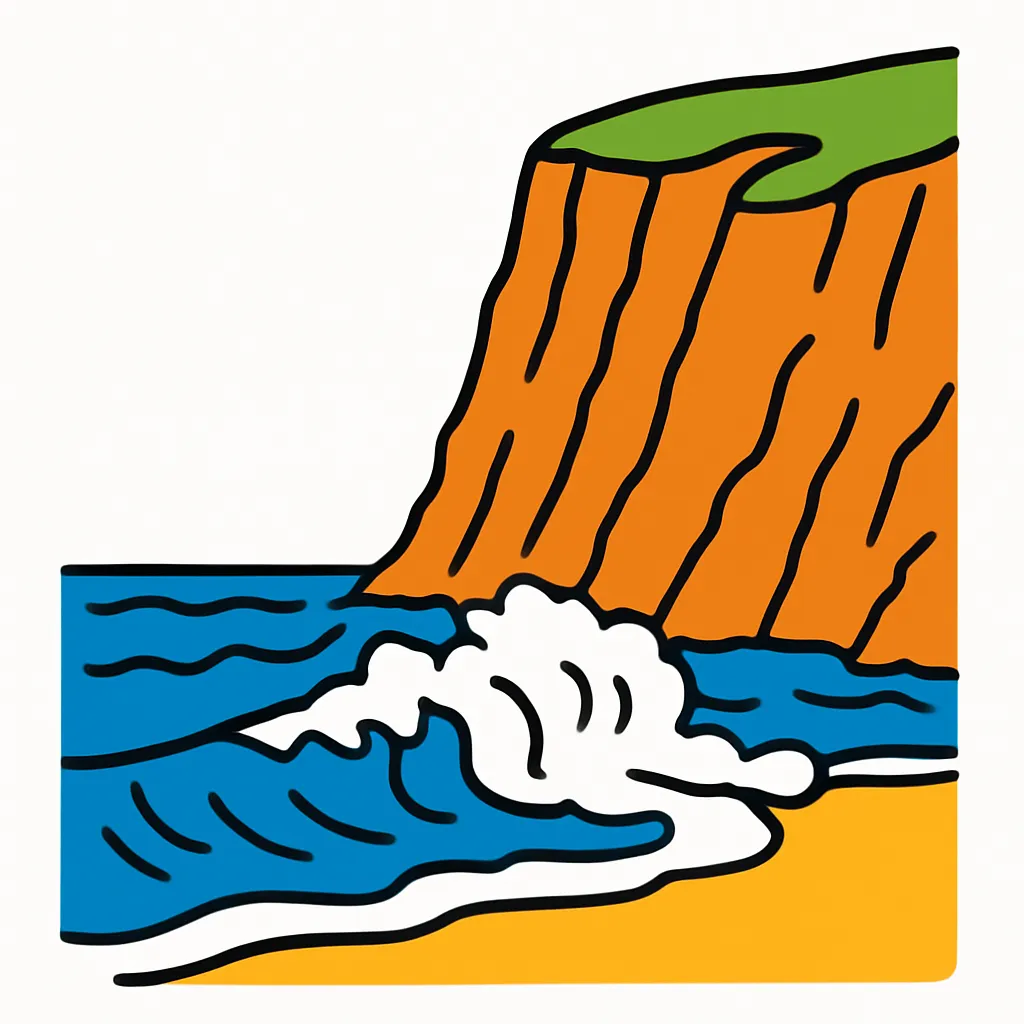
Floodwater carries gravel, sand, and clay onto a field. After the current slows, where are the largest pieces most likely found?
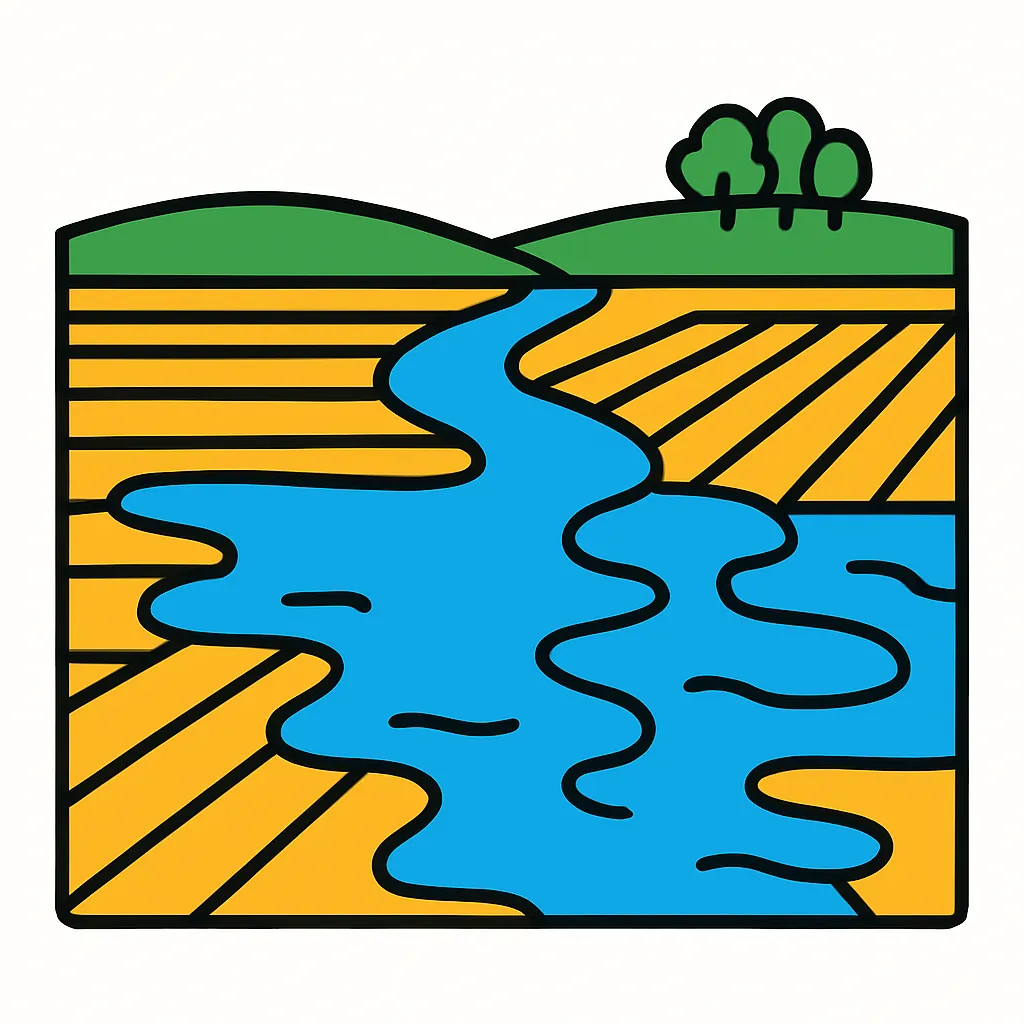
A stream enters a pond carrying gravel and fine silt. What is deposited near the stream inlet, and what travels farther?
Wind moves large sand grains and tiny dust across dunes. When wind slows behind plants, what settles first?
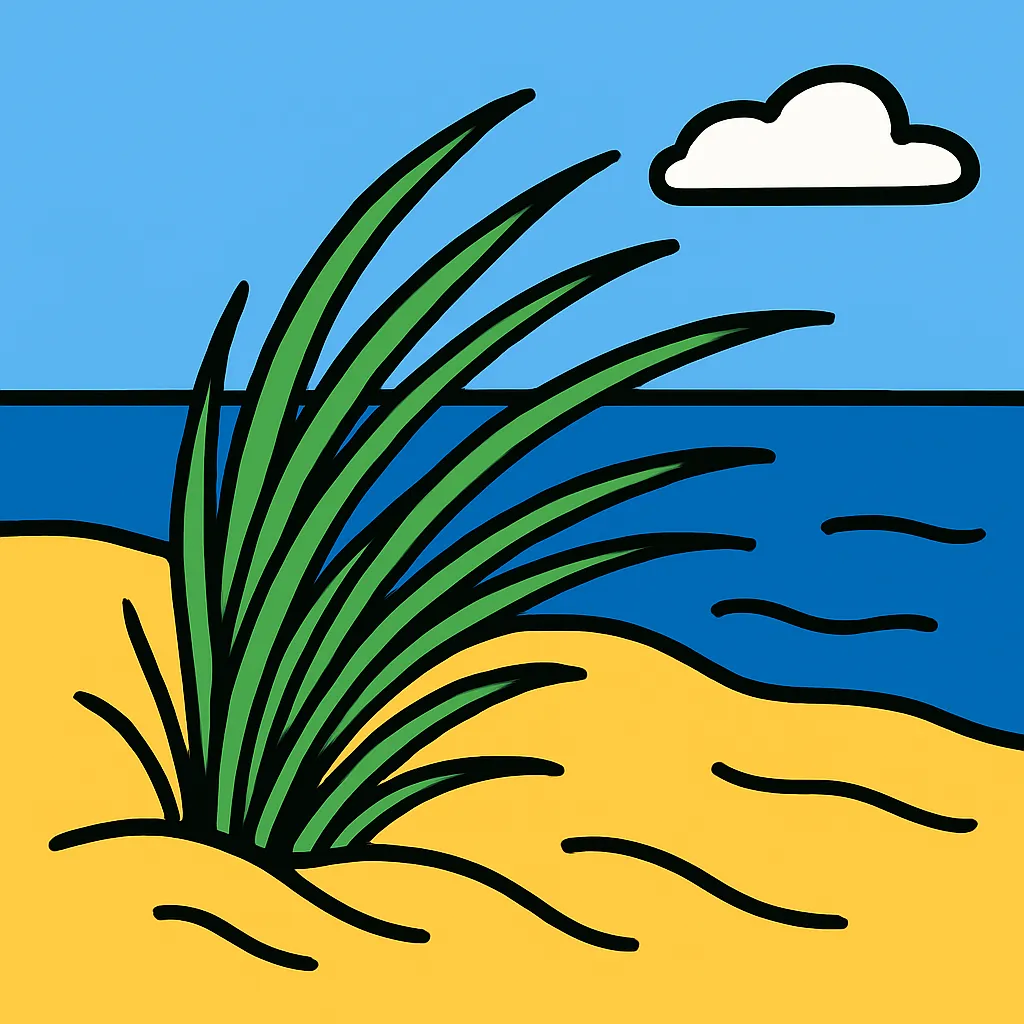
A river carries sand and mud. Why does the river drop the sand and mud when its water slows down?
Crack the passcode before the zombies get in.
Answer, then swat bugs for bonus points.
Race through questions at your own speed.
Same question on every screen. Fastest wins.

Pick a tile, answer, hit bonuses and steals.
Watersheds: Where the Water Goes
40 questions