Loading
by BlastRoom
Carrying out one transformation after another and naming the net effect.
#geometry

40 questions
One question set, multiple game modes. Tap any game to see it in action. Not sure which to pick?
Answer to place stones and capture territory.
Outrun the snow together.
Earn blasts, then hunt the other team.
Answer to earn energy, then climb.

The class blasts through walls together.
Bid on mystery lots. Most money wins.
Sell tours. Nice, standard, or a total scam.

Answer, restock, and serve the rush.
More correct answers pulls the rope your way.
Answer, then shoot down the alien wave.
Answer, then tap to leap the frozen ridge.
A figure is reflected across the x-axis and then reflected across the line y = -x. Which single transformation gives the same final image?
A figure is reflected across the line y = -x and then reflected across the x-axis. Which single transformation gives the same final image?
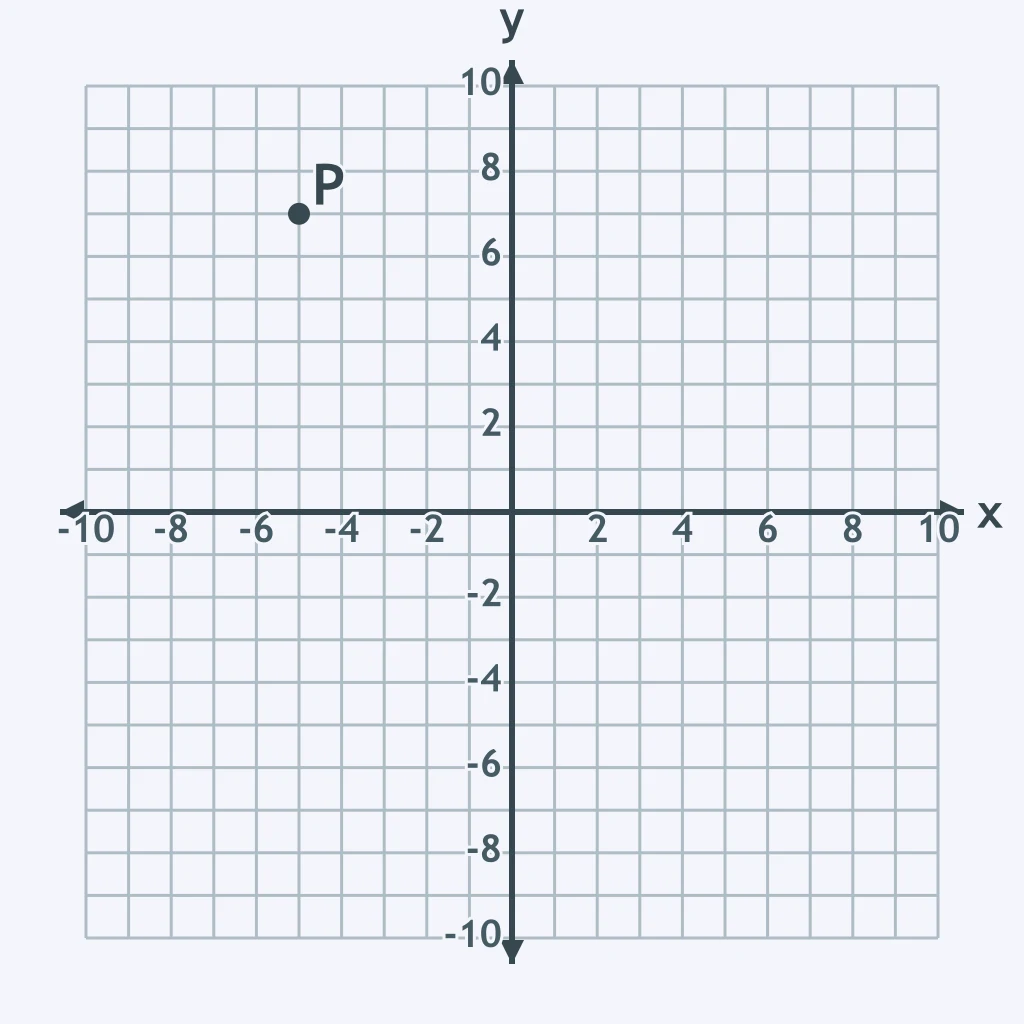
Point P(-5, 7) is shown on the grid. It is reflected across the y-axis and then translated 7 units left and 2 units up. What are the coordinates of P''?
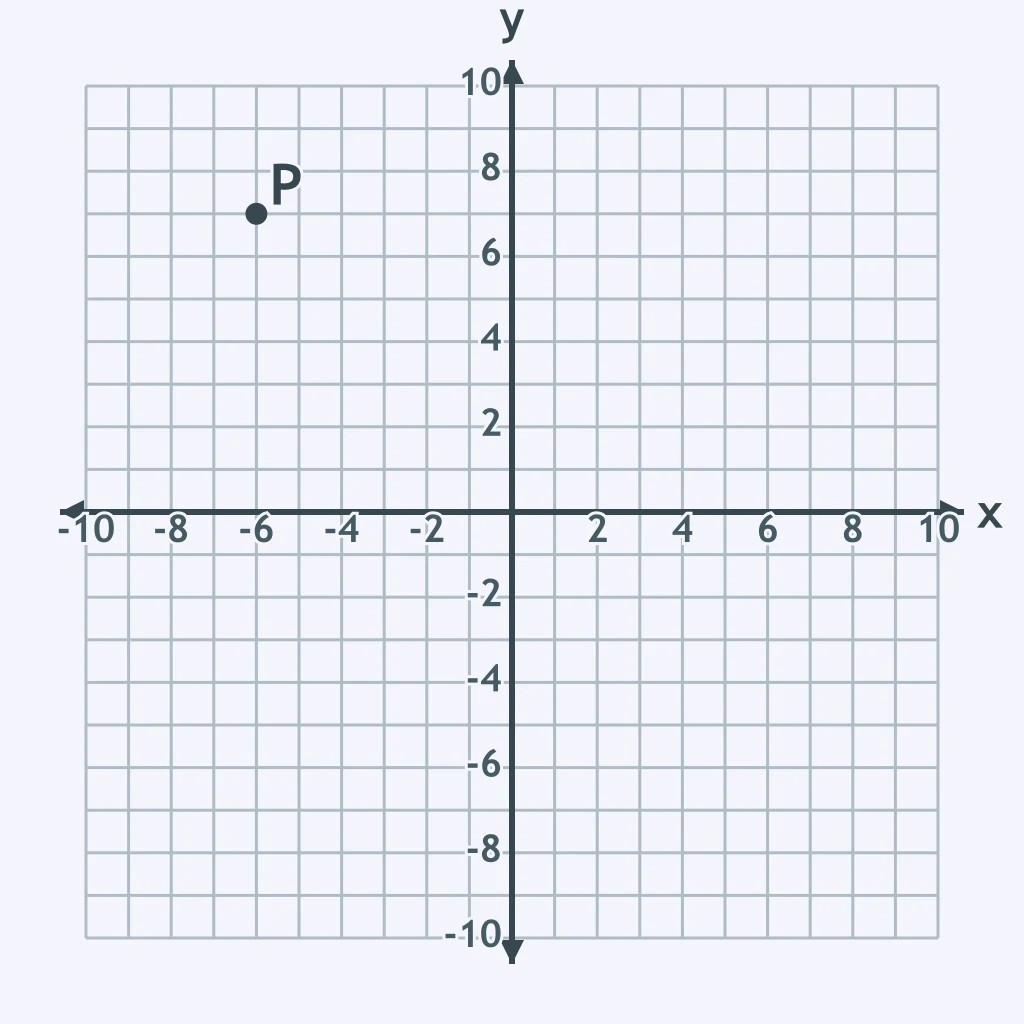
Point P(-6, 7) is shown on the grid. It is reflected across the line y = -x and then translated 2 units left and 4 units down. What are the coordinates of P''?
A figure is rotated 90 degrees clockwise about the origin and then rotated 180 degrees about the origin. Which single transformation gives the same final image?
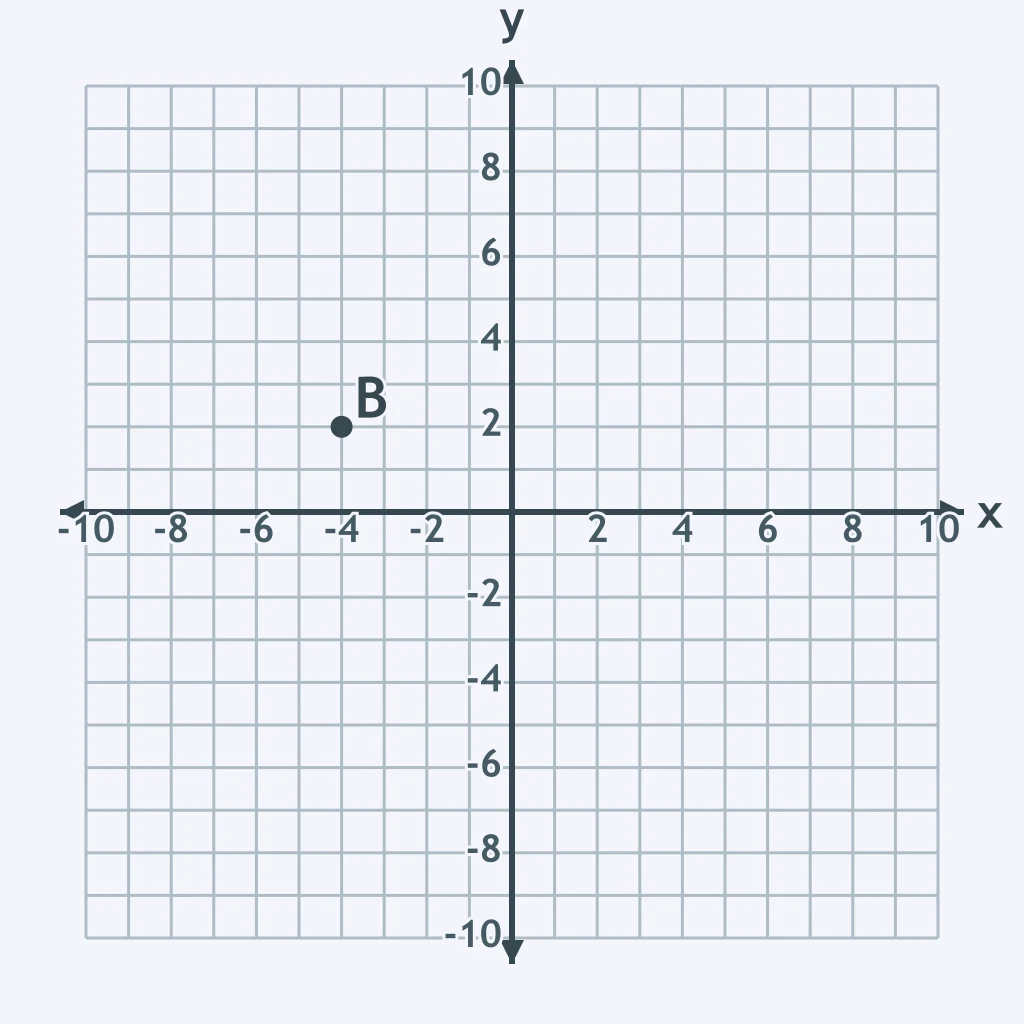
A point is translated by (x, y) -> (x + 4, y - 3) and then rotated 90 degrees counterclockwise about the origin, landing at B(-4, 2), shown on the grid. What were the coordinates of the original point?
A figure is reflected across the line y = -x and then reflected across the line y = x. Which single transformation gives the same final image?
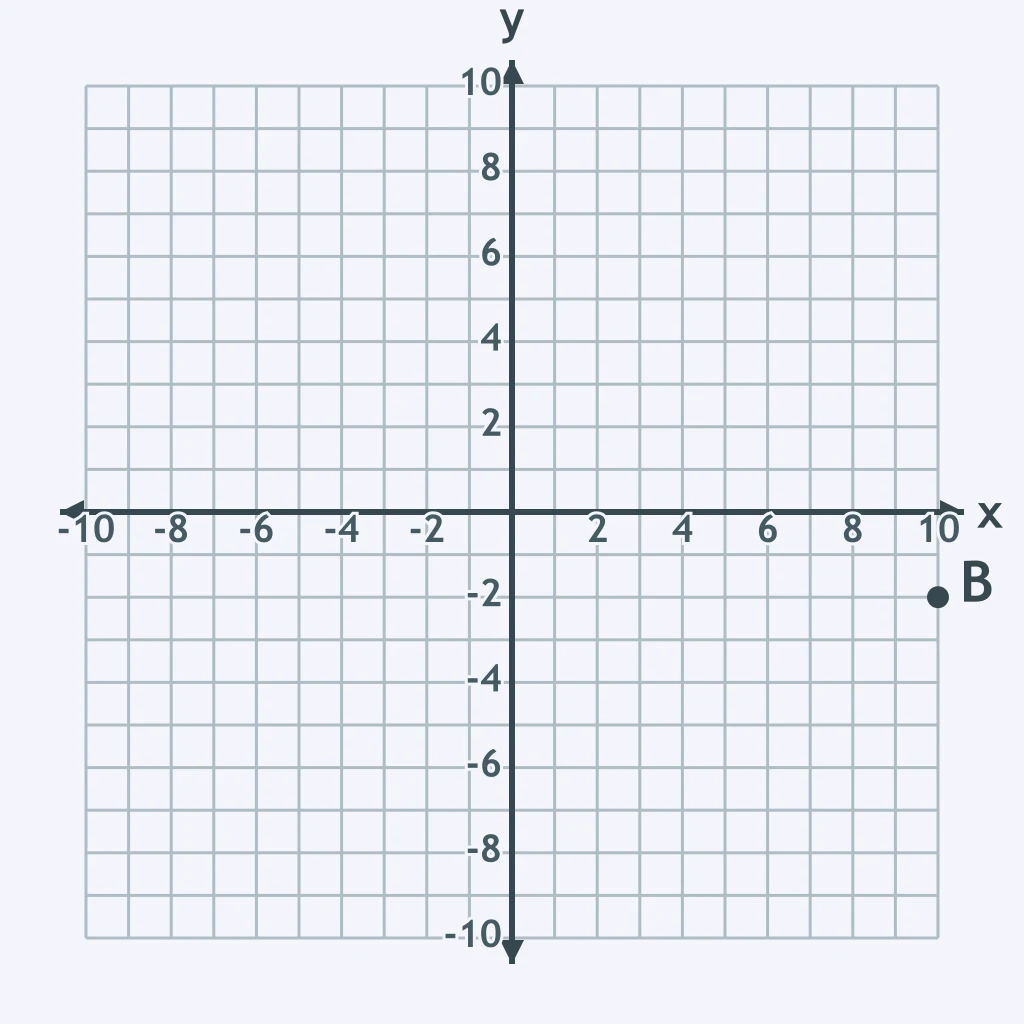
A point is translated by (x, y) -> (x + 4, y - 3) and then rotated 90 degrees counterclockwise about the origin, landing at B(10, -2), shown on the grid. What were the coordinates of the original point?
Point P(-5, -7) is shown on the grid. It is reflected across the x-axis and then translated 6 units right and 1 unit up. What are the coordinates of P''?
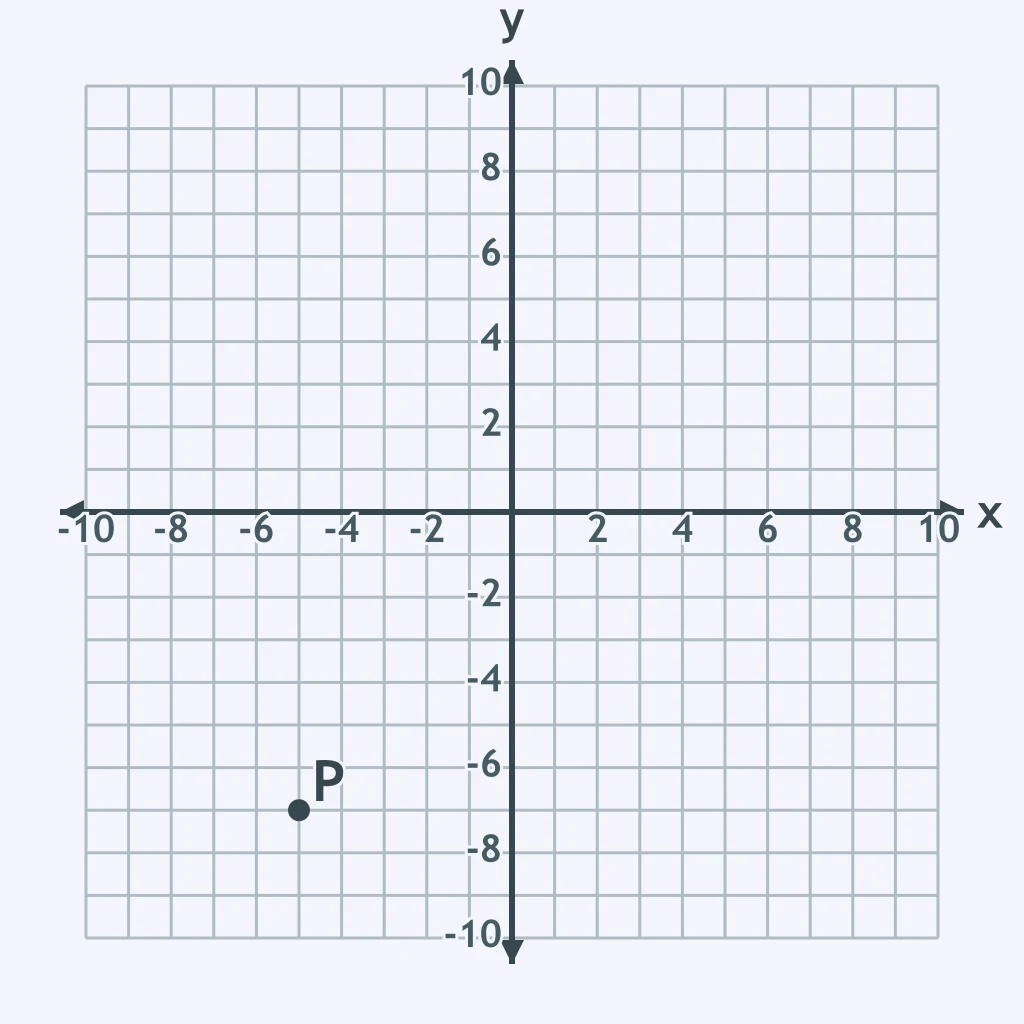
A point is translated by (x, y) -> (x + 4, y - 3) and then rotated 180 degrees about the origin, landing at B(-6, 9), shown on the grid. What were the coordinates of the original point?
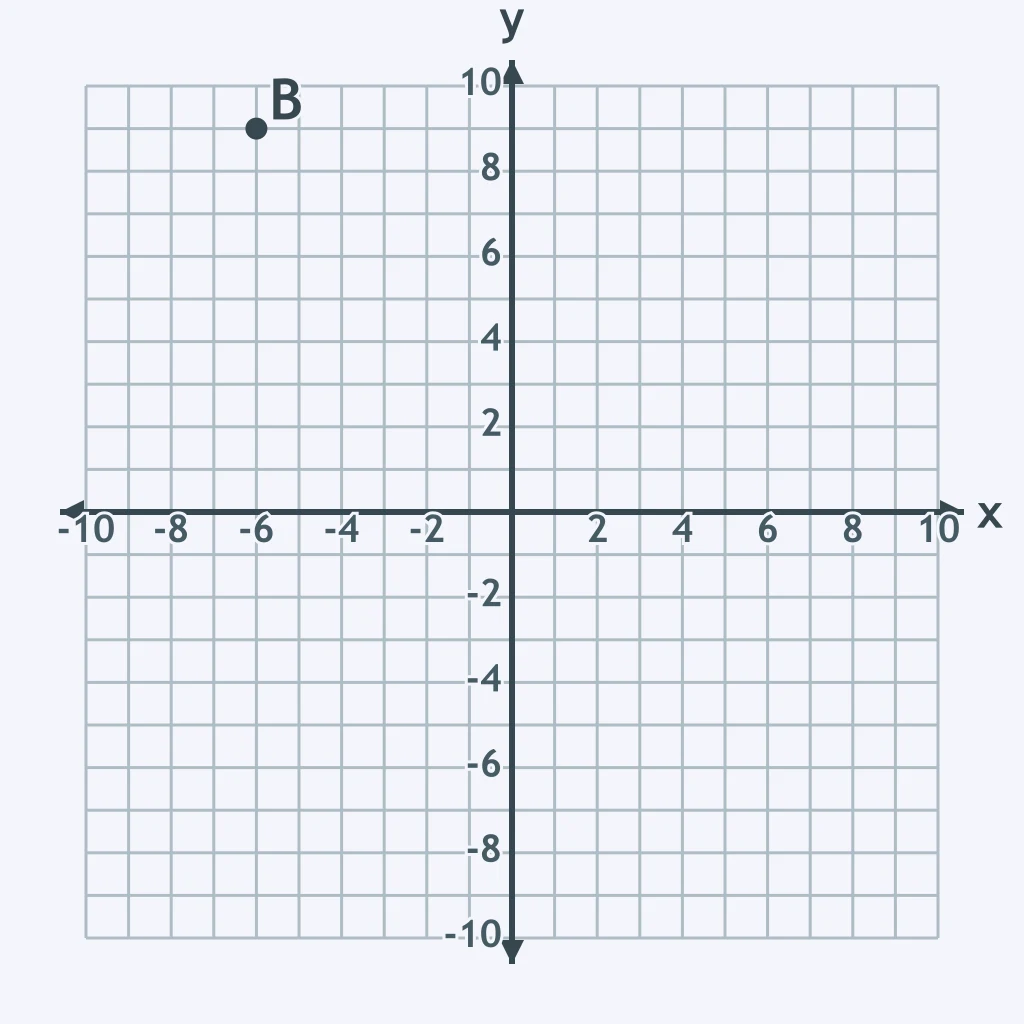
A figure is rotated 90 degrees clockwise about the origin and then rotated 90 degrees clockwise about the origin. Which single transformation gives the same final image?
Point P(3, -6) is shown on the grid. It is reflected across the line y = -x and then translated 3 units left and 5 units down. What are the coordinates of P''?
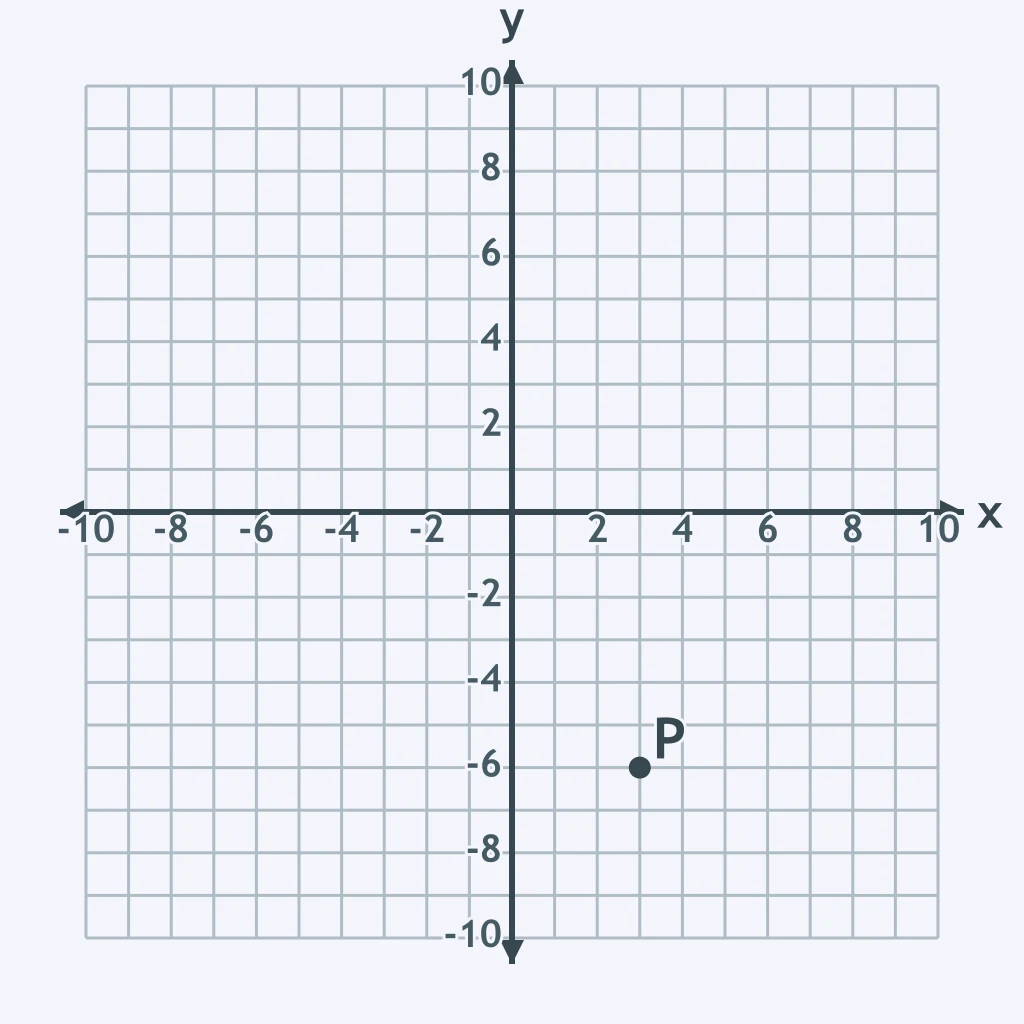
A point is translated by (x, y) -> (x - 5, y + 6) and then rotated 180 degrees about the origin, landing at B(9, -8), shown on the grid. What were the coordinates of the original point?
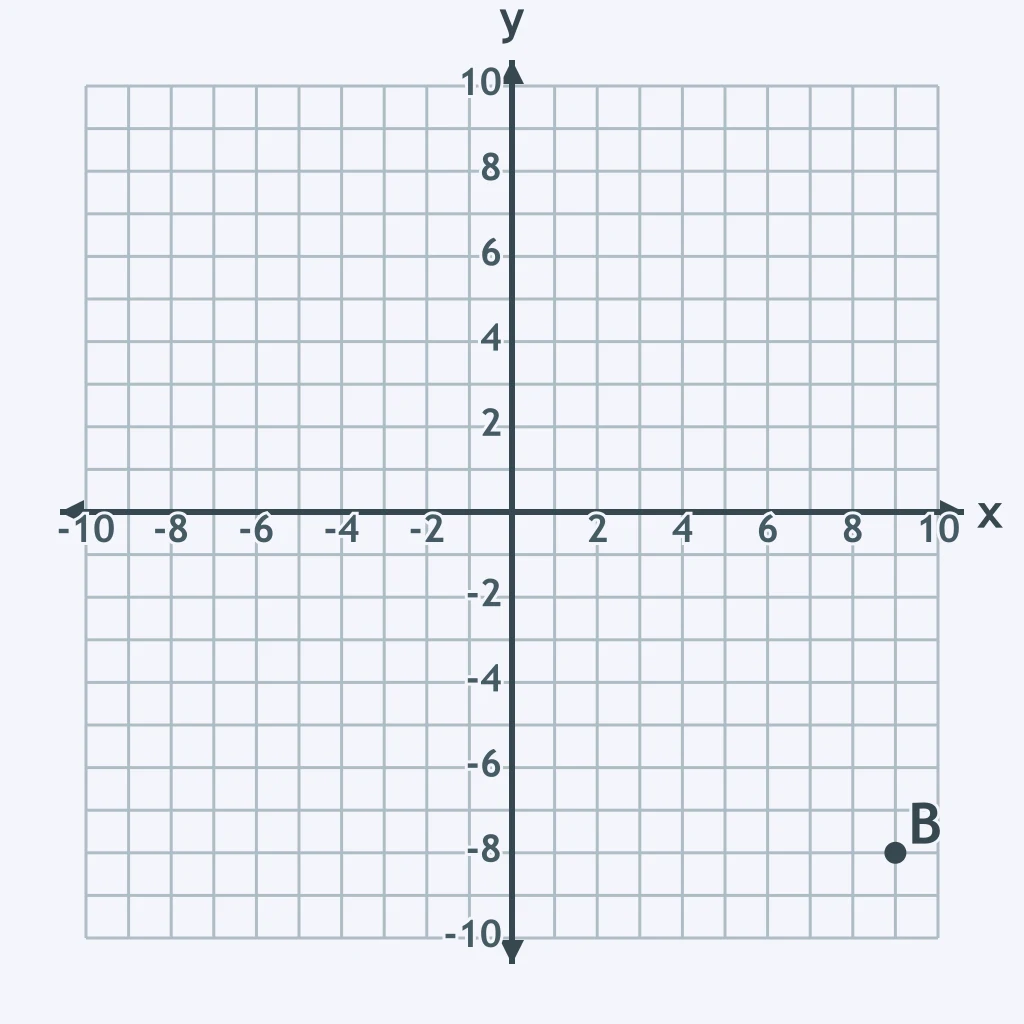
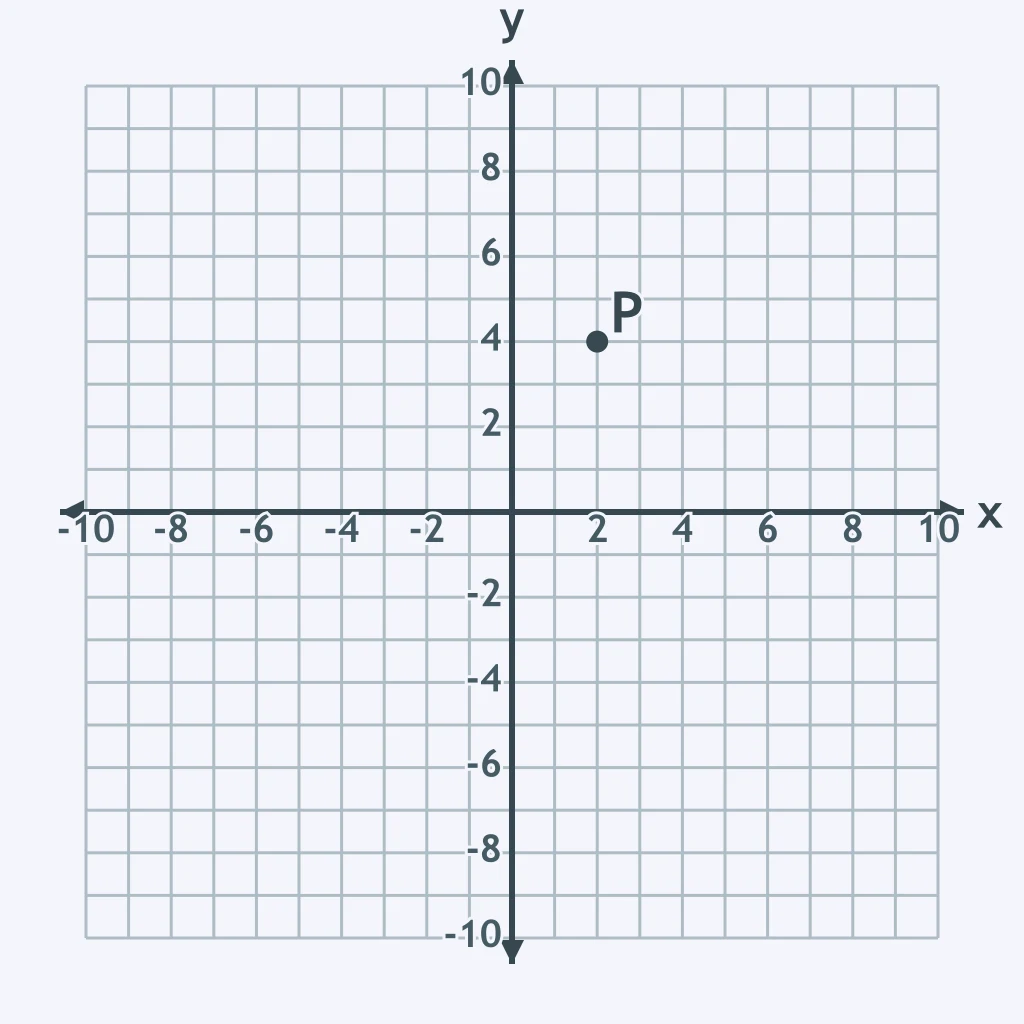
A point is translated by (x, y) -> (x + 4, y - 3) and then rotated 90 degrees counterclockwise about the origin, landing at B(2, 8), shown on the grid. What were the coordinates of the original point?
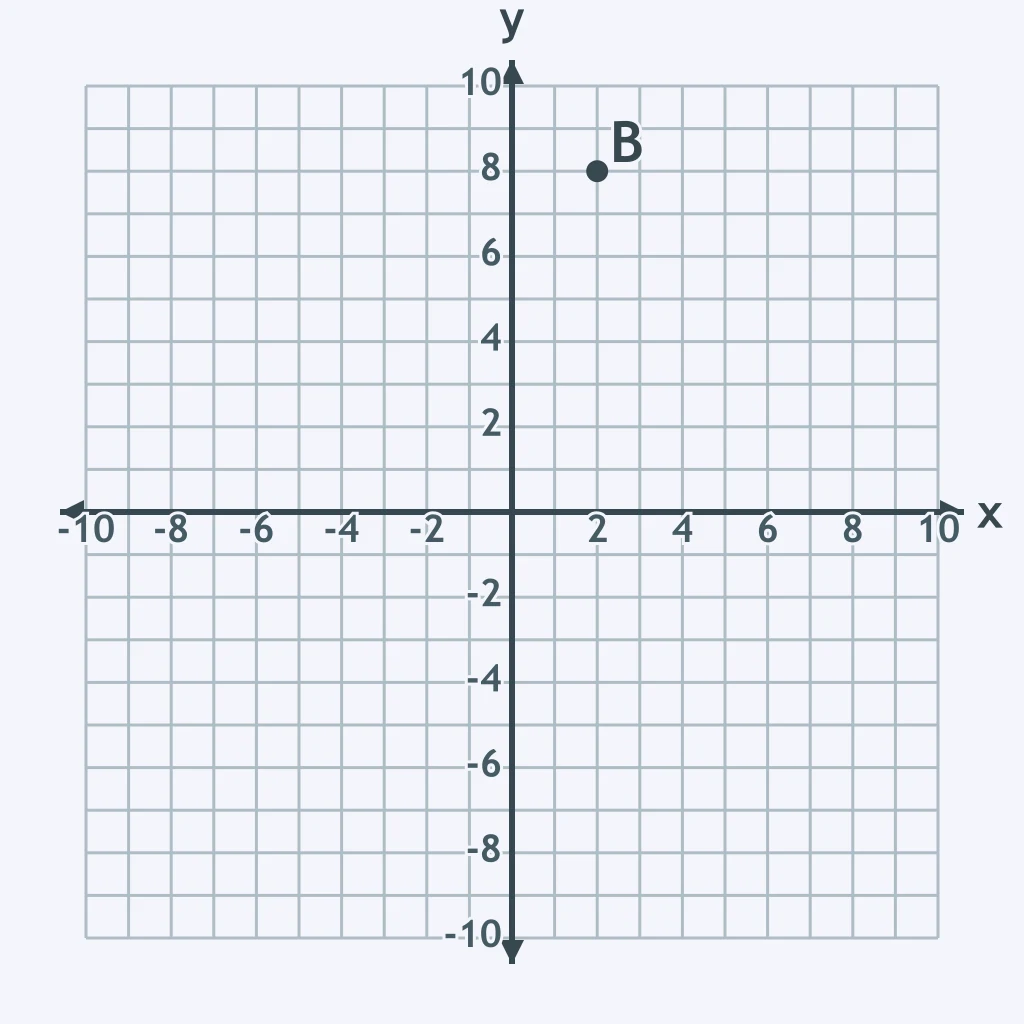
Point P(2, 4) is shown on the grid. It is reflected across the line y = x and then translated 3 units right and 5 units up. What are the coordinates of P''?
A figure is rotated 90 degrees counterclockwise about the origin and then rotated 90 degrees counterclockwise about the origin. Which single transformation gives the same final image?
A figure is reflected across the line y = x and then reflected across the x-axis. Which single transformation gives the same final image?
A figure is reflected across the x-axis and then reflected across the line y = x. Which single transformation gives the same final image?
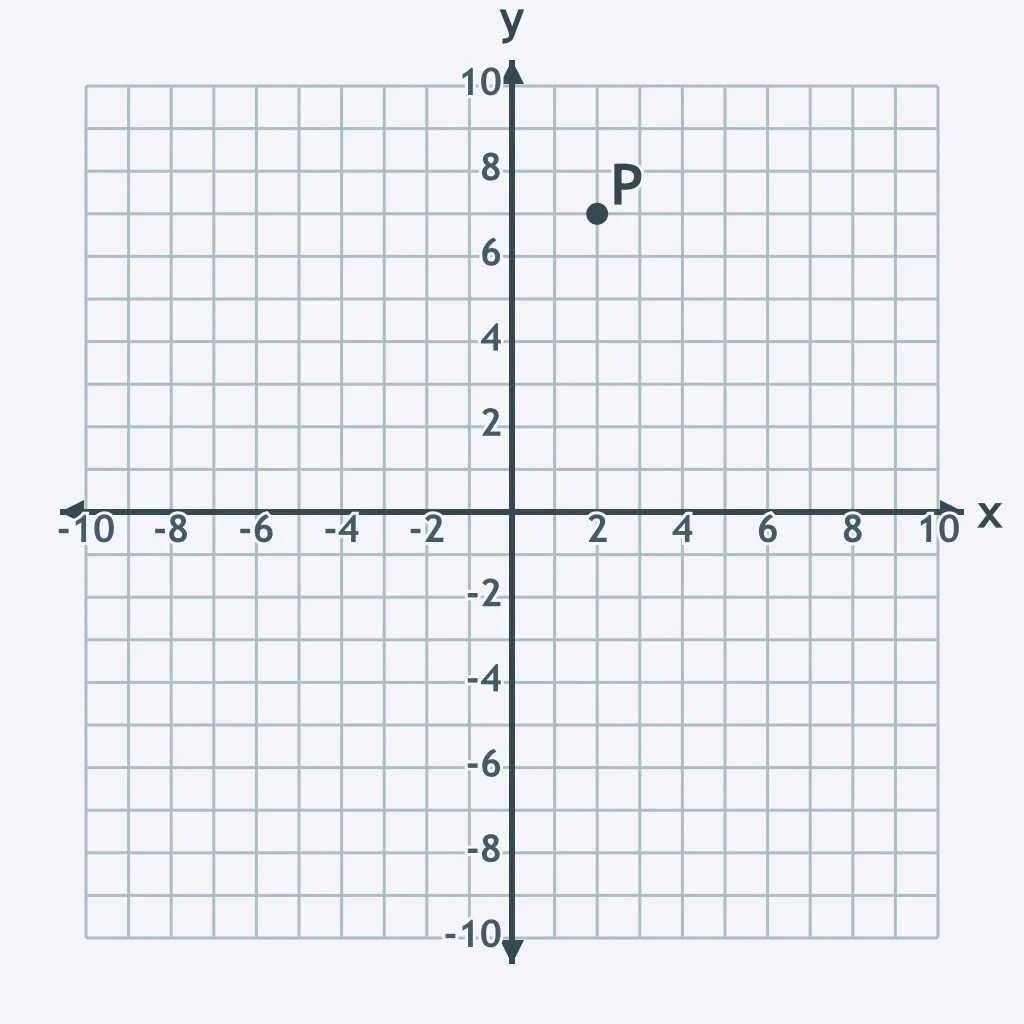
Point P(2, 7) is shown on the grid. It is reflected across the y-axis and then translated 7 units left and 2 units up. What are the coordinates of P''?
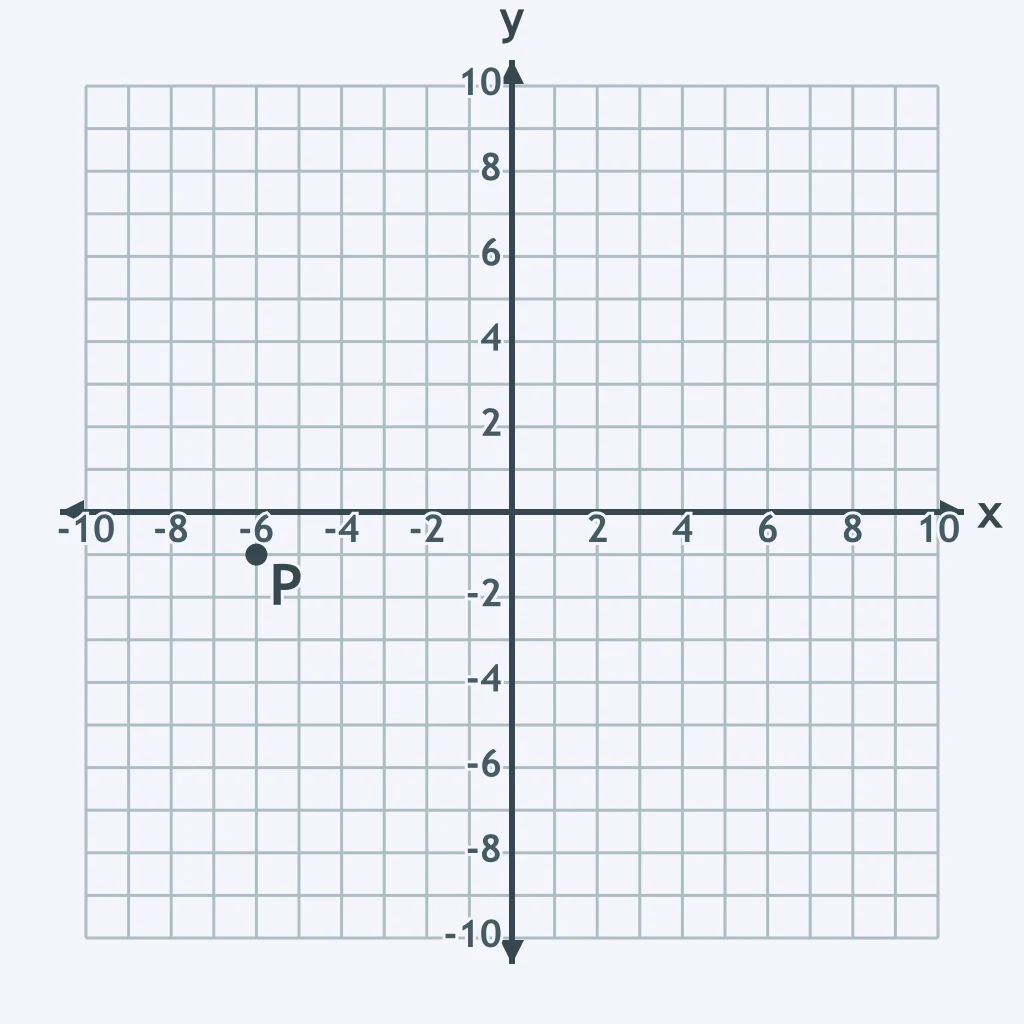
Point P(-6, -1) is shown on the grid. It is reflected across the x-axis and then translated 5 units right and 4 units up. What are the coordinates of P''?
Point P(3, -2) is shown on the grid. It is reflected across the line y = -x and then translated 6 units left and 2 units down. What are the coordinates of P''?
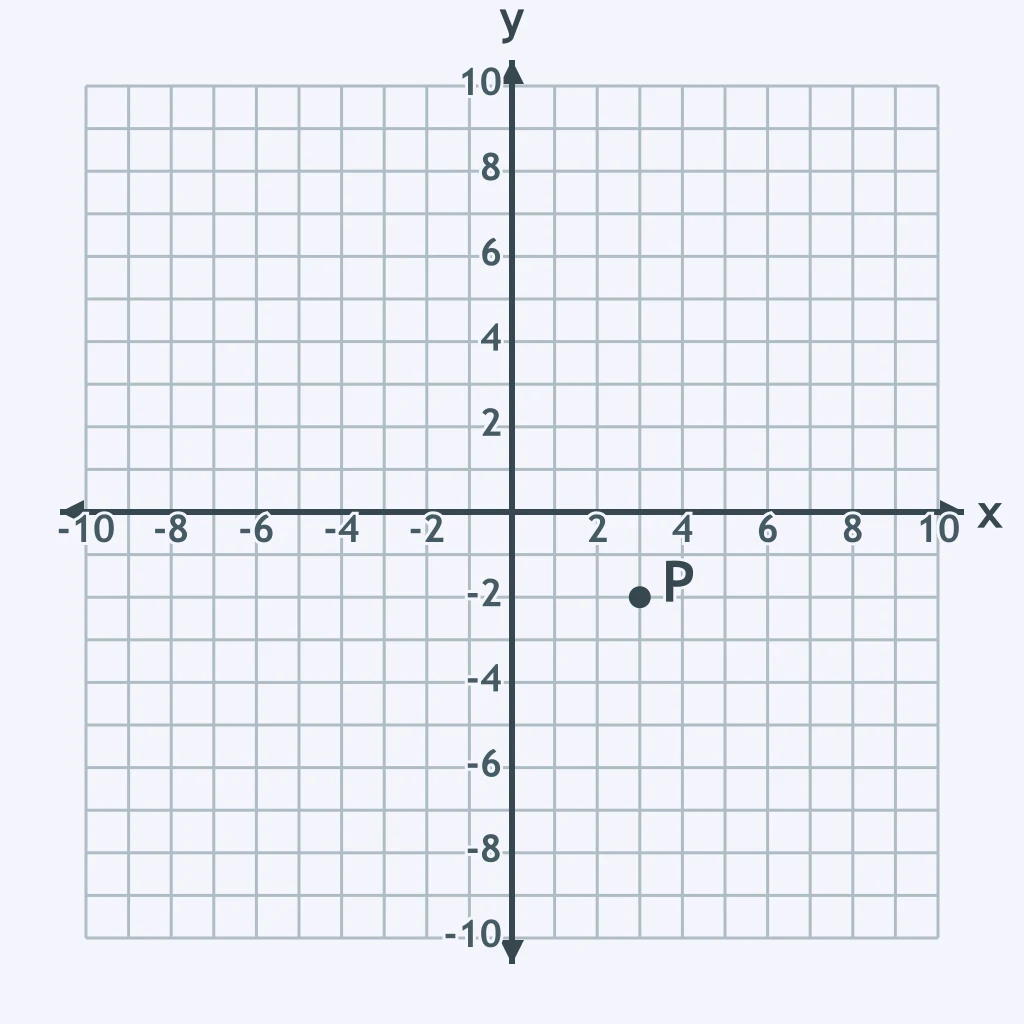
A figure is reflected across the y-axis and then reflected across the line y = x. Which single transformation gives the same final image?
A figure is reflected across the x-axis and then reflected across the y-axis. Which single transformation gives the same final image?
Point P(4, -5) is shown on the grid. It is reflected across the line y = x and then translated 1 unit right and 7 units down. What are the coordinates of P''?
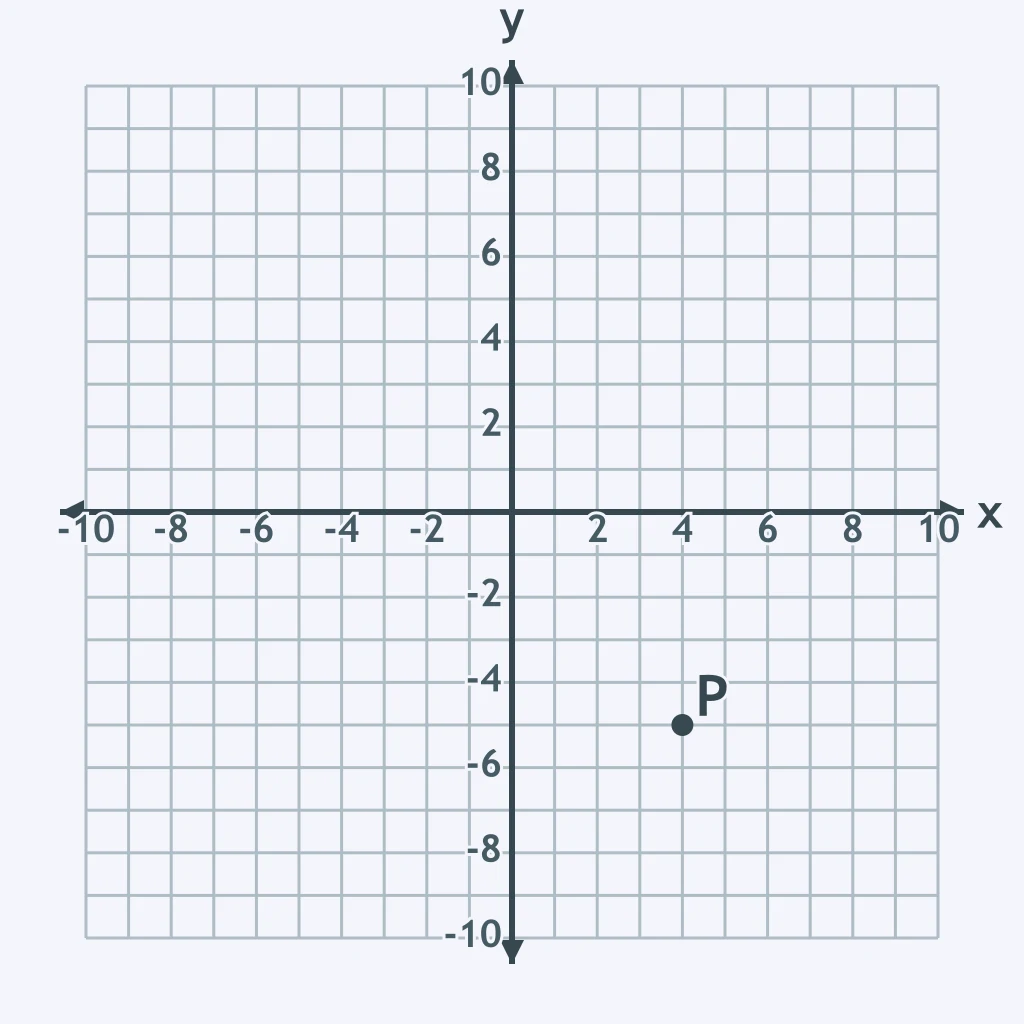
A point is translated by (x, y) -> (x + 4, y - 3) and then rotated 90 degrees clockwise about the origin, landing at B(-2, -7), shown on the grid. What were the coordinates of the original point?
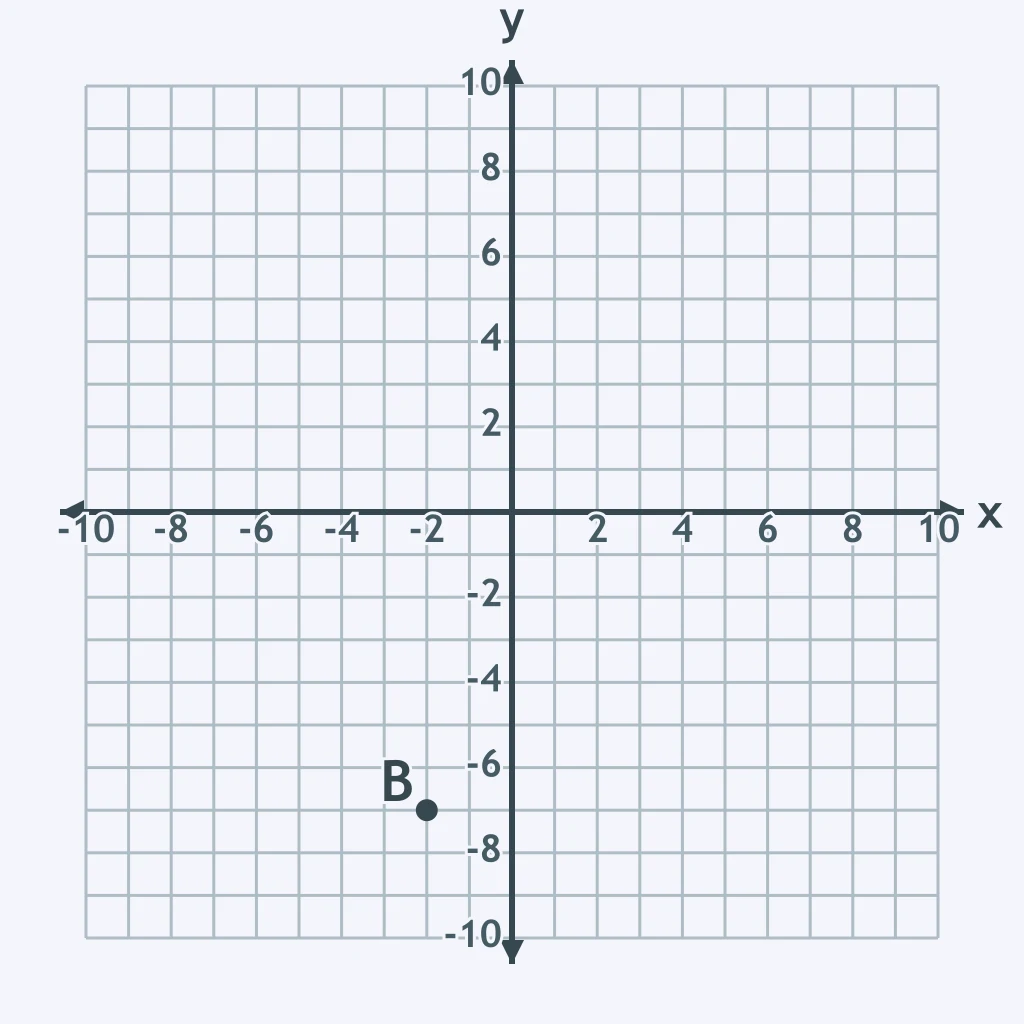
Point P(-1, 3) is shown on the grid. It is reflected across the y-axis and then translated 4 units left and 3 units up. What are the coordinates of P''?
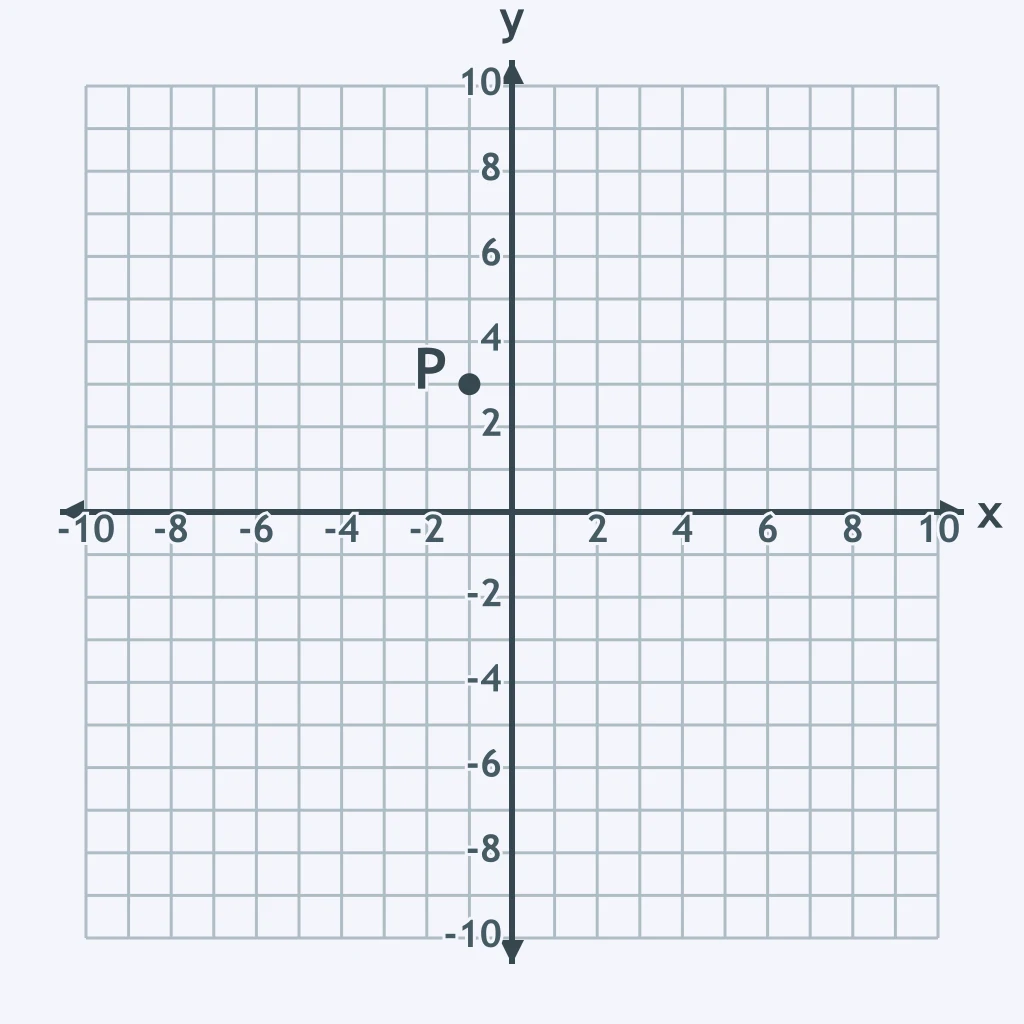
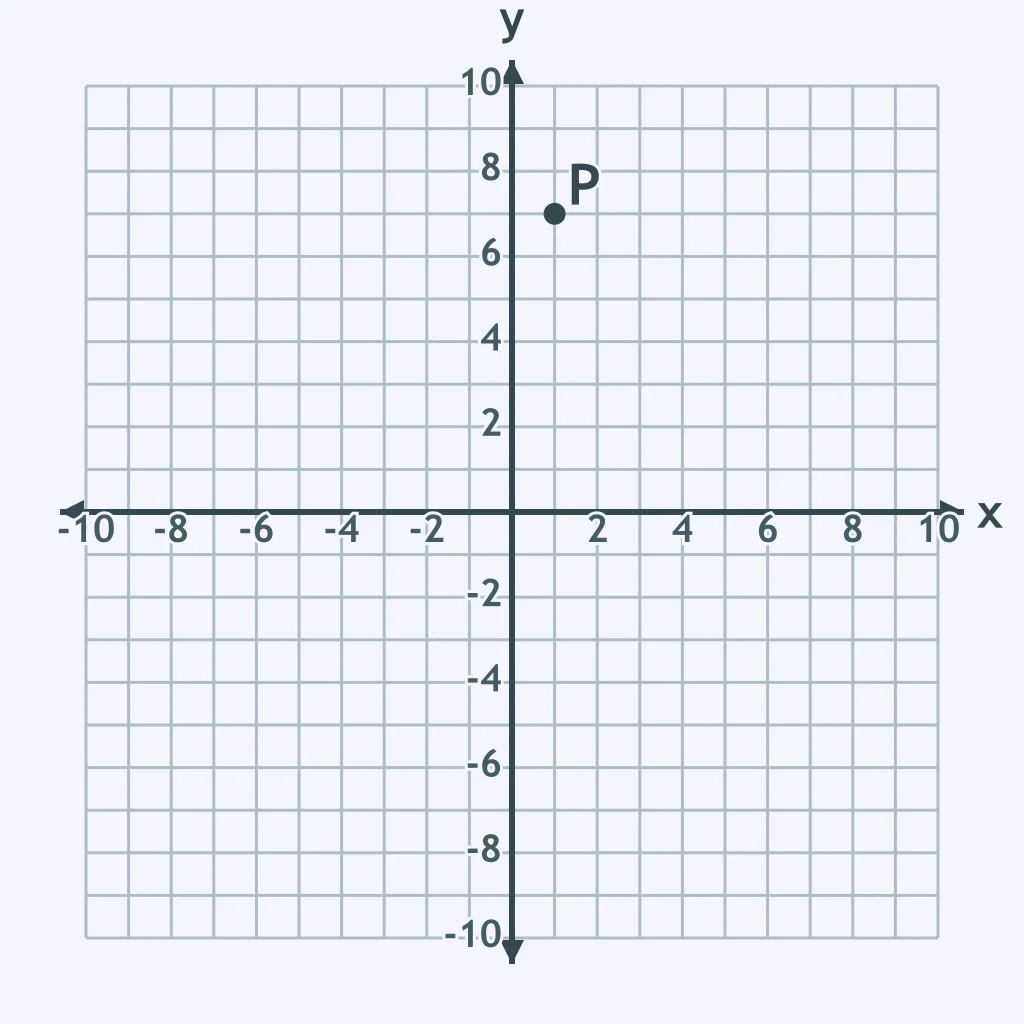
Point P(1, 7) is shown on the grid. It is reflected across the line y = -x and then translated 2 units left and 4 units down. What are the coordinates of P''?
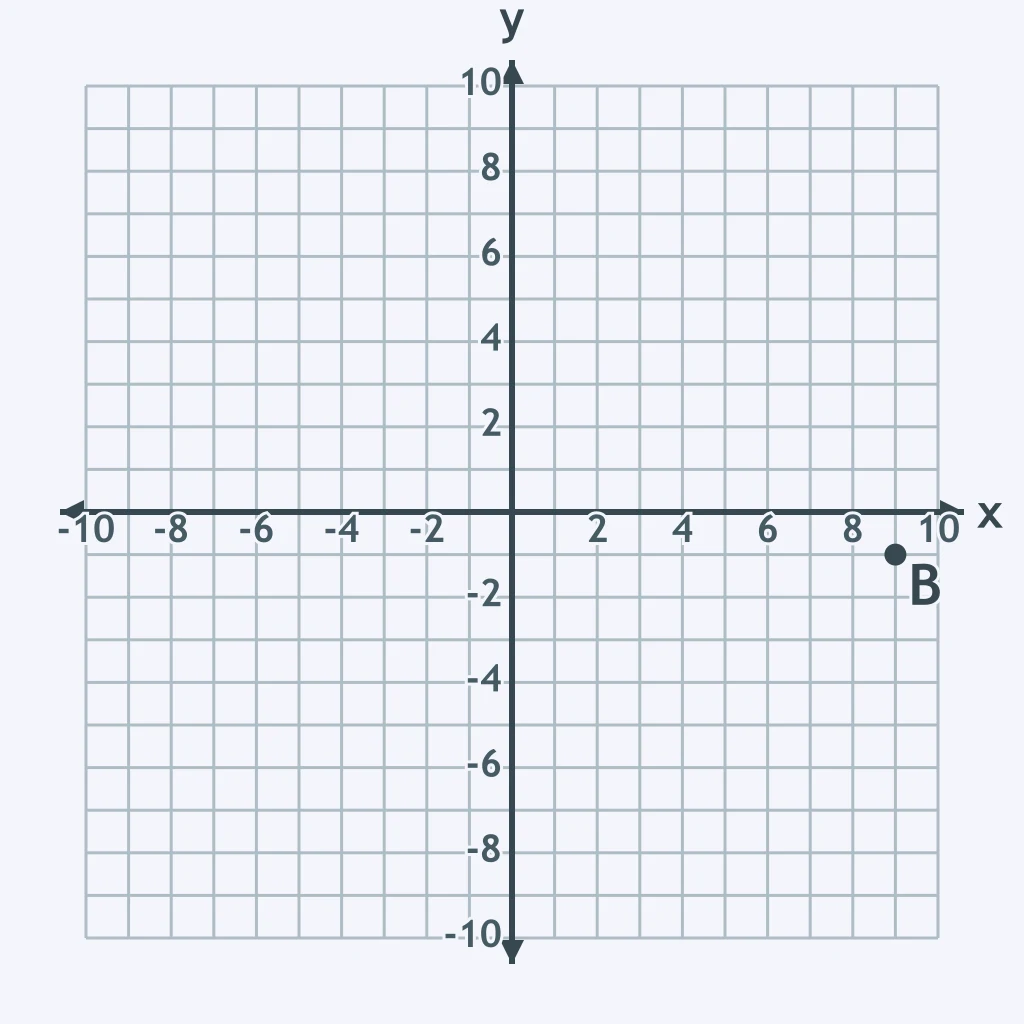
A point is translated by (x, y) -> (x + 4, y - 3) and then rotated 90 degrees counterclockwise about the origin, landing at B(9, -1), shown on the grid. What were the coordinates of the original point?
A figure is rotated 90 degrees clockwise about the origin and then reflected across the x-axis. Which single transformation gives the same final image?
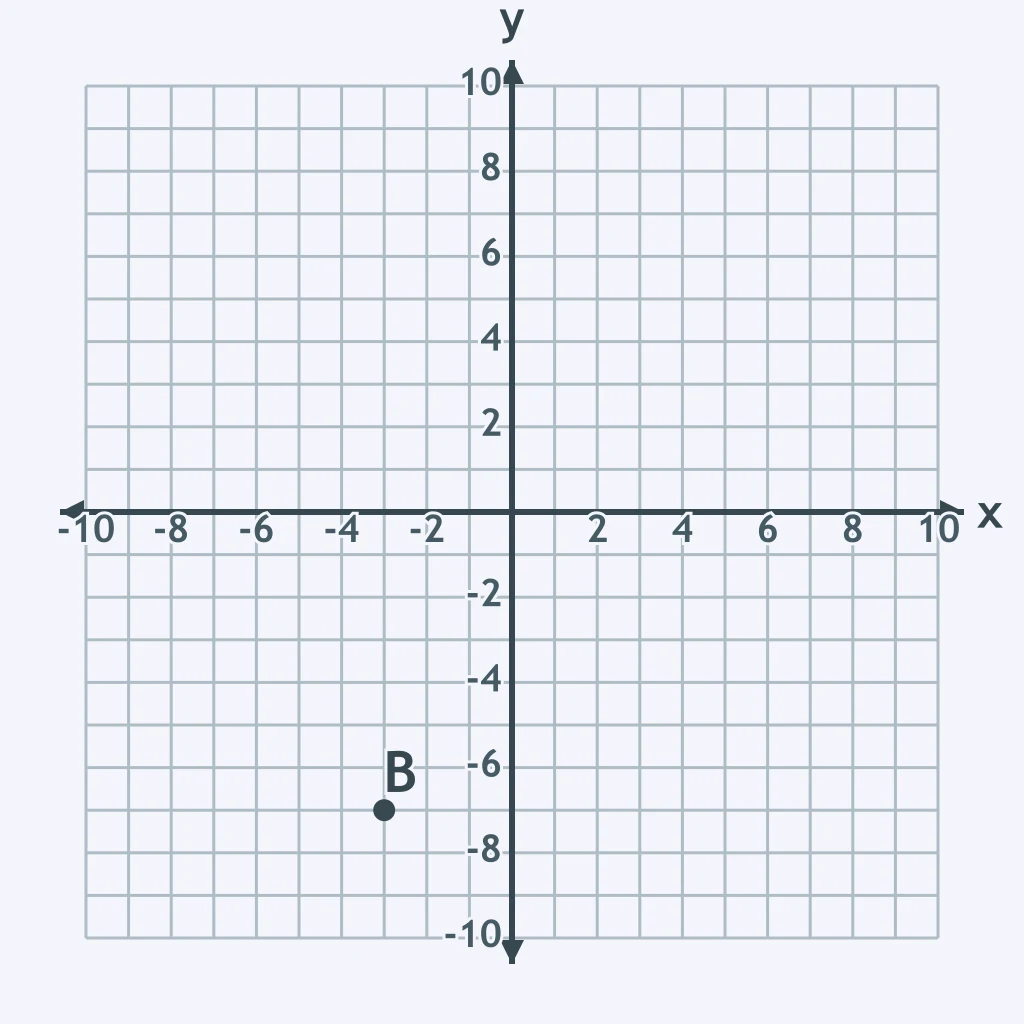
A point is translated by (x, y) -> (x - 5, y + 6) and then rotated 90 degrees counterclockwise about the origin, landing at B(-3, -7), shown on the grid. What were the coordinates of the original point?
A figure is reflected across the line y = -x and then reflected across the y-axis. Which single transformation gives the same final image?
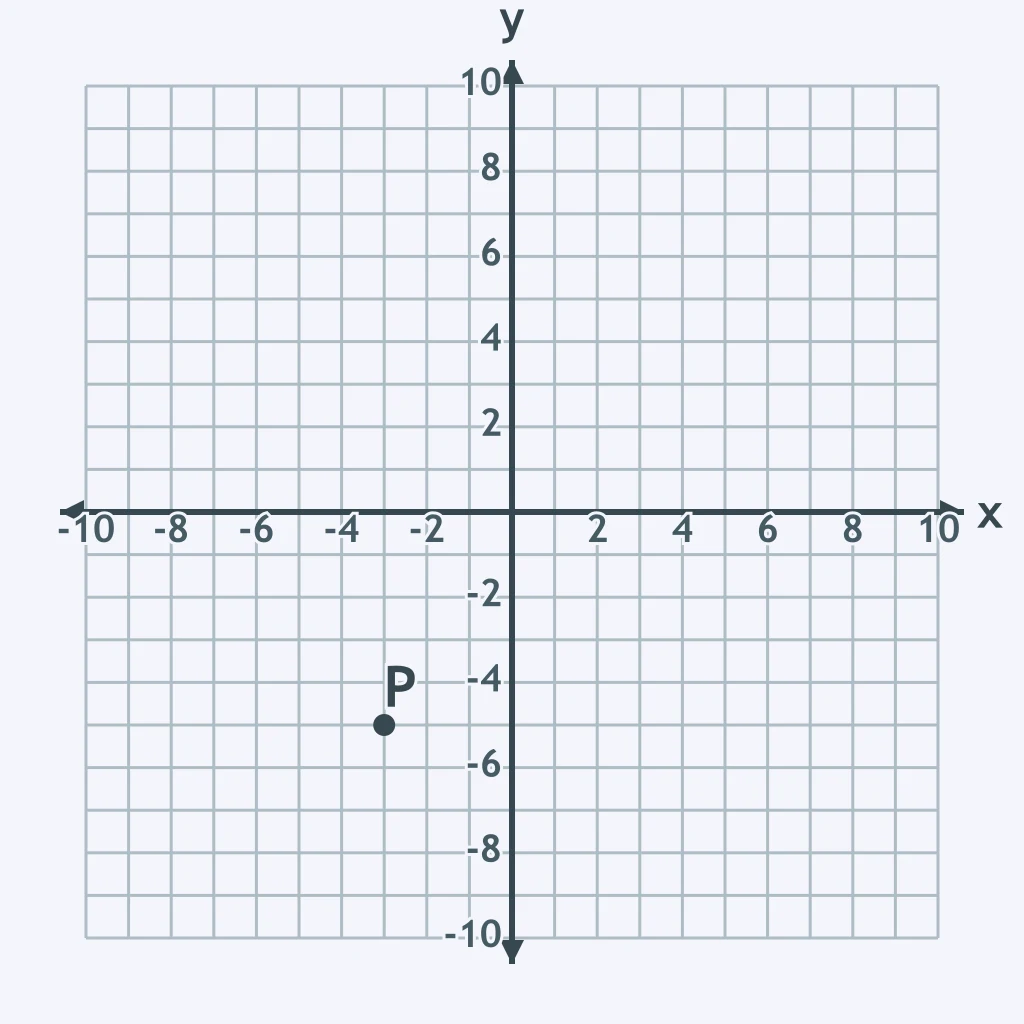
Point P(-3, -5) is shown on the grid. It is reflected across the line y = x and then translated 1 unit right and 7 units down. What are the coordinates of P''?
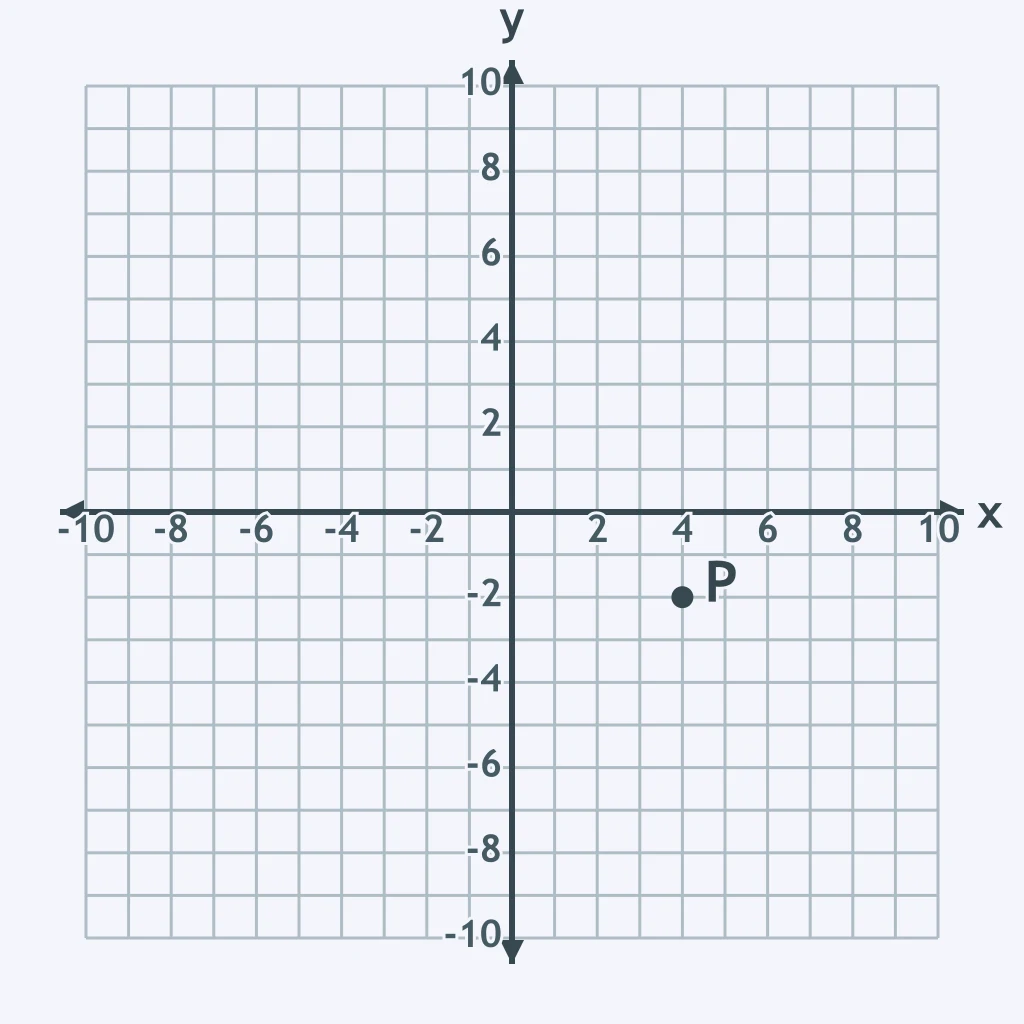
Point P(4, -2) is shown on the grid. It is reflected across the y-axis and then translated 5 units left and 6 units up. What are the coordinates of P''?
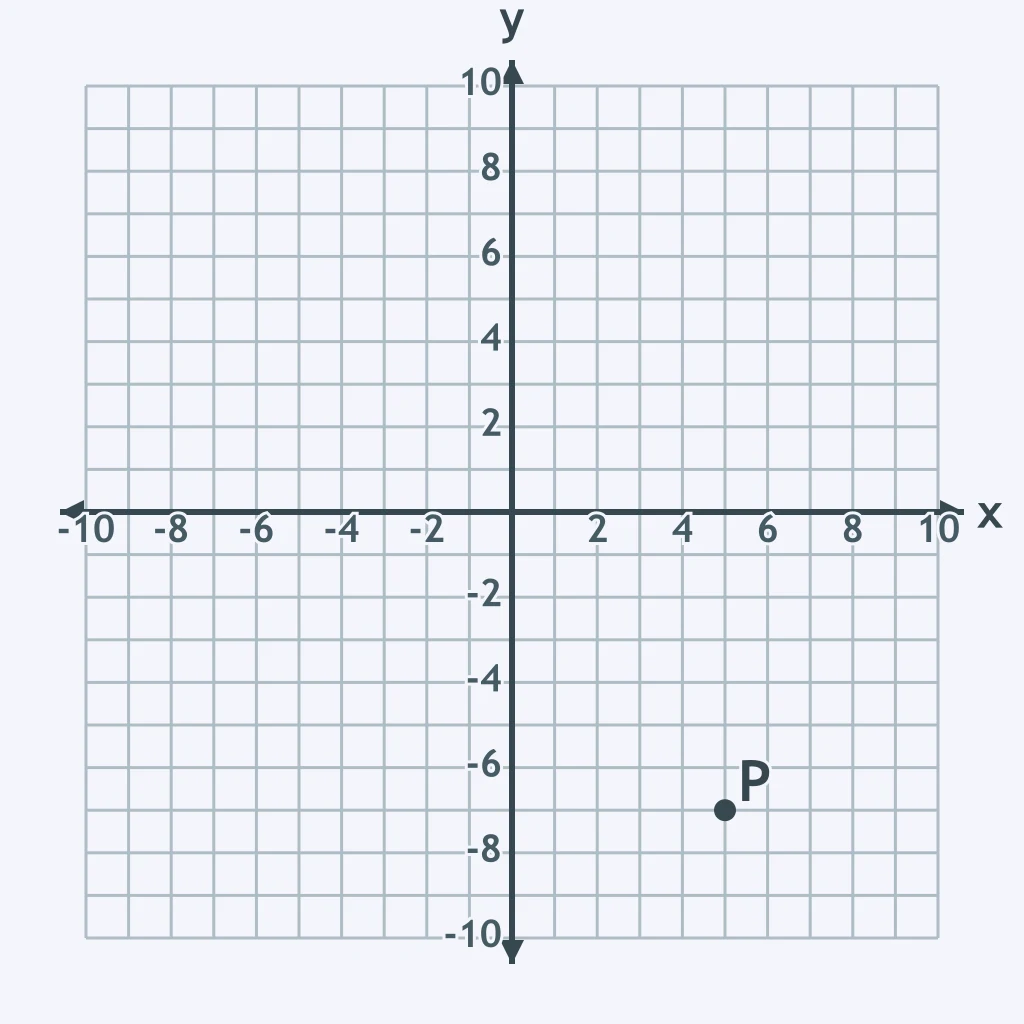
Point P(5, -7) is shown on the grid. It is reflected across the line y = x and then translated 1 unit right and 7 units down. What are the coordinates of P''?
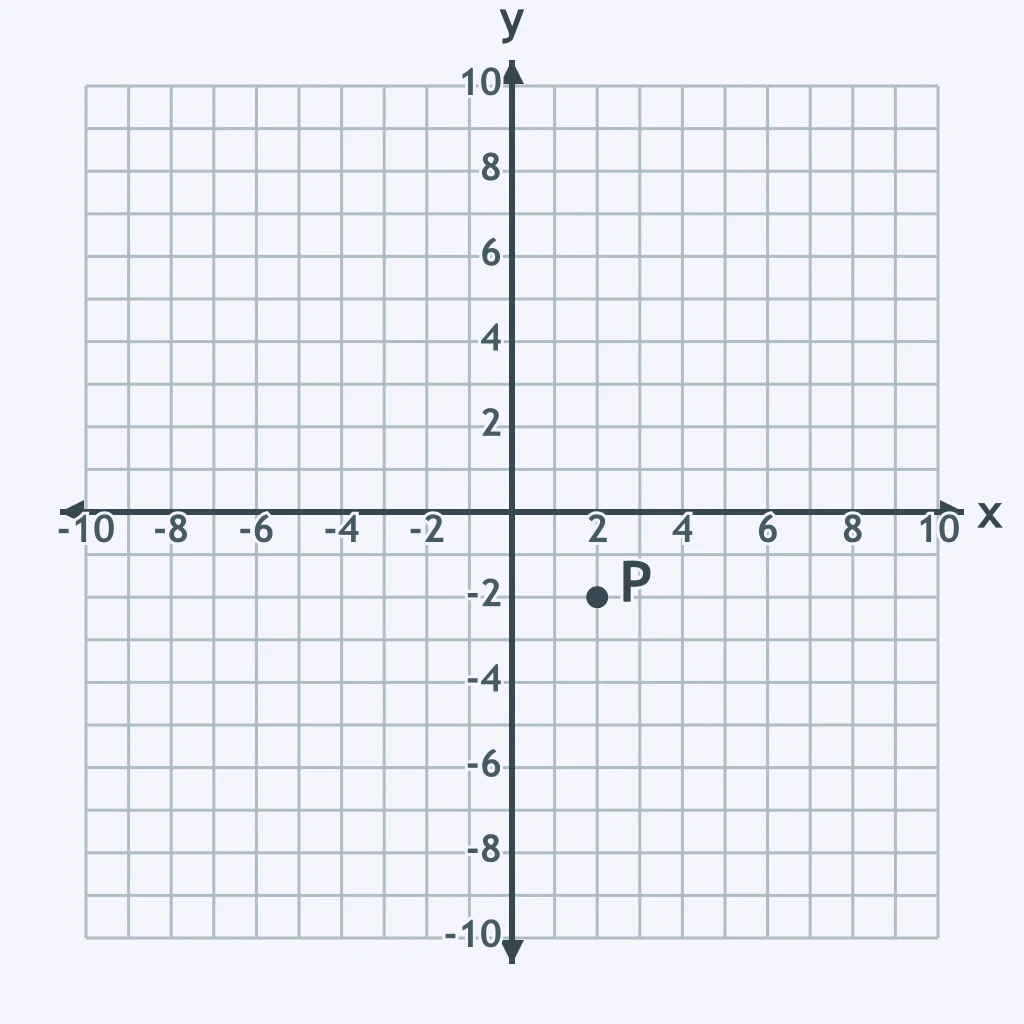
Point P(2, -2) is shown on the grid. It is reflected across the y-axis and then translated 4 units left and 3 units up. What are the coordinates of P''?
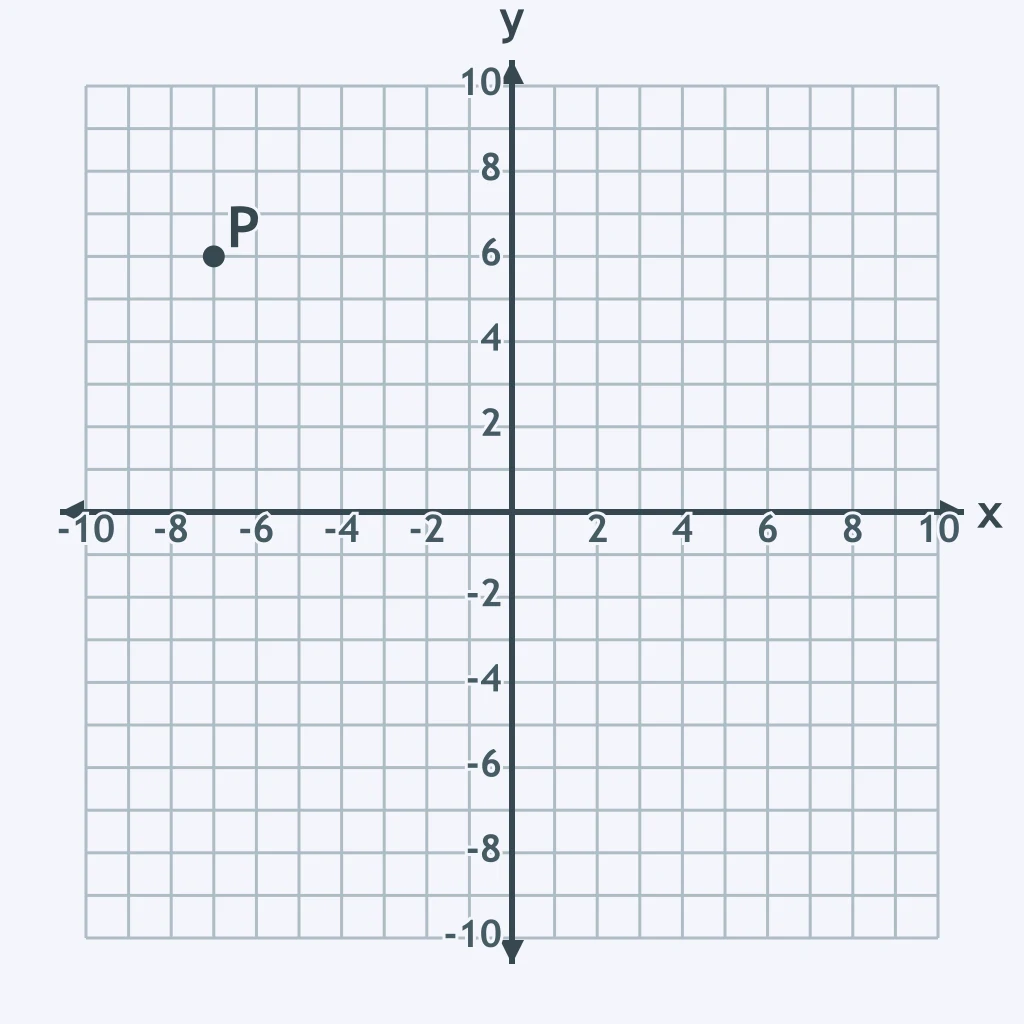
Point P(-7, 6) is shown on the grid. It is reflected across the x-axis and then translated 4 units right and 3 units down. What are the coordinates of P''?
Point P(-7, -5) is shown on the grid. It is reflected across the line y = x and then translated 3 units right and 5 units up. What are the coordinates of P''?
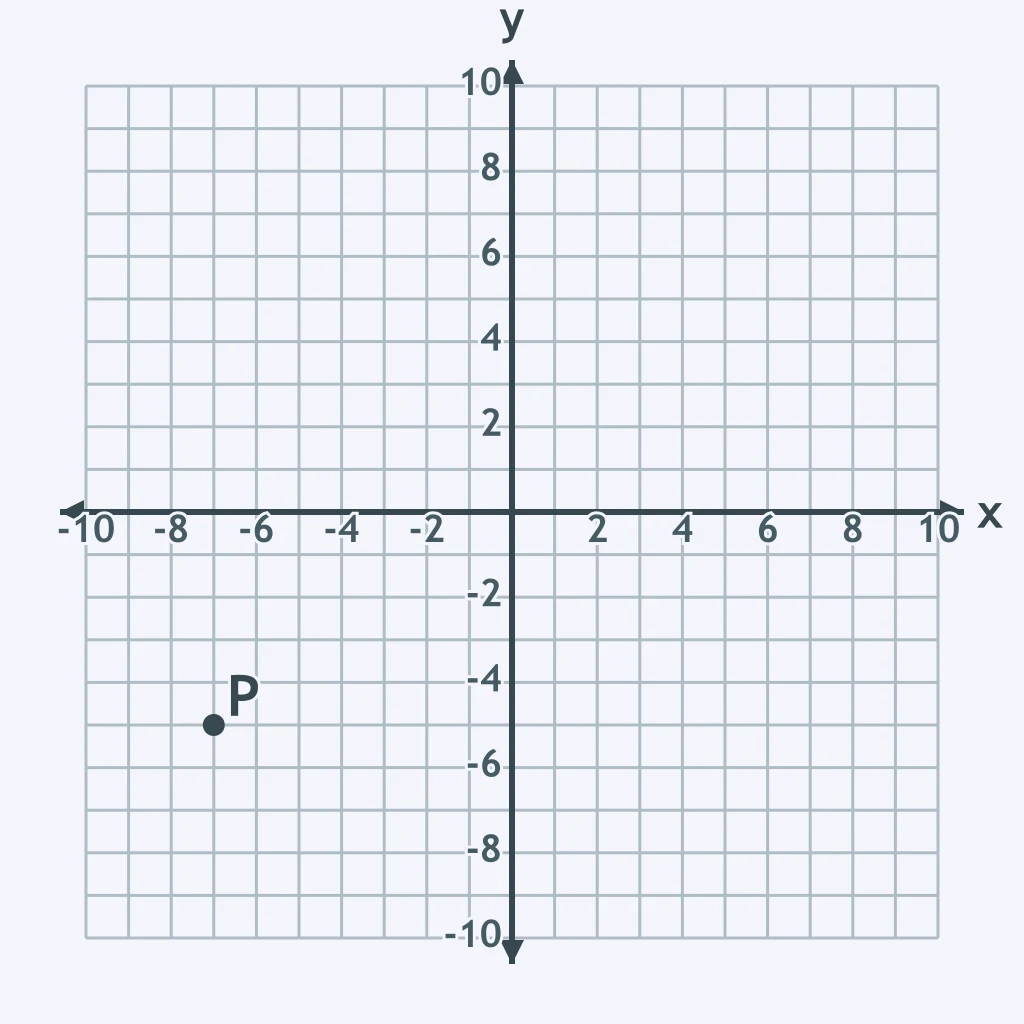
A figure is rotated 90 degrees counterclockwise about the origin and then rotated 180 degrees about the origin. Which single transformation gives the same final image?
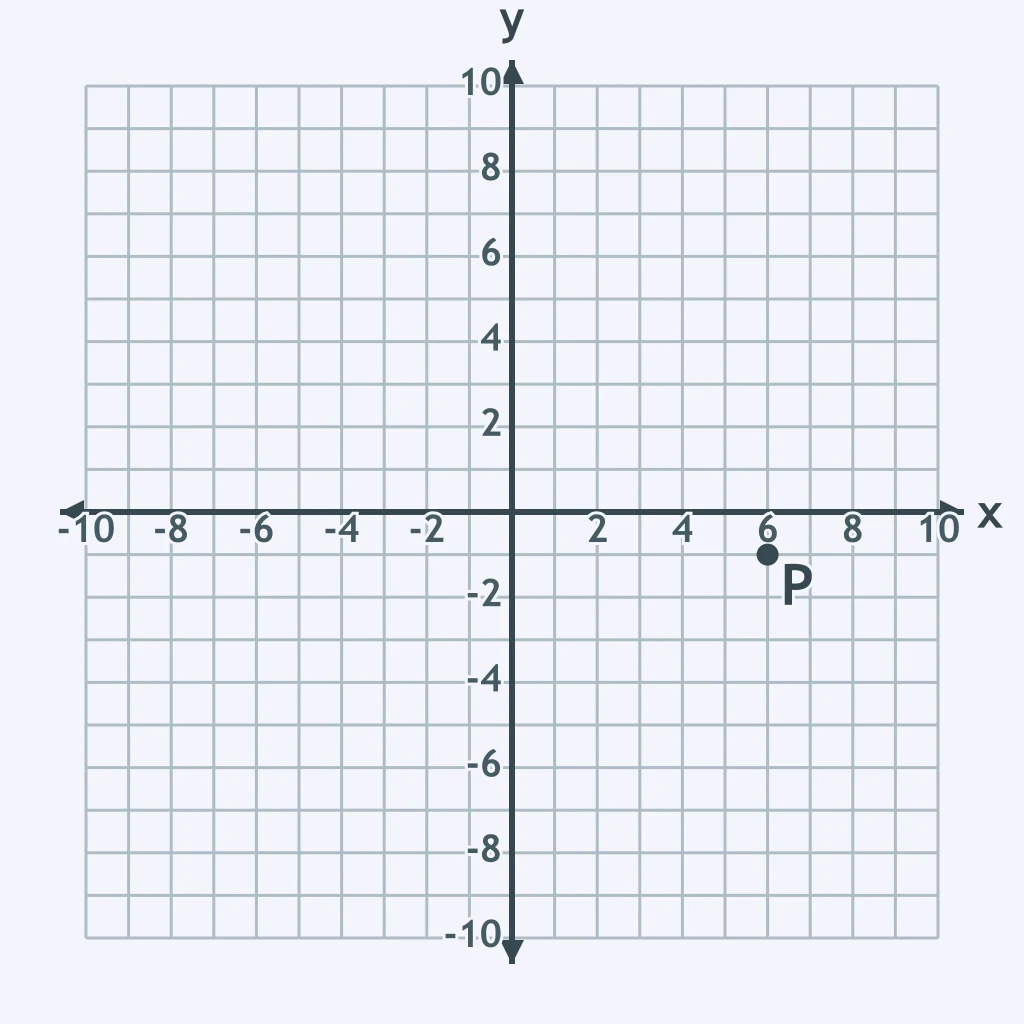
Point P(6, -1) is shown on the grid. It is reflected across the line y = x and then translated 2 units right and 6 units down. What are the coordinates of P''?
A figure is reflected across the line y = x and then reflected across the y-axis. Which single transformation gives the same final image?
Crack the passcode before the zombies get in.
Answer, then swat bugs for bonus points.
Race through questions at your own speed.
Same question on every screen. Fastest wins.

Pick a tile, answer, hit bonuses and steals.
Line and Rotational Symmetry
40 questions