Loading
by BlastRoom
Explore how geography shapes where communities form, how people adapt and modify their environment, and why conservation matters.
#geography#us_grade_3_social_studies
40 questions
One question set, multiple game modes. Tap any game to see it in action. Not sure which to pick?
What part of a map tells you what each symbol means?
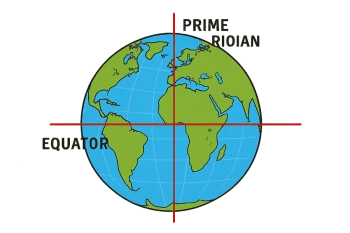
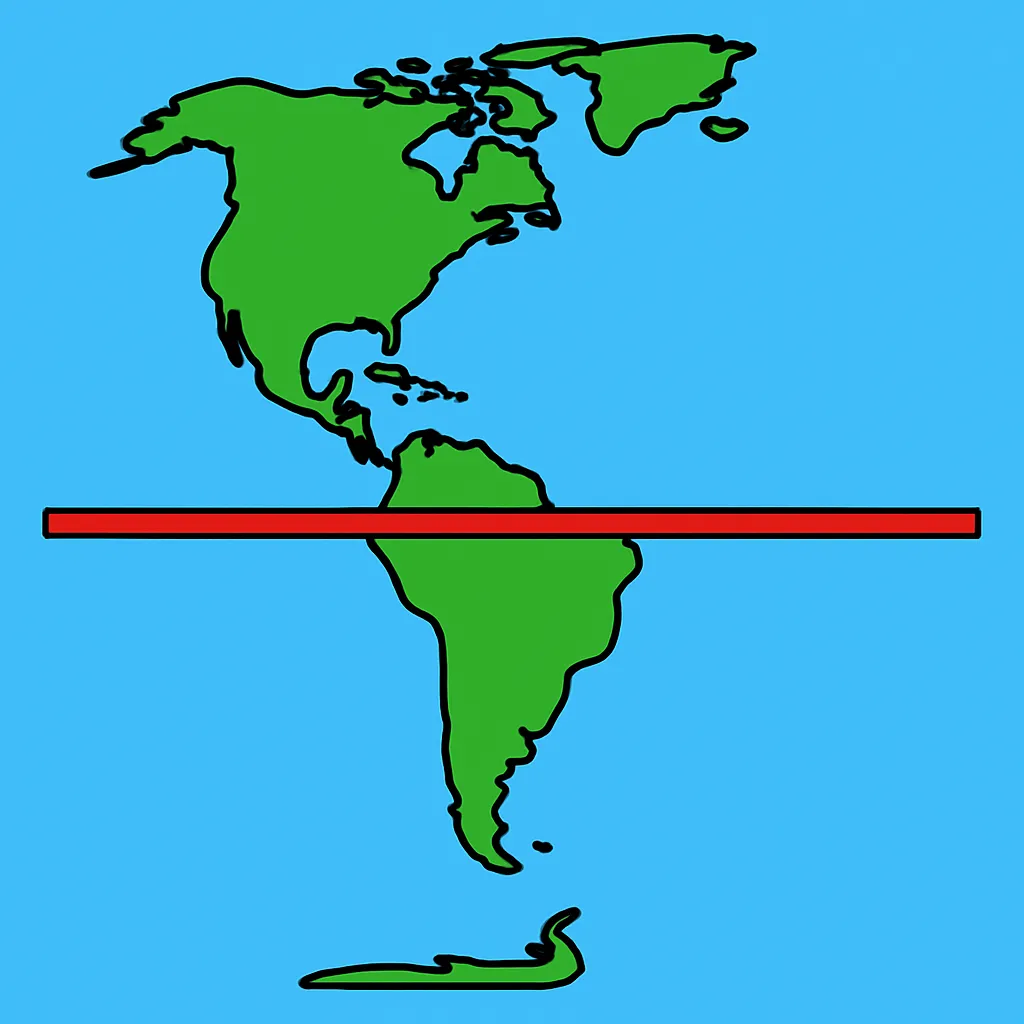
The equator divides Earth into the Northern and Southern hemispheres.
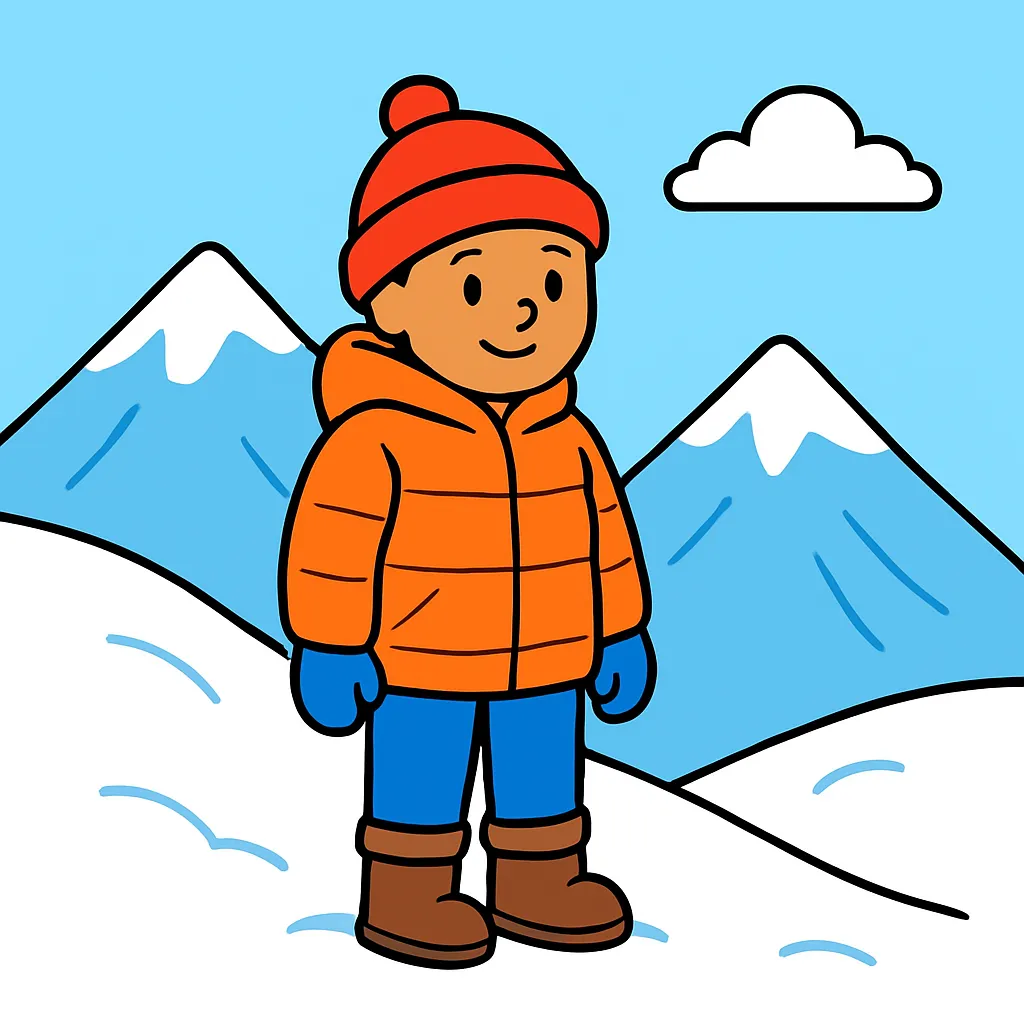
People who live near a cold, snowy mountain wear warm coats and boots. This is an example of people ______ their environment.
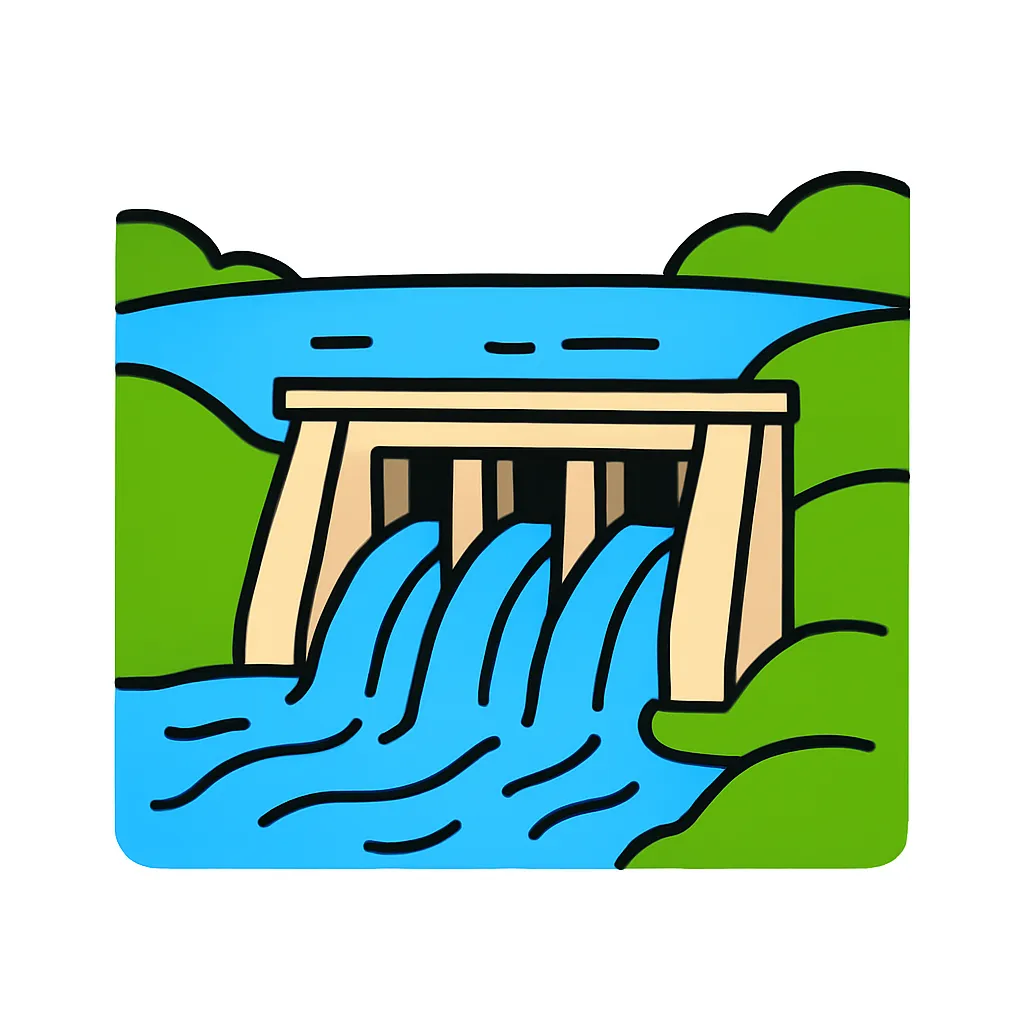
A town builds a dam across a river to create a lake. This is an example of people ______ their environment.
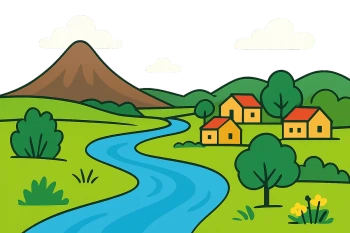
Why do many communities form near rivers?
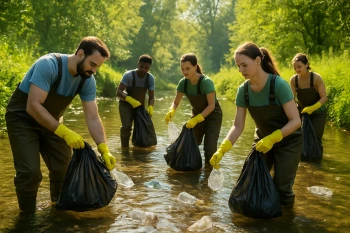
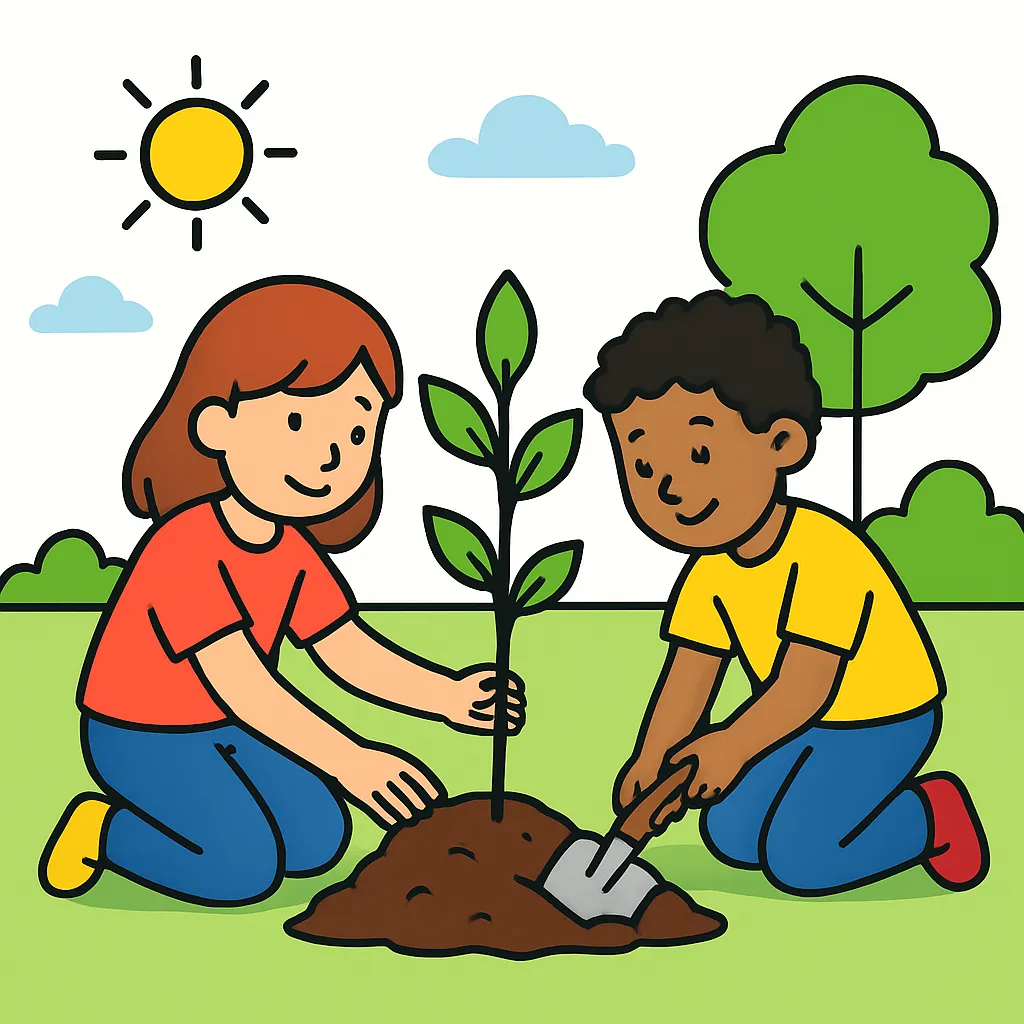
Protecting forests, water, and land so they last for future generations is called ______.
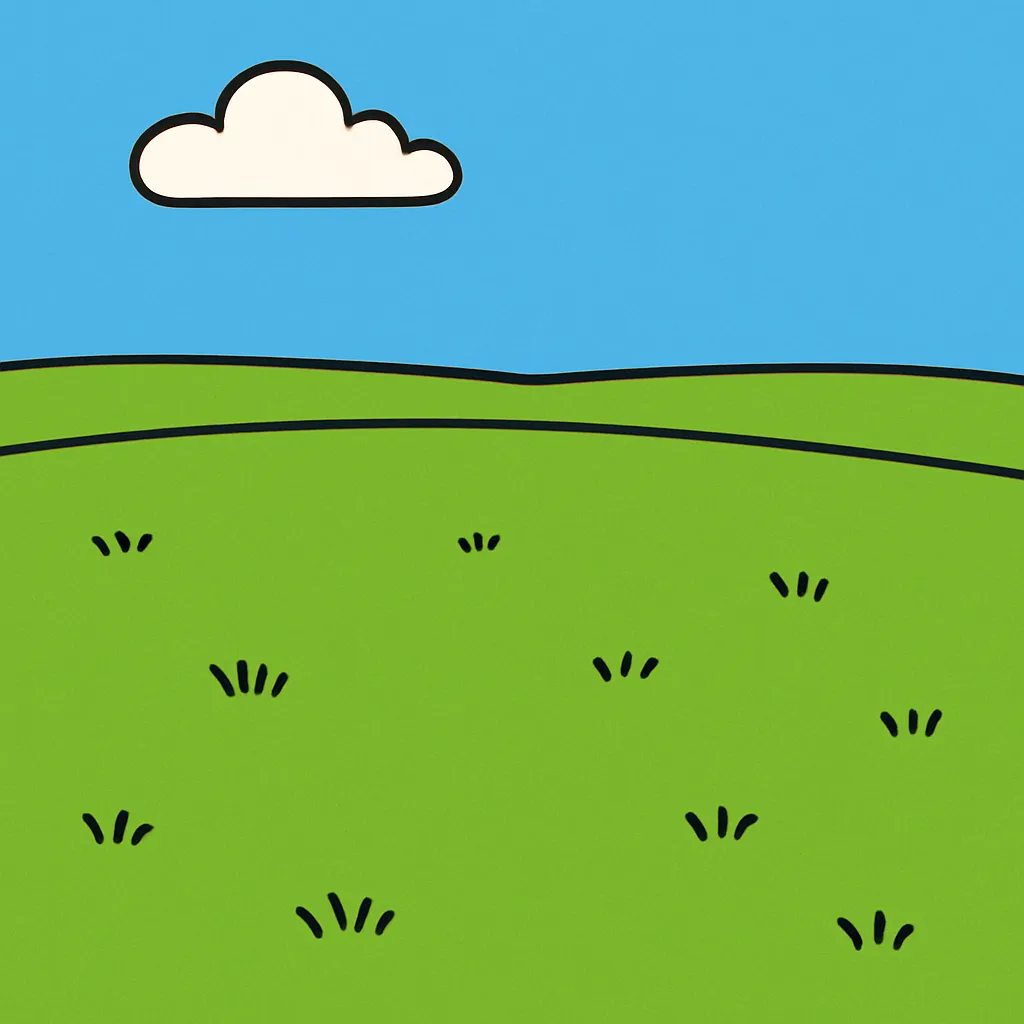
A flat, wide area of land with few trees is called a ______.
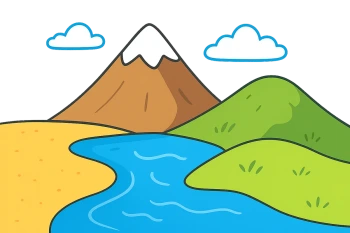
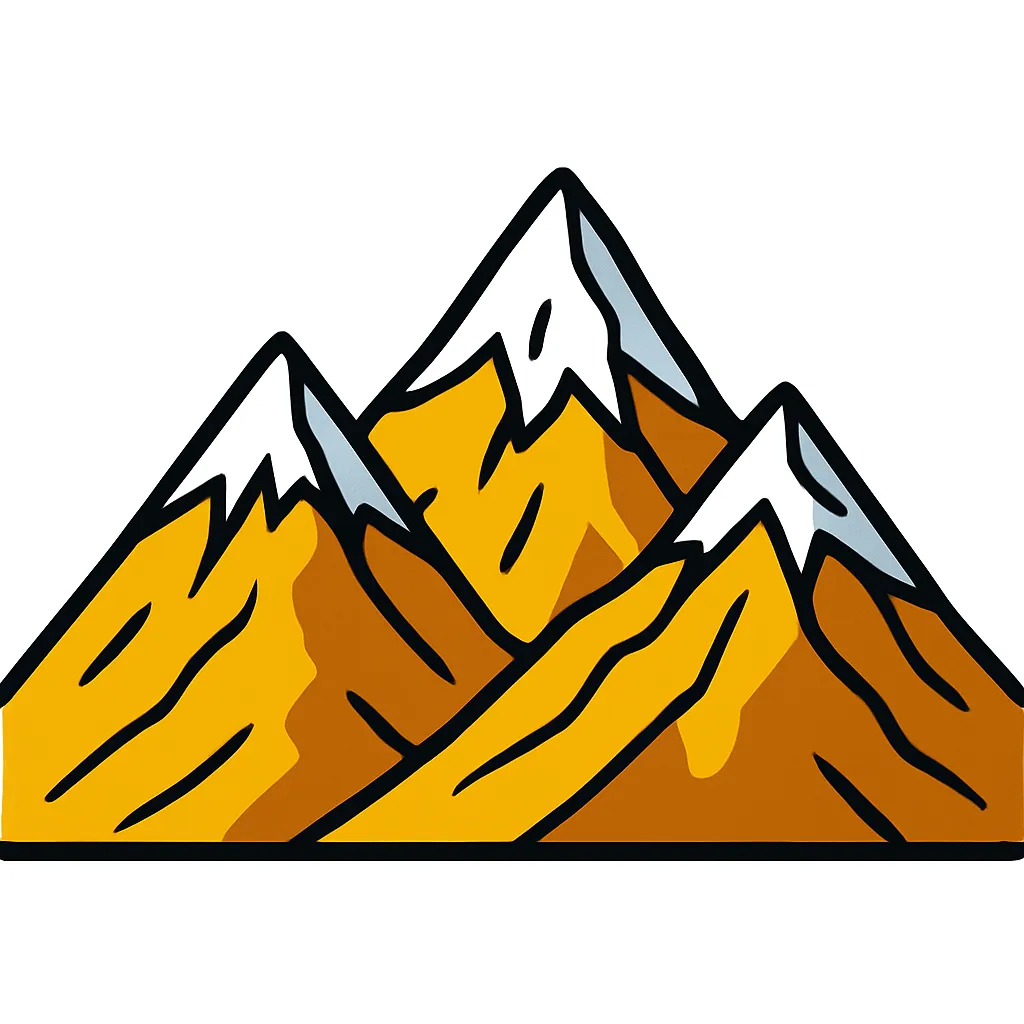
A mountain range is an example of a ______ feature.
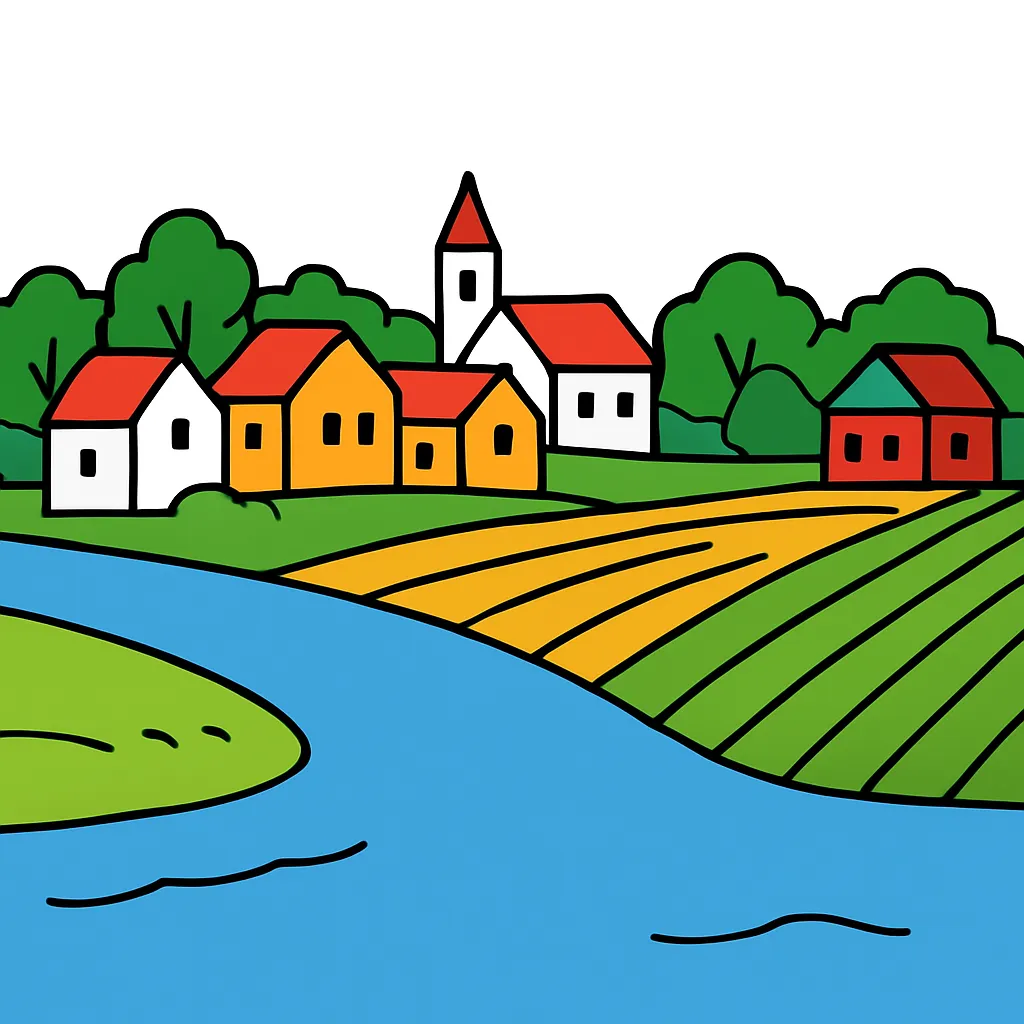
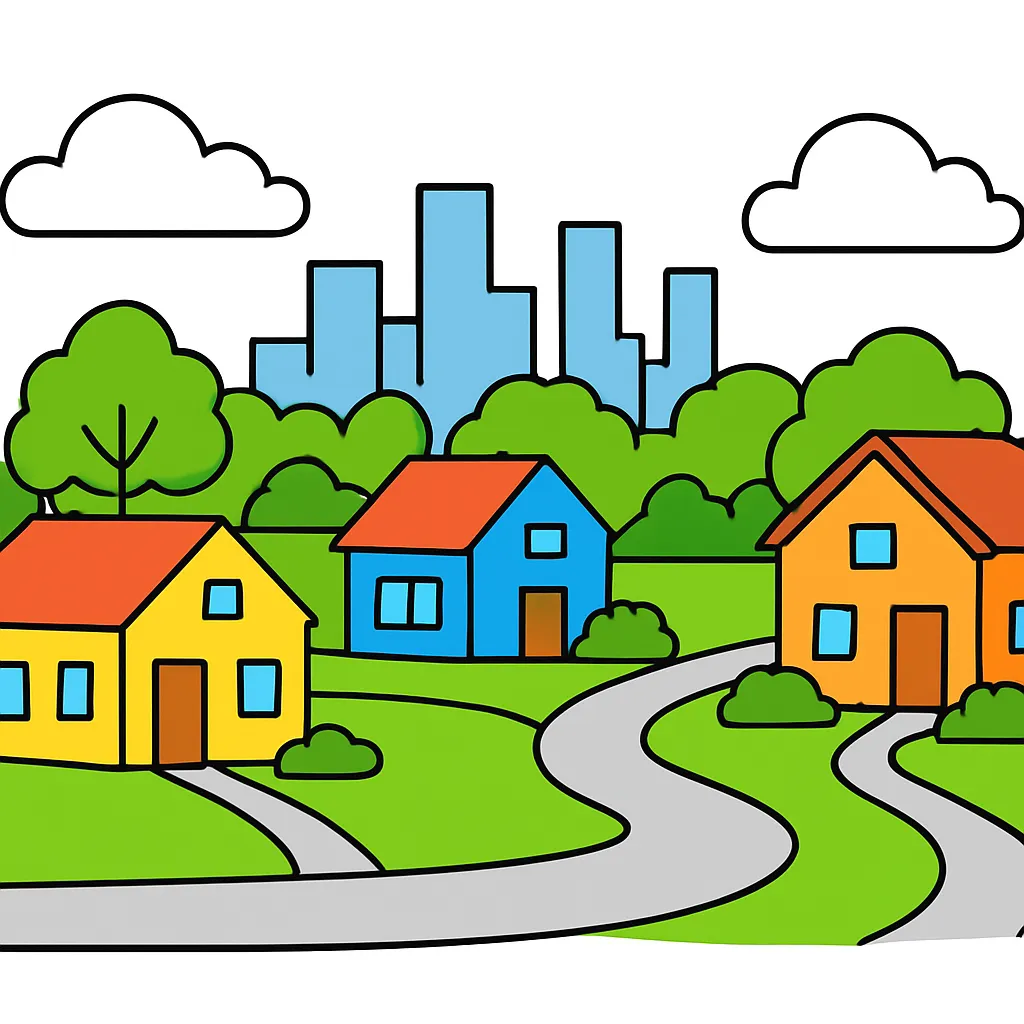
A neighborhood with houses and yards just outside a big city is called a ______ community.
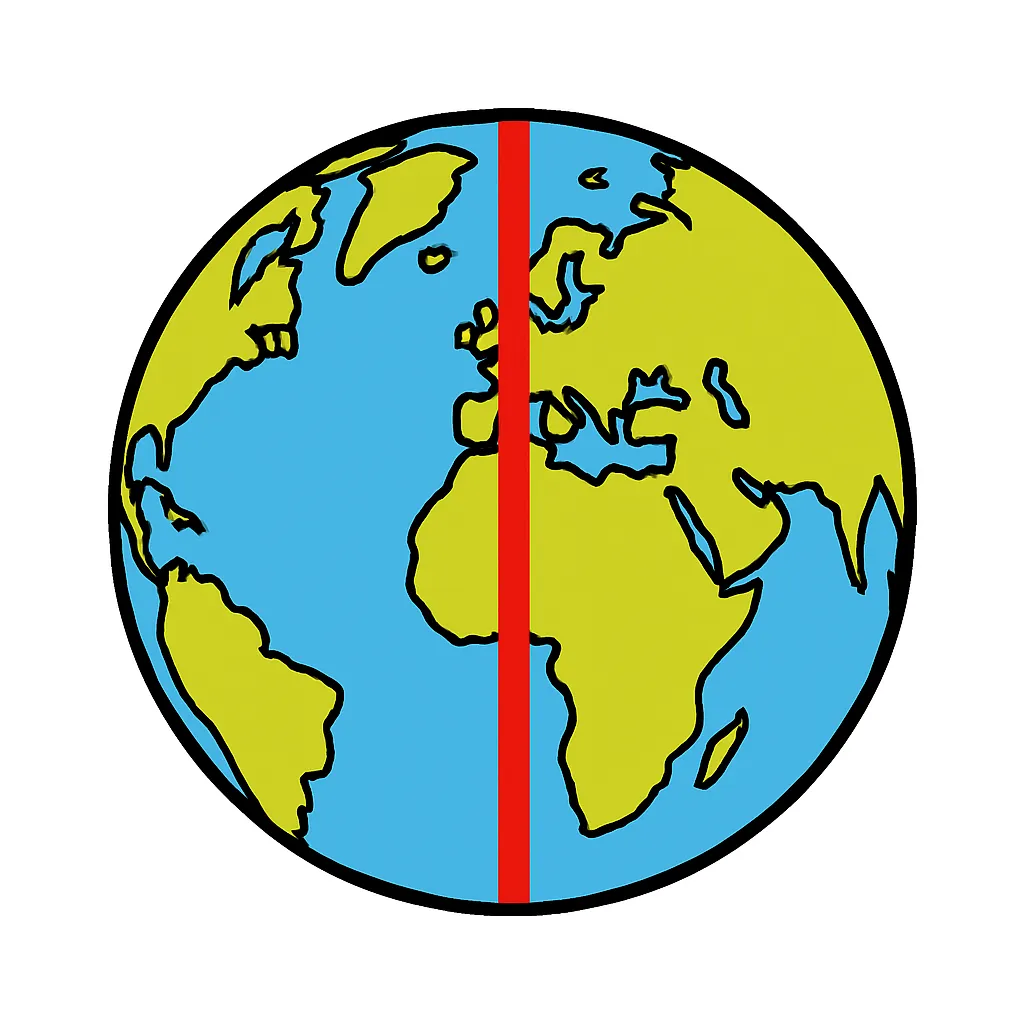
The prime meridian divides Earth into the Eastern and Western hemispheres.
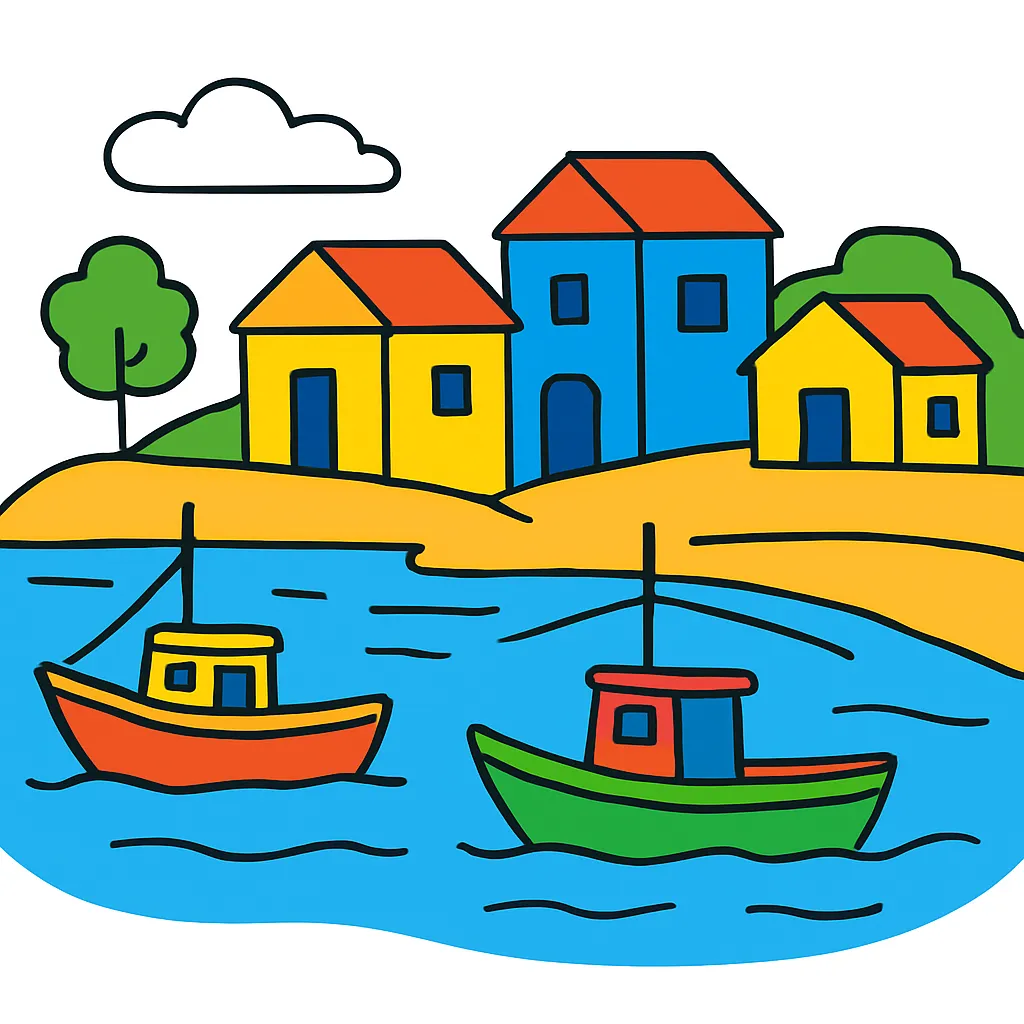
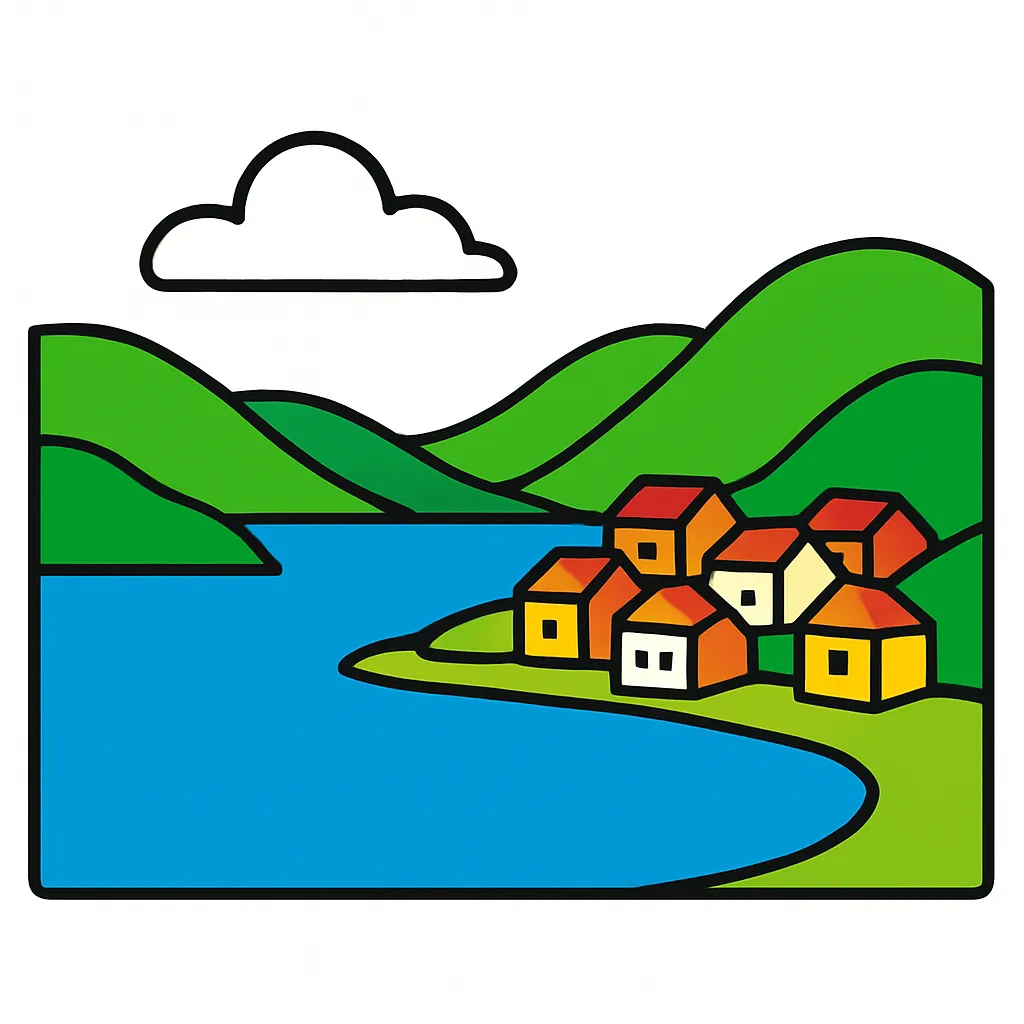
A fishing village grew up at this spot long ago. What geographic feature most influenced its location?
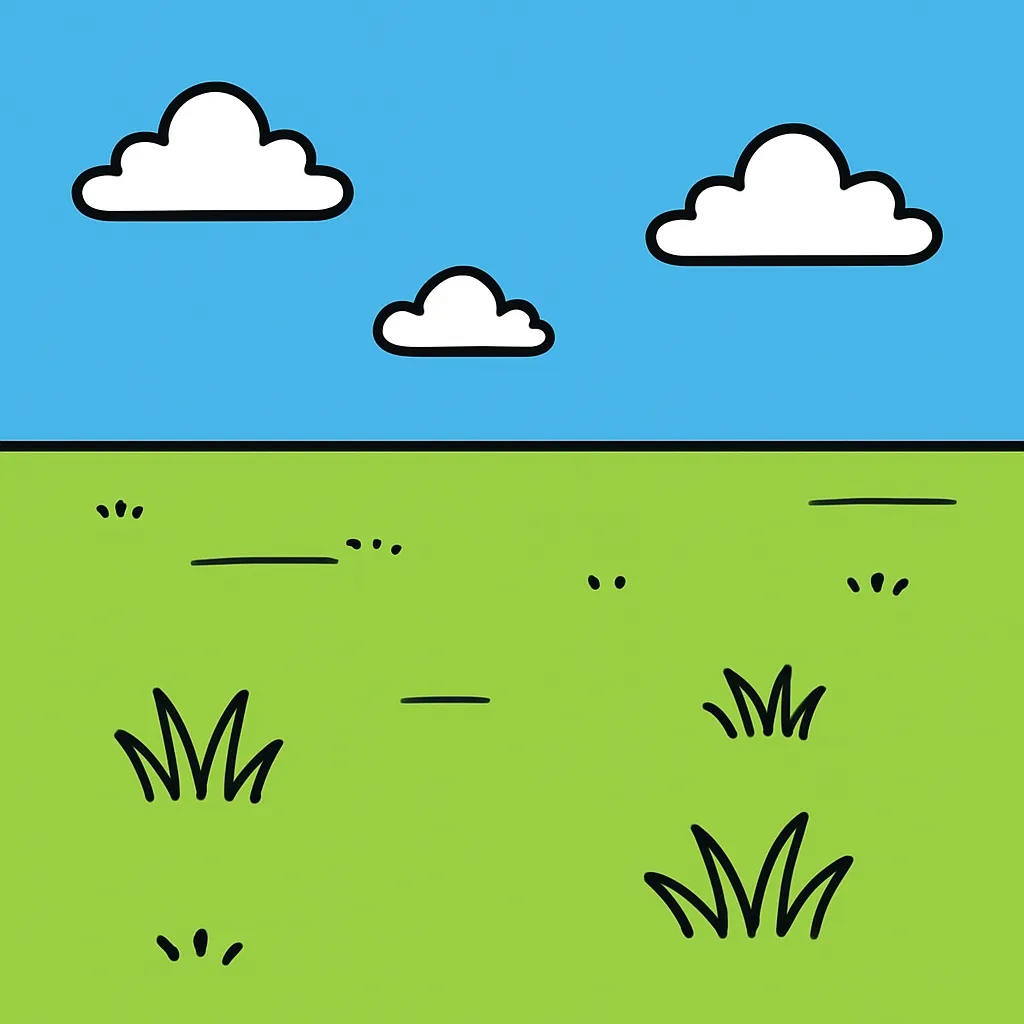
A town grew on a wide, flat plain. How did the flat land most help the settlers?
Settlers built a town beside a deep, calm harbor. What did that harbor give them?
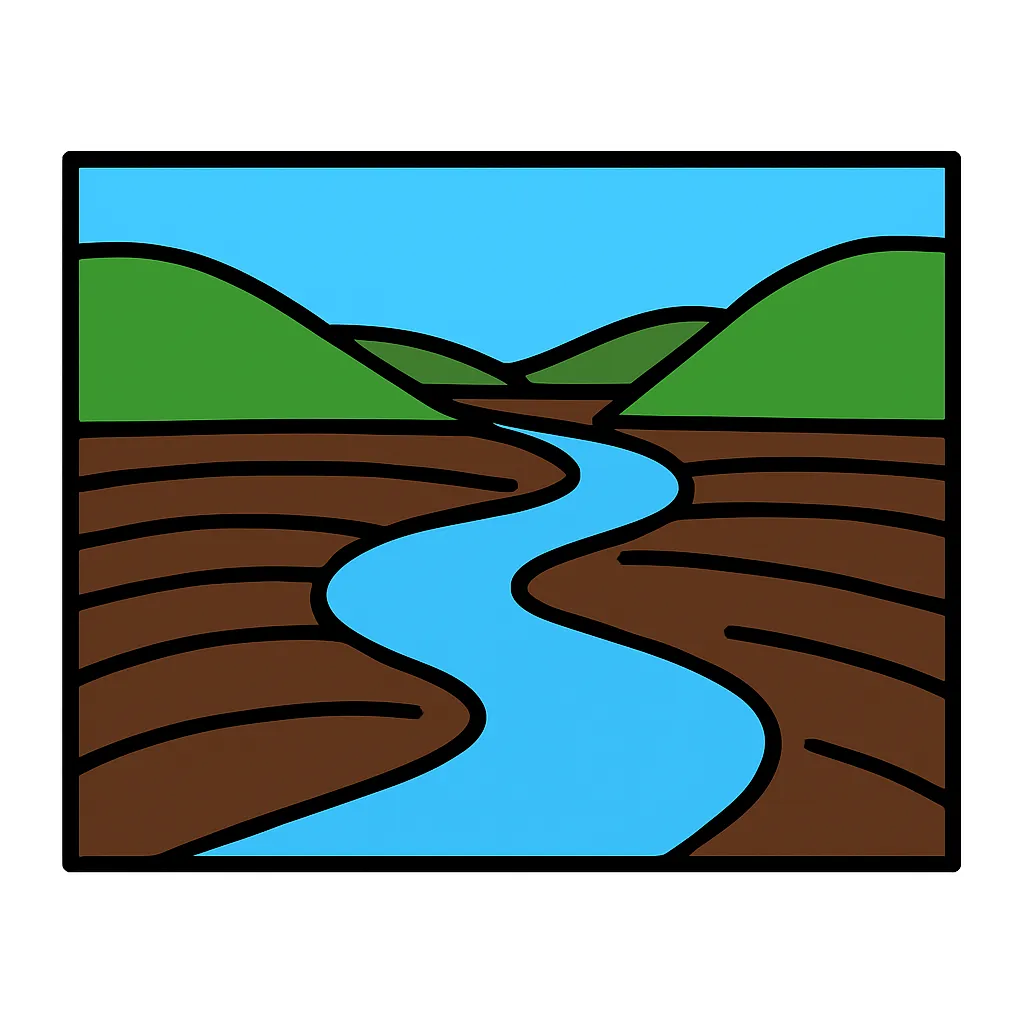
People settled in a river valley with deep, rich soil. What work did most of them do?
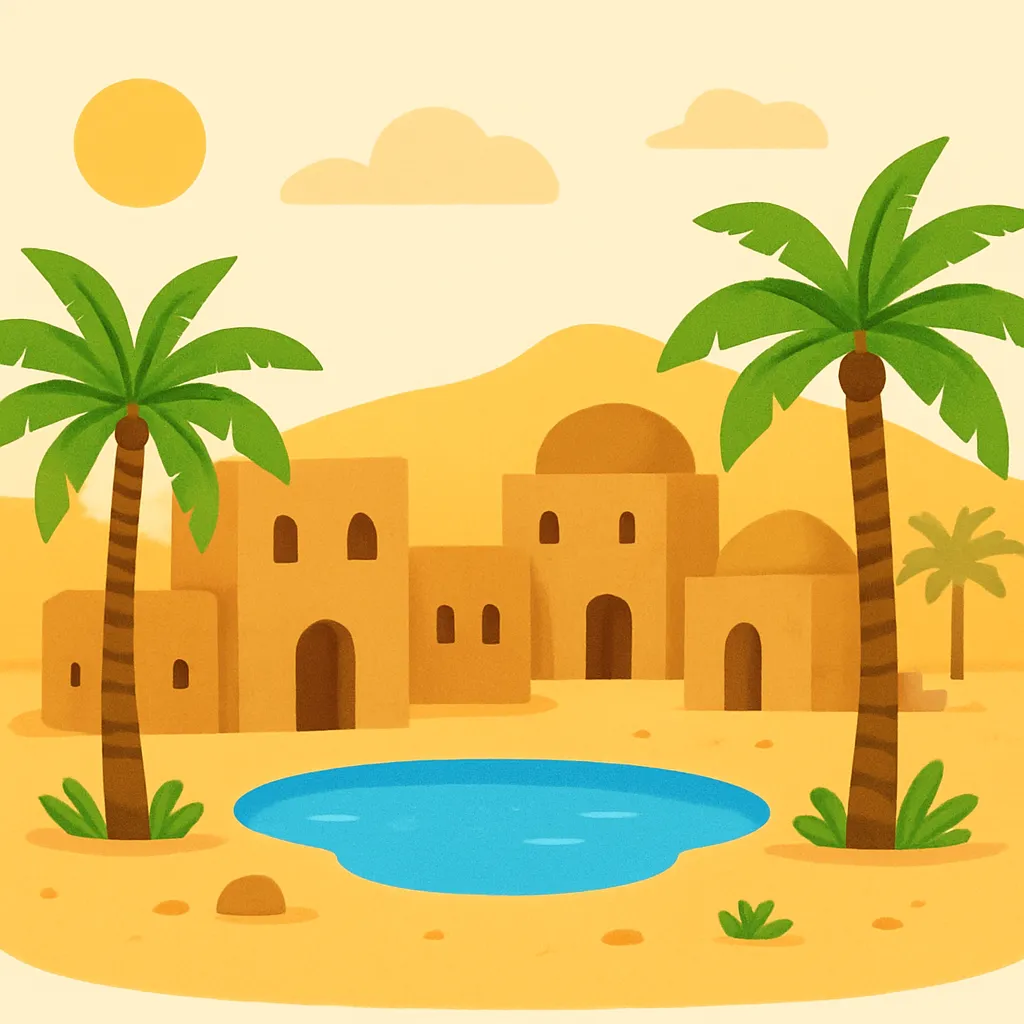
A desert town grew right around a spring. Why did people choose that spot?
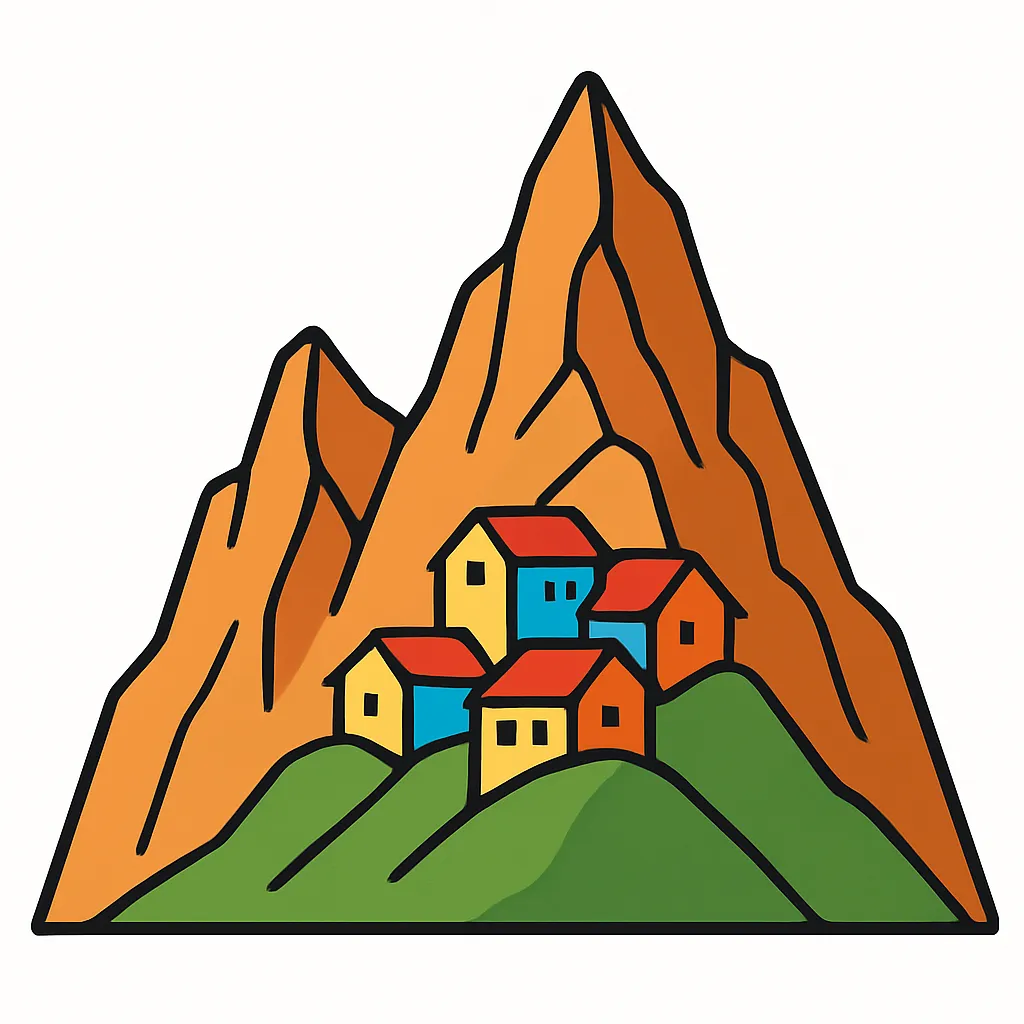
How does living high in steep mountains most change the way people travel?
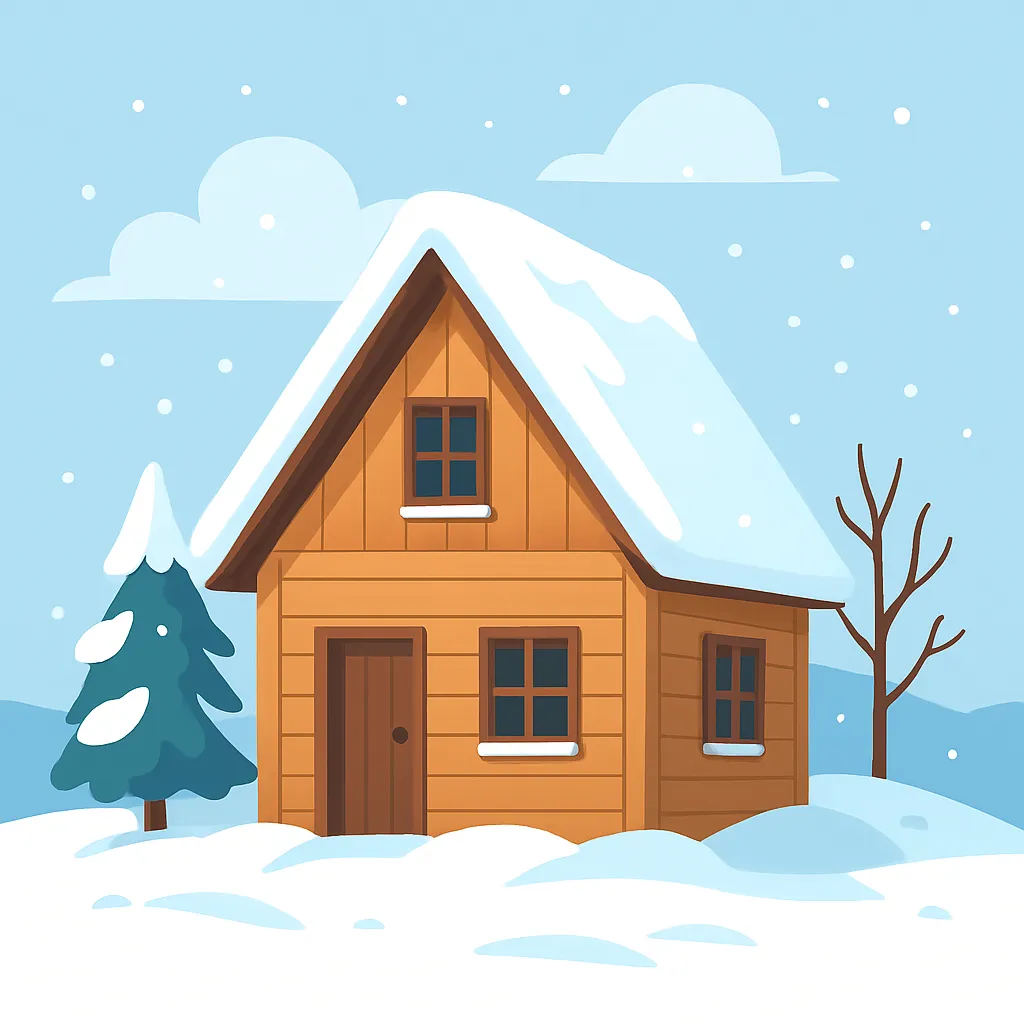
Houses in a snowy northern town are built with steep, pointed roofs. Why?
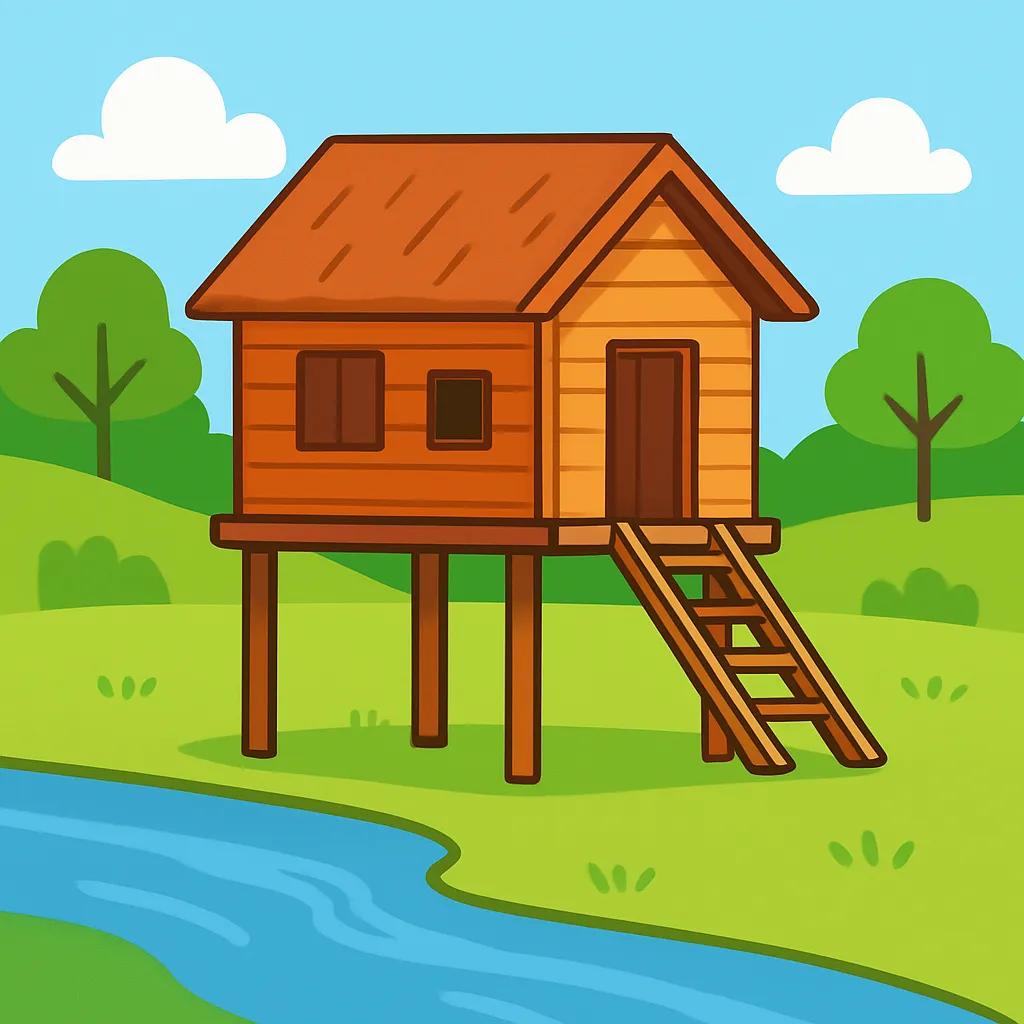
Homes beside a river that floods each spring stand on tall wooden posts. Why?
Most people in one town work in mines. What nearby feature best explains that?
A city grew where a large river meets the ocean. Why was that a strong place to trade?

Early settlers in a thick forest needed to build homes. Which natural resource did they most likely use?
Very few people live deep inside a hot, dry desert. What is the main reason?
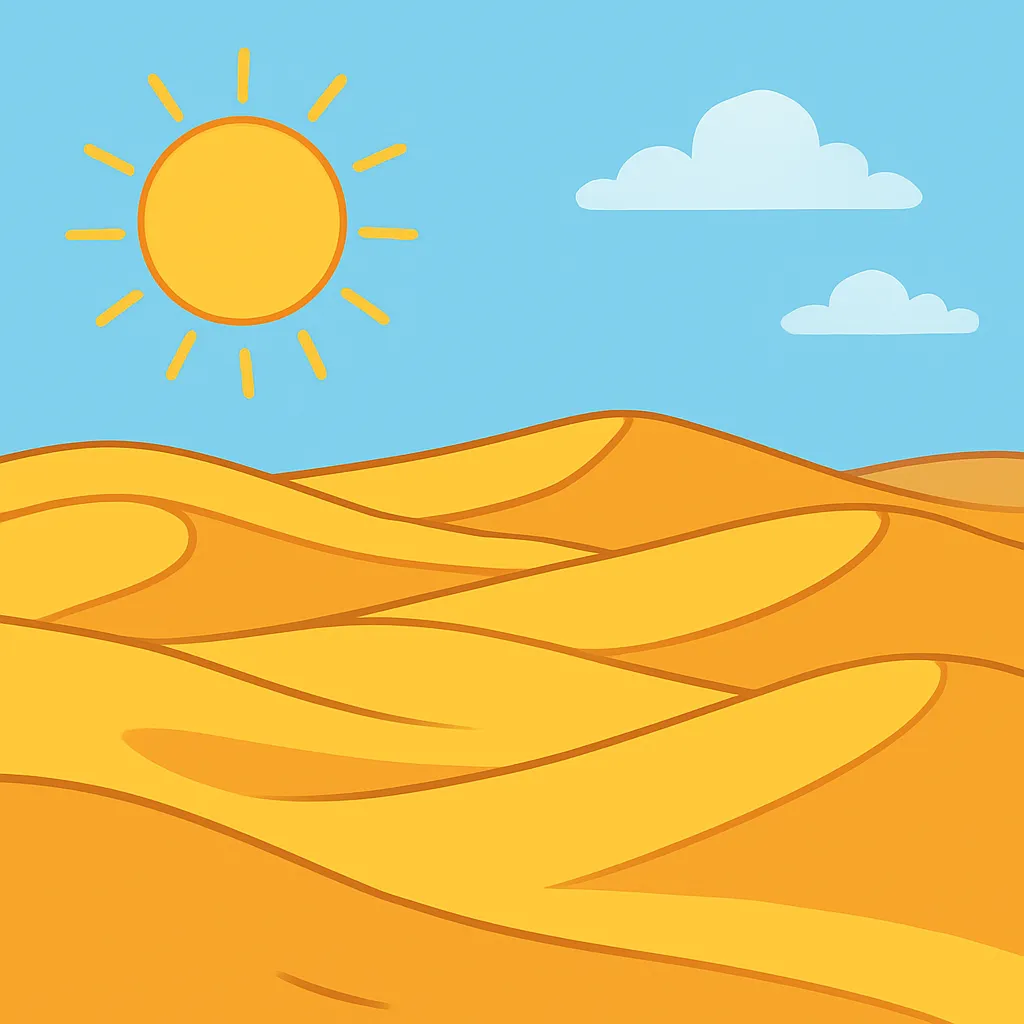
Families in a hot desert town rest indoors during the hottest part of the afternoon. This shows people ______.
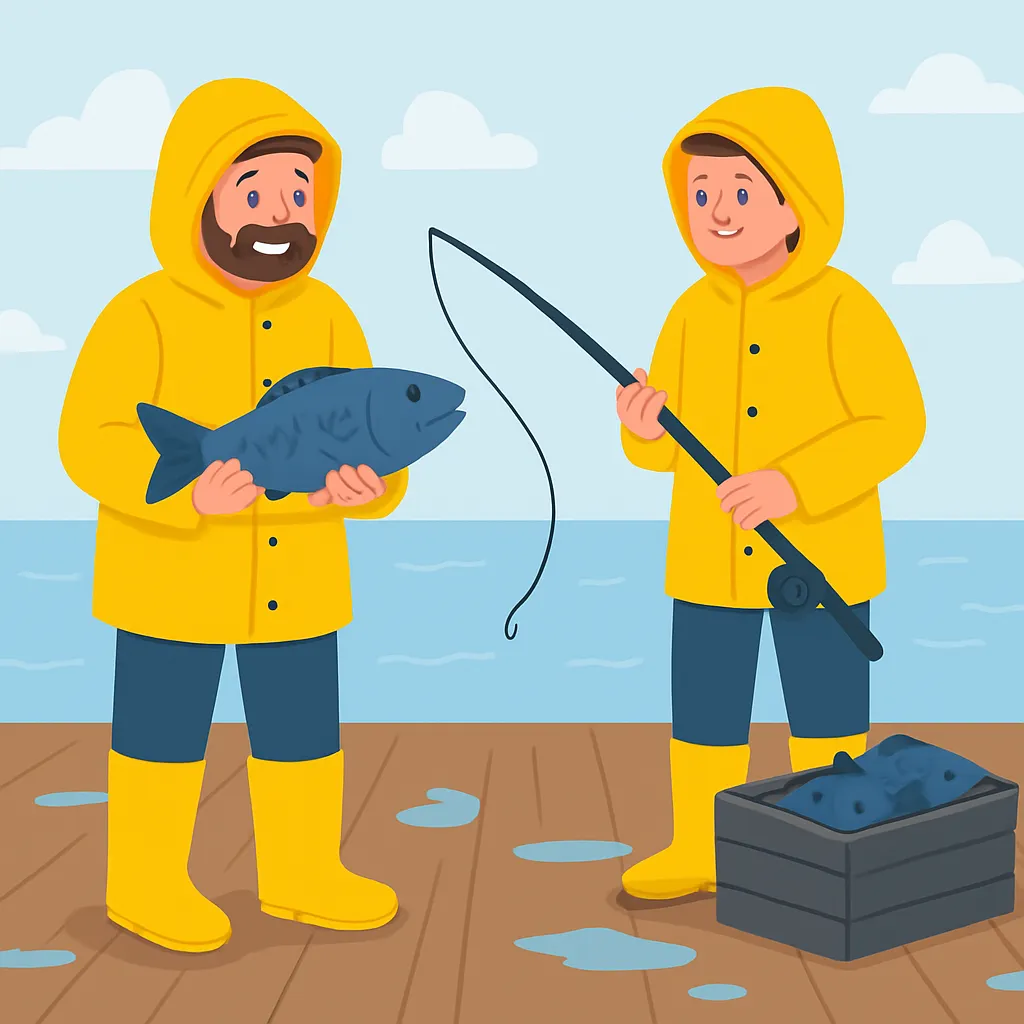
Fishers in a rainy coastal town wear tall rubber boots and waterproof jackets. This shows people ______.
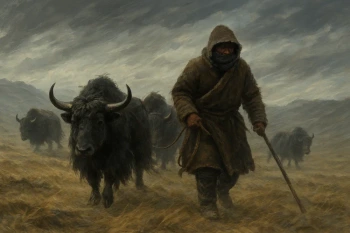
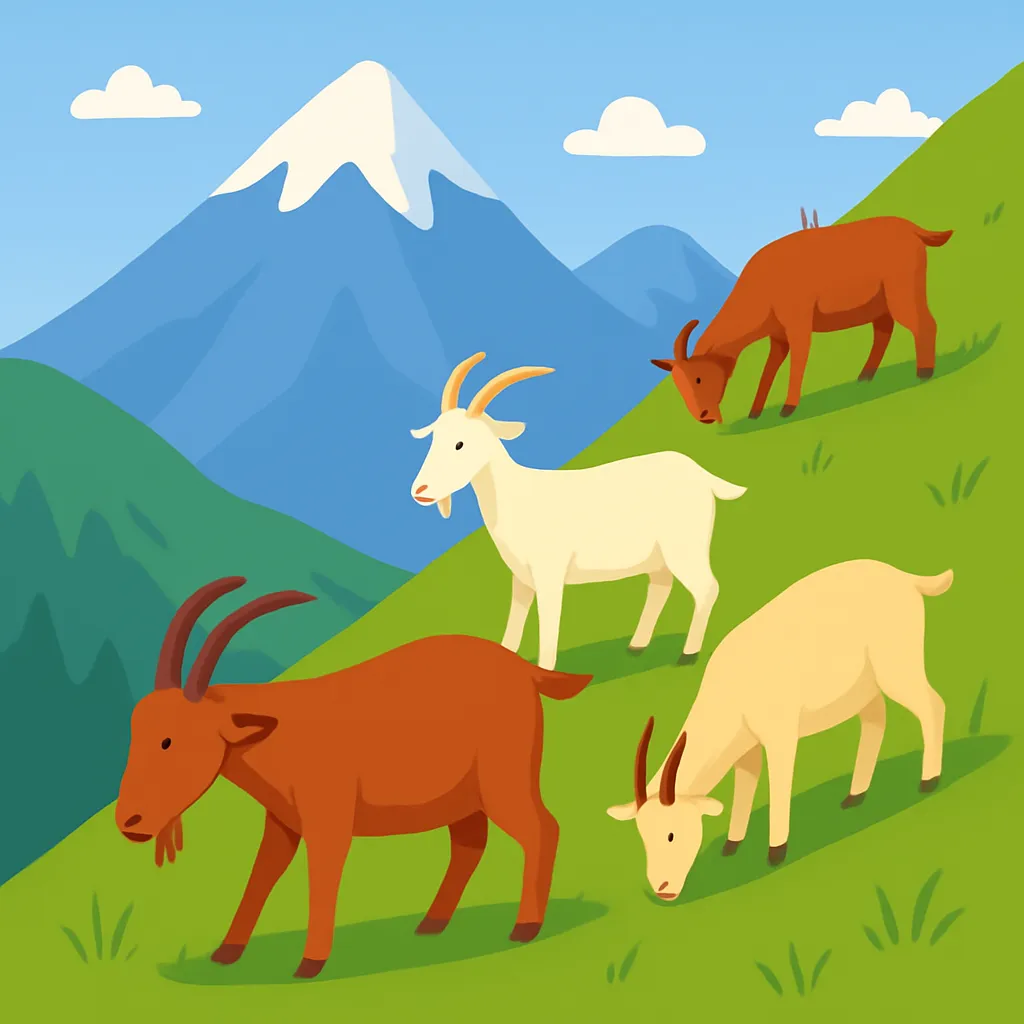
People high in the mountains raise goats and sheep because crops grow poorly there. This shows people ______.
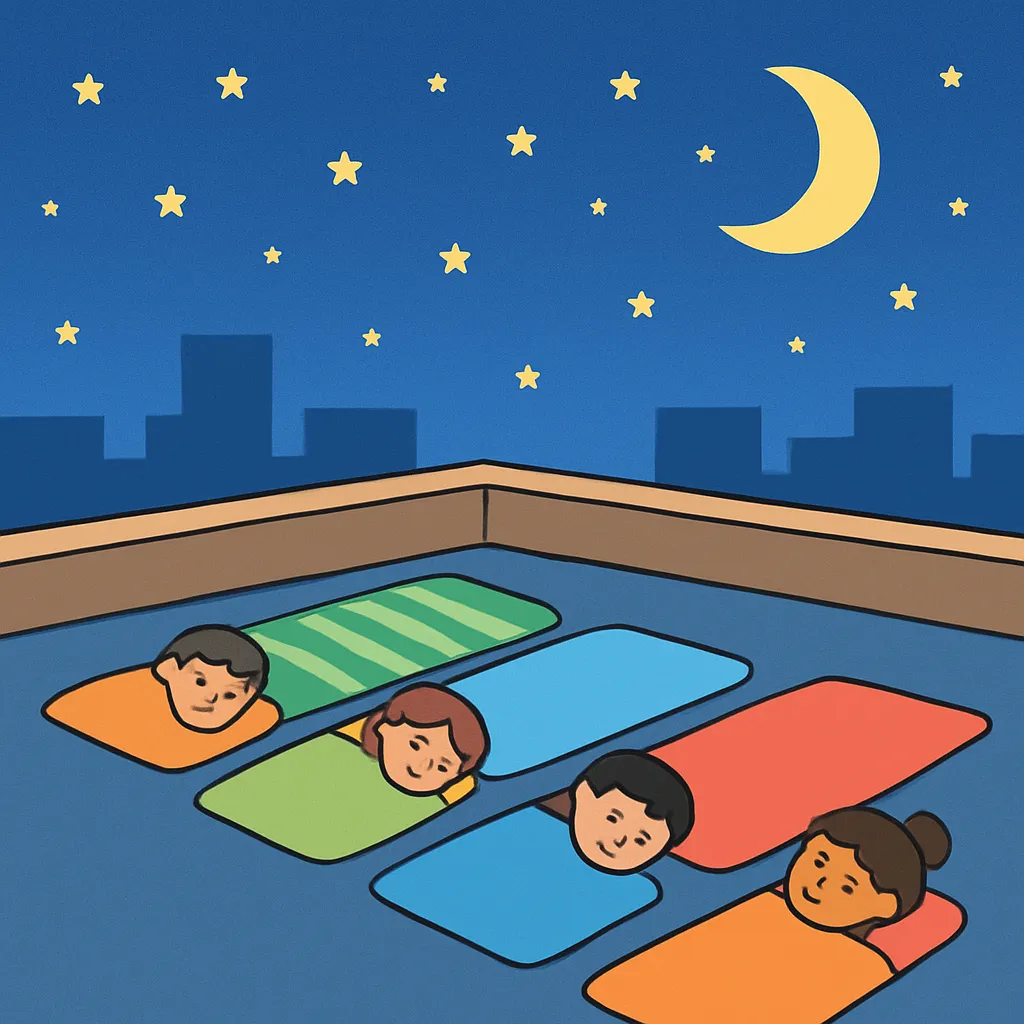
On hot summer nights, a family sleeps on the flat roof of their home to stay cool. This shows people ______.
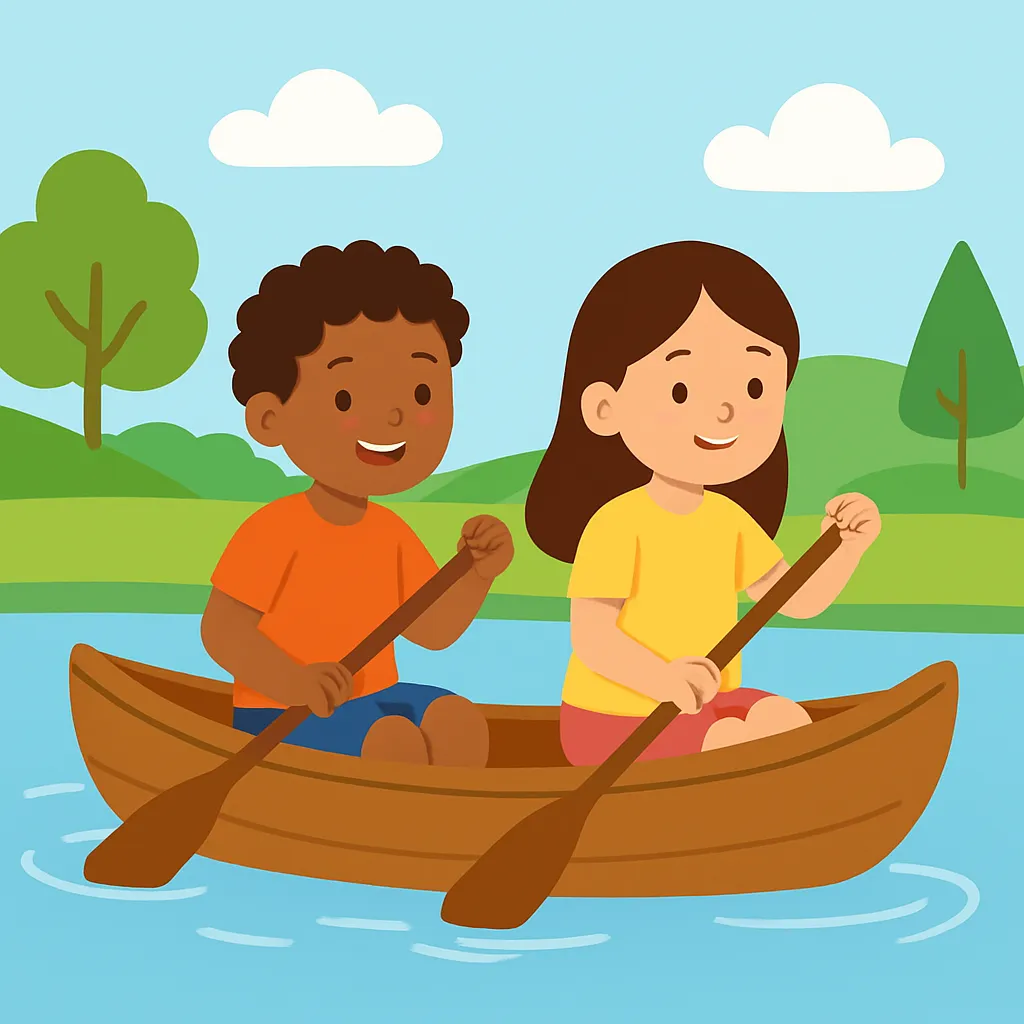
Children in a village beside a wide river learn to swim and paddle a canoe. This shows people ______.
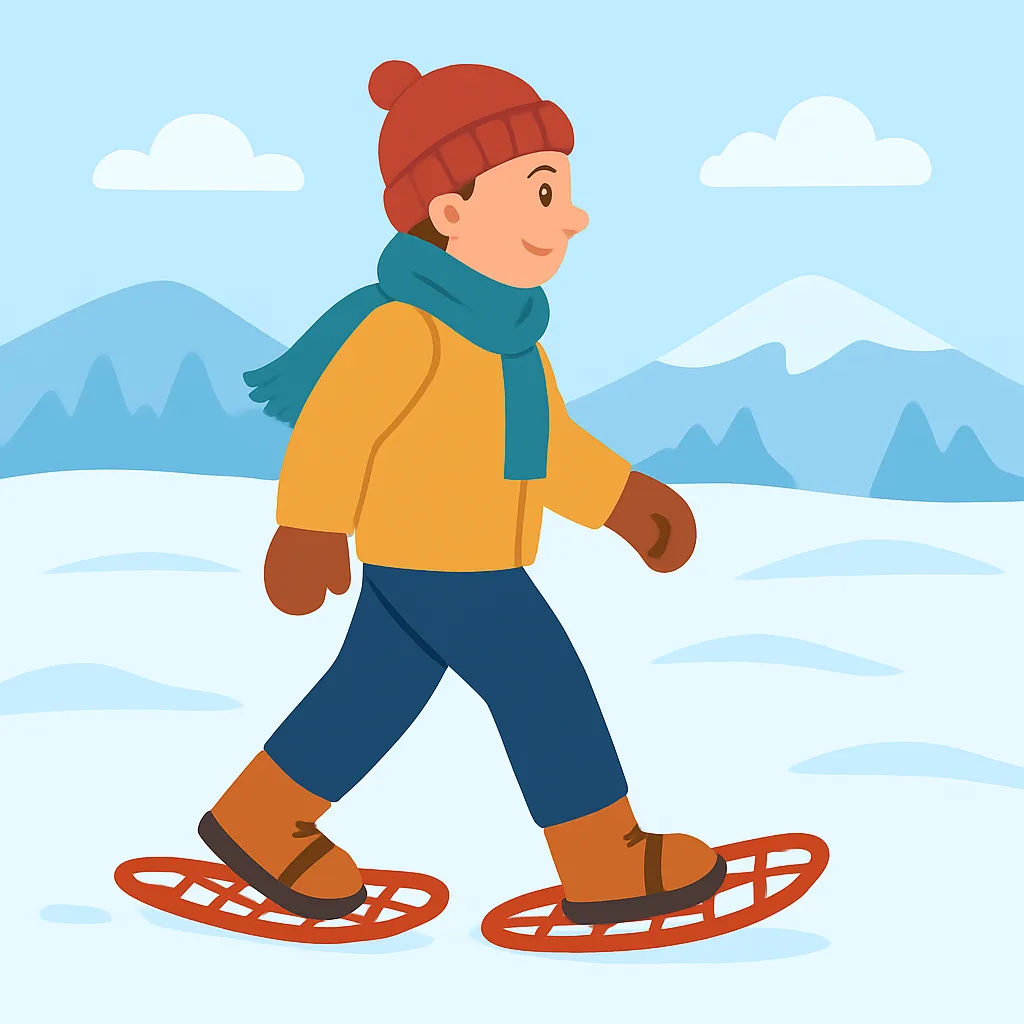
In a snowy town, people strap on snowshoes to walk across deep drifts. This shows people ______.
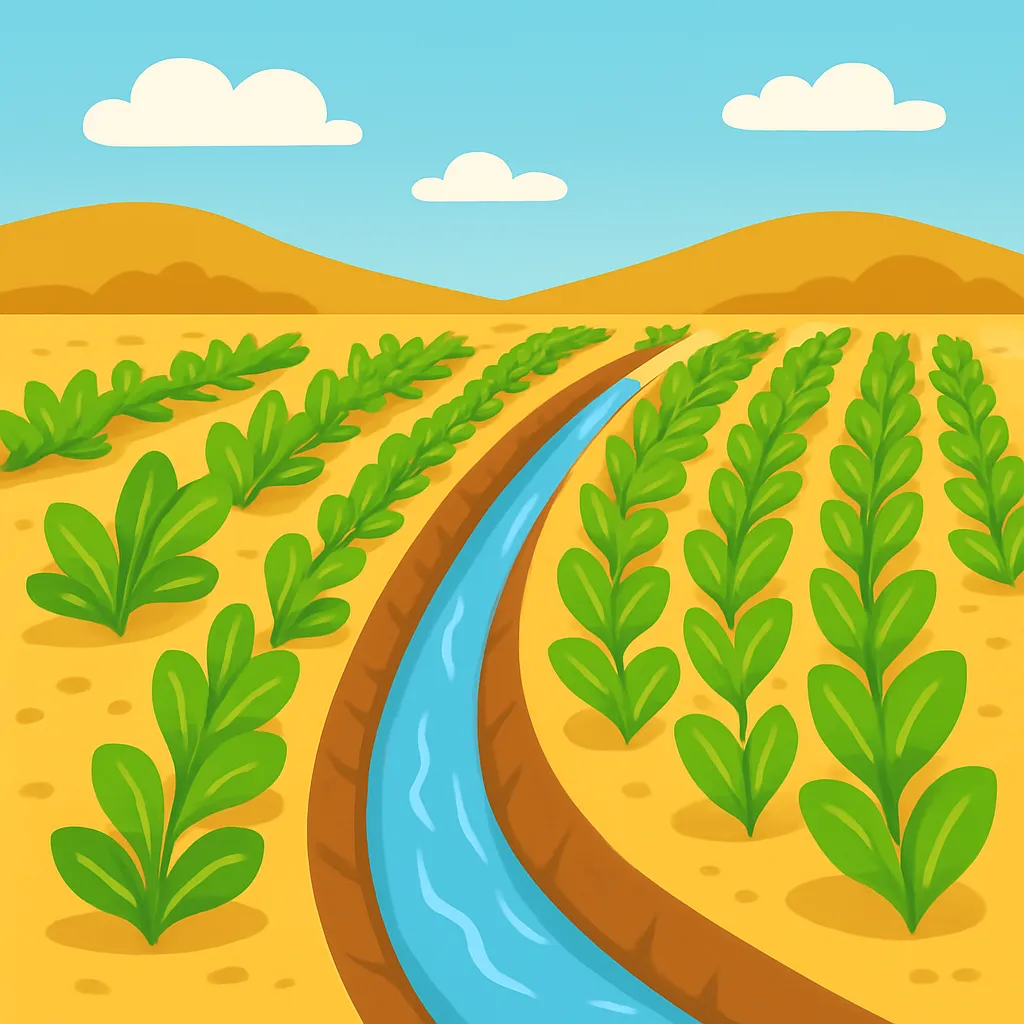
Workers dig long ditches to carry river water out to dry farm fields. This shows people ______.
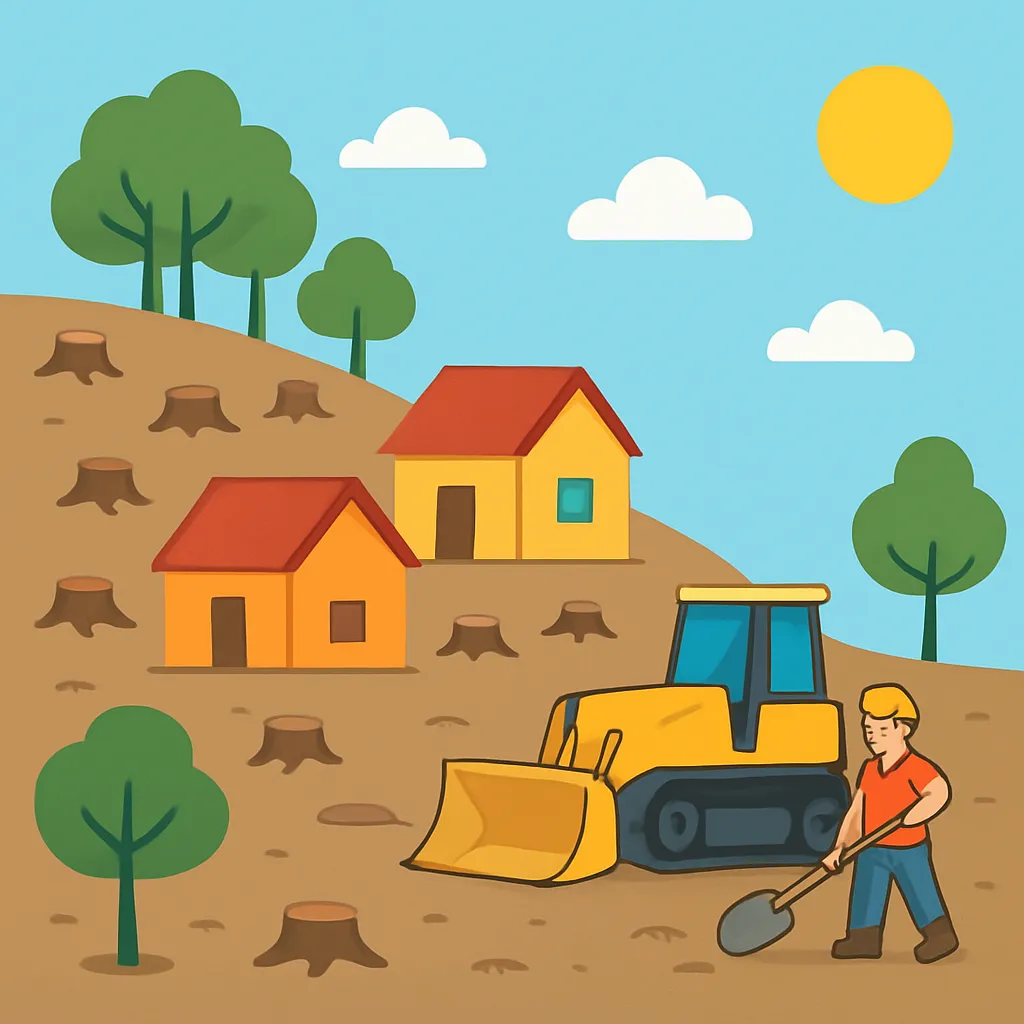
A growing city clears trees off a hillside to make room for new houses. This shows people ______.
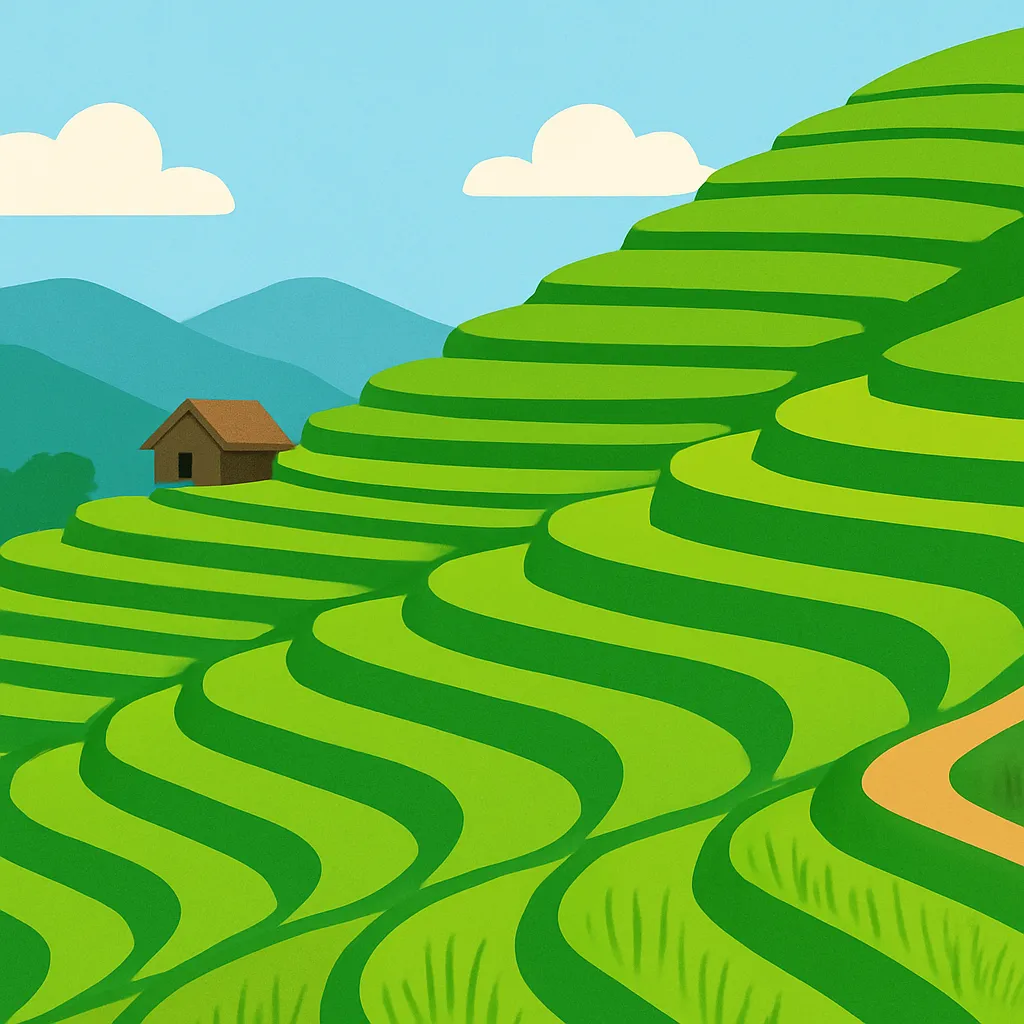
Farmers cut wide, flat steps into a steep hillside so they can grow rice. This shows people ______.
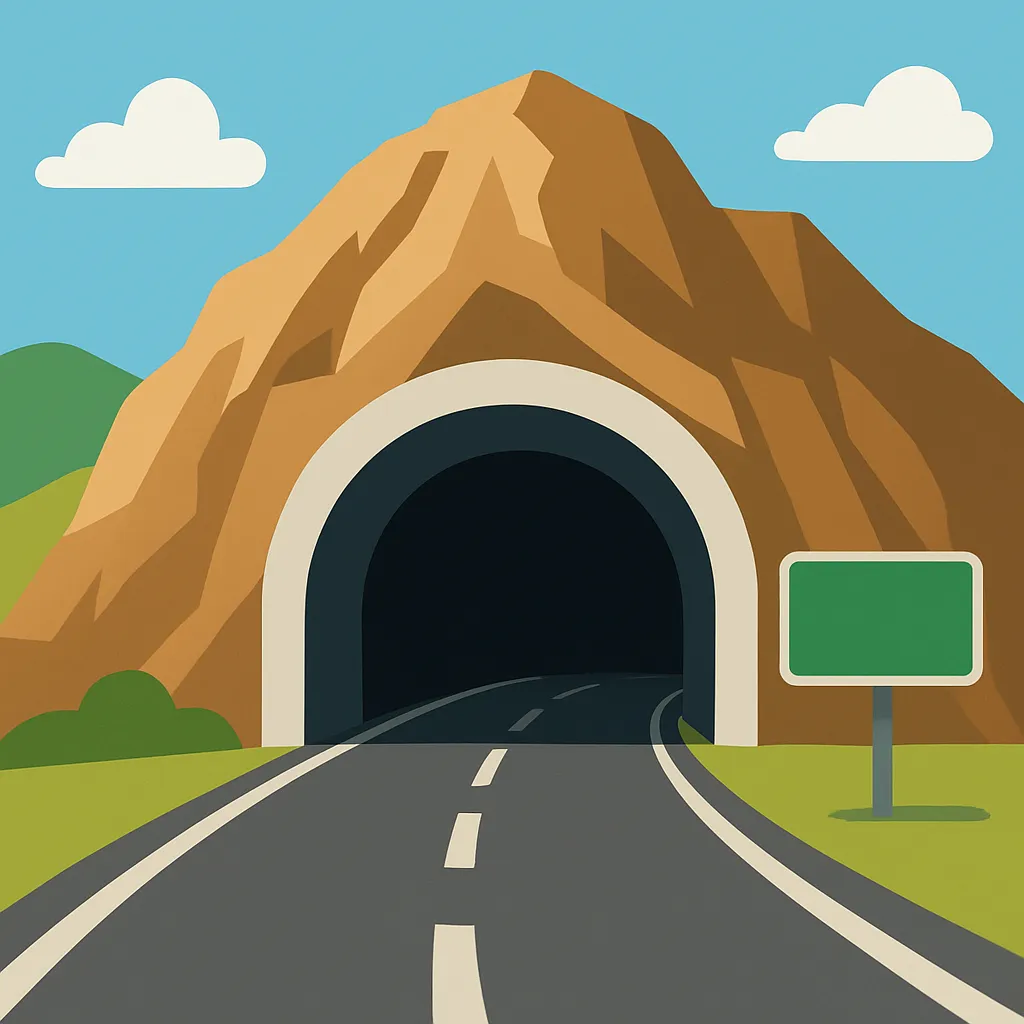
Crews blast a tunnel straight through a mountain so a highway can pass. This shows people ______.
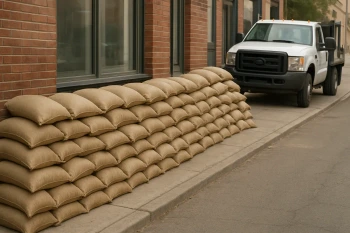
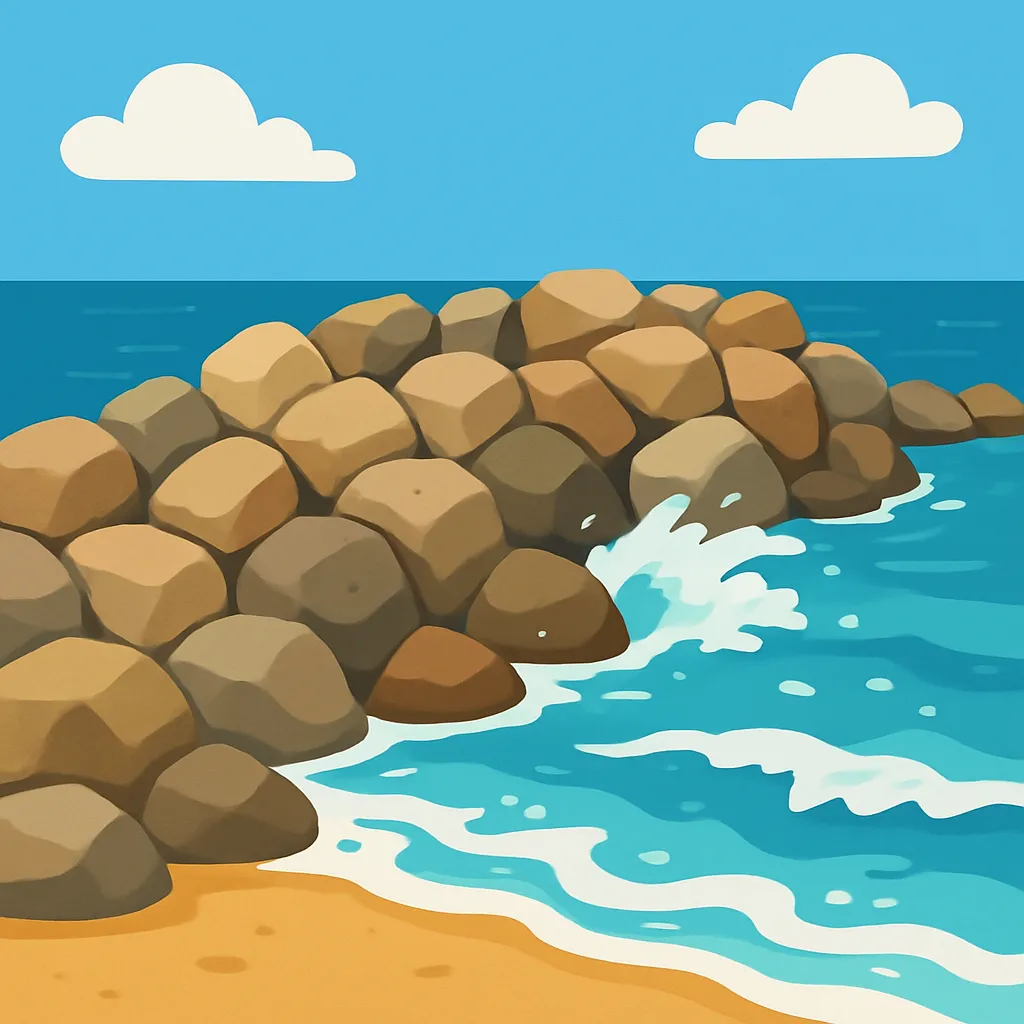
A shore town stacks a long wall of heavy rocks to hold back the ocean waves. This shows people ______.
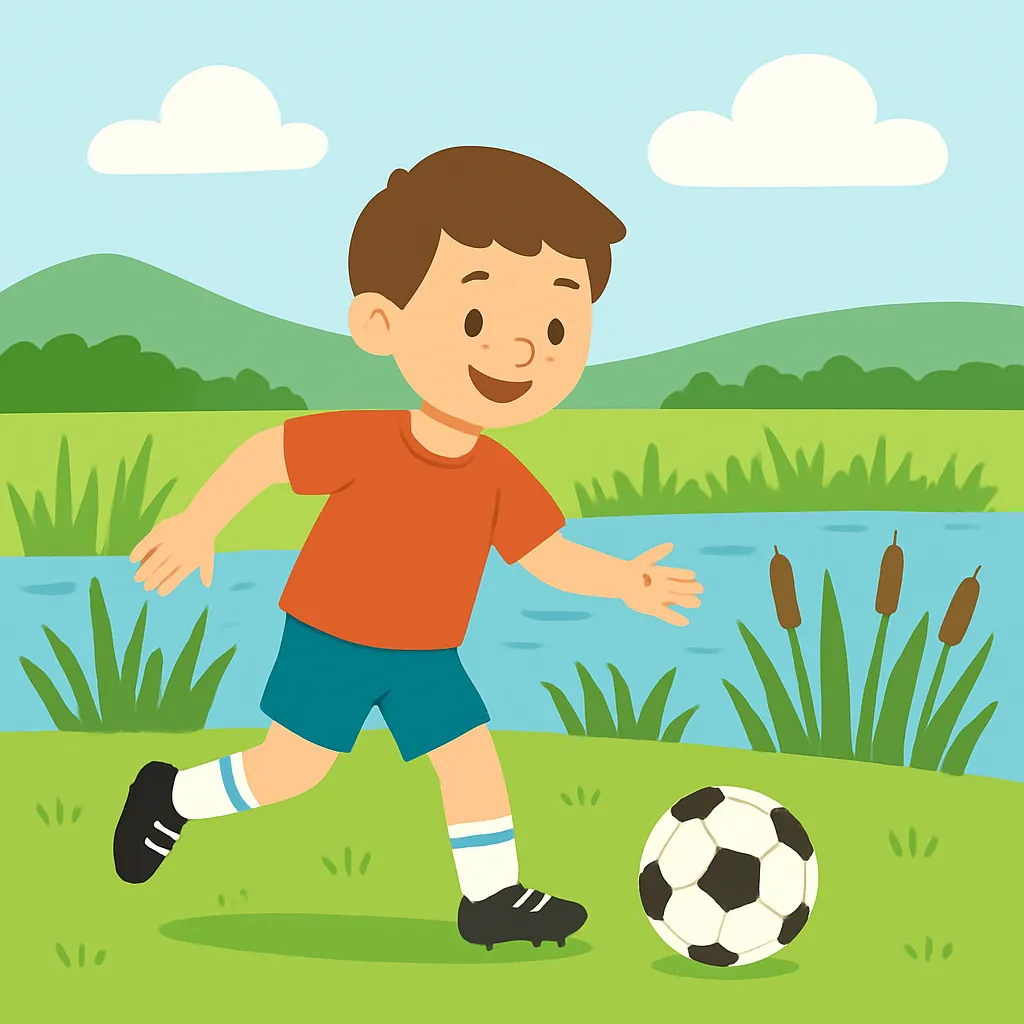
A town fills in part of a marsh with soil so it can build a soccer field. This shows people ______.
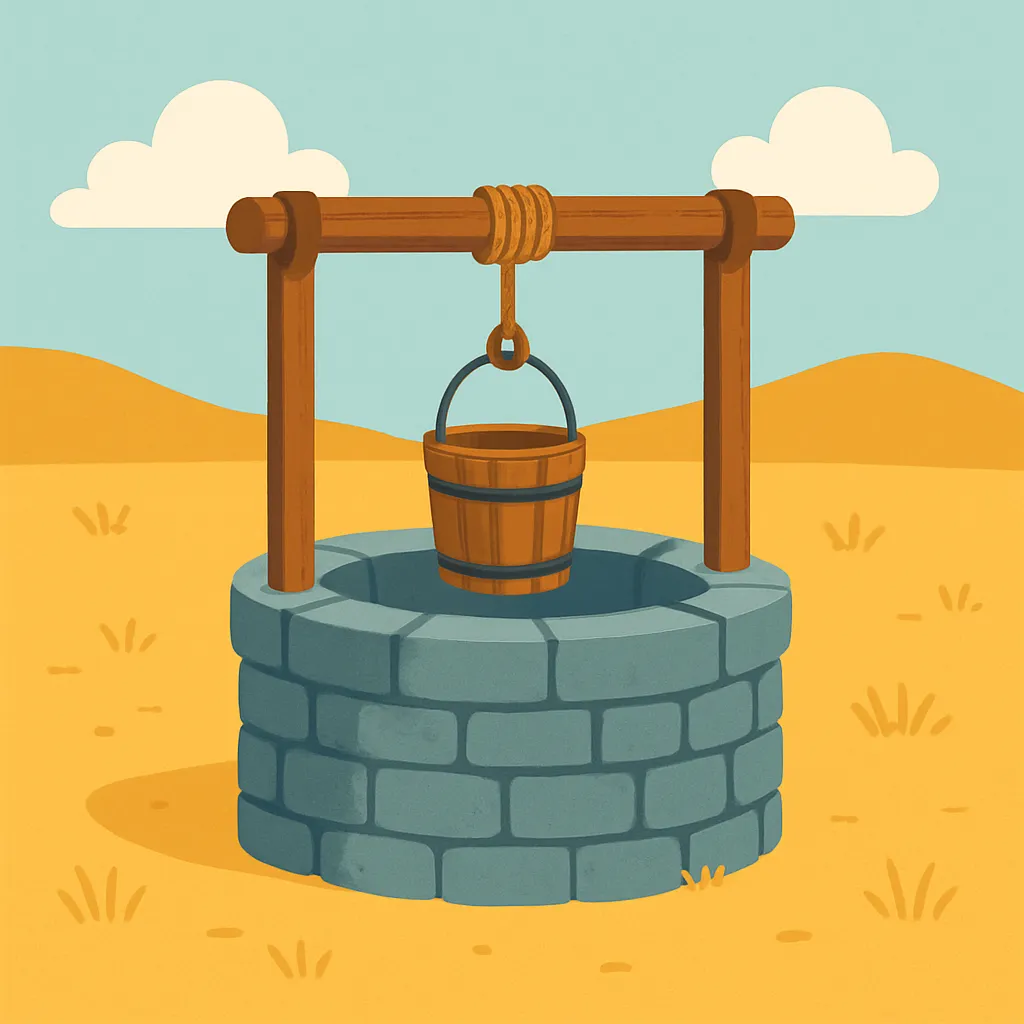
Digging a deep well to reach underground water is an example of modifying the environment.
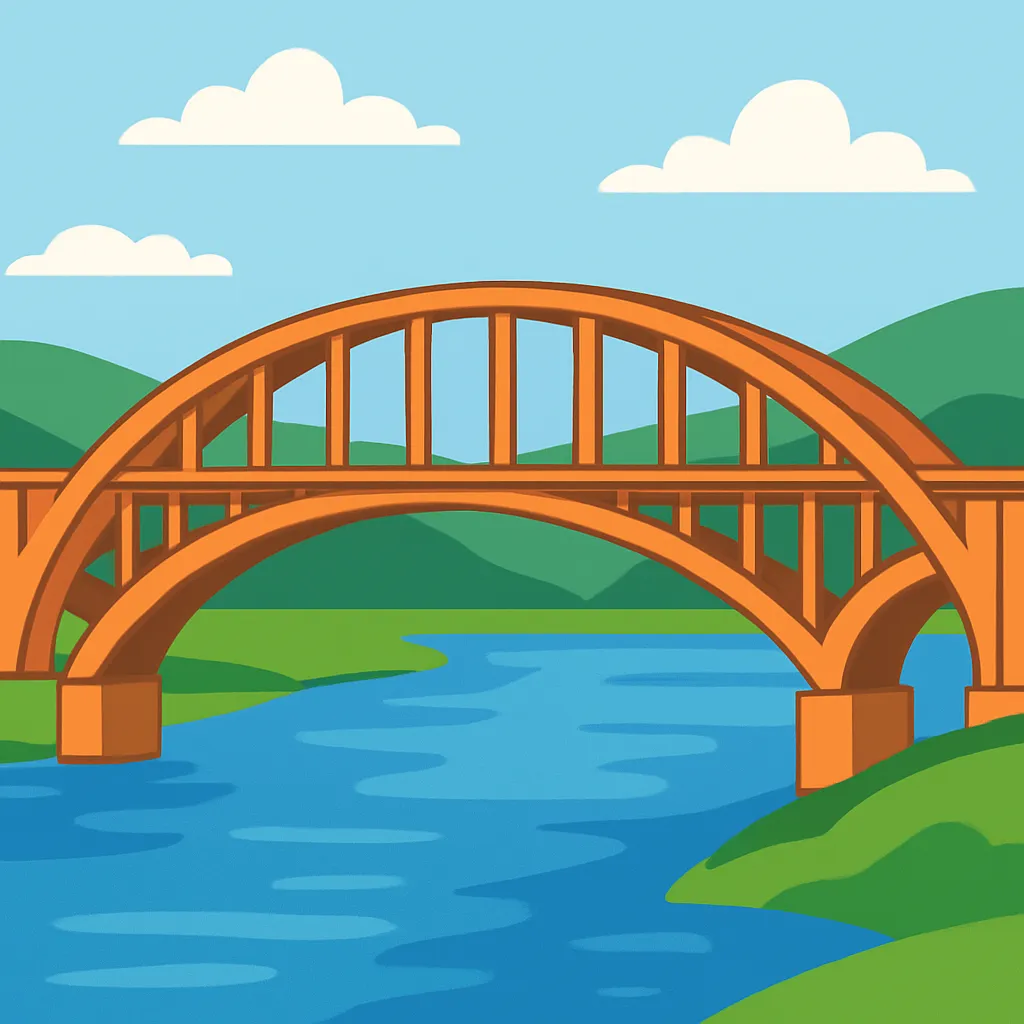
Building a bridge across a river is an example of adapting to the environment.
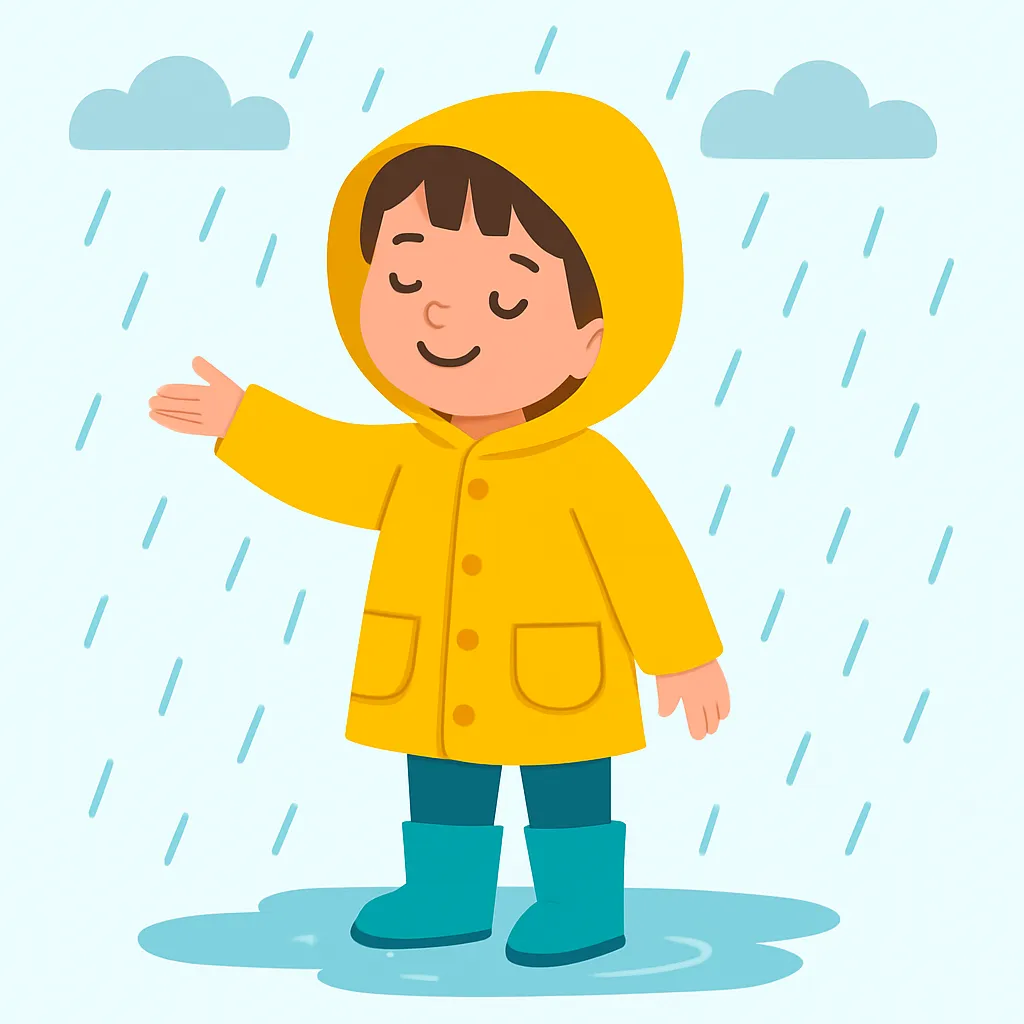
Putting on a raincoat during a storm changes the environment around you.
Planting rows of trees beside a farm field to stop wind from blowing the soil away is an example of conservation.
Towns in places with long, freezing winters can usually grow crops all year round.
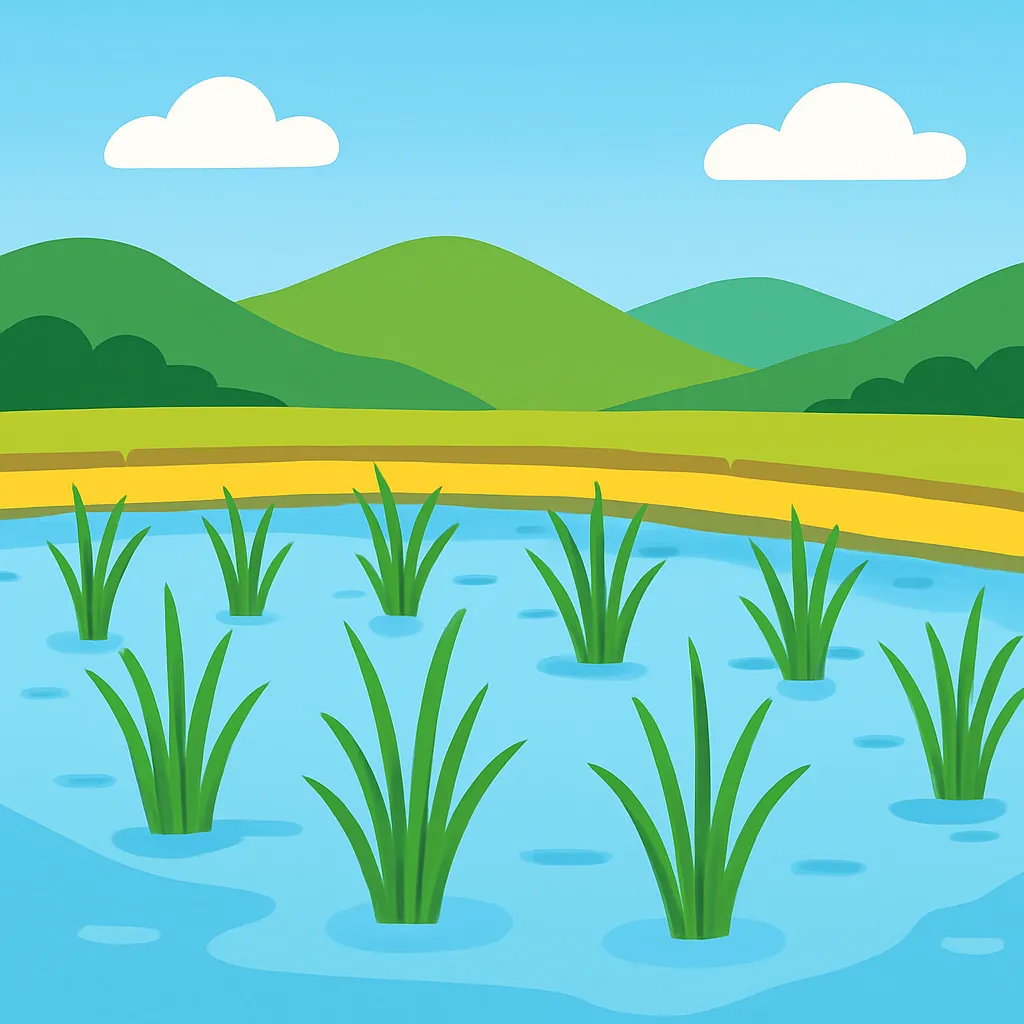
A hot, rainy climate is one reason farmers in some regions grow rice instead of wheat.
Crack the passcode before the zombies get in.

Pick a tile, answer, hit bonuses and steals.
Natural Hazards
40 questions