Loading
by BlastRoom
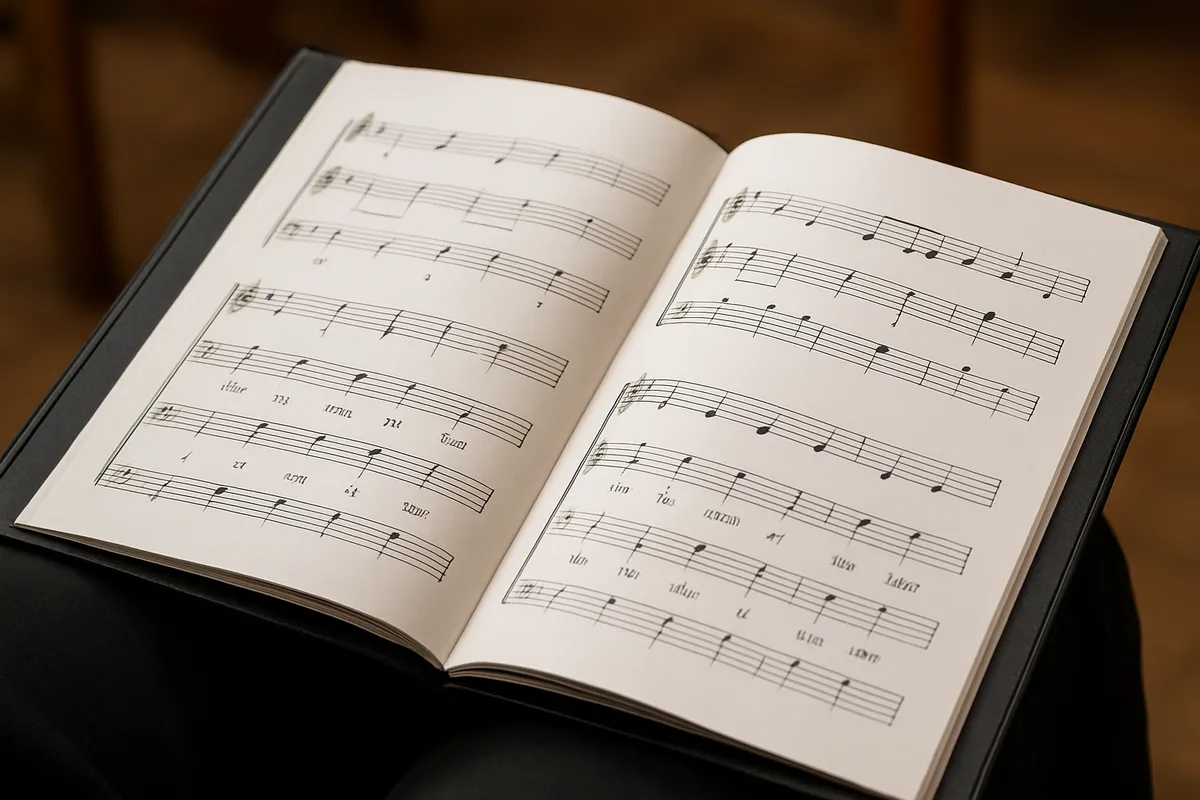
Practice reading shared staves, cues, divisi, lyric underlay, and accompaniment in choir music.
#us_hs_music_fundamentals
24 questions
One question set, multiple game modes. Tap any game to see it in action. Not sure which to pick?
Answer to place stones and capture territory.
Outrun the snow together.
Earn blasts, then hunt the other team.
Answer to earn energy, then climb.

The class blasts through walls together.
Bid on mystery lots. Most money wins.
Sell tours. Nice, standard, or a total scam.

Answer, restock, and serve the rush.
More correct answers pulls the rope your way.
Answer, then shoot down the alien wave.
Answer, then tap to leap the frozen ridge.
In an SATB octavo, soprano and alto share the same treble staff. Which notes does the alto line usually read?
Tenor and bass are printed on one bass staff with two rhythms at once. What is the usual cue for the tenor line?
A soprano-alto staff shows two noteheads at the same time, one above the other. If you are alto, where do you look first?
You sing alto, and soprano and alto share one treble staff with their stems pointing in opposite directions. Which notes are yours?
A bass part shares a staff with tenor and moves while the upper voice rests. What should a bass singer read?
On a shared soprano-alto staff, a passage has only one note at a time and no divisi marking. What should both sections usually do?
Small notes in your part show another section's rhythm while you rest. What are those cue notes for?
An alto line prints tiny soprano notes during a rest before the altos enter. Should altos sing those tiny notes?
Cue notes in your alto part are labeled “Sop.” What does that label tell you?
A small comma-shaped mark appears above the staff in your choir part. What does it tell you to do?
A passage in your section is marked “div.” What does the section do?
After a divisi passage, the marking “unis.” appears. What does that tell the section?
The altos are marked divisi into an upper and lower note. If your director assigns you Alto 2, which note do you sing?
Two lines of lyrics, numbered 1 and 2, are printed under the same notes in a repeated passage. How do you use them?
Your part says “div. a 3” over three printed notes. What does “a 3” indicate?
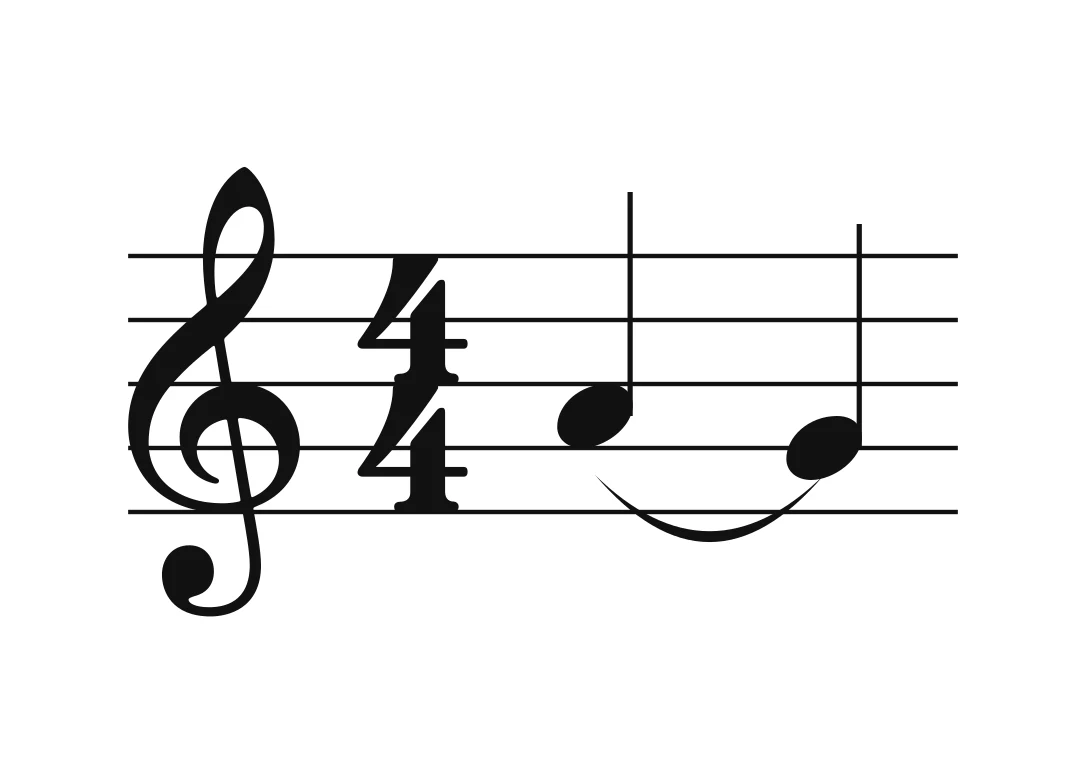
Suppose the words give only one syllable for these two slurred notes, written under the first note. How is that syllable sung?
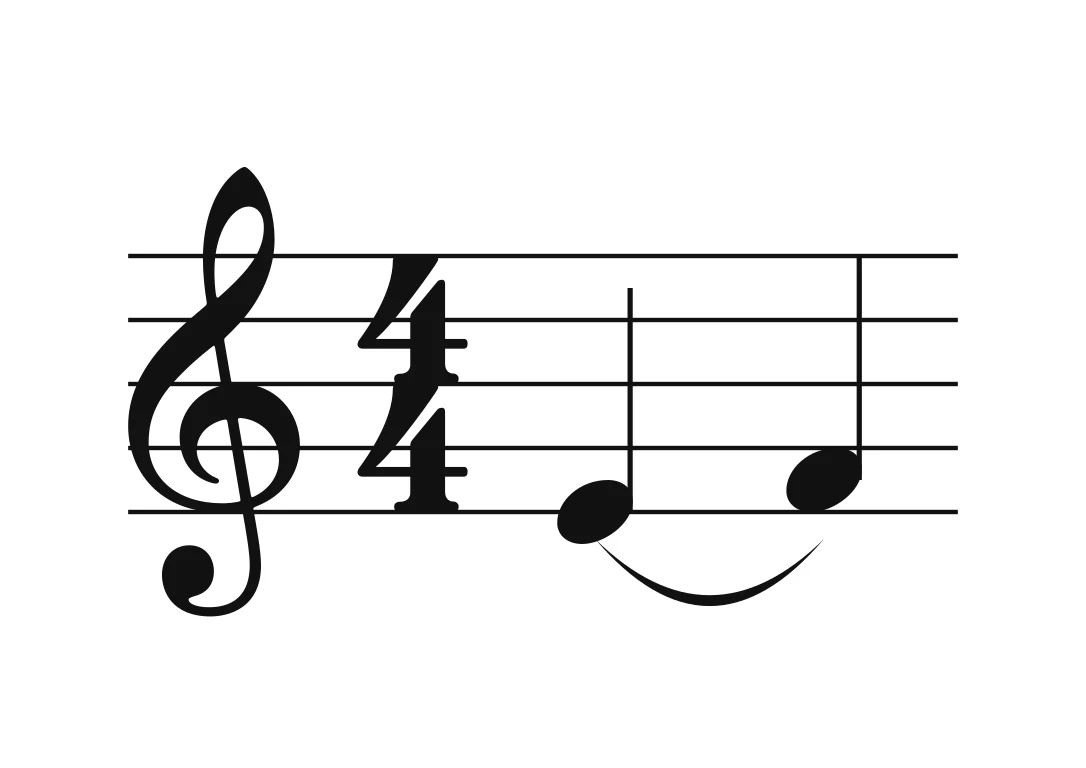
Suppose one lyric syllable is written under the first of these two slurred notes and none under the second. What should the singer avoid adding?
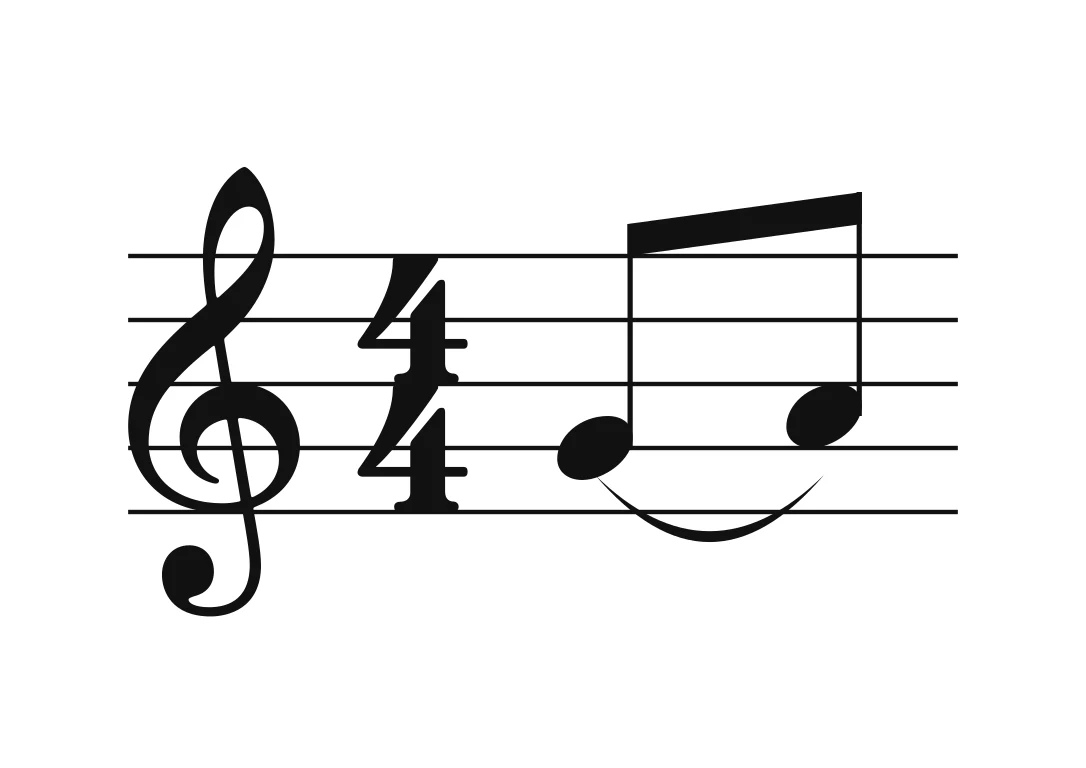
A word is split as “sing-ing” under two separate notes with a hyphen between syllables. How should it be performed?
The figure shows three slurred notes, and the score places one syllable under the group. What happens to the vowel?
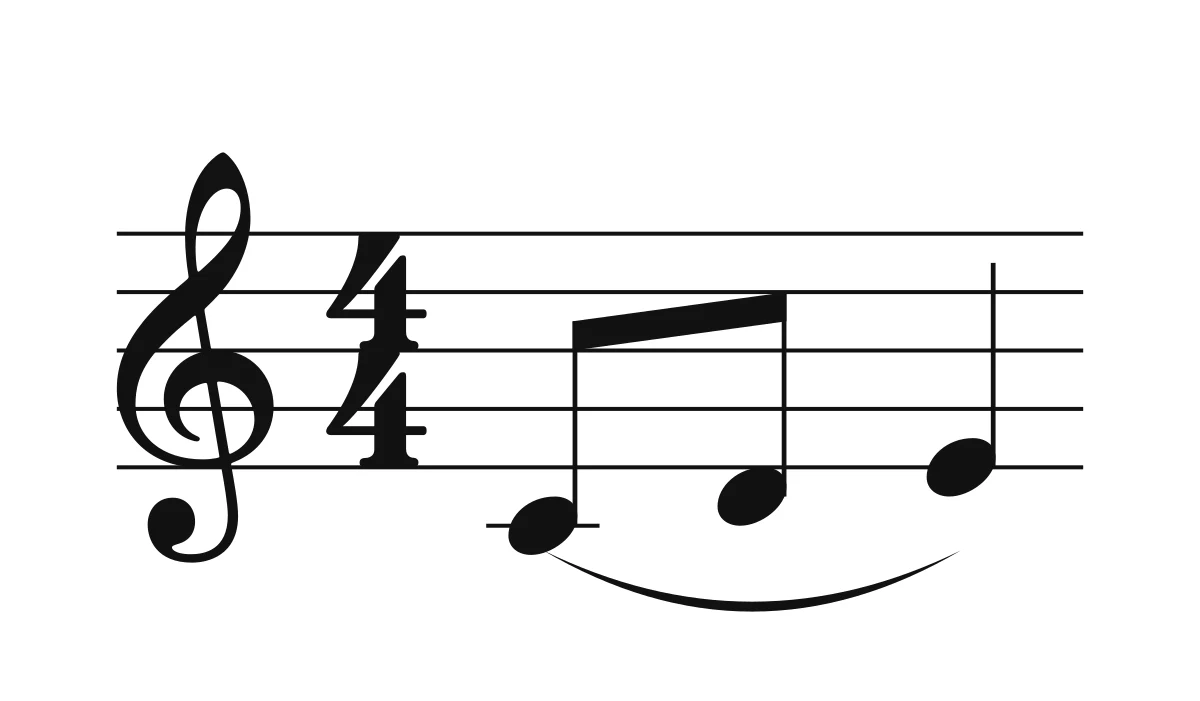
The figure shows a slur between two different pitches in a choir part. What does that usually show about the lyric underlay?
An octavo has four choir staves and two lower staves joined by a brace labeled piano. Who reads the braced lower staves?
Your voice part is resting, but the piano reduction has notes during those beats. What should you do as a singer?
A rehearsal score prints the choir parts above a keyboard reduction. What is the keyboard reduction mainly for?
In a choral octavo, the staff labeled “Bass” and the braced piano bass staff both have low notes. Which one do bass singers sing?
Crack the passcode before the zombies get in.
Answer, then swat bugs for bonus points.
Race through questions at your own speed.
Same question on every screen. Fastest wins.

Pick a tile, answer, hit bonuses and steals.
Hear the Interval
40 questions