Loading
by BlastRoom
Covers judicial review and major Supreme Court case holdings taught in grade 8 civics.
#civics#us_grade_8_social_studies
20 questions
One question set, multiple game modes. Tap any game to see it in action. Not sure which to pick?
Answer to place stones and capture territory.
Outrun the snow together.
Earn blasts, then hunt the other team.
Answer to earn energy, then climb.

The class blasts through walls together.
Bid on mystery lots. Most money wins.
Sell tours. Nice, standard, or a total scam.

Answer, restock, and serve the rush.
More correct answers pulls the rope your way.
Answer, then shoot down the alien wave.
Answer, then tap to leap the frozen ridge.
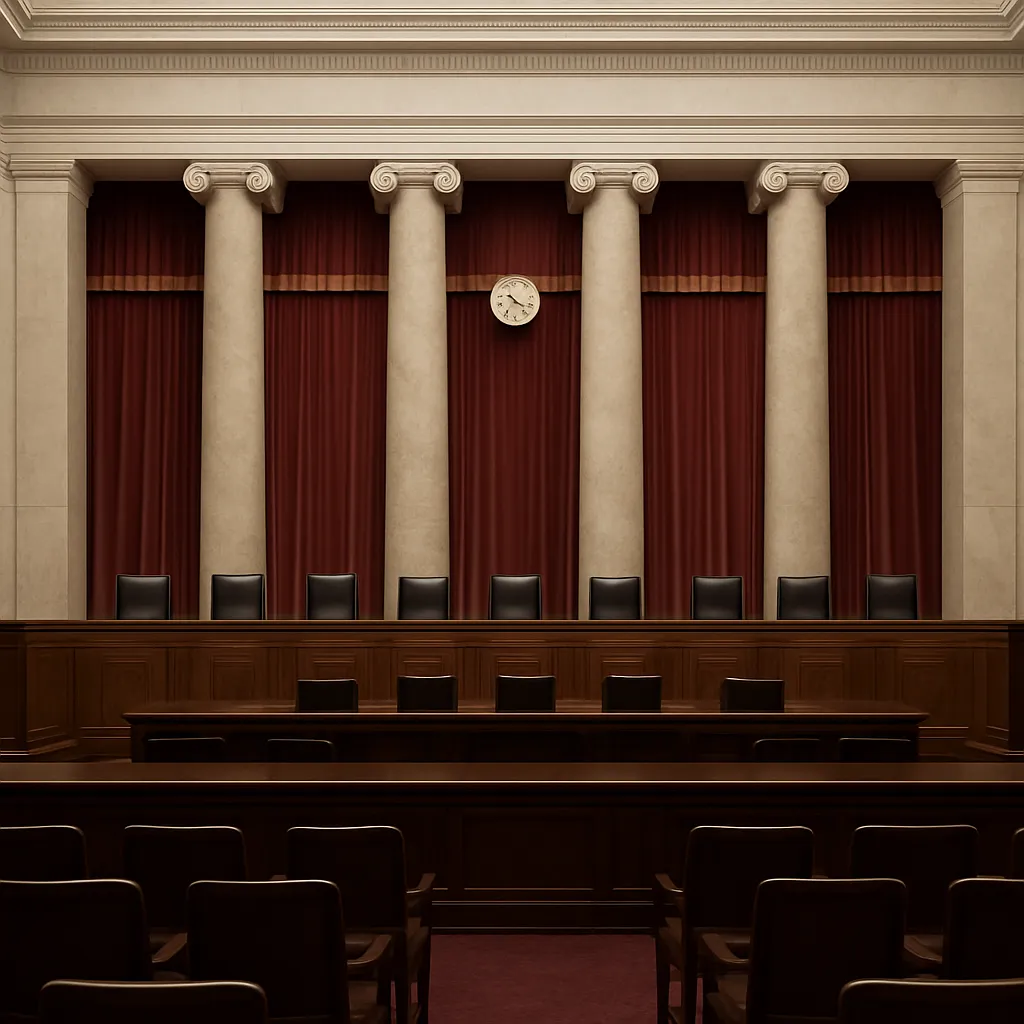
The Court held that a federal law expanding the Supreme Court's original jurisdiction conflicted with the Constitution. Which case established this power of judicial review?
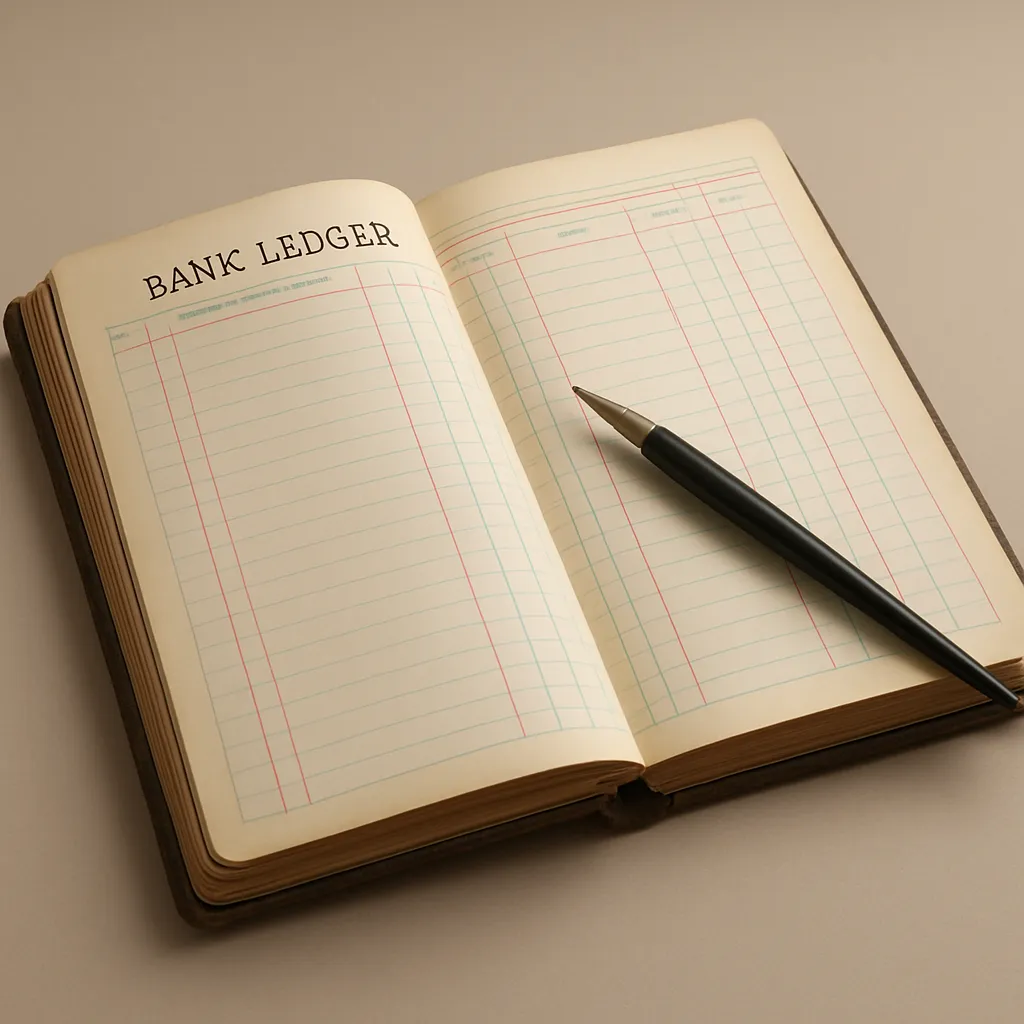
The Court held that Congress could create a national bank and that Maryland could not tax it. Which case made this decision?
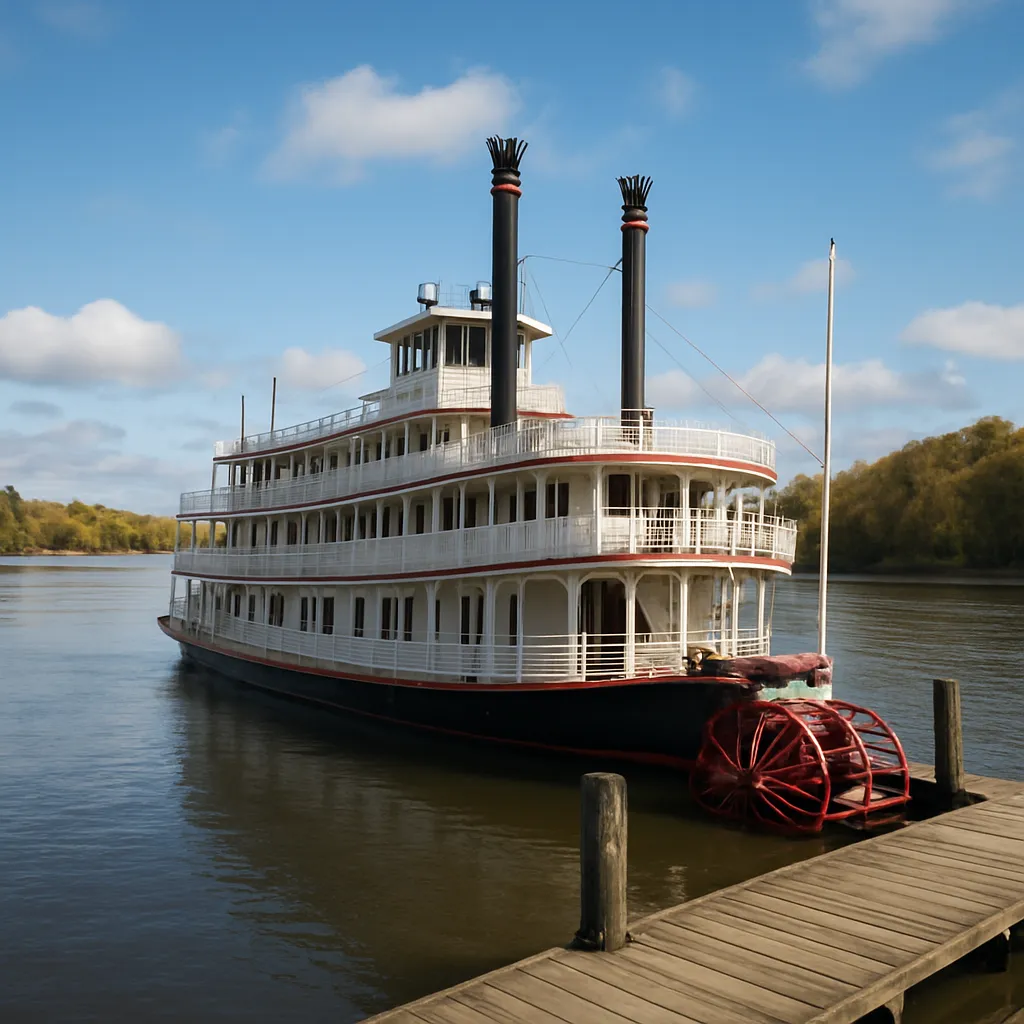
The Court ruled that Congress, not New York, controlled interstate steamboat navigation between New York and New Jersey. Which case made this decision?
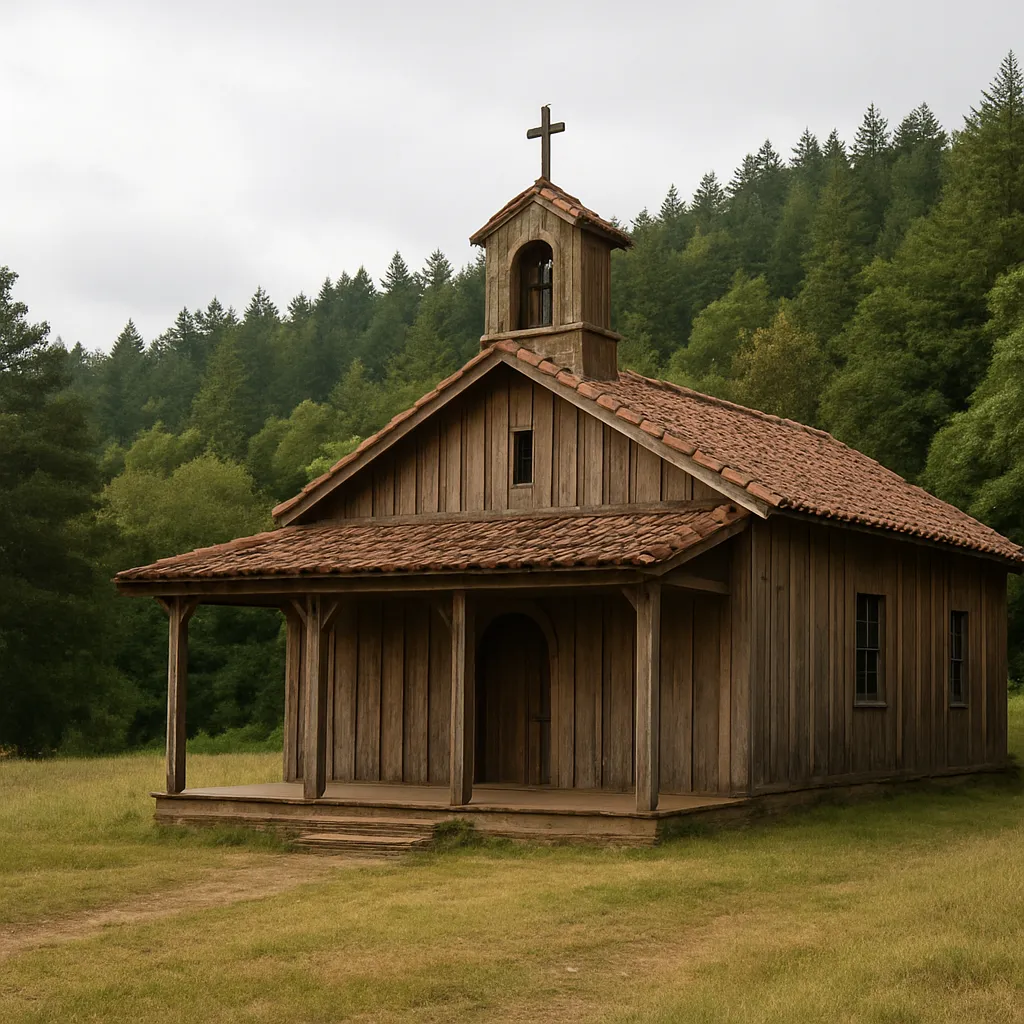
The Court said Georgia laws had no force in Cherokee territory because federal treaties and laws controlled. Which case made this decision?
The Court ruled that a man suing for freedom was not a U.S. citizen and that Congress could not bar slavery in federal territories. Which case made this decision?
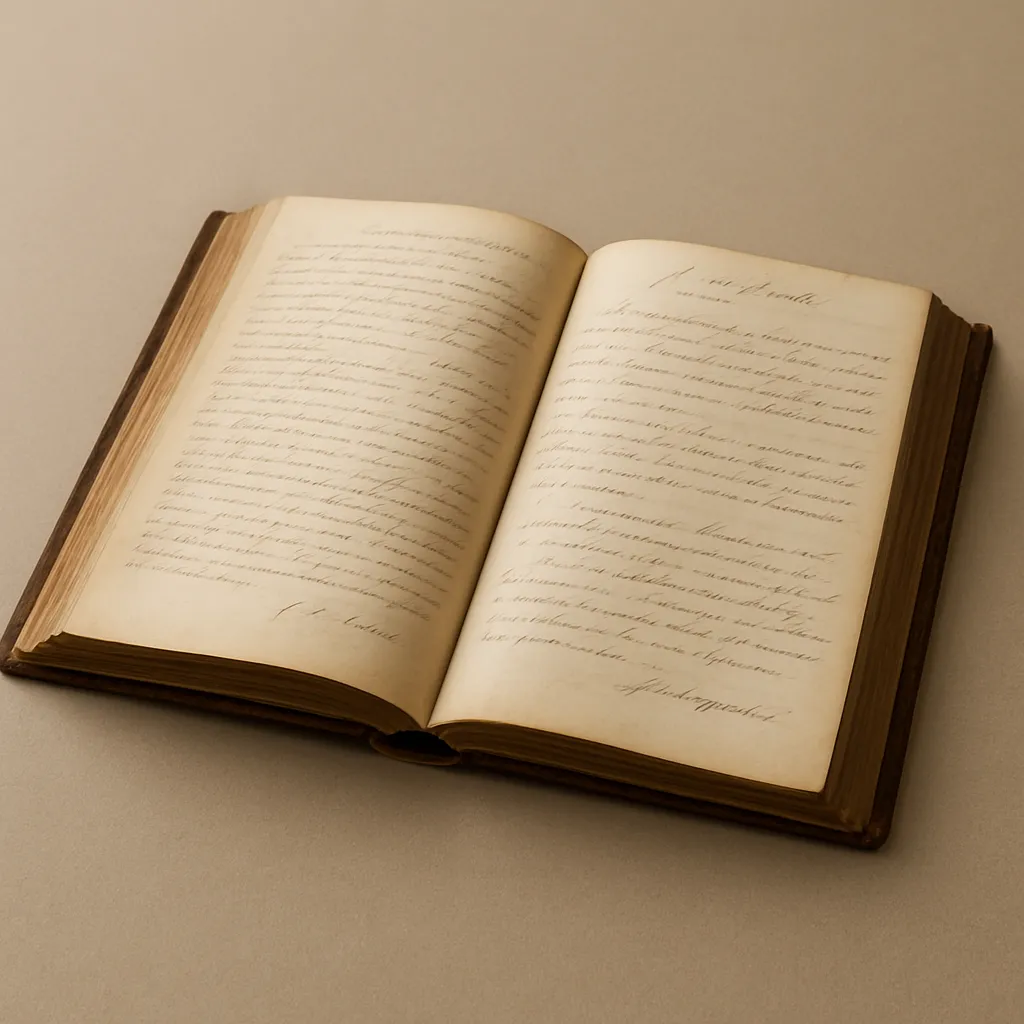
The Court upheld Louisiana's separate railroad cars under the separate-but-equal doctrine. Which case made this decision?
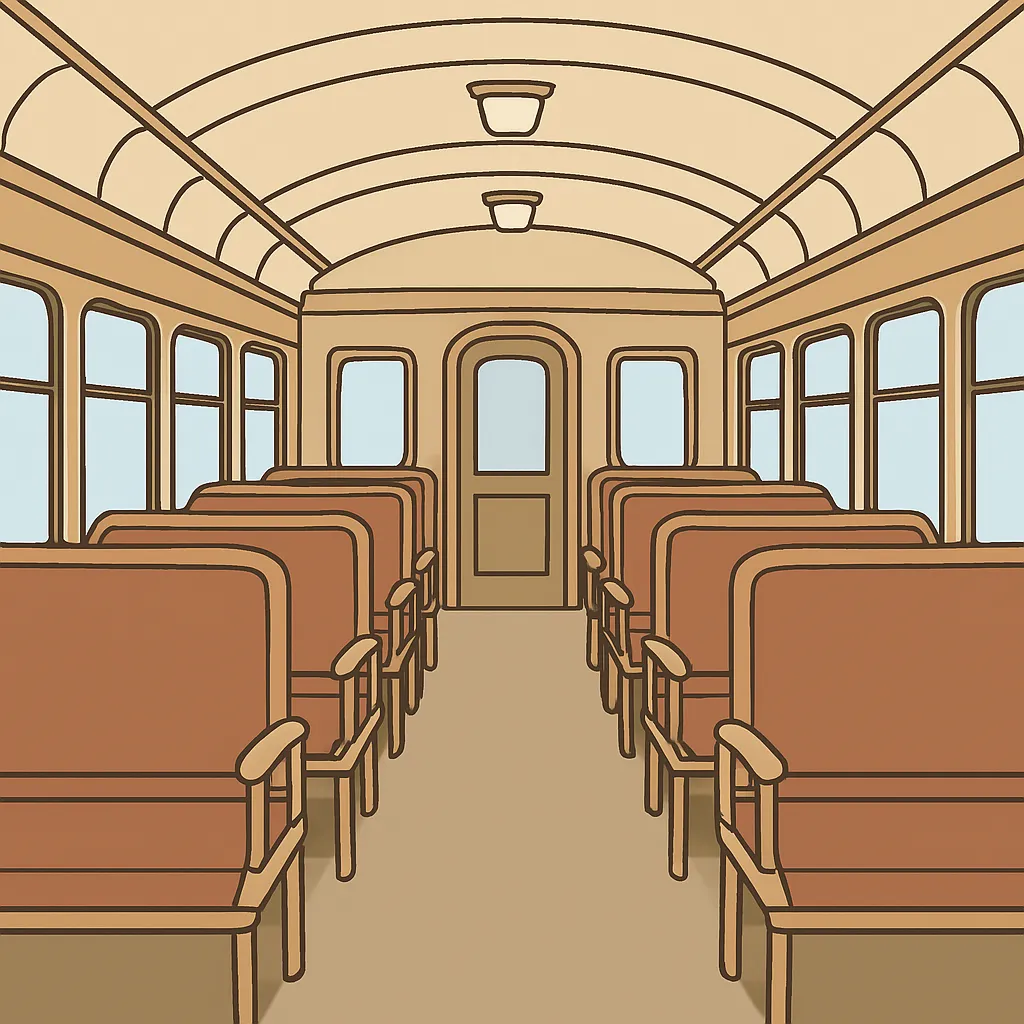
The Court ruled that required racial segregation in public schools violated the Fourteenth Amendment's Equal Protection Clause. Which case made this decision?
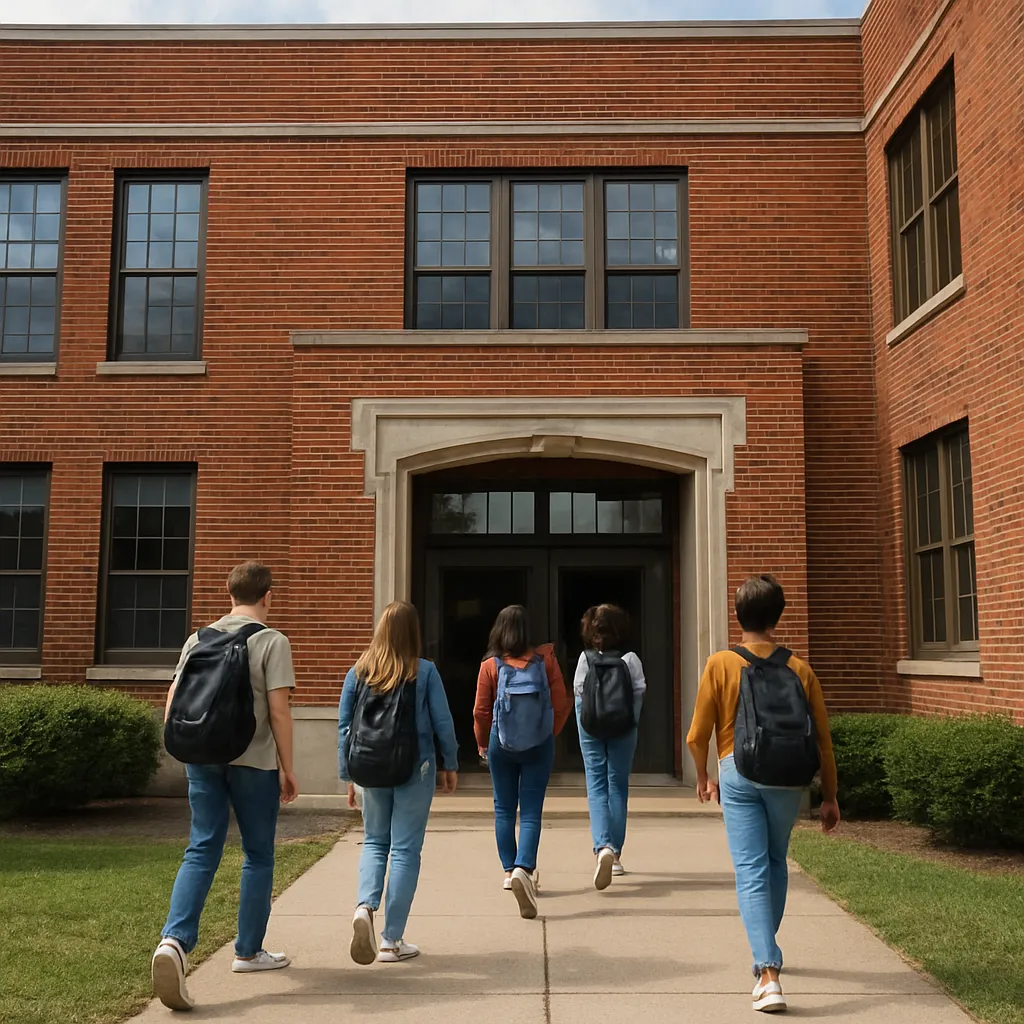
The Court ruled that police must warn suspects of rights to silence and counsel before custodial interrogation. Which case made this decision?
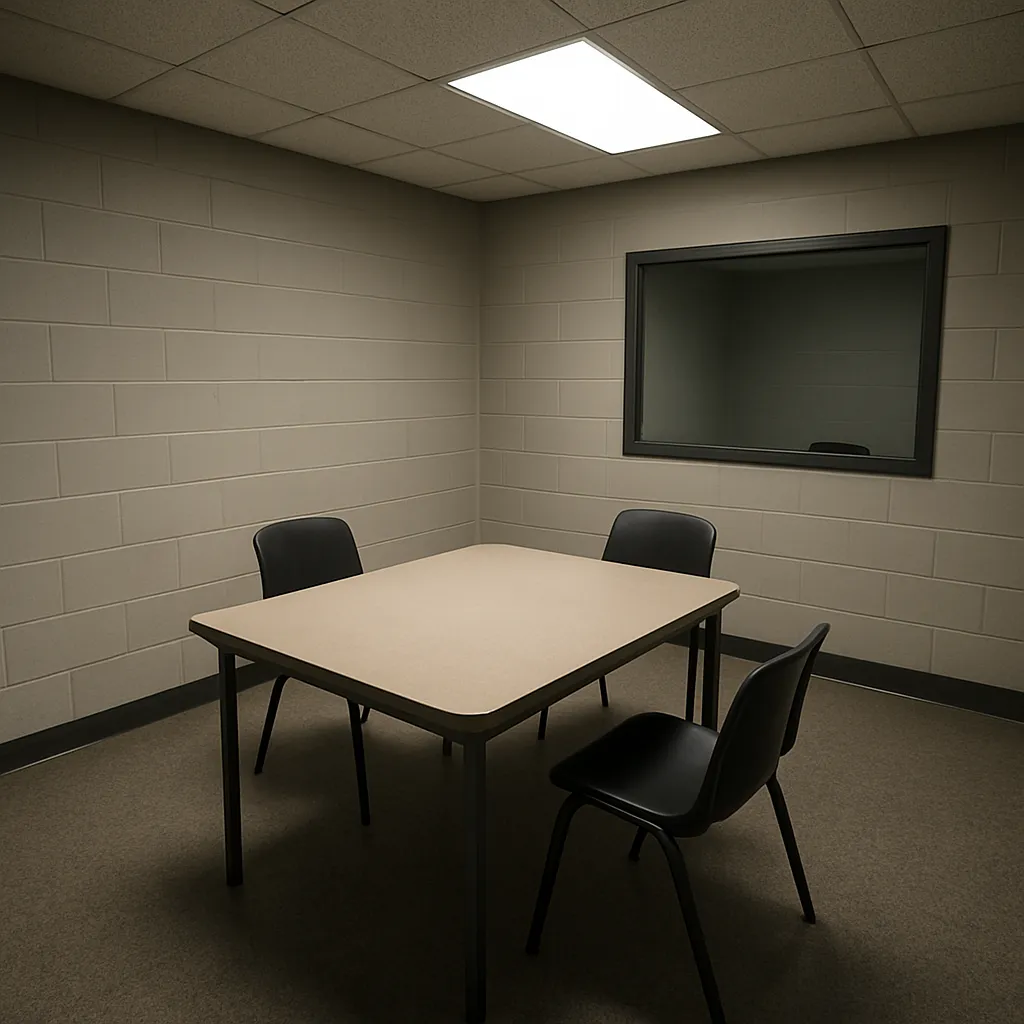
When the Supreme Court refuses to enforce a law because it conflicts with the Constitution, which power is the Court using?
In McCulloch v. Maryland, Maryland's bank tax failed because the Constitution and laws made under it outrank conflicting state laws. Which principle did the Court apply?
In Gibbons v. Ogden, the Court said navigation between states fell under Congress's authority to regulate trade across state lines. Which clause was central?
In Brown v. Board of Education, which Fourteenth Amendment principle did the Court say school segregation violated?
Miranda warnings mainly protect which constitutional right of a person held for police questioning?
Congress later used implied powers to create agencies and programs not named in the Constitution. Which case supported that broad reading?
Brown became important partly because it rejected an earlier separate-but-equal precedent in public education. Which case did Brown reject?
The Fourteenth Amendment, ratified in 1868, overturned an earlier Supreme Court ruling. Which ruling did it overturn?
Later student-speech cases use a substantial-disruption standard for school expression. Which landmark case supplied that standard?
Detectives question a suspect in custody for two hours without warning about silence or counsel, then use the confession. Which case is most relevant?
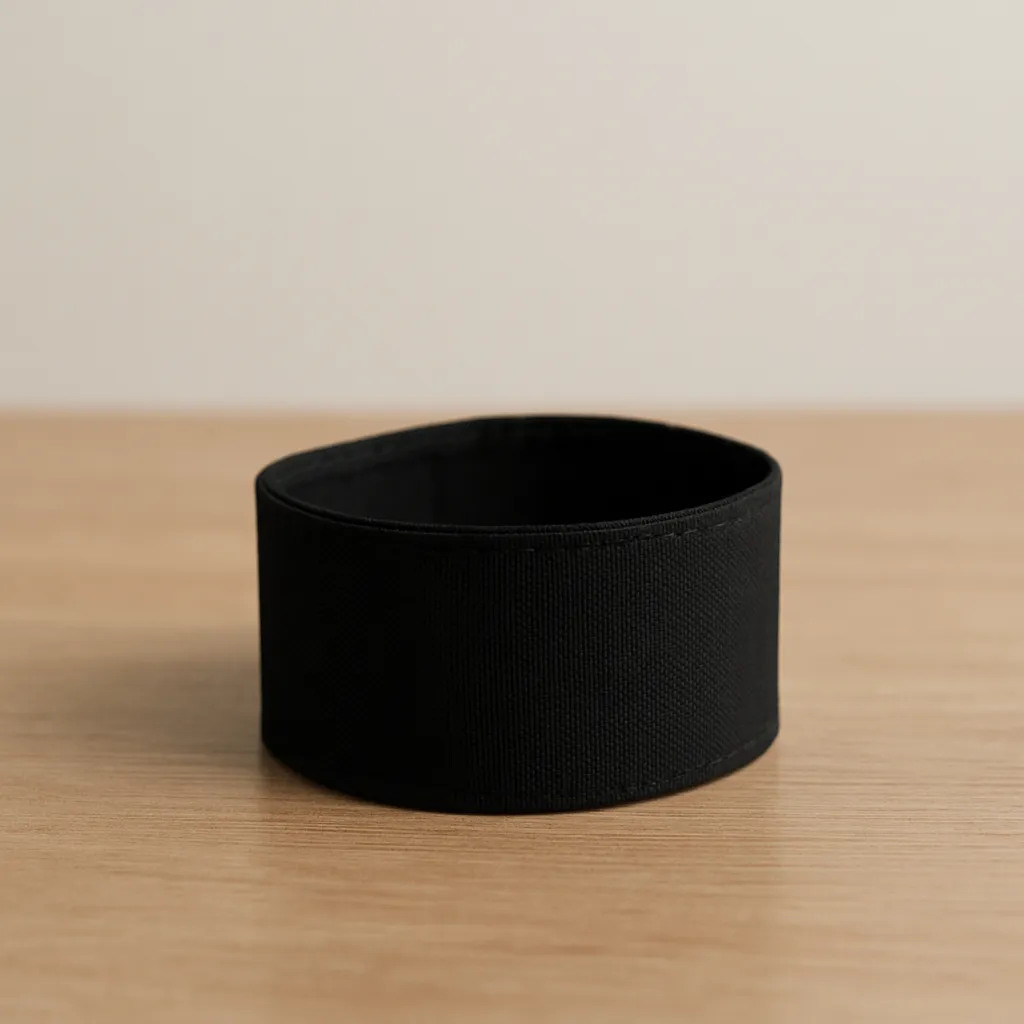
A student silently wears a protest armband at school, and officials punish her without showing disruption. Which case is most relevant?
A state tries to enforce its permit law on workers invited by a federally recognized tribe on tribal land. Which case is most relevant?

Crack the passcode before the zombies get in.
Answer, then swat bugs for bonus points.
Race through questions at your own speed.
Same question on every screen. Fastest wins.

Pick a tile, answer, hit bonuses and steals.
Becoming a Citizen and Civic Participation
20 questions